Reviewed · PRIVATE
10-Day Private Tour of Romania with Pick Up
Romania gives you an unusually full story in ten days: communist power in Bucharest, medieval towns in Transylvania, Dacian ruins in the mountains, painted churches in Bukovina, and wooden villages in the north. I like the private car and flexible route, which let you adjust the pace instead of following a fixed group schedule. I also like the range of places, from the Palace of Parliament to the Merry Cemetery and the Transfăgărășan Highway.
The main tradeoff is distance. This is a serious road trip, not a relaxed base-and-day-trip holiday. You cover much of Romania, and several days involve long drives between sights. The price is $3,918.13 per person, but accommodation, food, drinks, and entrance fees are extra, so you need to budget beyond the headline cost.
In This Review
- Key points at a glance
- What this Romania road trip does especially well
- Day 1: Bucharest from dictatorship to old inns
- Day 2: Royal tombs, Vlad’s fortress, and the high road
- Day 3: Gothic stone and the Dacian highlands
- Day 4: Salt, city life, and a wooden tower
- Day 5: Humor in Săpânța and the cost of dictatorship
- Day 6: Maramureș woodwork and the Dracula connection
- Day 7: Bukovina’s painted monasteries
- Day 8: Eggs, folk art, and the Bicaz Gorges
- Day 9: Sighișoara and the Saxon countryside
- Day 10: Brașov, Bran, and the royal finish
- What the $3,918.13 price really covers
- Who should book this tour?
- Should you book it?
- FAQ
- Where does the 10-day Romania tour begin?
- Is this a private tour?
- Is an English-speaking guide included?
- Are hotels included in the price?
- Are attraction entrance fees included?
- Is the Transfăgărășan Highway open all year?
- What happens if I cancel?
Key points at a glance
- A private 10-day route across four major regions: Bucharest, Transylvania, Maramureș, and Bukovina all appear in one journey.
- Nicolas may be your English-speaking guide: The guide is praised for his company and understanding of Romania.
- The Transfăgărășan is a major highlight: The road reaches 2,042 meters and is fully open only from June through October.
- Romania’s painted monasteries receive proper attention: Voroneț, Humor, Sucevița, and Moldovița are spread across a full day.
- The tour mixes famous sights with less common stops: Densuș Church, Ciocănești, the Lucia Condrea Egg Museum, and Nicolae Popa Museum add local character.
- You pay extra for most entrances: Transport, guide costs, fuel, parking, tolls, and guide accommodation are included, but your own lodging, meals, and tickets are not.
What this Romania road trip does especially well
I like the way this tour avoids reducing Romania to Dracula. Bran Castle and Sighișoara are here, but so are the Revolution Square, the Memorial of the Victims of Communism, the Dacian capital at Sarmizegetusa Regia, and the painted churches of Bukovina.
That mix gives you a better understanding of the country. Romania is not just castles and folklore. It is also royal ambition, Ottoman influence, village craft, religious art, dictatorship, resistance, and mountain geography.
The private format matters. You travel only with your own family or friends, in a tourism car or minibus, with a licensed English-speaking guide and driver. The operator also allows changes to the daily plan after the tour begins, subject to what can reasonably be covered. That is useful when you want more time at a castle, less time in a museum, or a slower lunch stop.
Nicolas is the guide named in the available feedback, and his company and understanding of Romania receive the strongest praise. If he is leading your departure, you can expect the guide relationship to be an important part of the experience. Still, ask at booking who will actually guide your group, since a named guide is not guaranteed in the tour details.
A few more Bucharest trips to weigh up
- Castles of Transylvania: Private Day Trip from Bucharest
★ 4.5 · 248 reviews - Dracula’s Castle, Peles Castle and Brasov – Private Day Trip from Bucharest
★ 5.0 · 211 reviews - Best of Bucharest | Private Walking Tour
★ 5.0 · 199 reviews
Day 1: Bucharest from dictatorship to old inns
The first day sets up Romania’s modern story at the Palace of Parliament. This enormous administrative building was created during Nicolae Ceaușescu’s communist rule and remains one of the world’s largest buildings of its kind, second only to the Pentagon in the information provided for this tour.
The building is more than a photo stop. It helps you see the scale of Ceaușescu’s ambition and the cost of totalitarian power. You will need to purchase admission separately, and the visit is planned for about two hours.
At the National Village Museum, the mood shifts. Open-air buildings from across Romania show how rural communities built homes, churches, workshops, and farm structures around local materials and practical needs. One hour is enough for a first look, though you may want to linger if traditional architecture interests you.
The Romanian Athenaeum adds a graceful cultural counterpoint. This famous concert hall on Calea Victoriei is one of Bucharest’s best-known symbols and is part of the European Heritage list. The scheduled visit lasts 45 minutes, with admission not included.
At Revolution Square, your guide can connect the former Central Committee building with the December 1989 uprising that ended Ceaușescu’s rule. This is one of the most useful stops for understanding why the Palace of Parliament feels so politically charged rather than merely grand.
You finish in the Old Town, where Hanul lui Manuc recalls Bucharest’s role as a trading stop. The old inn once served merchants and functioned as an economic and social center. Allow two hours here for churches, museums, restaurants, bookshops, music, and souvenirs. The district is atmospheric, but it is also the most visitor-oriented part of the day, so your guide’s local suggestions can help you avoid spending all your time on the obvious streets.
Day 2: Royal tombs, Vlad’s fortress, and the high road
Curtea de Argeș brings together Wallachian royal burial sites, the ruins of a princely court, a 13th-century Royal Church, and the famous Argeș Monastery. The planned stop is short at 30 minutes, so treat it as an introduction rather than a full study of the town.
Poienari Fortress is the day’s dramatic stop. The ruins sit high above the Argeș River, and the fortress is linked to Vlad the Impaler, the historical figure who helped inspire Dracula. The site’s appeal comes from both the story and the setting, with the Carpathians rising around it.
The two-hour allocation sounds generous, but the practical experience depends on access conditions and walking pace. You should be ready for a physically active visit at a hilltop ruin. The tour description does not include an admission fee, so confirm the current ticket arrangement before setting out.
The Transfăgărășan Highway is one of Romania’s great scenic drives. It runs for more than 150 kilometers, reaches 2,042 meters at the tunnel near Lake Bâlea, and is fully open only from June through October. If your tour runs outside that period, the route may be restricted, so this is the most important seasonal point in the entire trip.
Sibiu closes the day with Big Square and the old city center. The city’s 900-year story, Evangelical Cathedral, architecture, and mountain setting make it a pleasant contrast to the hard-edged history of Bucharest. One hour gives you a compact orientation, not a deep city visit.
Day 3: Gothic stone and the Dacian highlands
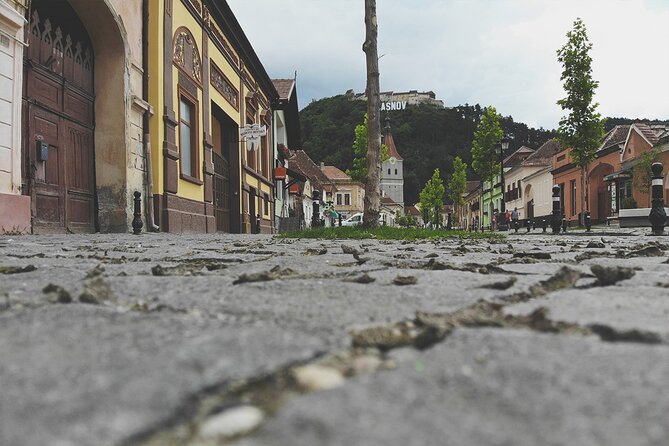
Corvin Castle in Hunedoara is one of the most striking buildings on the route. Its Gothic-Renaissance form, towers, courtyards, and defensive feel make it easy to understand why it appears on lists of Romania’s great castles. Two hours should give you time to see the main spaces without rushing.
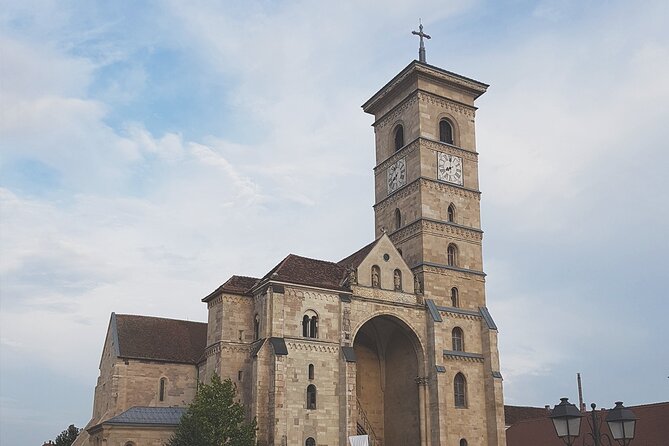
Densuș Church is much smaller but perhaps more surprising. The stone church took its present form in the 13th century on the site of a Roman temple, using materials connected with the Dacian fortress at Sarmizegetusa. Inside are 15th-century murals, including an unusual image of Jesus in Romanian traditional clothing.
Sarmizegetusa Regia requires more commitment. This was the Dacian capital and a military, religious, and political center before the wars with Rome. It sits at about 1,200 meters in the Orăștie Mountains, and the scheduled three-hour stop reflects the effort needed to reach and explore the site.
I like this day because it moves beyond the familiar medieval postcard. You see how Romania’s ancient past is tied to both Roman and Dacian history. The drawback is that remote archaeological sites take time to reach, so this is another long day on the road.
Same mountains, a completely different day out:
- Bucharest: Dracula’s Castle, Peles Castle, & Brasov Old Town
★ 4.5 · 17,858 reviews - Bucharest: Dracula Castle, Peles Castle & Brasov Old Town
★ 4.6 · 10,891 reviews - Bucharest: Dracula’s Castle, Peleș Castle & Brașov Day Trip
★ 4.5 · 5,919 reviews - Bucharest: Palace of Parliament Tickets and Guide
★ 4.3 · 3,182 reviews
Day 4: Salt, city life, and a wooden tower
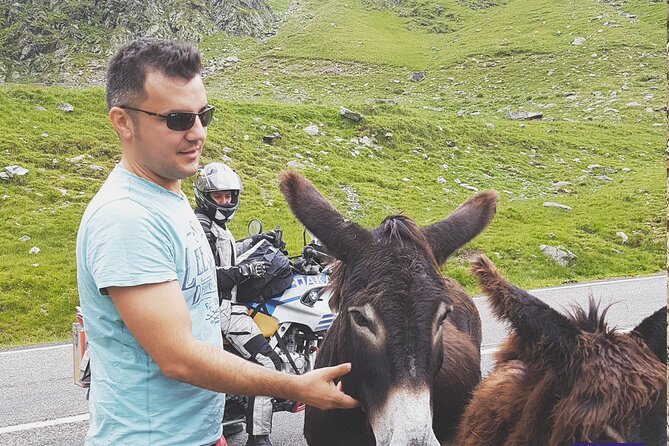
Salina Turda is one of the tour’s most unusual stops. The former salt mine is known for its underground chambers and saline air, which is often appreciated by people with allergies or asthma. The two-hour visit gives you enough time to see the main areas, but entrance is extra.
In Cluj-Napoca, the Alexandru Borza Botanical Garden provides a more open, easygoing break. The city center also brings Baroque, Renaissance, and Gothic buildings, some dating from the 17th century, plus restaurants serving local food. The planned garden stop lasts one hour, so ask your guide how much time is available for the central streets and a meal.
Surdești Wooden Church offers a strong example of Maramureș craftsmanship. Its tower reaches 54 meters, while the church is described as a 72-meter wooden structure dating from 1721. The numbers vary in the description, but the point is clear: this is an exceptionally tall and ambitious wooden church.
Day 5: Humor in Săpânța and the cost of dictatorship
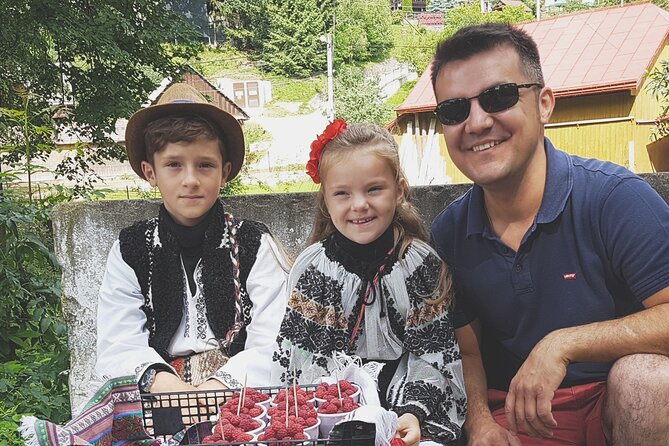
The Merry Cemetery in Săpânța is unlike a typical cemetery. Brightly painted crosses carry poems and scenes from the lives of the dead, often with a sharp sense of humor. The result is not simply cheerful. It reflects a local way of facing death with storytelling, color, and plain speech.
You have about one hour here. That is enough to understand the idea and see a good number of crosses, though the cemetery rewards slow reading if you can manage extra time.
The Memorial of the Victims of Communism and of the Resistance gives the day its weight. Its purpose is to show the damage caused by Romania’s communist regime and the suffering endured by people who resisted it. Set aside two hours. This is not a quick photo stop, and it may be one of the most affecting museums of the trip.
Together, these places show two very different ways of remembering the past: the cemetery uses wit and personal stories, while the memorial records repression and pain. I value that contrast because it keeps the tour from presenting Romanian history as a string of handsome monuments.
Day 6: Maramureș woodwork and the Dracula connection
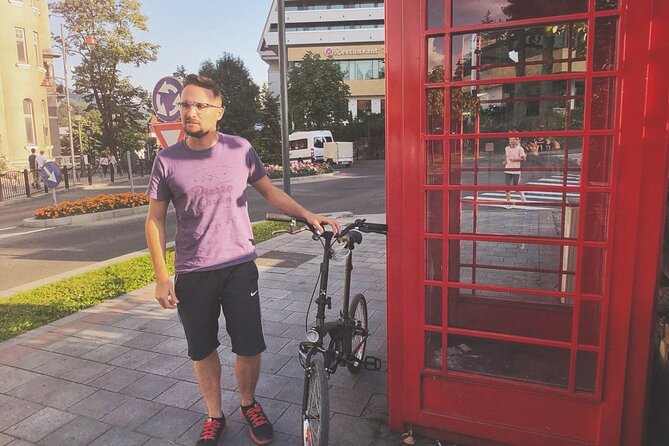
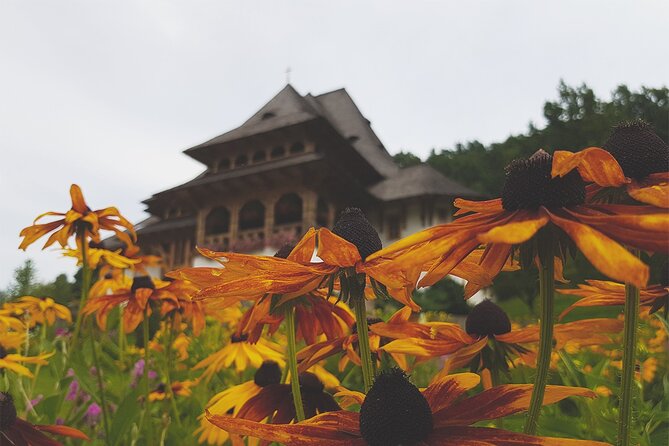
Barsana Monastery is known for its tall wooden church, listed here at 57 meters, and its carefully arranged monastic grounds. The visit lasts only 45 minutes, so you will see the main setting rather than spend a long period in quiet reflection.
At Tihuța Pass, you enter the Carpathian route associated with Bram Stoker’s fictional Borgo Pass. Stoker did not visit the area, but the connection helped give the pass a Dracula identity. The Hotel Castel Dracula, built in 1976 and renamed after 1989, uses a medieval villa style and sits at about 1,116 meters.
Ciocănești is a more grounded stop. Houses along the Golden Bistrița River are painted with traditional motifs, turning the village itself into a display of local design. The surrounding spruce and pine forests and meadows add to the appeal, while the one-hour visit keeps the stop focused.
Day 7: Bukovina’s painted monasteries
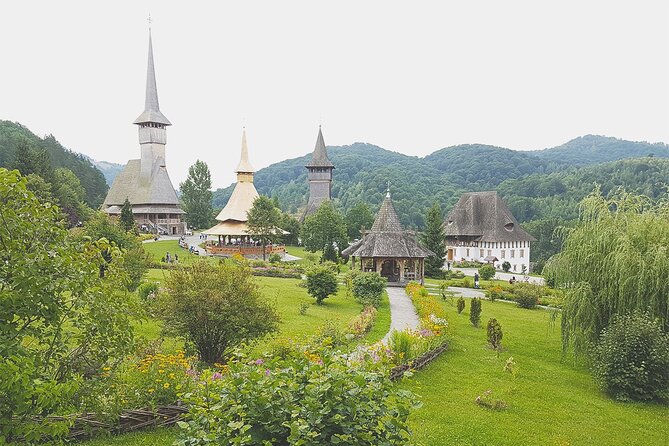
This is one of the tour’s strongest cultural days. Voroneț Monastery was founded by Stephen the Great in 1488 and is famous for its intense blue fresco background, often called Voroneț blue. The nickname Sistine Chapel of the East is easy to understand once you see the exterior paintings, though the building is distinctly Moldavian rather than Italian.
Humor Monastery adds a fortified setting and another layer of religious history. Its present church dates from about 1530, after an earlier church was destroyed. Thick river-rock walls helped protect the site, and the 45-minute visit gives you a clear sense of its scale.
Sucevița Monastery is surrounded by defensive walls, bastions, and painted biblical scenes. It is a UNESCO World Heritage site and feels like a church, fortress, and illustrated religious book at once.
Moldovița Monastery completes the group. Built in 1532, it combines Byzantine, Gothic, and Moldavian features, with murals on both the inside and outside. The one-hour stop is the longest of the four, which makes sense since there is more to see.
All entrance fees are extra. Wear clothing suitable for religious sites, and remember that four monasteries in one day can become visually demanding. The reward is one of the clearest looks at Romania’s spiritual art.
Day 8: Eggs, folk art, and the Bicaz Gorges
The Lucia Condrea International Egg Museum in Moldovița holds more than 5,500 decorated eggs across two floors and 56 display cases. It is a highly specialized collection, and the one-hour visit works well after the larger monasteries.
The Nicolae Popa Museum in Târpești offers a personal story. Popa founded the museum in his own home in the 1970s after wartime injury and imprisonment under the communist regime. He then devoted himself to Romanian artistic and folk traditions. That background gives the museum more meaning than a simple collection of objects.
The Bicaz Gorges receive three hours, the longest stop of the day. A river has cut through the mountains and forests, creating a dramatic road and walking area. Admission is included here, unlike most other attractions on the route.
Day 9: Sighișoara and the Saxon countryside
Sighișoara is one of Romania’s best medieval town visits. The citadel has remained inhabited for more than 700 years, and the Clock Tower and Arms Museum help you picture daily life inside a fortified settlement. The town is also associated with Vlad the Impaler’s birthplace, adding another link to the Dracula theme.
Two hours gives you time for the tower, museum, and old streets. Expect steps and uneven surfaces in a medieval citadel. The attraction is not only a preserved shell. It is a living town with homes, lanes, and a strong sense of continuity.
Biertan Fortified Church sits on a hill in a settlement dating to 1224. Three defensive walls and seven bastions surround the church, which is part of the UNESCO World Heritage listing for Transylvanian fortified churches. The two-hour visit provides a good counterpoint to Sighișoara, with more rural surroundings and a quieter scale.
Day 10: Brașov, Bran, and the royal finish
Brașov’s Old Town is an easy final-day pleasure. The Black Church, Old Town Square, and medieval walls make up the main walking route, followed by free time in the city’s cafés. The formal visit lasts one hour, so use the free time well if you want a slower final morning.
Bran Castle is the famous Dracula stop, but its real appeal lies in the gap between fiction and history. The castle’s appearance helped it become linked to Stoker’s story, though the Dracula legend should not be confused with a literal connection between the novel and this building.
Outside Bran, you can try handmade cheeses, plum or pear brandy, ham, and sausages. These food samples are not included in the tour price, so bring spending money.
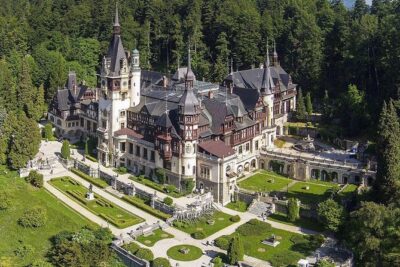
Peleș Castle provides the grand finale. Built as the Romanian royal family’s summer residence, it offers a very different kind of castle experience from Bran. Bran is tied to popular myth and defensive architecture. Peleș is about royal taste, comfort, and display.
What the $3,918.13 price really covers
At $3,918.13 per person, this is a premium private journey rather than a budget sightseeing package. The value improves if you are sharing the vehicle with family or friends and care about having control over the pace.
Included are your private car or minibus, an English-speaking licensed guide and driver, wireless internet in the vehicle, fuel, parking, and road tolls. The guide’s accommodation, meals, and entrance fees are also covered by the operator, not passed on as your direct expense.
You must still pay for your own accommodation, meals, drinks, and attraction tickets. Since there are many paid sites, entrance costs can add up. Ask for a rough estimate before booking so the total price is clear.
The strongest value is convenience across a very wide route. Driving yourself would require planning mountain roads, remote sites, city parking, and changing regional schedules. The private format also gives you someone to explain communist history, Dacian archaeology, church art, and local traditions as you go.
Who should book this tour?
I would choose this tour if you want to see a great deal of Romania in one trip and prefer a private guide to handling the planning yourself. It suits families, couples, and friend groups who value flexibility and do not want to share a vehicle with strangers.
It is less suitable if you prefer a slow holiday with several nights in one place. The route is packed, and many days combine multiple stops with long drives. People with limited mobility should ask specifically about Poienari Fortress, Sarmizegetusa Regia, medieval streets, and access at the monasteries, since the supplied details do not give accessibility information.
Before booking, confirm the pickup address and time, the guide assigned to your group, the vehicle type, the hotel plan, and the likely entrance-fee total. The cancellation rule is simple: cancel at least 24 hours before the local start time for a full refund. Inside that window, refunds and changes are not accepted.
Should you book it?
Book it if Romania’s variety is the point: communist Bucharest, royal castles, medieval citadels, wooden churches, Dacian ruins, mountain roads, and village traditions all matter to you. The private vehicle, internet, guide, and flexible schedule make the high price easier to justify for a small group.
Skip it if you want a restful base holiday or need a fully itemized package with hotels, meals, and tickets already paid. For an ambitious first look at Romania, though, this route offers an unusually broad and thoughtful introduction, especially if Nicolas is available to guide you.
FAQ
Where does the 10-day Romania tour begin?
The tour is based in Bucharest, Romania. Pickup is offered, and you provide the pickup time, address, and phone number when arranging the experience.
Is this a private tour?
Yes. The tour uses a private car or minibus for your group, and only your friends or family participate.
Is an English-speaking guide included?
Yes. A private, licensed English-speaking guide and driver are included throughout the tour. Nicolas is the guide named in the available tour feedback, but you should confirm your assigned guide before booking.
Are hotels included in the price?
No. Your accommodation is not included. The operator covers accommodation, meals, and entrance fees for the guide, while you pay for your own lodging.
Are attraction entrance fees included?
Most entrance fees are not included. The itinerary specifically lists admission as extra at many stops. Admission is included for the Bicaz Gorges, and the Transfăgărășan Highway and Tihuța Pass are listed as free.
Is the Transfăgărășan Highway open all year?
The road is fully open only from June through October. Its highest point is 2,042 meters at the tunnel near Lake Bâlea, so confirm seasonal access if your tour is outside those months.
What happens if I cancel?
You receive a full refund if you cancel at least 24 hours before the experience start time. Cancellations or changes made less than 24 hours before the local start time are not accepted and are not refunded.
Just added around Bucharest
- Village Museum Bucharest Guided Tour★ 5.0 · 6 reviews
- Bucharest: Dealu Mare Winery Private Trip with Wine Tasting★ 4.9 · 6 reviews
- Winery touring & private wine tasting – one day private tour★ 5.0 · 3 reviews
- Transylvania Tour: Dracula’s Castle, Peles Palace & Brasov★ 5.0 · 19 reviews
- Discover Medieval Transylvania Small Group Tour – 7 days★ 5.0 · 4 reviews
- Bucharest Airport Transfer To Constanta Mamaia★ 5.0 · 3 reviews
- Airport Henri Coanda (Otopeni) to Bucharest – Private Transfer – Driver★ 5.0 · 5 reviews
- Gems of Transilvania: Brasov,Sighisoara,Sibiu,Viscri and more★ 5.0 · 6 reviews
Private, compared.

Castles of Transylvania: Private Day Trip from Bucharest
Read our review →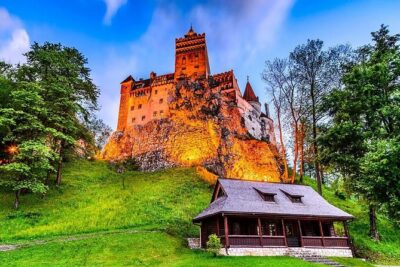
Dracula’s Castle, Peles Castle and Brasov – Private Day Trip from Bucharest
Read our review →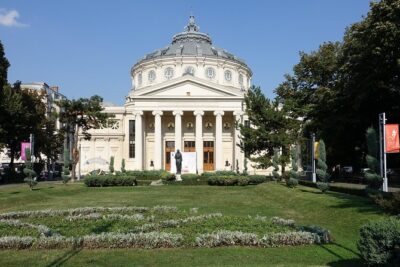
Bucharest Panoramic Sightseeing – Private City Tour
Read our review →
THERME “Take It Easy” Pack: Full Spa Access + Private Transfers
Read our review →
Piatra Craiului National Park Private Hiking Tour from Brasov
Read our review →
4h Bucharest Private Tour (2h by Car and 2h Walking in Old Town)
Read our review →