
Reviewed · TRANSFAGARASAN ROAD TOURS
3 Days Private Tour in Romania with Transfagarasan Road
The great draw here is not one castle or church, but the way Romania’s finest mountain roads and historic sights fit into one demanding three-day circuit. You climb to Poienari Fortress, cross the Transfagarasan and Transalpina, then stop at monasteries, caves, fortified towns, and Corvin Castle.
I like the private format, which lets you spend more time where your group wants it. I also like having Nicolas, or Nicu, as both English-speaking guide and driver. He is praised for clear explanations, personal service, and adjusting the day to suit the group. The main drawback is the pace: this is a lot of Romania in only three days, and several days involve long drives and active sightseeing.
In This Review
- Key points at a glance
- Why this three-day Romanian circuit works
- Day one: royal tombs, Dracula’s fortress, and the Transfagarasan
- Day two: Sibiu’s square and the castle at Hunedoara
- Day three: Alba Iulia and Romania’s highest road
- What Nicolas adds as guide and driver
- Timing, comfort, and the real cost
- Who should book this private tour
- Should you book it?
- FAQ
- Where does the tour begin?
- How long does the tour last?
- Is this a private tour?
- Who guides the tour?
- Are hotels included?
- Are meals and drinks included?
- Are admission tickets included?
- Is internet available during the drive?
- Can the itinerary be changed?
Key points at a glance
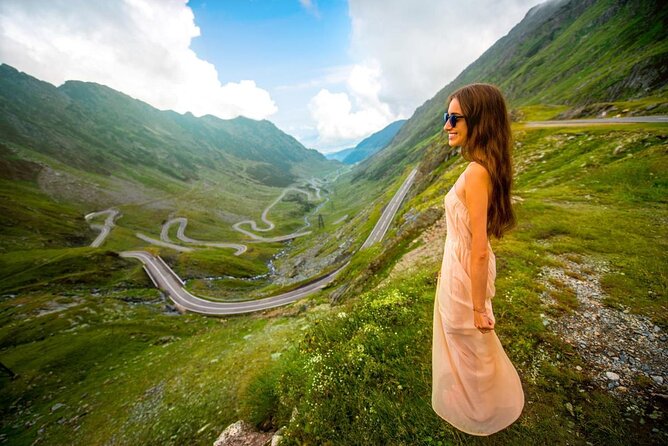
- Two famous Carpathian roads: The Transfagarasan and Transalpina provide the tour’s biggest mountain views, though road access can depend on conditions.
- Poienari means 1,480 stairs: Reaching Vlad the Impaler’s fortress requires a serious climb, so bring suitable shoes and energy.
- A true private tour: Only your group rides in the private car or minibus, with flexibility to adjust the itinerary after the tour begins.
- Strong medieval and religious heritage: You visit Curtea de Arges, Densus Church, Prislop Monastery, Horezu Monastery, and Alba Iulia.
- Costs are not all-inclusive: The $1,156.44 per-person price includes the vehicle, guide, fuel, parking, tolls, and guide expenses, but not your accommodation, meals, drinks, or entrance tickets.
- Best for active sightseers: You should enjoy road trips, mountain scenery, historic buildings, and full touring days to get the most from it.
Why this three-day Romanian circuit works
This tour is built for someone who wants to see far more than Bucharest in a short stay. It links southern Romania with Transylvania and the Carpathian Mountains, using scenic roads to connect the major stops.
That routing gives the experience a useful variety. One hour you are looking at royal tombs in a monastery, and later you are above a mountain reservoir. The next day brings a Gothic castle and a small church made from stones and architectural pieces gathered across centuries.
The private vehicle matters here. A fixed group schedule could make this route tiring, especially when weather, road conditions, or your own energy changes the plan. With Nicolas driving and guiding, you can discuss how much time to spend at a church, fortress, or viewpoint. The tour includes wireless internet in the vehicle, along with fuel, parking, and road tolls.
The price is high at $1,156.44 per person, but it covers a private car or minibus, a licensed English-speaking guide and driver, and the guide’s accommodation and meals. It does not cover your own hotel, meals, drinks, or admission fees. For a couple or small group that values privacy and convenience, the cost may make sense. For a solo visitor or budget-conscious pair, the extras can push the final total higher than the headline price.
More Transfagarasan Road Tours in Bucharest
- Small-group max 7 – Top Gear Road – Transfăgărăşan Highway
★ 5.0 · 391 reviews - Bucharest: Top Gear Road Transfagarasan Day Trip
★ 4.8 · 293 reviews - Small group Bears ‘Safari’ on Transfăgărășan -max 7 tourists
★ 4.8 · 159 reviews
Day one: royal tombs, Dracula’s fortress, and the Transfagarasan
The first stop, Curtea de Arges Monastery, brings you into one of Romania’s most important royal burial places. The old town also preserves the ruins of a Wallachian princely court and the 13th-century Royal Church.
The monastery’s appeal comes from both its design and its legend. The story of master Manole and his nine stonemasons says that every section they built collapsed overnight until a human sacrifice was made. You do not need to accept the tale literally to appreciate what it tells you about the building’s place in Romanian folklore.
You have about 45 minutes here. That is enough for a focused look, but not a slow visit to every corner. Entrance is not included, so budget separately for the ticket.
Next comes Poienari Fortress, one of the tour’s most physical stops. The ruined stronghold sits at about 860 meters and is linked with Vlad the Impaler, the historical figure behind much of the Dracula tradition.
The climb involves 1,480 stairs. The time allowance is two hours, which includes the ascent, the fortress, and the return. This is not a quick roadside castle stop. If your knees or feet are troublesome, tell Nicolas early and decide how far you want to go. One past guest even received a personal note about recovering from a leg injury, a useful reminder that the private format allows the pace to be discussed rather than imposed.
At the top, the reward is the setting and the connection with Vlad. The fortress is ruined, not furnished like a grand palace, so you come for the climb, the views, and the story rather than intact rooms.
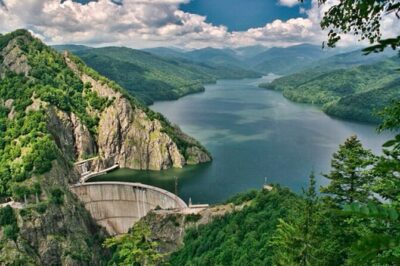
The short stop at Vidraru Dam changes the mood. You get about 15 minutes to see the large hydroelectric dam and its reservoir on the Arges River. It is a brief photo stop, but it gives you a sense of how engineering has altered this mountain valley.
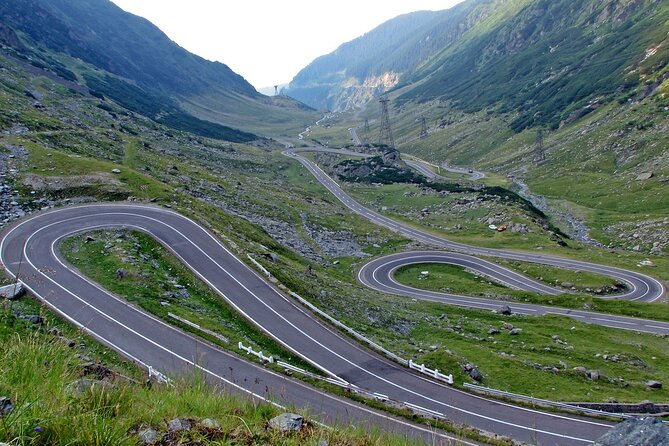
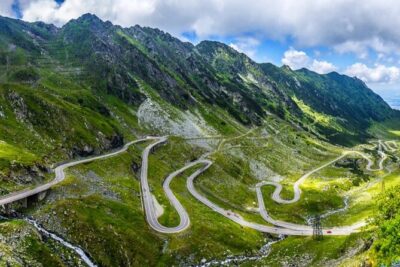
The day’s headline attraction is the Transfagarasan Highway. You have about three hours for this mountain road, with time for the scenery and likely photo stops. The route is famous for its steep curves and high Carpathian views, and it was featured on the television program Top Gear.
The road is the experience here, not simply a way to reach the next town. You will want a camera ready, but do not spend the whole crossing looking through it. Mountain weather and road access can affect how much of the route you see, and the schedule may change if conditions are poor. That flexibility is one of the better reasons to book this privately.
Day two: Sibiu’s square and the castle at Hunedoara
Day two opens in Sibiu’s Big Square, or Piata Mare. The city was European Capital of Culture, and the central area gives you an easy introduction to Transylvania’s urban character.
You have one hour for the square, the Evangelical Cathedral, and the old city center. This is a walking stop rather than a strenuous hike. It also gives the trip a needed change of pace after the first day’s mountain road and fortress stairs.
Sibiu is a good place to pay attention to the details of the built environment. The tour description points you toward the cathedral and old center, but the private guide adds value by explaining the city and region as you move through them. Nicolas is repeatedly praised for interesting facts about Romanian cities, people, and local history, so ask questions if you want more than photographs.
The next major stop is Corvin Castle, also called Hunyadi Castle, in Hunedoara. With its towers, fortified walls, and Gothic appearance, it is one of the most memorable buildings on the route.
The castle has served different purposes since the 15th century and was badly damaged by fire before extensive restoration. Today it operates as a museum. You have about 90 minutes, enough to see the main areas without turning the visit into an all-day study of medieval architecture.
The defense towers are especially useful for photographs. You may find the castle’s restored appearance less atmospheric than the ruined Poienari Fortress, but it offers far more architectural detail. The contrast between the two is part of the pleasure: one is a hard climb to a broken stronghold, while the other lets you walk through a grander, restored complex.
Admission is not included. That applies to several of the principal sights, so do not assume the tour price covers every ticket.
Prislop Monastery follows, with about 45 minutes on site. This is an important Orthodox pilgrimage destination associated with Father Arsenie Boca, a monk and abbot regarded by many as a saint and still pending canonization.
The monastery may feel crowded, particularly because people come to pay respects rather than simply sightsee. Keep your visit respectful, dress appropriately, and understand that this is a working religious place. The stop is free according to the tour details, and its importance is spiritual as much as architectural.
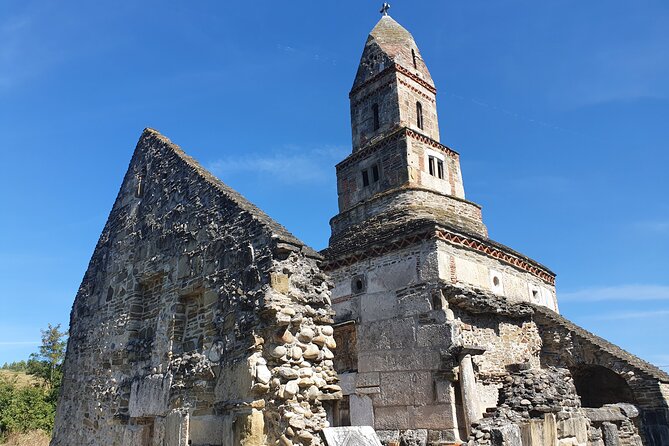
Densus Church is a fascinating contrast. This small Orthodox church is among Romania’s oldest, built over the remains of a building dating to the 4th century and altered over several periods, with final changes in the 13th century.
Inside, you can see mural paintings dating to 1443. The building’s unusual mixture of materials and styles reflects its long development. You are not looking at a polished single-period monument. You are looking at layers of Romanian history in one compact structure.
The visit lasts about 45 minutes, and admission is not included. Because the church is small and the visit is brief, your guide’s explanation can help you understand what you are seeing. This is one of the places where a private guide adds more than transportation alone.
Day three: Alba Iulia and Romania’s highest road
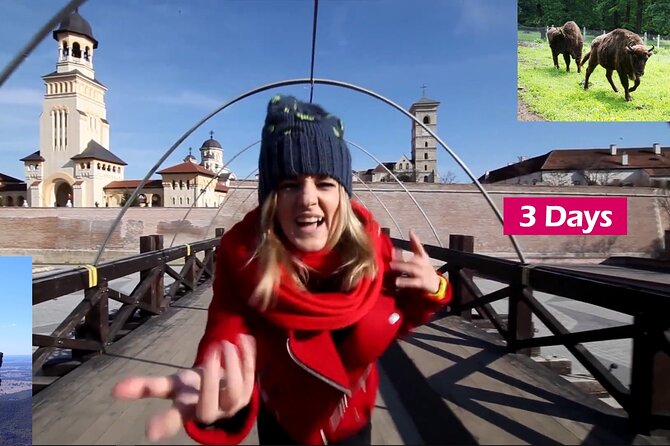
Alba Iulia begins the final day with a two-hour visit to the Alba Carolina Citadel. The fortress follows the Vauban style, with a seven-corner star plan and three lines of fortification.
You can walk through a large and carefully planned defensive complex rather than seeing only a single wall or gate. The architecture makes this one of the most substantial historic stops on the trip, and the two-hour allowance gives you time to appreciate its scale.
Alba Iulia also helps connect the earlier religious and medieval sites with Romania’s later military history. If you enjoy fortifications, this may be one of the tour’s strongest stops. Admission is listed as free, which keeps the extra costs lower here than at several castles and caves.
Then the route heads toward Transalpina, described as Romania’s highest road. Its highest point reaches 2,145 meters. The road is tied to old Roman claims and the nickname The Devil’s Path, linked to shepherds crossing the mountains during seasonal movement with their sheep.
Only two minutes are formally allocated to the stop, so treat this as a viewpoint or photo pause rather than a long walk. The road itself is the attraction. You may get magnificent mountain views and clean high-altitude air, but the short time allowance means you should not expect a full mountain excursion.
As with the Transfagarasan, road conditions matter. The route is high and exposed, and the practical value of a private tour is that your guide can handle the driving while you watch the scenery. Still, ask before booking about the expected road status for your travel dates.
The final two stops bring the trip back toward southern Romania. Polovragi Cave takes about 90 minutes. Only 800 meters of the cave’s galleries are open to the public, even though the full system extends for more than 10 kilometers.
Inside, the cave is warm and humid, with limestone formations and named sections such as the Spring of Hope, Bloody Vault, White Room, Divine Chamber, and Dacian Oven. You may find the cave atmospheric rather than thrilling in a theme-park sense. Wear shoes suitable for a cave visit and expect a change from open mountain views to enclosed passages.
Admission is not included. The time allowance is generous enough for a proper visit, but this is another place where the group’s pace may vary.
Horezu Monastery closes the circuit with a refined example of Romanian Orthodox architecture. The monastery is included on the UNESCO World Heritage list and is associated with Horezu ceramics, a well-known Romanian craft.
You have 45 minutes here. That is enough to view the grounds and church, but not enough for an extended study of the art or surrounding area. The stop works well at the end because it brings together architecture, religion, and local craft after three days of castles and mountain roads.
Same mountains, a completely different day out:
- Bucharest: Dracula’s Castle, Peles Castle, & Brasov Old Town
★ 4.5 · 17,858 reviews - Bucharest: Dracula Castle, Peles Castle & Brasov Old Town
★ 4.6 · 10,891 reviews - Bucharest: Dracula’s Castle, Peleș Castle & Brașov Day Trip
★ 4.5 · 5,919 reviews - Bucharest: Palace of Parliament Tickets and Guide
★ 4.3 · 3,182 reviews
What Nicolas adds as guide and driver
The guide is listed as Nicolas, and past guests also refer to him as Nicu. His role is important because this is not simply a car hire with a route sheet.
He drives, explains the places you see, recommends hotels based on your budget, and handles fuel, parking, and road tolls. He can also help adjust the daily plan after the tour starts. That matters on a route with mountain roads, timed visits, and several sites where you may want either more or less time.
The strongest praise centers on his personal approach. He is described as friendly, well informed, good at explaining facts about cities and people, and able to make the trip feel tailored to the group. One couple specifically appreciated how easily the days could be shaped around their needs. Another account praised the combination of private driver and guide, along with recommendations for good restaurants.
Do not expect a formal lecture at every stop. One group preferred fewer historical facts, while others valued the explanations. Tell Nicolas what style suits you. The private setting makes that conversation easy.
Timing, comfort, and the real cost

Three days is short for this route. The schedule includes several one-hour visits, two mountain roads, a long stair climb, and substantial time in the car. You will see a great deal, but you will not linger everywhere.
The included private car or minibus is a major practical benefit. You travel only with your own friends or family, and wireless internet is provided in the vehicle. Group discounts may be available, though the exact price depends on the booking details.
Your own accommodation is not included. Neither are your meals, drinks, or entrance fees. The operator can recommend hotels according to your budget, but you need to arrange and pay for them. Ask for a clear estimate of entrance costs before departure, especially for Poienari, Corvin Castle, Densus Church, Polovragi Cave, Curtea de Arges, and Horezu Monastery.
Free cancellation is available if you cancel at least 24 hours before the start time. Changes made inside that period are not accepted, and the local time cutoff applies.
Who should book this private tour
I would choose this tour if you want a concentrated first look at Romania and care more about variety than slow travel. It suits couples, families, and small groups who want a private vehicle, an English-speaking guide, and the freedom to alter the pace.
It is especially good for you if mountain roads, castles, Orthodox churches, fortresses, and local history all sound appealing. The route also suits anyone arriving in Bucharest who wants to continue toward Transylvania or join a river cruise afterward.
I would hesitate if you dislike long drives, steep stairs, or tightly packed days. Poienari is physically demanding, and the two famous roads are weather dependent. You should also compare the full cost after adding your hotel, food, drinks, and admission tickets.
Should you book it?
Book this three-day private tour if you want Nicolas or Nicu to handle the driving while you focus on Romania’s mountains, monuments, and stories. The best parts are the private flexibility, the unusual range of stops, and the chance to combine both the Transfagarasan and Transalpina in one trip.
Choose a slower itinerary if you want deep time in Sibiu, Alba Iulia, or the monasteries. Choose this one if your priority is seeing many of Romania’s most distinctive places efficiently, with a guide who can adjust the plan to your group.
FAQ
Where does the tour begin?
The tour is based in Bucharest, Romania, and pickup is offered.
How long does the tour last?
The experience lasts approximately three days.
Is this a private tour?
Yes. Only your own group participates, and transportation is provided by a private car or minibus.
Who guides the tour?
The tour includes a private, licensed English-speaking guide and driver. The guide is identified as Nicolas, also called Nicu.
Are hotels included?
No. Accommodation is not included, but the guide can recommend hotels according to your budget.
Are meals and drinks included?
No. Your meals and beverages are not included. The guide’s accommodation and meals are covered by the tour.
Are admission tickets included?
No. Entrance fees listed for attractions such as Poienari Fortress, Corvin Castle, Densus Church, Polovragi Cave, Curtea de Arges Monastery, and Horezu Monastery are not included.
Is internet available during the drive?
Yes. Complimentary wireless internet access is provided in the vehicle.
Can the itinerary be changed?
Yes. The tour offers flexibility for changes to the daily itinerary, including after the tour has started. Changes made less than 24 hours before the experience start time are not accepted under the cancellation terms.
More 3-Day Experiences in Bucharest
- 3-Day Medieval Transylvania Package Tour
★ 4.7 · 31 reviews - 3-Day Explore Transylvania from Bucharest
★ 5.0 · 17 reviews - 3-Day Tour of Transylvania’s Landmarks from Bucharest
★ 5.0 · 16 reviews - 3-Day Private Tour of Medieval Transylvania from Bucharest
★ 5.0 · 15 reviews
Just added around Bucharest
- Village Museum Bucharest Guided Tour★ 5.0 · 6 reviews
- Bucharest: Dealu Mare Winery Private Trip with Wine Tasting★ 4.9 · 6 reviews
- Winery touring & private wine tasting – one day private tour★ 5.0 · 3 reviews
- Transylvania Tour: Dracula’s Castle, Peles Palace & Brasov★ 5.0 · 19 reviews
- Discover Medieval Transylvania Small Group Tour – 7 days★ 5.0 · 4 reviews
- Bucharest Airport Transfer To Constanta Mamaia★ 5.0 · 3 reviews
- Airport Henri Coanda (Otopeni) to Bucharest – Private Transfer – Driver★ 5.0 · 5 reviews
- Gems of Transilvania: Brasov,Sighisoara,Sibiu,Viscri and more★ 5.0 · 6 reviews
Transfagarasan Road Tours, compared.
Small-group max 7 – Top Gear Road – Transfăgărăşan Highway
Read our review →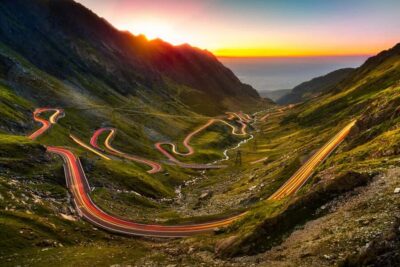
Small group Bears ‘Safari’ on Transfăgărășan -max 7 tourists
Read our review →
Brasov Private Tour: Transfagarasan road & Poienari Fortress
Read our review →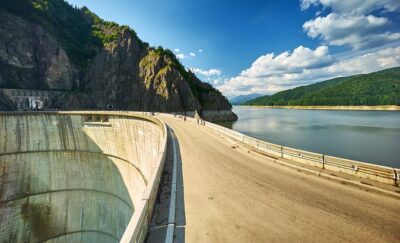
Small group max 7, Transfăgărășan the Top Gear Road
Read our review →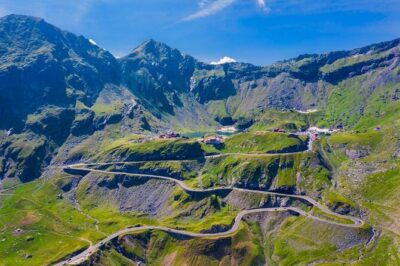
Transfăgărășan Highway & Balea Lake – Private Tour from Bucharest
Read our review →
Transfagarasan Highway, Balea Lake & Carta Monastery
Read our review →Browse the lists this tour appears in