Reviewed · BUCHAREST TOURS
Best of Romania in 10 Days
Romania reveals itself best on the road, and this 10-day trip covers an astonishing sweep of the country. You move from Wallachian monasteries and Carpathian peaks to Transylvanian castles, Bucovina’s painted churches, Saxon villages, and Bucharest’s grand communist-era buildings.
I like the maximum group size of eight, which keeps the experience more personal than a large coach tour. I also like the route itself: the Transfagarasan Highway, Corvin Castle, Turda Salt Mine, Sighisoara, Bran, and Peles give you a strong mix of scenery, history, and local culture. The tradeoff is a busy schedule with many one-hour stops and plenty of time in the vehicle.
- Transfagarasan Highway: Cross the Southern Carpathians by one of Romania’s most dramatic mountain roads.
- Bucovina’s painted monasteries: See Voronet, Moldovita, and Sucevita, including Voronet’s famous blue exterior.
- Turda Salt Mine: Visit an underground attraction with a Ferris wheel, mini-golf course, tennis court, and lake.
- Saxon Transylvania: Walk through Biertan, Viscri, Brasov, and Sighisoara.
- Nine included hotel nights: Centrally located accommodation, breakfast, transport, and entrance fees are included.
- Small-group road travel: A modern vehicle and a maximum of eight people make long distances easier to manage.
In This Review
- A country-sized route in just 10 days
- Day 1: Curtea de Arges and the Transfagarasan road
- Day 2: Castles, a fortress, and Turda underground
- Day 3: Bistrita and the blue of Voronet
- Day 4: Moldovita, Sucevita, and Iasi
- Day 5: Neamt Fortress and Piatra Neamt
- Day 6: Red Lake, pottery, and Saxon villages
- Day 7: Viscri and the streets of Brasov
- Day 8: Bran Castle, Peles Castle, and Bucharest
- Day 9: Communist power and Romanian village life
- Day 10: Airport transfer and practical details
- Who will get the most from this Romania tour?
- Should you book Best of Romania in 10 Days?
- FAQ
- Where does the tour begin?
- How long does the tour last?
- What is the maximum group size?
- Is airport transportation included?
- Is accommodation included?
- Are meals included?
- Is the tour offered in English?
- What entrance fees are included?
- Do I need a certain fitness level?
- Can I cancel for a full refund?
A country-sized route in just 10 days
At $2,907.69 per person, this is not a budget trip. The price is based on two people sharing a double room, and a single-room supplement applies if you want your own room.
Still, the cost includes nine nights of accommodation, nine breakfasts, one dinner, airport transfers, a professional English-speaking guide, modern transportation, and entrance fees. You are also paying for a route that would be difficult to organize efficiently on your own, especially across northern Romania and the Carpathian region.
The value is strongest if you want one organized trip rather than a collection of separate day tours. You will not need to arrange a rental car, map out long mountain drives, or work out how to connect remote monasteries and villages by public transport.
The price is less appealing if you prefer slow mornings, long museum visits, or several nights in one city. This is a sightseeing circuit, not a relaxed hotel-based holiday. You cover a great deal of ground, and some days begin early or end after a long drive.
The group limit matters here. With no more than eight people, you should have less waiting around than on a large coach, and the guide can explain local details while you travel. Emil is specifically identified as a guide who brings together Romanian history, local traditions, jokes, and safe driving, a useful combination on a route with many hours behind the wheel.
Day 1: Curtea de Arges and the Transfagarasan road
The tour begins with pickup from your Bucharest hotel at 9:00 a.m. The first stop is Curtea de Arges, the former capital of Wallachia and home to a monastery built between 1512 and 1517.
The monastery is tied to the Romanian legend of Manole, which centers on the idea that lasting creation demands sacrifice. You will also see why the building matters beyond the legend: it is a major historic monument and the burial place of several members of Romania’s royal family.
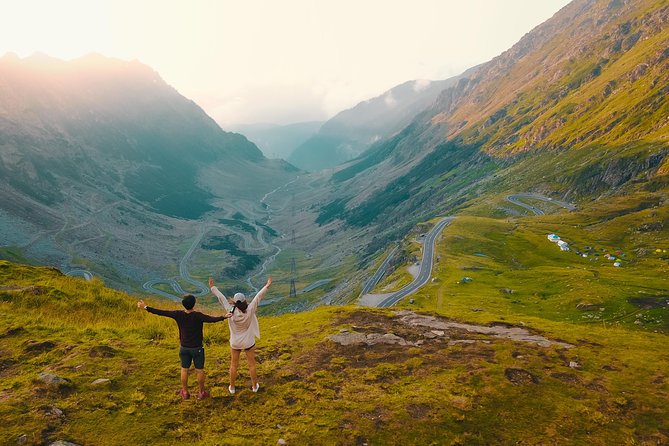
From there, the route climbs toward the Transfagarasan Highway, crossing the Southern Carpathians through the Fagaras Mountains. The road reaches 2,042 meters, so the appeal is as much the mountain views as the drive itself.
The schedule allows about an hour at each listed stop. That is enough for photos and a focused visit, but not for a long mountain walk. Conditions on the highway can affect the experience, and this is one part of the trip where the weather and road status matter greatly.
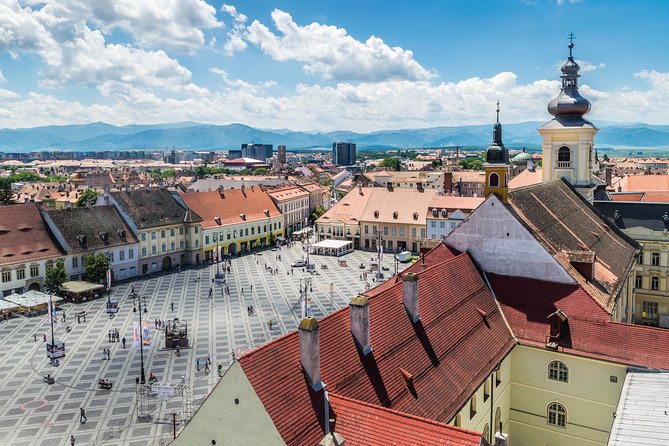
The day ends in Sibiu, a medieval city with more than 900 years of history. A walking tour takes you through the historic center and Big Square, known locally as Piata Mare. Sibiu is especially appealing if your trip lines up with its summer International Theatre Festival or winter Christmas Market, though the tour schedule may not allow much free time beyond the planned walk.
Other Bucharest days worth putting on the list:
- Bucharest: Dracula’s Castle, Peles Castle, & Brasov Old Town
★ 4.5 · 17,858 reviews - Bucharest: Dracula Castle, Peles Castle & Brasov Old Town
★ 4.6 · 10,891 reviews - Bucharest: Dracula’s Castle, Peleș Castle & Brașov Day Trip
★ 4.5 · 5,919 reviews
Day 2: Castles, a fortress, and Turda underground
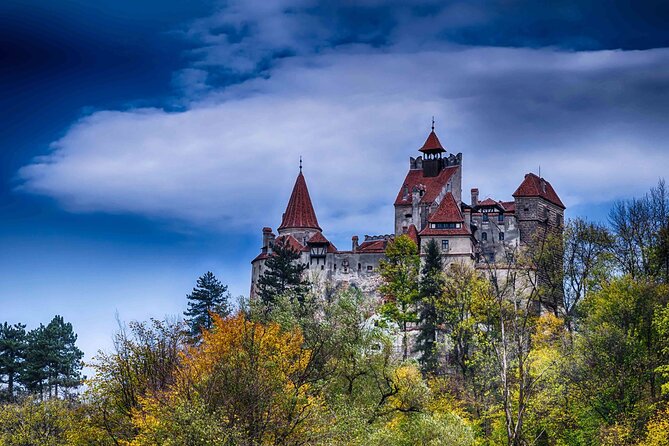
Day two starts early with Corvin Castle in Hunedoara. Also called Hunyad Castle, it is one of Romania’s largest castles and is linked to John Hunyadi. Its towers, courtyards, and medieval character make it one of the strongest castle visits on the route.
Next comes Alba Iulia and the Alba Carolina Fortress. Built between 1715 and 1738 in the Vauban style, the fortress is connected with the union of Transylvania and Romania, one of the major events in the country’s past. The scale of the fortifications also gives you a clear sense of how military planning shaped European towns.
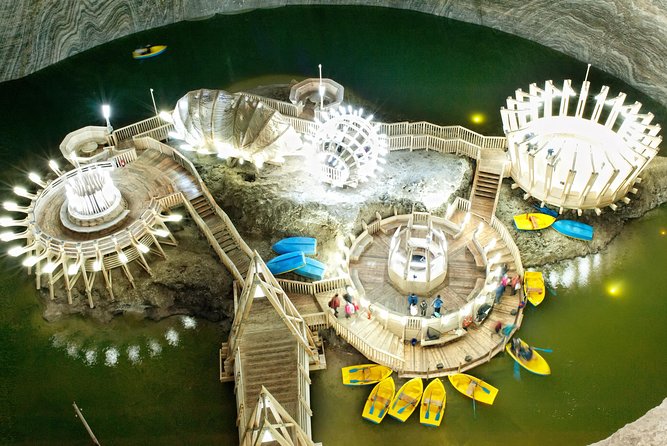
The unusual stop is Turda Salt Mine. Thirteen underground levels hold a large attraction area with a Ferris wheel, mini-golf course, tennis court, and lake. It is an unexpected change of pace after castles and fortresses, though the one-hour visit means you will see only part of what the mine offers.
You finish in Cluj-Napoca, one of Romania’s largest student centers. A walk through the old center is followed by free time near the hotel for cafes and bohemian restaurants. This is a useful evening break because the first two days are packed with major sights.
Day 3: Bistrita and the blue of Voronet
The road turns toward Bucovina, with a stop in Bistrita at the foothills of the Bargau Mountains. The town is associated with Bram Stoker’s character Jonathan Harker, who stayed there before meeting Count Dracula in the novel.
The visit includes a short sightseeing walk and time to taste products from a local bakery. That small food stop helps break up the drive and gives you something more connected to daily life than another formal monument.
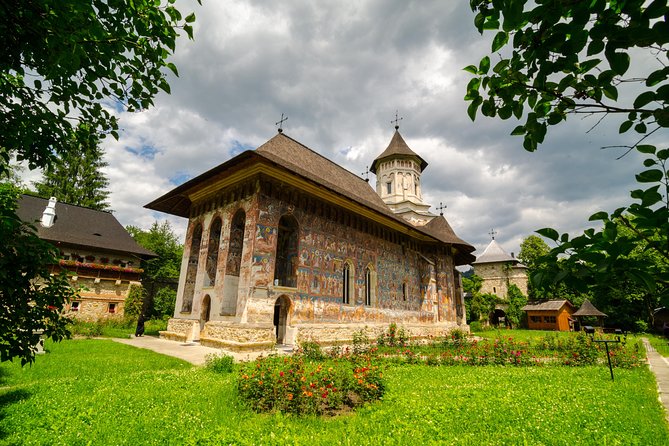
The main destination is Voronet Monastery, one of Bucovina’s eight UNESCO Painted Monasteries. Built in 1488, it is famous for its distinctive blue color, often called the Blue of Voronet.
These churches are important not only as religious buildings but also for their exterior paintings. The artwork gives biblical scenes a public, storybook quality, since the walls carried religious teaching beyond the people who could read.
You spend the night in Bucovina and have a traditional Romanian dinner included. Since most other meals are not covered, this dinner is a welcome chance to sample local food without adding another restaurant decision to a long day.
Day 4: Moldovita, Sucevita, and Iasi
The next morning brings two more painted monasteries. Moldovita was built between 1532 and 1537 and joined the UNESCO World Heritage list in 1993. Sucevita dates from 1585 and is linked to a local story about a woman who transported construction materials by ox cart as an act of repentance.
The stops are similar in format, with about an hour at each. That is enough to look closely at the buildings and hear the main stories, but you should not expect extended time for quiet reflection or detailed study of every painted scene.
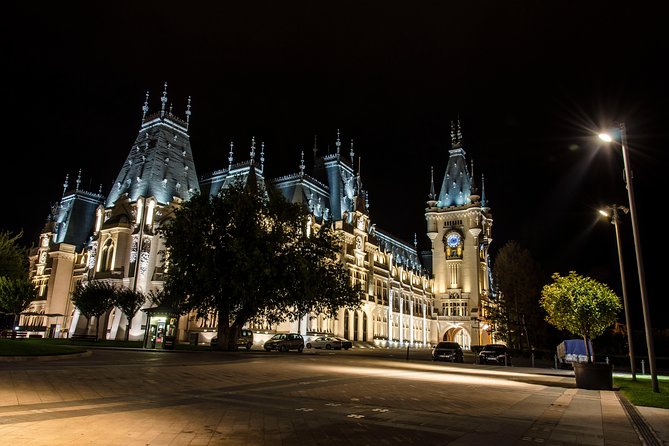
In the evening, you reach Iasi, Romania’s second-largest city and a birthplace of many Romanian cultural figures. The short city tour gives you an introduction to its historic center before hotel check-in.
Iasi is an important stop because it prevents the route from becoming only a parade of rural churches. You get a taste of a major eastern Romanian city, although the itinerary gives you less time here than the city deserves if you enjoy urban history and museums.
Same mountains, a completely different day out:
- Bucharest: Palace of Parliament Tickets and Guide
★ 4.3 · 3,182 reviews - Bucharest: Day Trip to Dracula Castle, Peles Castle & Brașov
★ 4.4 · 3,049 reviews - Bucharest to Dracula Castle, Peles Castle and Brasov Guided Tour
★ 4.5 · 2,933 reviews - Bucharest: Palace of Parliament Tickets and Guided Tour
★ 4.4 · 1,877 reviews
Day 5: Neamt Fortress and Piatra Neamt
From Iasi, the route continues to Targu Neamt and Neamt Citadel. The fortress was built during the reign of Peter I, from 1375 to 1391, and offers another look at Romania’s medieval defensive past.
The day then moves toward Piatra Neamt, where a cable car ride is planned before hotel check-in. The cable car is listed as included in the route, with no admission charge shown.
Compared with the previous days, this is a lighter sightseeing day. That is useful after several long drives, though the schedule still depends on road time. Piatra Neamt also acts as a transition point before the dramatic Bicaz Gorges and the return toward Transylvania.
Day 6: Red Lake, pottery, and Saxon villages
Day six opens with the Bicaz Gorges and Red Lake. Red Lake formed in 1837 after storms caused part of Mount Ucigasu to collapse and block streams. Deposits with a reddish color gave the lake its name.
This is one of the route’s better natural stops, especially if you enjoy unusual geology. The listed visit is about an hour, so expect a scenic pause rather than a full outdoor excursion.
In Corund, you will see a pottery center where local craftspeople also work in wood and trade goods. The clay comes from a nearby stream. This stop adds a human scale to the itinerary, showing a working craft tradition rather than only famous monuments.
The afternoon reaches Biertan, one of Transylvania’s villages with fortified churches. Saxon colonists settled here in the 13th century, and the area developed around farming and winemaking. The fortified church reflects a time when religious and defensive needs shared the same building complex.
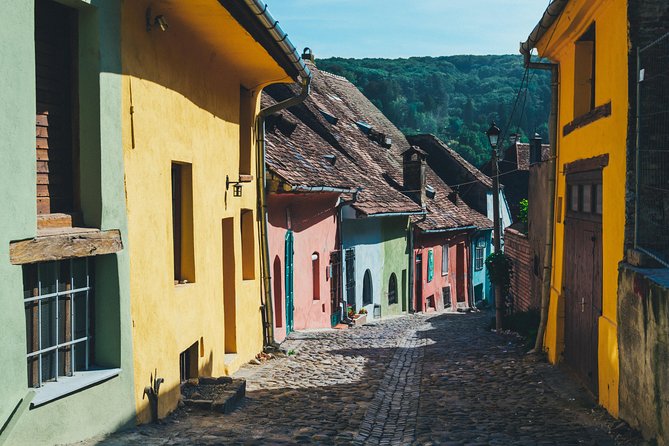
The day ends in Sighisoara, a UNESCO-listed citadel founded by Saxon colonists in the 12th century. It is known as Europe’s last inhabited citadel. With only about an hour scheduled, you will get a useful introduction, but you may wish you had more time for the streets, towers, and old houses.
Day 7: Viscri and the streets of Brasov
Viscri gives you a closer look at village traditions. The village became associated with Prince Charles, who admired its simple character and the way local customs were preserved.
The visit includes time with local women known for their cooking and a stop at Viscri’s fortified church. This is one of the more personal parts of the route because it connects architecture with food and village life.
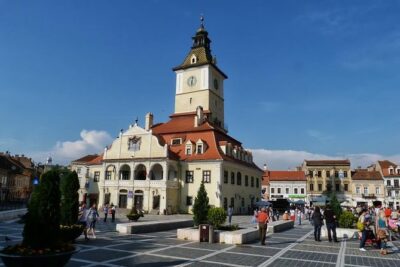
You then continue to Brasov, one of central Romania’s most attractive cities. A short walk through the historic center introduces the city before the next day’s castle visits.
Brasov is a good place to have a little breathing room, but the itinerary does not promise a full free day. If you want extensive shopping, museum time, or a long evening meal, check how much unscheduled time your departure date allows.
Day 8: Bran Castle, Peles Castle, and Bucharest
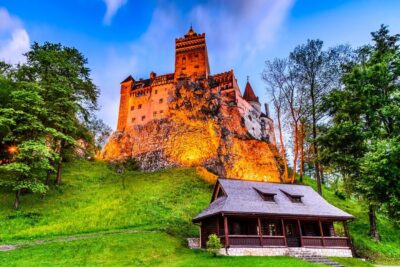
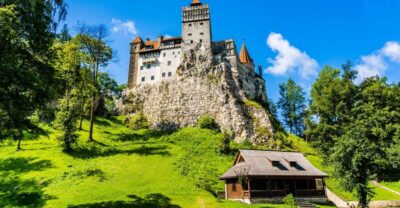
Bran Castle is about 30 minutes from Brasov. The building is famous as Dracula’s Castle, though the connection comes mainly from Bram Stoker’s novel and later popular culture.
The visit also covers Vlad the Impaler and the link between Vlad Tepes and Stoker’s Dracula. That framing is useful because it separates the historical figure from the fictional count. You get the legend, but also a chance to understand where fact ends and storytelling begins.
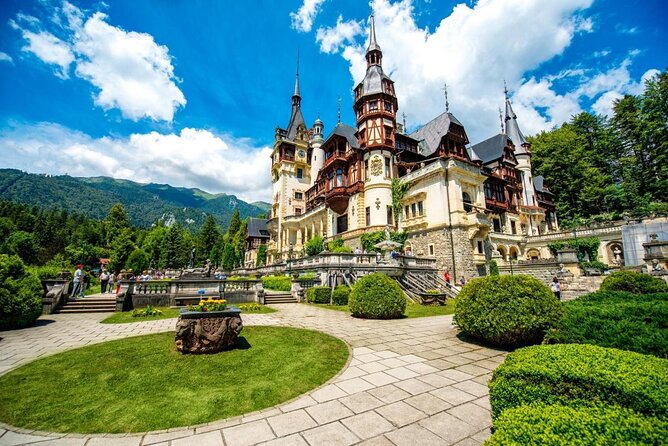
The route then continues to Sinaia and Peles Castle. Peles was the first fully electrified castle in Europe and contains 160 rooms and more than 30 bathrooms in its final form. It also holds collections of paintings and more than 4,000 European and Oriental weapons.
Bran and Peles offer very different experiences. Bran is the atmospheric, heavily marketed Dracula stop. Peles is more polished and royal, with elaborate interiors and a strong connection to Romania’s monarchy.
You return to Bucharest at night. This is a long day, and the schedule leaves limited room for lingering. If castles are your priority, the pace gives you two major examples in one day. If you dislike rushed visits, this will be one of the tour’s more demanding stretches.
Day 9: Communist power and Romanian village life
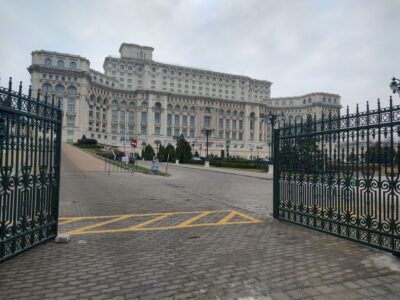
The final full sightseeing day focuses on Bucharest. The first major stop is the Palace of the Parliament, also called the People’s House.
The building was part of Nicolae Ceausescu’s communist-era redevelopment project. It was designed to house state institutions and to function as a secure structure capable of withstanding earthquakes and nuclear attacks. Its scale is difficult to grasp from photographs, and the visit gives useful context for understanding Romania’s recent past.
Afterward, you have free time for lunch in Bucharest’s Old Town. This is the best point in the itinerary for choosing your own meal, since most food beyond breakfast and the listed dinner is not included.
The final stop is the Bucharest Village Museum, opened in 1936. Spread over 14 hectares, it includes 380 monuments, 60,000 traditional objects, and more than 250,000 archived documents related to Romanian life.
The museum works as a counterpoint to the Palace of the Parliament. One represents centralized communist power and monumental construction. The other preserves homes, tools, and buildings from rural communities across the country.
Day 10: Airport transfer and practical details
On the last day, you are transferred to Bucharest Otopeni Airport according to your flight schedule. Airport pickup and drop-off are included, which is helpful after a multi-city route with several hotel changes.
Nine nights of centrally located hotels and nine breakfasts are included. Airline tickets, travel insurance, alcohol, photography fees, room service, personal calls, souvenirs, and other personal purchases are not included.
The tour requires a moderate level of physical fitness. You should be ready for walking tours, castle and fortress visits, underground spaces, uneven historic areas, and long days in the vehicle.
Departures are guaranteed with at least two confirmed people on the selected date. The maximum group size is eight. If age differences or varying activity levels are a concern, the operator suggests considering a private tour.
Free cancellation is available up to 24 hours before the start time for a full refund. Changes or cancellations made inside that 24-hour window are not accepted.
Who will get the most from this Romania tour?
I would choose this trip if you have 10 days and want to see Romania as a whole rather than settle into one region. It suits first-time visitors who want castles, monasteries, cities, mountain roads, village traditions, and communist-era history in one organized route.
It is also a strong choice if you do not want to drive. Romania’s most interesting places are spread across the country, and the included modern vehicle removes the need to plan difficult connections.
The tour is less suitable if you want nightlife, long museum visits, or several free afternoons. The schedule is designed to show you many places, not to give each one a deep, unhurried visit.
I would also look closely at the season. The Transfagarasan Highway is a high mountain road, and access or conditions can affect that part of the route. Ask for current details if this road is one of your main reasons for booking.
Should you book Best of Romania in 10 Days?
Book it if your priority is coverage, convenience, and a small group. The route includes many of Romania’s signature sights, from Voronet’s blue monastery and Turda’s underground mine to Sighisoara, Bran, Peles, and Bucharest’s Village Museum.
The strongest reasons to go are the country-spanning route, included transport and admissions, and the chance to travel with no more than eight people. Emil’s blend of history, local customs, humor, and careful driving is another meaningful plus if he is assigned to your departure.
Skip it if you want a slow trip or think $2,907.69 is too much for a schedule with many short stops. For the right kind of visitor, though, this is an efficient first look at Romania, with enough variety to help you decide where to return for a longer stay.
FAQ
Where does the tour begin?
The tour begins with pickup from any hotel in Bucharest. The stated start time is 9:00 a.m.
How long does the tour last?
The experience lasts approximately 10 days and includes nine nights of accommodation.
What is the maximum group size?
The tour has a maximum of eight travelers.
Is airport transportation included?
Yes. Airport pickup and drop-off are included. On the final day, transfer to Bucharest Otopeni Airport is arranged according to your flight schedule.
Is accommodation included?
Yes. Nine nights in centrally located hotels are included. The price is based on two people sharing a double room, and a single-room supplement applies if you want a room alone.
Are meals included?
Nine breakfasts and one dinner are included. Other meals, alcoholic drinks, and personal beverages are not included.
Is the tour offered in English?
Yes. A professional English-speaking guide is included.
What entrance fees are included?
Entrance fees for the listed attractions are included. The cable car ride in Piatra Neamt is also listed, with no admission fee shown.
Do I need a certain fitness level?
You should have a moderate level of physical fitness. The route includes walking tours and visits to castles, fortresses, monasteries, historic centers, and an underground salt mine.
Can I cancel for a full refund?
Yes. You can cancel at least 24 hours before the experience begins for a full refund. Cancellations or changes made less than 24 hours before the start time are not accepted.
Just added around Bucharest
- Village Museum Bucharest Guided Tour★ 5.0 · 6 reviews
- Bucharest: Dealu Mare Winery Private Trip with Wine Tasting★ 4.9 · 6 reviews
- Winery touring & private wine tasting – one day private tour★ 5.0 · 3 reviews
- Transylvania Tour: Dracula’s Castle, Peles Palace & Brasov★ 5.0 · 19 reviews
- Discover Medieval Transylvania Small Group Tour – 7 days★ 5.0 · 4 reviews
- Bucharest Airport Transfer To Constanta Mamaia★ 5.0 · 3 reviews
- Airport Henri Coanda (Otopeni) to Bucharest – Private Transfer – Driver★ 5.0 · 5 reviews
- Gems of Transilvania: Brasov,Sighisoara,Sibiu,Viscri and more★ 5.0 · 6 reviews
Bucharest Tours, compared.
Dracula’s Castle, Peles Castle, & Brasov Old Town
Read our review →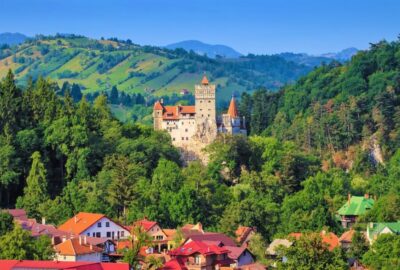
Dracula Castle, Peles Castle & Brasov Old Town
Read our review →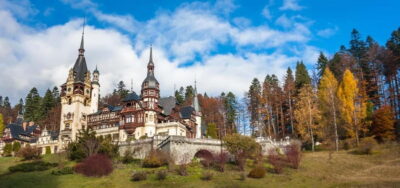
Dracula’s Castle, Peleș Castle & Brașov Day Trip
Read our review →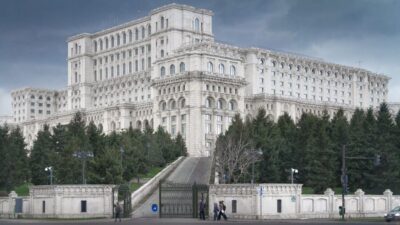
Day Trip to Dracula Castle, Peles Castle & Brașov
Read our review →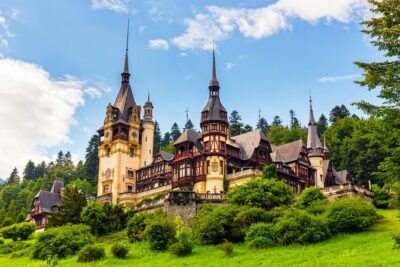
Bucharest to Dracula Castle, Peles Castle and Brasov Guided Tour
Read our review →