Reviewed · BUCHAREST TOURS
Bucharest: The Italian emigration in Romania
Bucharest’s Italian story is easy to miss beneath its grand avenues and complicated past. This two-hour walk brings it into focus, linking Italian immigration from the late 18th and early 19th centuries with landmarks along Victory Road, Bucharest’s best-known avenue.
I like the route for two clear reasons: you get a useful introduction to several major sights without spending a full day on foot, and the subject gives familiar buildings a fresh angle. The Palace of Justice, CEC Palace, Italian Church, and Athenaeum become part of a wider story about how newcomers helped shape the capital.
The main caution is practical: the meeting office can be difficult to spot, and one booking failed when nobody was there. Confirm the meeting details before setting out, and arrive at the stated point in Piata Natiunile Unite, about 100 meters from the office.
In This Review
- Key points to know before booking
- Why Bucharest’s Italian story makes this walk different
- Starting at Piata Natiunile Unite and the Dambovita River
- Palace of Justice: a grand first landmark
- Victory Road and the National History Museum
- CEC Palace and the old Senate house
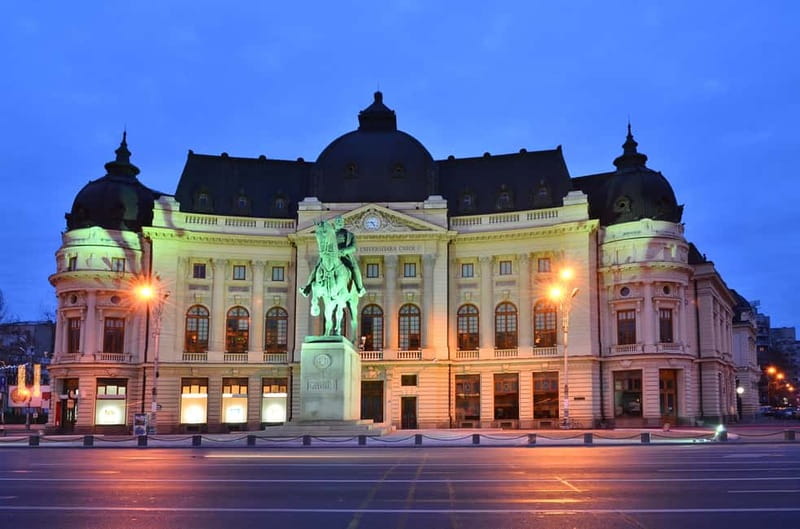
- Revolution Square and the Athenaeum
- The Italian Church and the final walk into Old Town
- How the guide can shape the experience
- Price, timing, and who gets the best value
- Small details that will make the walk easier
- Should you book the Italian immigration walk?
- FAQ
- How long does the tour last?
- What language is the tour conducted in?
- Where does the tour begin?
- Which landmarks are included?
- Is the tour suitable for people over 95?
- Can I cancel the booking?
Key points to know before booking
- Italian-language focus: The entire tour is listed with an Italian-speaking live guide, making it especially useful for Italian-speaking visitors.
- Two-hour central route: You walk from Piata Natiunile Unite along Victory Road and finish in Bucharest’s Old Town.
- Major landmarks included: The route passes the Palace of Justice, National History Museum, CEC Palace, Revolution Square, Athenaeum, and Italian Church.
- Strong personal guiding potential: Daniel is named as a friendly, punctual guide who answered questions and adapted the walk to requested stops.
- Small but important meeting detail: The office is on Bulevardul Natiunile Unite 4, but the group meets in Piata Natiunile Unite, roughly 100 meters away.
- Price and flexibility: At $34 per person, the value depends on your interest in the Italian connection and on receiving a well-organized, personal explanation.
Why Bucharest’s Italian story makes this walk different
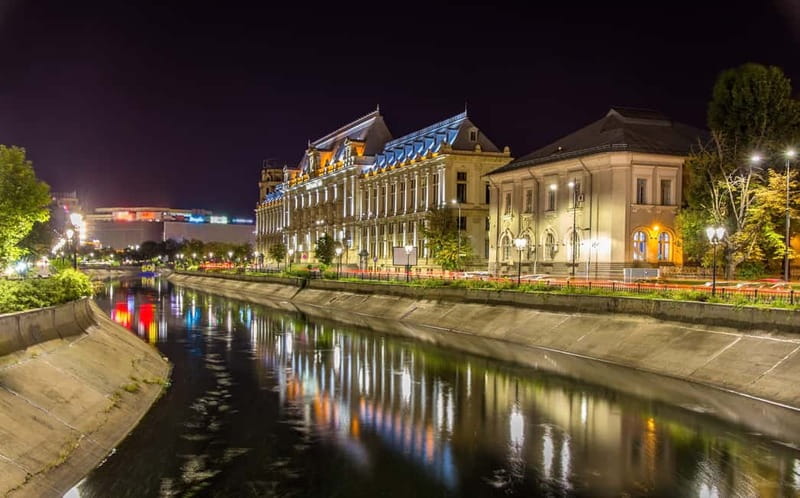
Most first walks through Bucharest focus on communist-era buildings, royal landmarks, or the city’s Old Town. This route takes a narrower path. It looks at Italian immigration during the late 18th and early 19th centuries and asks how that movement affected Bucharest and Romania.
That focus matters because the city’s Italian links are not confined to one museum or monument. They appear in the buildings, institutions, and religious sites along the route. You are not simply checking off famous addresses. You are following a theme through the center of town.
I like this kind of tour when a city has a complicated past. Bucharest has changed sharply over time, and the walk connects those changes to a group of immigrants who contributed to the city’s development. The result should feel more specific than a standard sightseeing circuit, while still giving you a look at the capital’s main central sights.
The guide’s language is Italian, so you should choose this experience only if you are comfortable following a walking explanation in Italian. The supplied information does not list other languages. Daniel is identified as one guide who has led the experience, but your guide may be someone else.
Other Bucharest days worth putting on the list:
- Bucharest: Dracula’s Castle, Peles Castle, & Brasov Old Town
★ 4.5 · 17,858 reviews - Bucharest: Dracula Castle, Peles Castle & Brasov Old Town
★ 4.6 · 10,891 reviews - Bucharest: Dracula’s Castle, Peleș Castle & Brașov Day Trip
★ 4.5 · 5,919 reviews
Starting at Piata Natiunile Unite and the Dambovita River
The official starting point is near Piata Natiunile Unite. You are told to meet the guide at the Transylvanian Wonders office at Bulevardul Natiunile Unite 4, Bloc 107/A, while the practical meeting instruction places the group in Piata Natiunile Unite, about 100 meters from the office.
That distinction is worth taking seriously. One poor experience involved a visitor who could not find the office, reported no signs, and found nobody there. I would arrive early, keep the office address and square name visible on your phone, and confirm where the guide will be standing. This is the one part of the experience that needs extra care.
From the square, the route crosses the Dambovita River. The river gives the walk a natural opening, moving you from the meeting area into central Bucharest and toward the city’s grandest avenue. You do not need transport between stops, which keeps the outing simple and lets the guide set the pace.
Wear comfortable shoes. The tour lasts two hours, and the route links several locations on foot. Weather-appropriate clothing is also important because the experience is outdoors and the provided information does not indicate any indoor replacement plan.
Palace of Justice: a grand first landmark
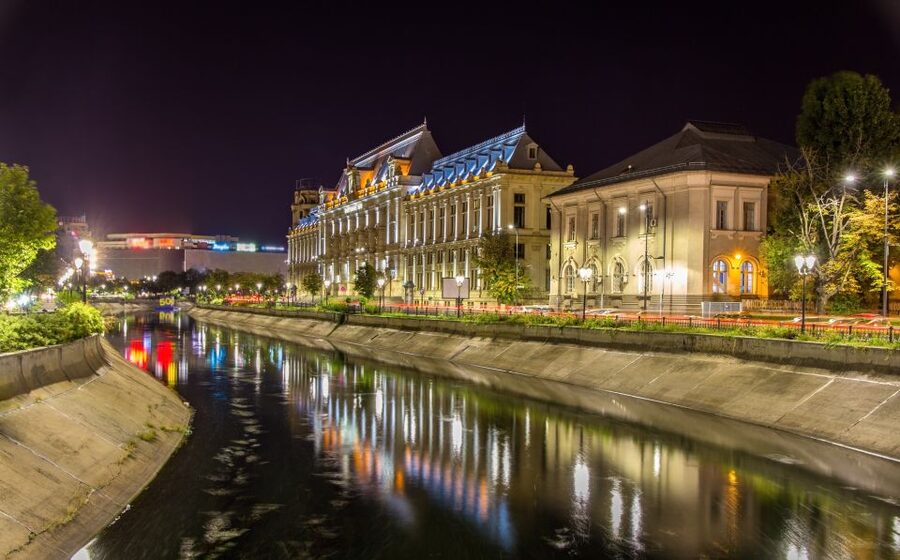
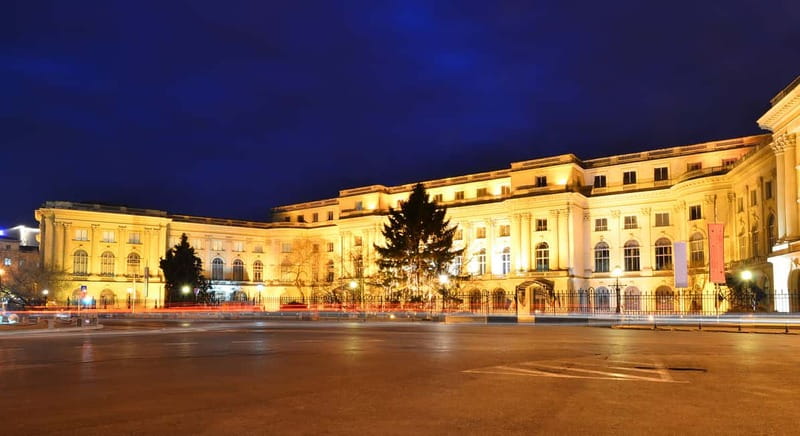
The Palace of Justice sits on the banks of the Dambovita and is one of the first major sights on the route. Its position beside the river gives you a strong visual start, with the building helping mark the transition from the square into the historic center.
This stop works well because it combines architecture, civic power, and location. You can look at the building itself while hearing how Italian immigration fits into Bucharest’s wider development. The tour is not presented as a simple architecture walk, so expect the guide to use the building as part of the larger Italian connection rather than treat it as an isolated monument.
I appreciate that the first major stop is not tucked away on a side street. A prominent building helps you get your bearings quickly. If you have only a short time in Bucharest, this section also gives you a useful central reference point for later exploring.
Victory Road and the National History Museum
After crossing the river, the walk enters the world of Victory Road. The avenue is presented as Bucharest’s most famous street, and much of the experience unfolds here. You will follow the route through the traces of Italian immigration, with the guide explaining the influence Italians had on the city.
The National History Museum is one of the listed stops. The available details do not specify a museum visit or an included admission, so plan to see it from the route rather than expect an indoor tour. That is an important difference for anyone hoping to spend time inside the building.
The value here is the connection between individual places. You may already recognize the museum from a general Bucharest guidebook, but the Italian theme gives the stop a different purpose. Instead of only asking what the building is, you can ask how people, institutions, and architectural influences helped shape the capital.
This is also where your questions can make the experience better. Daniel was praised for answering questions, explaining both the stops and the city more broadly, and accommodating specific requests for additional stops. That suggests the walk can work well for people who prefer conversation over a fixed speech, although special requests should be discussed with the guide rather than assumed.
Same mountains, a completely different day out:
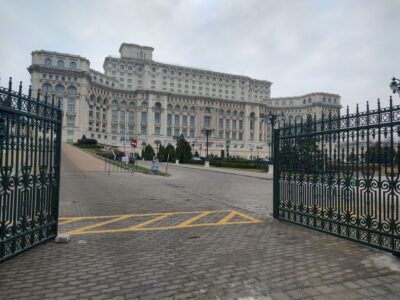
- Bucharest: Palace of Parliament Tickets and Guide
★ 4.3 · 3,182 reviews - Bucharest: Day Trip to Dracula Castle, Peles Castle & Brașov
★ 4.4 · 3,049 reviews - Bucharest to Dracula Castle, Peles Castle and Brasov Guided Tour
★ 4.5 · 2,933 reviews - Bucharest: Palace of Parliament Tickets and Guided Tour
★ 4.4 · 1,877 reviews
CEC Palace and the old Senate house
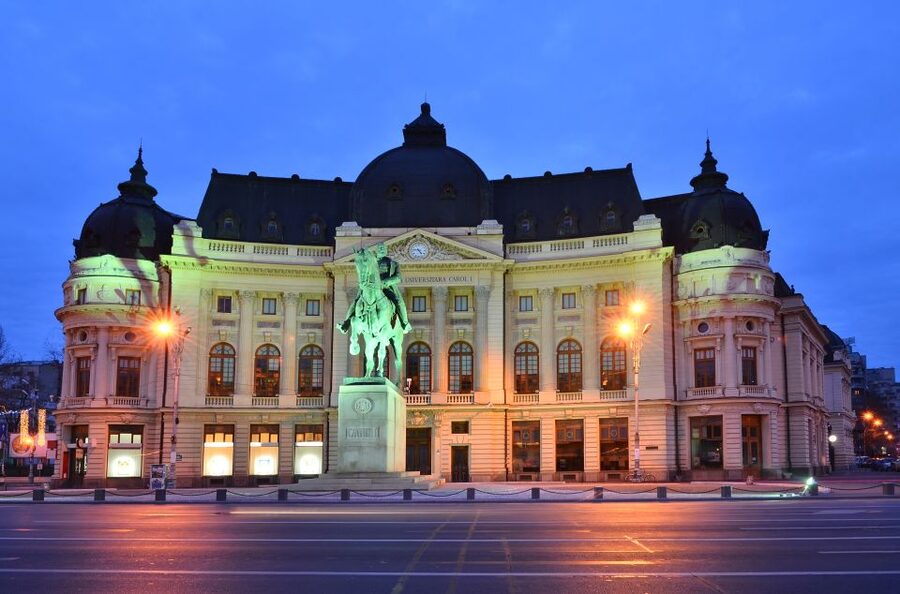
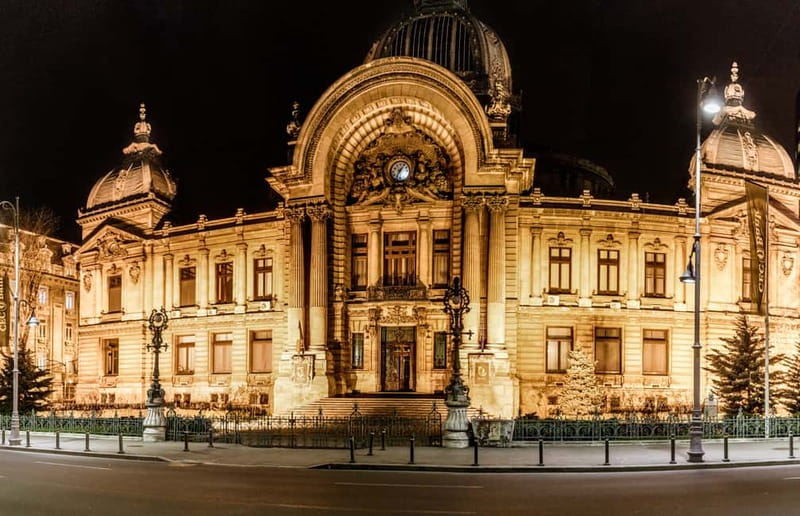
The CEC bank building, also called CEC Palace, is another important sight along Victory Road. Its ornate appearance gives the guide a natural chance to discuss the city’s changing public face and the outside influences that helped shape it.
You will also admire the old Senate house. The route does not promise entry into either building, so think of these as exterior stops with commentary. That is perfectly reasonable for a two-hour walk. Going inside every major building would leave little time for the wider story, and the point of this experience is the walk between landmarks.
I like this part of the route because the buildings are close enough to create a steady rhythm. You see one civic structure, hear its place in the city’s story, then move on to another. The walk should feel focused rather than overloaded with distant side trips.
At $34 per person, these stops help the price make sense if you want context, not just photographs. You are paying for a live guide and a themed explanation across several central landmarks. If you only want to see the exteriors and do not care about the Italian connection, you may find a self-guided walk better value.
Revolution Square and the Athenaeum
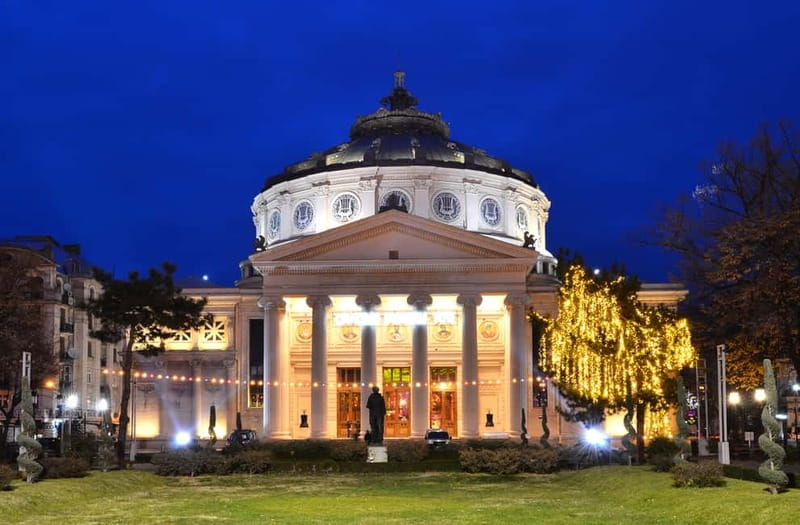
The route continues to Revolution Square and the Athenaeum, two of the most important central locations named in the experience. Revolution Square adds political weight to the walk, while the Athenaeum brings another major cultural landmark into view.
The supplied details do not give a full explanation of each building or promise entry. Your experience will depend on how the guide connects the sights to Italian immigration and to Bucharest’s wider story. I would use this stretch to ask for clarification about the Italian contribution to each location, rather than assuming every stop has a direct Italian connection.
The pairing of Revolution Square and the Athenaeum is useful because it broadens the tour beyond one building type. You move from public power to cultural life, seeing how the city’s identity developed across different parts of society. The Italian story becomes a thread running through Bucharest rather than a single isolated event.
A two-hour limit also keeps the route manageable. You get a concentrated look at central Bucharest without committing to a half-day program. I would not book it expecting a slow, detailed visit inside each landmark. I would book it for a clear thematic walk with several memorable exterior stops.
The Italian Church and the final walk into Old Town
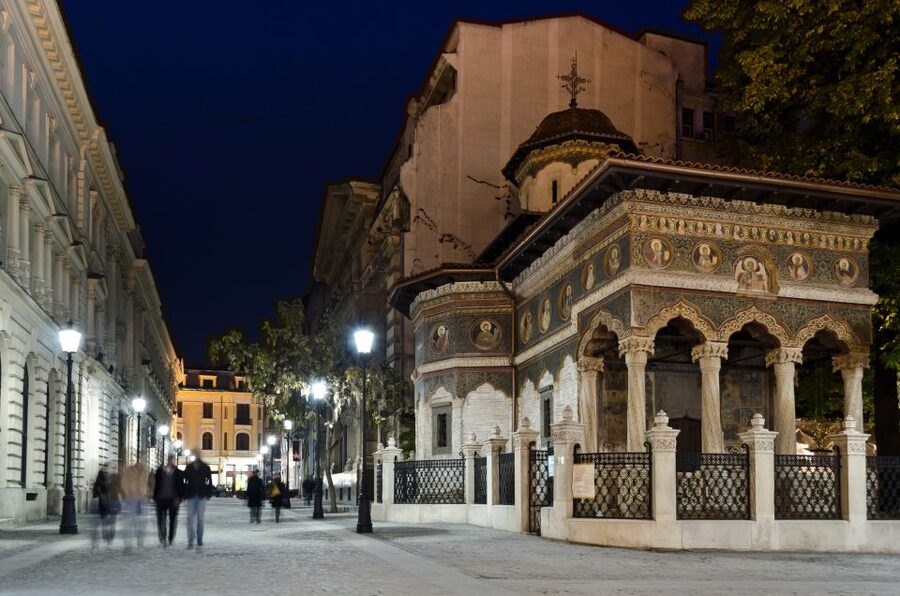
The Italian Church is perhaps the most direct expression of the tour’s subject. After seeing Italian connections reflected through public buildings and the city’s main avenue, this stop gives the story a more personal and community-based focus.
The available information does not describe the church interior, opening hours, or an included visit. You should therefore expect the guide to explain its role from the outside unless your guide confirms otherwise. Even without entry, the church helps make the immigration story tangible. It points to the people who settled, worshipped, worked, and helped shape Bucharest over time.
The walk ends in Bucharest’s Old Town after a short recap of the importance of Italian immigration in Bucharest and Romania. This is a sensible finish. Old Town gives you a lively place to continue your day, and the recap helps pull the route’s separate buildings into one idea.
Because the activity ends back at the meeting point according to the tour details, clarify the final location before you begin. The description also says the tour ends in Old Town, while the meeting information says the activity ends back at the meeting point. Those details do not fully match, so ask the guide where you will finish. Do not assume you will be returned to the starting office.
How the guide can shape the experience
A good city walk depends heavily on the person leading it. The strongest information available here points to Daniel, who was described as punctual, friendly, humorous, and willing to adjust the route for requested stops. He also arranged to begin from a hotel for one booking, which shows a useful level of flexibility in that particular case.
You should not assume that every departure includes hotel pickup or that Daniel will lead your tour. The stated meeting point remains Piata Natiunile Unite, and the listed language is Italian. Still, the example gives you a practical question to ask before booking: can the guide accommodate a specific stop or meeting adjustment?
The Italian-language format may be a major advantage for the right person. A guide explaining complex historical links in your strongest language can make a short tour feel much more useful. If you are not comfortable with Italian, however, the experience may be frustrating, since no alternative language is listed.
I would also treat the guide as a resource for questions. Ask about the Italian influence on individual buildings, the reasons immigrants came to Bucharest, and how their work affected the city. The route is strongest when it becomes a conversation rather than a string of dates and names.
Price, timing, and who gets the best value
The price is $34 per person for two hours. That is not the cheapest way to see Bucharest’s central streets, but it is a reasonable price if you value a live, Italian-language guide and a focused subject.
The cost makes the most sense for:
- Italian-speaking visitors interested in migration and cultural exchange
- First-time visitors who want a guided orientation of central Bucharest
- People who prefer a short walk before a longer day of independent sightseeing
- Repeat visitors looking for a new angle on familiar landmarks
- Anyone who enjoys asking questions and requesting a few specific stops
You may find the price harder to justify if you want museum entry, a long architectural lecture, or a broad tour of all Bucharest. The experience is only two hours, and the included service is the professional local guide. Admissions, food, and transportation are not listed as included.
The booking terms are helpful for uncertain plans. You can cancel up to 24 hours in advance for a full refund, and you can reserve now and pay later. The activity is not suitable for people over 95 years old. Those details are easy to overlook, but they matter when you are arranging a tight city schedule.
Small details that will make the walk easier
Meet in Piata Natiunile Unite, about 100 meters from the Transylvanian Wonders office. Bring comfortable shoes and clothing suited to the weather.
Alcohol and drugs are not allowed, and audio recording is prohibited. Bare feet are also not allowed, which is hardly a difficult rule to follow on a city walk.
I would save both the office address and the square name before leaving your hotel. The lack of clear signage caused a serious problem for one booking, so this is not the place to arrive at the last minute and hope the meeting point reveals itself.
Give yourself enough time to cross the square and locate the guide. If you have a phone number or booking message, keep it available. The tour can be very worthwhile, but only if the start is handled clearly.
Should you book the Italian immigration walk?
Book this tour if you want a short, Italian-language introduction to Bucharest with a clear historical theme. The route covers several important central sights, and Daniel’s reported guiding style suggests the experience can be personal, flexible, and enjoyable when the organization is working well.
I would skip it if you need English, want to enter the buildings, or prefer a broad tour covering every major period of Romanian history. The narrow focus is the point, not a weakness, but it will not suit every visitor.
My practical advice is to confirm the exact meeting spot, final location, guide language, and any requested stops before booking. If those details are clear, $34 buys a compact walk that gives Bucharest’s famous avenue a less obvious and more human story.
FAQ
How long does the tour last?
The walking tour lasts two hours.
What language is the tour conducted in?
The tour has a live guide in Italian. No other language is listed.
Where does the tour begin?
You should meet at Piata Natiunile Unite, about 100 meters from the Transylvanian Wonders office at Bulevardul Natiunile Unite 4, Bloc 107/A.
Which landmarks are included?
The route includes the Palace of Justice, Dambovita River, National History Museum, CEC Palace, Revolution Square, the old Senate house, Athenaeum, Italian Church, Victory Road, and Bucharest’s Old Town.
Is the tour suitable for people over 95?
No. The activity is listed as unsuitable for people over 95 years old.
Can I cancel the booking?
Yes. You can cancel up to 24 hours in advance for a full refund. You can also reserve now and pay later.
Just added around Bucharest
- Village Museum Bucharest Guided Tour★ 5.0 · 6 reviews
- Bucharest: Dealu Mare Winery Private Trip with Wine Tasting★ 4.9 · 6 reviews
- Winery touring & private wine tasting – one day private tour★ 5.0 · 3 reviews
- Transylvania Tour: Dracula’s Castle, Peles Palace & Brasov★ 5.0 · 19 reviews
- Discover Medieval Transylvania Small Group Tour – 7 days★ 5.0 · 4 reviews
- Bucharest Airport Transfer To Constanta Mamaia★ 5.0 · 3 reviews
- Airport Henri Coanda (Otopeni) to Bucharest – Private Transfer – Driver★ 5.0 · 5 reviews
- Gems of Transilvania: Brasov,Sighisoara,Sibiu,Viscri and more★ 5.0 · 6 reviews
Bucharest Tours, compared.
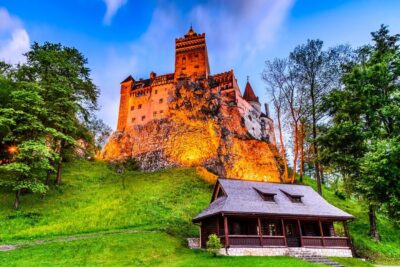
Dracula’s Castle, Peles Castle, & Brasov Old Town
Read our review →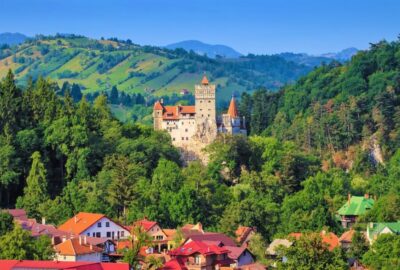
Dracula Castle, Peles Castle & Brasov Old Town
Read our review →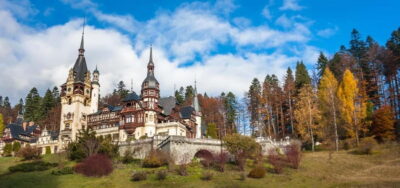
Dracula’s Castle, Peleș Castle & Brașov Day Trip
Read our review →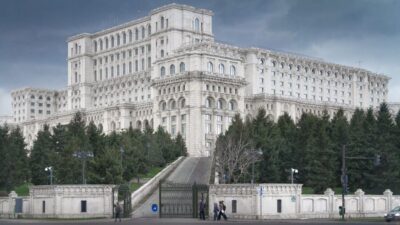
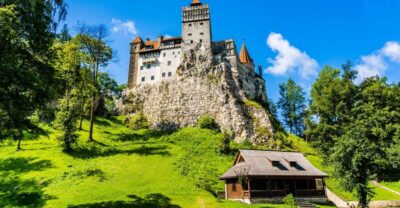
Day Trip to Dracula Castle, Peles Castle & Brașov
Read our review →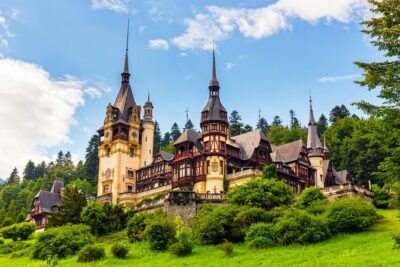
Bucharest to Dracula Castle, Peles Castle and Brasov Guided Tour
Read our review →