
Reviewed · DRACULA & BRAN CASTLE TOURS
Bucharest: Transylvania and Dracula’s Castle 2-Day Tour
The best part of this trip is the way it links Romania’s big historical sights with the mountain roads between them. In two long days, you move from the royal elegance of Peles Castle to the medieval walls of Sighisoara, with Bran Castle, Brasov, Sibiu, and the Carpathians filling in the story.
I like the small vehicle, which carries only a handful of people, and I like the route’s variety. You get churches, Saxon houses, royal palaces, mountain villages, and a Dracula legend that is entertaining even when the real history is more complicated. The guides, including Vali and Alex, have been praised for strong English, careful driving, and useful knowledge of modern Romanian life.
The main drawback is the pace. This is a lot of Romania in roughly 48 hours, and entrance fees are extra. The overnight accommodation can also vary. You may need to carry your bag up stairs, and the advertised wine tasting is not guaranteed to fit the schedule.
In This Review
- Key Points Before You Book
- Is $453 a Fair Price for Two Days?
- Day One: Crossing the Carpathians to Sibiu
- Sibiu’s Medieval Center in a Short Visit
- Sighisoara After the Day’s Long Drive
- Day Two: Brasov and the Real Story Behind Bran Castle
- Peles Castle: The Tour’s Strongest Interior
- Sinaia Monastery and the Royal Wine Cellars
- The Drive, Guide, and Group Size
- Who Should Choose This Tour?
- Should You Book the Transylvania 2-Day Tour?
- FAQ
- How long is the tour?
- Where does pickup take place?
- Which language is the tour conducted in?
- Is accommodation included?
- Are meals and entrance fees included?
- How many people are in the group?
- Is the Transfagarasan Road used year-round?
Key Points Before You Book
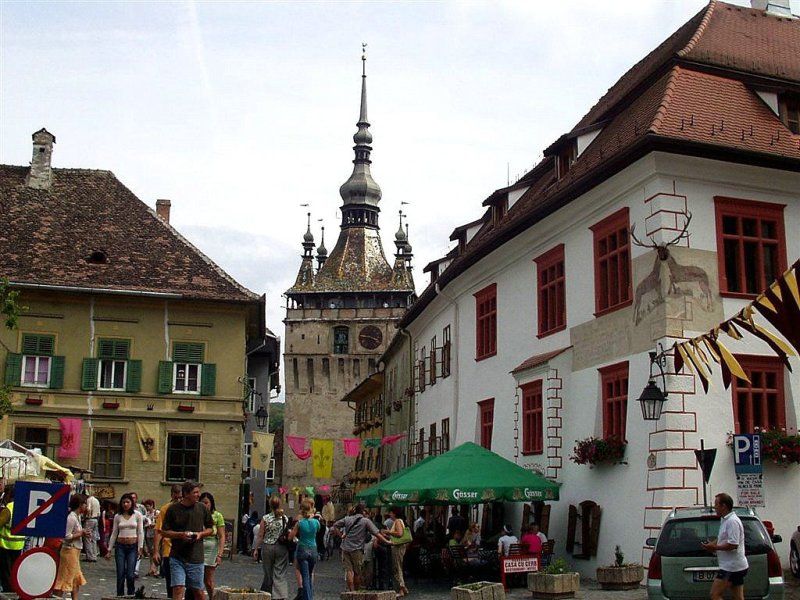
- Sighisoara is the medieval highlight: Its enclosed citadel, Clock Tower, cobbled lanes, and surviving Saxon houses give you the clearest sense of old Transylvania.
- The Transfagarasan route is seasonal: From June 1 through September 15, the trip may cross the Carpathians on this high road, reaching about 2,000 meters.
- Bran Castle is more history than Dracula: Its fame comes from the Count Dracula story, but the castle’s strongest real connection is to Queen Marie and Romanian royal history.
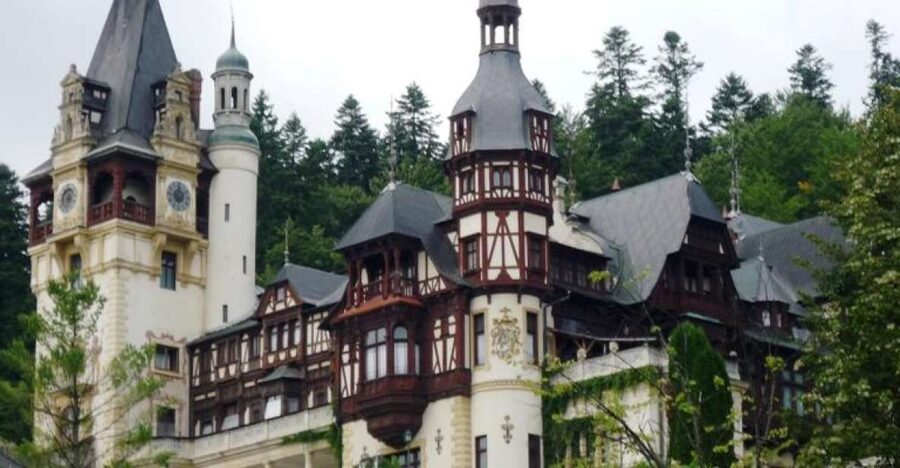
- Peles Castle deserves your attention: Ebony, walnut, mother of pearl, carved wood, gardens, and royal rooms make this one of the tour’s most rewarding stops.
- The group is small, but confirm the exact size: The details describe both a maximum of five people and a maximum of eight participants.
- Pack light for Sighisoara: One visitor found no elevator at the overnight hotel and had to climb four flights of stairs with luggage.
Is $453 a Fair Price for Two Days?
At $453 per person, this is not a budget bus trip. It is priced as a private or very small-group excursion, with a guide, transport in an eight-seat minivan, one night in a three-star guest house, breakfast, and hotel pickup in Bucharest.
The value depends on what you want from Romania. If you prefer to arrange trains, hotels, taxis, and castle visits yourself, you could potentially spend less. But this route covers a wide area, crosses the Carpathians, and includes several places that are awkward to connect by public transport in only two days. You are paying for the driving, the route planning, and the ability to reach several major sights without changing vehicles.
Entrance fees are not included, and meals are also separate except for breakfast. Keep extra money available for the castles, churches, and any optional visits. The wine cellar visit is part of the program, but the tasting may not happen if the day runs late.
The small vehicle matters here. A guide can park near the main sights, and one previous visitor noted that this reduced the amount of walking in Sibiu, Sighisoara, Brasov, Bran, and Sinaia. That is useful when every stop is competing for your time.
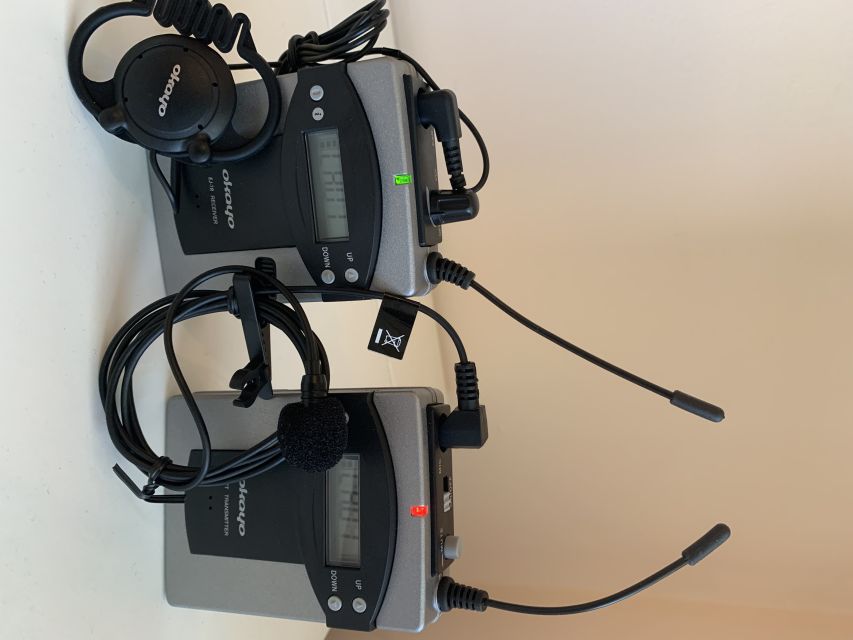
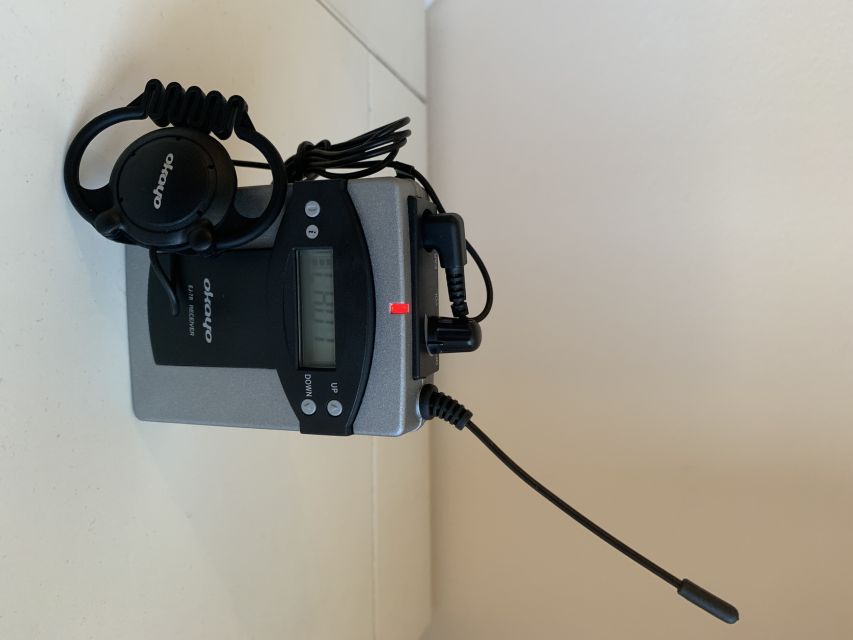
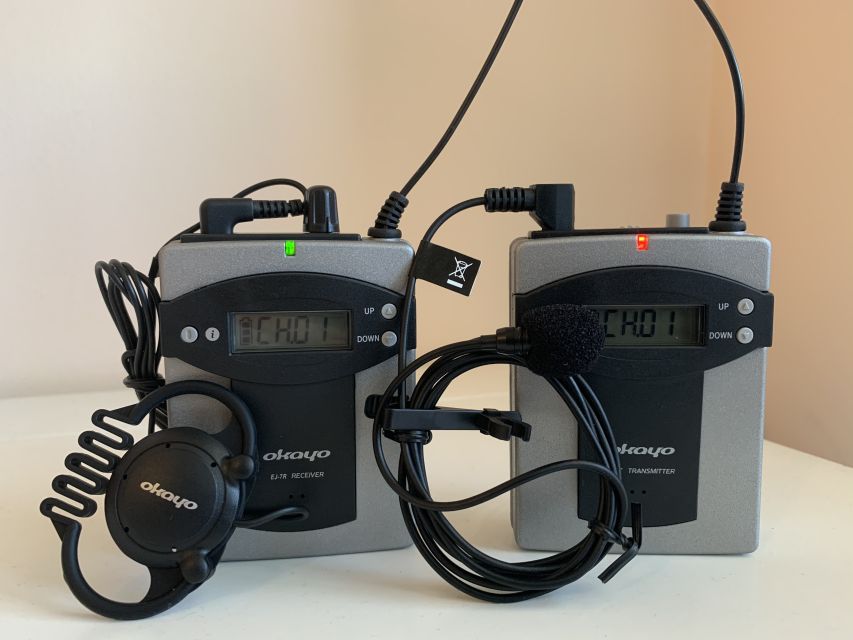
One practical point needs checking before you pay: the information gives a maximum of five people in one place and a maximum of eight in another. Ask TransVision Bucharest which group size applies to your departure. The transport is described as a regularly disinfected minivan, and an audio device lets you hear the guide even when you are a short distance away.
More Dracula & Bran Castle Tours in Bucharest
- Bucharest: Dracula’s Castle, Peles Castle, & Brasov Old Town
★ 4.5 · 17,858 reviews - Bucharest: Dracula Castle, Peles Castle & Brasov Old Town
★ 4.6 · 10,891 reviews - Bucharest: Dracula’s Castle, Peleș Castle & Brașov Day Trip
★ 4.5 · 5,919 reviews
Day One: Crossing the Carpathians to Sibiu
Pickup is listed from your Bucharest hotel at 7:00 in the morning. Another departure detail gives 9:00 from Revolution Square, so confirm the exact meeting time and place when you reserve. This is an early and active day, with Bucharest giving way to the mountains and then to Transylvania.
The first major stop is the Monastery of Curtea de Arges, founded by Prince Neagoe Basarab between 1514 and 1517. The complex gives you an early look at Romanian religious and royal history before the route climbs toward the Carpathians.
From June 1 to September 15, the drive to Sibiu uses the Transfagarasan Road when conditions allow. The road reaches around 2,000 meters at its highest point and is one of the most memorable parts of the trip. It is a high mountain route, not a gentle country drive. One visitor loved the road and counted ten avalanche sheds along the way, but also warned that people with motion sickness or a fear of heights may want to ask about an alternative route.
That is good advice. The road itself is a major reason to choose this departure in summer, but it can also be the most physically demanding part. Sit where you can see the road ahead, bring water, and use the time between stops sensibly.
Sibiu’s Medieval Center in a Short Visit
Sibiu receives a quick walking tour rather than a full day. That makes sense given the distance still to cover, but you should set your expectations correctly. You will get an introduction to the medieval center, not an exhaustive visit to every square, museum, or church.
Sibiu was shaped by its German-speaking Saxon population, and its old center helps explain why Saxon influence matters across Transylvania. The stop breaks up the drive and gives you time on foot after the long mountain crossing.
I would use this visit to take in the street pattern, façades, and central squares rather than trying to chase every sight. If Sibiu is your main reason for visiting Romania, this tour will feel too brief. If you want a broad first look at the region, it is a useful stop.
Sighisoara After the Day’s Long Drive
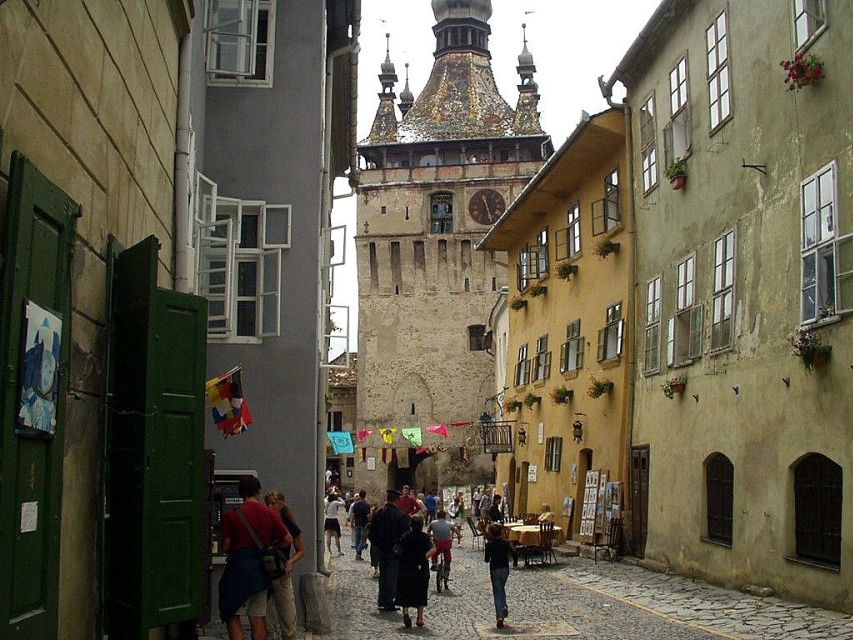
You continue along the Tarnava Mare River to Sighisoara, where the first day ends. This is the place where the tour slows down and its medieval mood becomes most convincing.
The citadel is enclosed by walls and reached through cobbled streets lined with Saxon houses dating from the 16th century. Nine towers survive, including the famous Clock Tower, once the city’s main gate. From its balcony, you can look over the town and surrounding countryside.
The former Church of the Dominican Monastery adds another layer. Inside are a fresco of the Holy Trinity, a carved altarpiece, and Oriental carpets. These details are easy to miss if you only come for Dracula, but they are part of what makes Sighisoara more than a themed stop.
Sighisoara is also where the overnight arrangement requires a little flexibility. The accommodation is a three-star guest house, but the exact property can vary. One hotel used for the tour, Hotel Rex, had no elevator, and the room was hot in late August because the window barely opened. Breakfast began at 8:00, but a broken coffee pot caused a long wait.
None of this ruins a one-night stay, but it is a reason to leave your large suitcase in Bucharest if possible. Bring only what you need in a small overnight bag. You will be more comfortable on stairs, in the minivan, and on the cobbled streets.
More Transylvania Tours in Bucharest
- Transylvania and Dracula Castle Full Day Tour from Bucharest
★ 4.5 · 1,589 reviews - Castles of Transylvania: Private Day Trip from Bucharest
★ 4.5 · 248 reviews - 2-Day Medieval Transylvania with Brasov,Sibiu and Sighisoara Tour from Bucharest
★ 4.5 · 145 reviews - 2-Day Transylvania from Bucharest: Brasov, Bran, Sighisoara
★ 5.0 · 60 reviews
Day Two: Brasov and the Real Story Behind Bran Castle
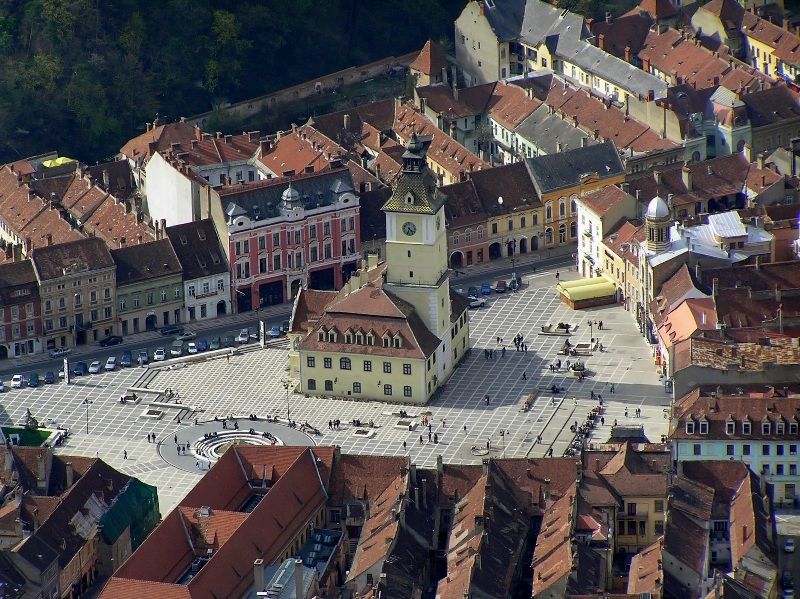
The second day takes you toward Brasov, where the medieval center connects the Dracula story with actual regional conflict. Vlad the Impaler led raids against German Saxons in the area, a fact that gives the legend a historical setting without turning every castle into a Dracula site.
The walking tour includes the Black Church, Town Hall, Black Tower, and Ecaterina Gate. The Black Church is a major landmark of Brasov, while the towers and gate help you read the shape of the old fortified city.
Brasov is a good place to have a guide. A short visit can otherwise become a blur of names and façades, especially when you are trying to connect Saxon settlement, fortification, and Vlad’s campaigns. Use the walk to understand how the city was organized, then save time for the castle stops ahead.
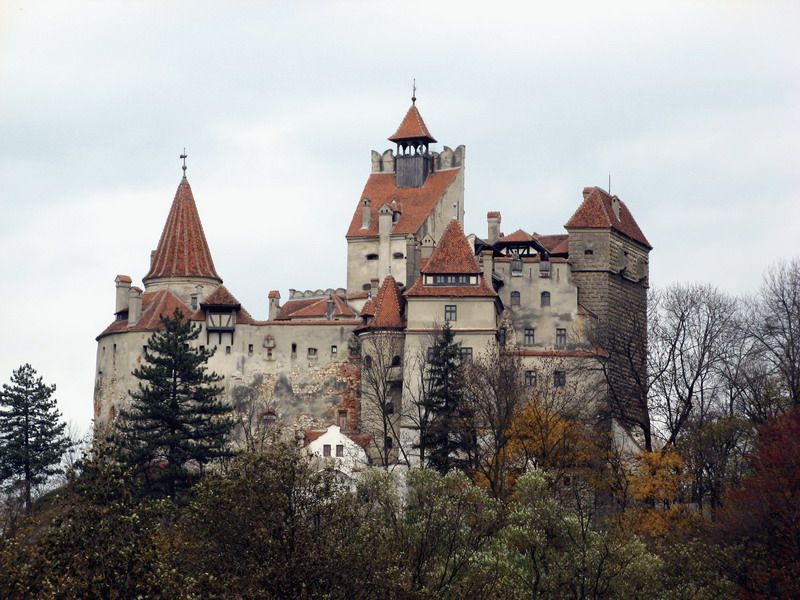
Bran Castle sits between the Bucegi and Piatra Craiului Mountains. Its Dracula reputation brings the crowds, but the building’s real story is more grounded. It dates back to the 14th century and was donated to Queen Marie of Greater Romania in December 1920.
That royal connection is the more interesting reason to visit. You will see fountains, lakes, terraces, and the Tea House associated with Queen Marie. The castle is attractive and dramatically placed, but it is not a confirmed home of the historical Vlad the Impaler. If you arrive expecting a vampire museum, you may find the history less direct. If you treat the Dracula material as a layer added to a medieval fortress and royal residence, the visit works much better.
Bran is also likely to be busy. The tour description itself warns that the castle can be crowded. Keep your pace steady and expect narrow interiors, stairs, and limited space in some rooms.
Peles Castle: The Tour’s Strongest Interior

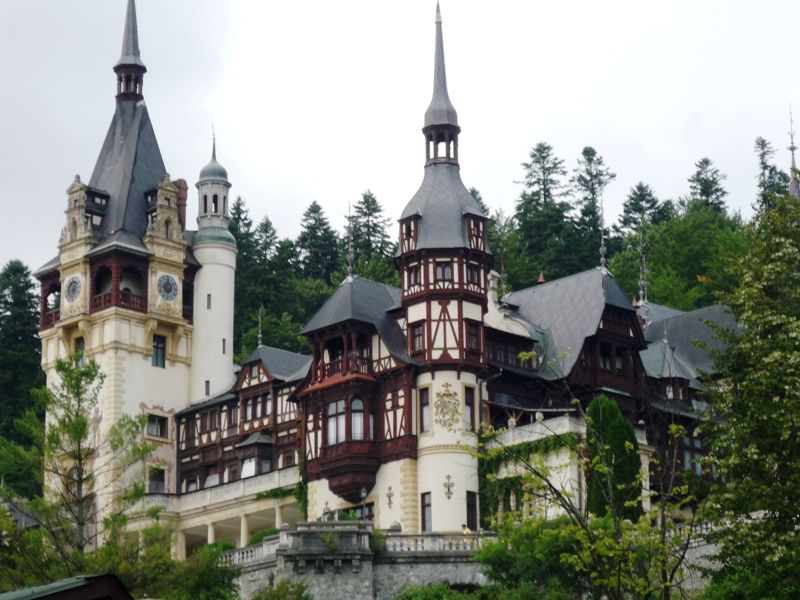
From Bran, the route continues to Sinaia, known as the Pearl of the Carpathians. Here you visit Peles Castle, the former summer residence of the Romanian kings and, for many people, the finest sight on the trip.
The exterior has intricate façades and tall wooden towers that give it a storybook appearance without relying on the Dracula theme. Viennese architects designed the fountains and statues in the grounds, and the setting helped make Sinaia a favored mountain resort.
Inside, look for ebony, walnut, and mother of pearl. These materials are not minor decorative touches. They show the level of craftsmanship and money used for royal entertaining. The castle hosted balls, concerts, literary events, and theatrical performances, so its rooms were designed for display as much as for private life.
You also have time to see parts of the wider complex, including Pelisor Castle and Sinaia Monastery. Peles is the visit where an interior tour matters most, so check how entrance arrangements work and keep enough time for the rooms rather than rushing through the grounds.
The castle’s popularity means you should be prepared for a busy visit. Still, the combination of architecture, furnishings, grounds, and royal history gives Peles more substance than a quick photo stop.
Sinaia Monastery and the Royal Wine Cellars
Sinaia Monastery was built by Mihai Cantacuzino, a high-ranking noble of the Wallachian Kingdom, after his pilgrimage to Mount Sinai. Its collection includes religious icons, rare books, and an exhibition of pottery and porcelain from the 16th through 19th centuries.
The monastery adds a quieter religious counterpoint to the royal palaces. It also helps show that Sinaia’s importance was not created only by tourism or the royal court.
The final stop is the 19th-century wine cellars in Azuga, built by the Rhein family, official suppliers to the Royal Court. You can purchase Romanian still and sparkling wines here.
Be clear about the difference between a cellar visit and a guaranteed tasting. One person chose this tour largely for the wine tasting but did not have time for it. The stop may be affected by traffic, crowds, and the long list of sights. If tasting wine is essential to your decision, ask directly if it will be offered on your date.
The Drive, Guide, and Group Size
This is a driving-heavy tour. That is the only practical way to connect Curtea de Arges, Sibiu, Sighisoara, Brasov, Bran, Sinaia, and Bucharest in two days, but you should not mistake it for a relaxed country holiday.
The upside is that the route itself becomes part of the experience. The Carpathian roads, the Prahova Valley, and the mountain resorts show you Romania between the famous sights. You will see more of the country than you would by staying in Bucharest and taking separate day trips.
The guide can make or break a schedule this tight. Vali has been praised for excellent English, safe driving, and explanations of Romanian life over the last 35 years. Alex has also been singled out for making the trip especially enjoyable and for bringing out the pleasure of rural Romania. Guide assignments can change, so consider these names useful possibilities, not promises.
The small-group format is another advantage. A van with five people feels very different from a large coach. It is easier to hear the guide, get moving after a stop, and make a quick parking adjustment. Still, confirm the exact maximum, since the details give both five and eight participants.
Comfortable shoes are essential. Sighisoara and the other old centers use cobbles, and the castles and monasteries involve stairs. The tour is not recommended for people with mobility impairments, and pets and smoking are not allowed.
Who Should Choose This Tour?
I would choose this trip if you have only two days beyond Bucharest and want a strong first taste of Transylvania. It suits you if you care about castles, medieval towns, Romanian royal history, mountain roads, and the Dracula story in roughly equal measure.
It is also a good choice if you do not want to drive. The roads are scenic but demanding, especially on the Transfagarasan, and a guide who knows where to park can save time and energy.
I would hesitate if you dislike early starts, long vehicle rides, or changing hotels. The itinerary is full, and some visits are necessarily brief. I would also hesitate if you want a slow, detailed stay in Sibiu or Sighisoara, since both receive only part of a day.
The $453 price makes the most sense for someone who values convenience and a very small group. It makes less sense if you are mainly seeking a single Dracula attraction or a guaranteed wine tasting.
Should You Book the Transylvania 2-Day Tour?
Book it if you want Romania’s greatest hits connected into one practical route, with a guide handling the driving and timing. The strongest parts are Sighisoara’s preserved citadel, the summer Transfagarasan crossing, and Peles Castle’s lavish interiors.
Go in with realistic expectations. Dracula’s Castle is famous, but Queen Marie and the royal story are more historically solid. The accommodation may be basic, entrance fees cost extra, and the wine tasting may disappear from a busy schedule.
Pack a small overnight bag, wear good shoes, and ask about the exact pickup time, group size, Transfagarasan route, and wine tasting before booking. With those points clear, this is a rewarding but fast-moving introduction to Transylvania.
FAQ
How long is the tour?
The tour lasts two days and includes one night of accommodation in Sighisoara.
Where does pickup take place?
Pickup is included from your hotel in Bucharest. The information also lists Revolution Square at 9:00, while the hotel pickup time is given as 7:00, so confirm the exact arrangement before departure.
Which language is the tour conducted in?
The live tour guide speaks English.
Is accommodation included?
Yes. The tour includes one night at a three-star guest house in Sighisoara. The specific property may vary.
Are meals and entrance fees included?
Breakfast is included, but other meals and entrance fees to attractions are not included.
How many people are in the group?
The tour is described as a small-group experience. The details list both a maximum of five people and a maximum of eight participants, so confirm the exact group size for your departure.
Is the Transfagarasan Road used year-round?
From June 1 through September 15, the route to Sibiu uses the Transfagarasan Road. The information does not confirm the exact route used outside that period.
More 2-Day Experiences in Bucharest
- 2-Day Private Tour of Transylvania from Bucharest
★ 5.0 · 24 reviews - 2 Days Private Tour in Transylvania from Bucharest – 4 Medieval Cities
★ 5.0 · 19 reviews - 2 Days – Private Tour to Transylvania – Brașov, Sighișoara, Sibiu
★ 5.0 · 17 reviews - 2-Day Transylvania Break From Bucharest
★ 4.5 · 14 reviews
Just added around Bucharest
- Village Museum Bucharest Guided Tour★ 5.0 · 6 reviews
- Bucharest: Dealu Mare Winery Private Trip with Wine Tasting★ 4.9 · 6 reviews
- Winery touring & private wine tasting – one day private tour★ 5.0 · 3 reviews
- Transylvania Tour: Dracula’s Castle, Peles Palace & Brasov★ 5.0 · 19 reviews
- Discover Medieval Transylvania Small Group Tour – 7 days★ 5.0 · 4 reviews
- Bucharest Airport Transfer To Constanta Mamaia★ 5.0 · 3 reviews
- Airport Henri Coanda (Otopeni) to Bucharest – Private Transfer – Driver★ 5.0 · 5 reviews
- Gems of Transilvania: Brasov,Sighisoara,Sibiu,Viscri and more★ 5.0 · 6 reviews
Dracula & Bran Castle Tours, compared.
Dracula’s Castle, Peles Castle, & Brasov Old Town
Read our review →
Dracula Castle, Peles Castle & Brasov Old Town
Read our review →
Dracula’s Castle, Peleș Castle & Brașov Day Trip
Read our review →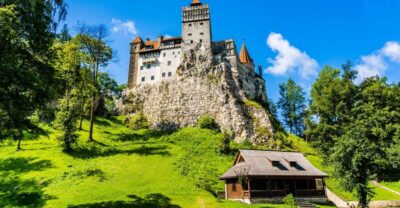
Day Trip to Dracula Castle, Peles Castle & Brașov
Read our review →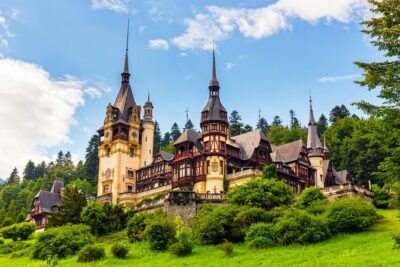
Bucharest to Dracula Castle, Peles Castle and Brasov Guided Tour
Read our review →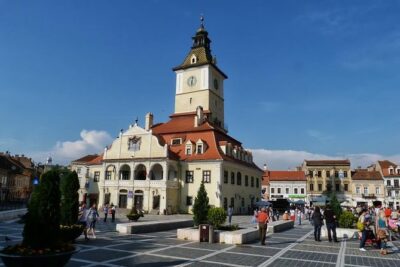
Dracula’s Castle, Peles Castle and Brasov Day Trip from Bucharest
Read our review →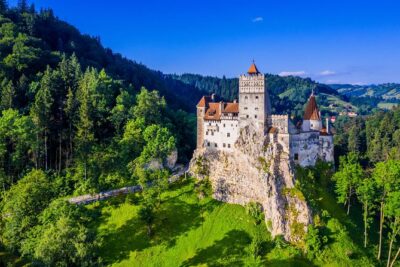
Transylvania and Dracula Castle Full Day Tour from Bucharest
Read our review →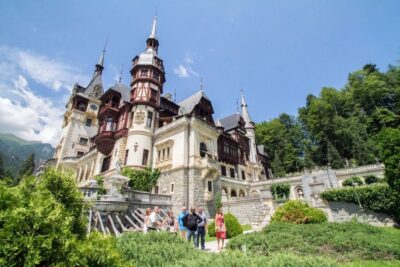
Browse the lists this tour appears in