Reviewed · PRIVATE
Private -RedPatrol Tour of Bucharest with a Romanian Vintage Car
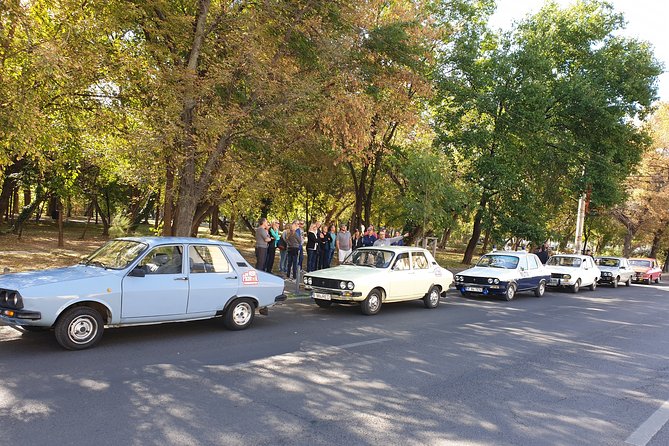
Bucharest’s Communist past makes more sense from the front seat of a restored Dacia 1300, the boxy Romanian car that once filled the city’s streets. This private three-hour tour takes you from Revolution Square to the Ceaușescu residence, with stops at grand state buildings, unfinished projects, housing blocks, and old boulevards.
I like the choice to drive yourself or let the private driver take over, and I like the personal history woven into the tour. Guides such as Serban add first-hand stories about life under Communism, while the tour newspaper and small gift give you something useful to keep. The main drawback is the car itself: it has no air-conditioning, power steering, ABS, GPS, or automatic transmission.
In This Review
- Key points to know before booking
- Bucharest history from the seat of a Dacia
- Revolution Square and the end of Communist rule
- Casa Radio and the unfinished vision of Bucharest
- The Socialist Academy and the scale of state power
- The Palace of Parliament and the city built around it
- Apartment blocks, government quarters, and older Bucharest
- The Ceaușescu residence and private life behind public power
- Unification, the press palace, and the final stretch
- What the private format adds
- Practical limits of the vintage car
- Who will enjoy this tour most
- Should you book the Red Patrol Dacia tour?
- FAQ
- How long does the Red Patrol Bucharest tour last?
- Is hotel pickup available?
- Can I choose the tour start time?
- Can I drive the vintage Dacia?
- What type of car is used?
- Does the car have air-conditioning or automatic transmission?
- Are food and drinks included?
- What is the cancellation policy?
Key points to know before booking
- You can drive a restored Dacia from the 1970s or 1980s, but you must bring a valid driving license and be comfortable with a manual classic car.
- The private format keeps the tour personal, with hotel pickup and drop-off from any Bucharest address.
- Revolution Square anchors the story, connecting the beginning and end of Communist rule in Romania.
- The route includes unusual sights, such as Casa Radio and the former Socialist Academy, both presented as Communist-era ghost buildings.
- The tour is strongest for history-minded visitors, especially anyone curious about daily life and power under Nicolae Ceaușescu.
- The cars are not modern, so dress comfortably, expect a firm old-style ride, and remember that winter heating is provided.
Bucharest history from the seat of a Dacia
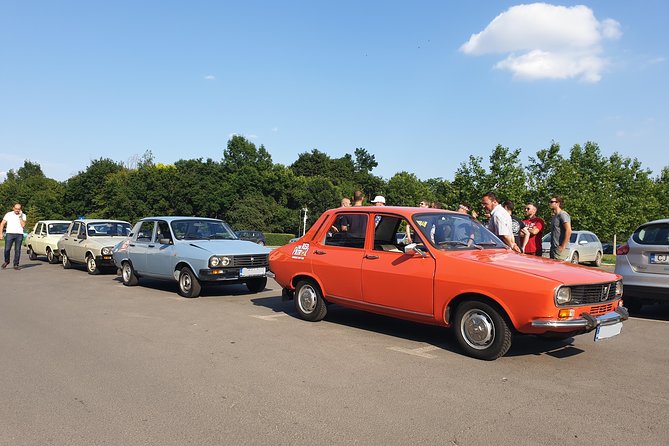
This is not a standard city sightseeing drive. The car is part of the subject.
The Dacia 1300 and 1310 were classic Romanian cars of the 1970s and 1980s. The vehicles used by Red Patrol are fully restored and meet current traffic safety regulations, but they still retain the feel of their era. There is no automatic gear drive, GPS, ABS, power steering, or air-conditioning.
That makes the tour more memorable, but it also shapes the experience. If you drive, you need a valid license and enough confidence with an older manual car. If you would rather watch the streets and listen to the guide, a private driver is included.
I like this choice. You can treat the car as a hands-on historical object, or simply enjoy the novelty of being driven around in one. Either way, the Dacia helps connect the grand political story with ordinary Romanian life.
The tour lasts about three to three and a half hours. Since it is private, your group can choose a start time that suits your day. Hotel pickup and drop-off are available from addresses throughout Bucharest, which saves you the trouble of arranging a taxi to a fixed meeting point.
A few more Bucharest trips to weigh up
- Castles of Transylvania: Private Day Trip from Bucharest
★ 4.5 · 248 reviews - Dracula’s Castle, Peles Castle and Brasov – Private Day Trip from Bucharest
★ 5.0 · 211 reviews - Best of Bucharest | Private Walking Tour
★ 5.0 · 199 reviews
Revolution Square and the end of Communist rule
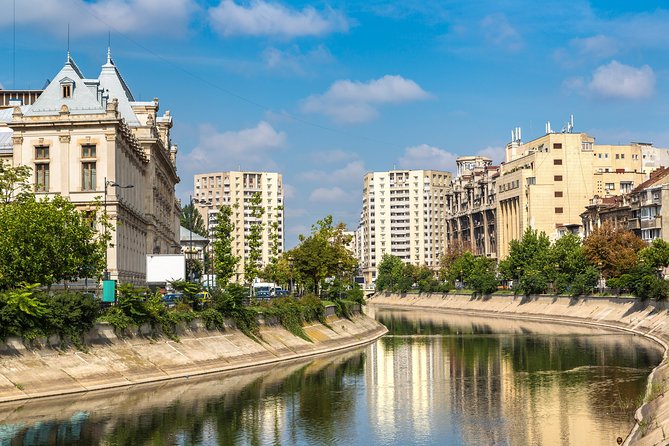
Revolution Square is the natural starting point because it frames the entire story. The tour presents it as the place where Communism in Romania both began and ended.
You receive about 30 minutes here, enough time for the guide to explain the political importance of the square and point out the key locations. This is the moment to ask about Nicolae Ceaușescu, the 1989 revolution, and how the country moved away from Communist rule.
The value of this stop is context. Later buildings on the route can seem like oversized concrete structures without a clear purpose. At Revolution Square, you get the political background first, so the rest of the drive has a clearer meaning.
This is also one of the more accessible stops. There is no admission fee, and you can get out for photographs and discussion. Bring your own questions. A private tour gives you room to focus on the parts of the story that interest you most.
Casa Radio and the unfinished vision of Bucharest
Casa Radio is one of the route’s most unusual stops. The building is presented as a Communist ghost palace, and the visit focuses on exploration, stories, and photographs.
You spend about 20 minutes here. Admission is not included, so the stop should be understood mainly as an exterior visit and presentation rather than a full indoor museum experience.
Casa Radio helps you see a side of Communist planning that polished monuments can hide. Large projects were designed to project power, but some were left incomplete or lost their original purpose. The building’s unfinished, uncertain character makes a sharp contrast with the official image of an all-powerful state.
You will want comfortable clothes and sensible shoes for the photo stops. The tour is built around moving through the city, not sitting in one exhibition for hours.
The Socialist Academy and the scale of state power
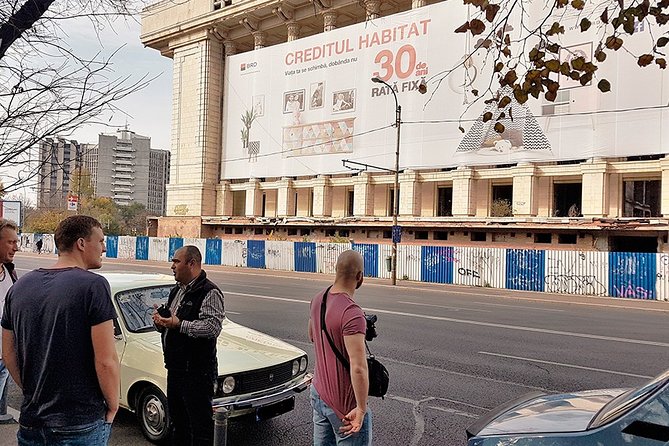
The Academia Română stop lasts around 10 minutes. Here, the guide presents the former Socialist Academy building and gives you time for pictures.
It is a short stop, but it adds another piece to the same pattern: Communist Romania invested in institutions and buildings meant to embody a political system. The guide can help you read the architecture as part of that system rather than as a collection of unrelated concrete facades.
Do not expect a long interior visit. Admission is not included, and the stop is brief. Its strength is the explanation and the chance to see another large state-era structure while the Dacia waits nearby.
Same mountains, a completely different day out:
- Bucharest: Dracula’s Castle, Peles Castle, & Brasov Old Town
★ 4.5 · 17,858 reviews - Bucharest: Dracula Castle, Peles Castle & Brasov Old Town
★ 4.6 · 10,891 reviews - Bucharest: Dracula’s Castle, Peleș Castle & Brașov Day Trip
★ 4.5 · 5,919 reviews - Bucharest: Palace of Parliament Tickets and Guide
★ 4.3 · 3,182 reviews
The Palace of Parliament and the city built around it
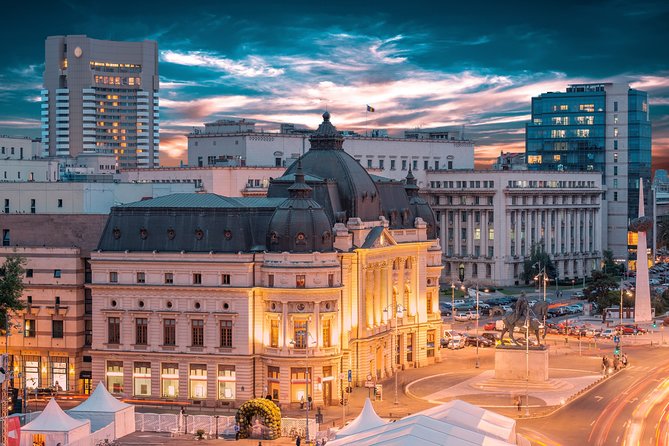
The Palace of Parliament receives about 30 minutes on the route. It is described as the second-largest administrative building in the world, and its scale is central to the story of Ceaușescu’s Bucharest.
The building is not simply a big attraction to photograph. It represents the enormous public works and forced reshaping associated with the Communist leadership. The tour places it alongside the surrounding residential blocks and government quarter, helping you see the broader urban plan.
Admission is not included, so check what you want to do before booking if you hope to tour the interior. The scheduled experience gives you a presentation and exterior exploration rather than promising a full building visit.
I find this stop most useful when you pay attention to the contrast between the monumental center and the ordinary apartment districts around it. The route does not present only grand official architecture. It also takes you through Communist blocks of flats, where the scale of the state project becomes part of everyday city life.
Apartment blocks, government quarters, and older Bucharest
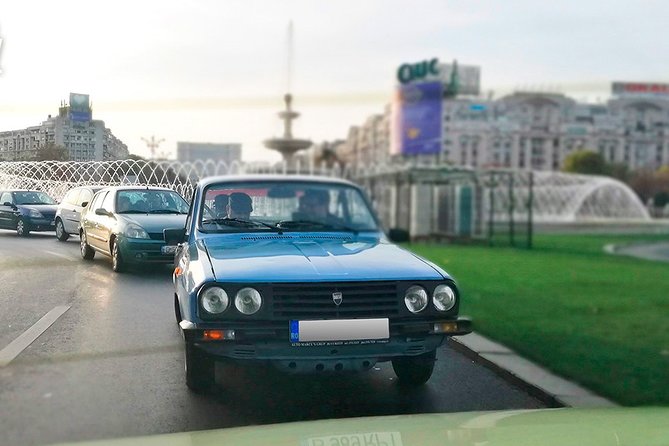
Several parts of the drive are not listed as formal numbered stops, but they matter. You explore Communist residential blocks, the residential quarter around the Romanian Government, and an older residential area built in the early twentieth century.
This wider drive keeps the tour from becoming a simple parade of famous buildings. You see how different periods of Bucharest sit beside one another. The Communist housing areas show the practical side of the system, while the older quarter offers a panoramic look at an earlier city.
The route also includes one of Bucharest’s oldest boulevards as a full car ride. That detail matters because the tour is designed for movement. You are not only stepping out at monuments. You are watching the city pass by through the windows of a period car.
If you want a tightly packed list of indoor attractions, this may feel slow. If you want to understand how political decisions changed the shape of Bucharest, the driving sections are essential.
The Ceaușescu residence and private life behind public power
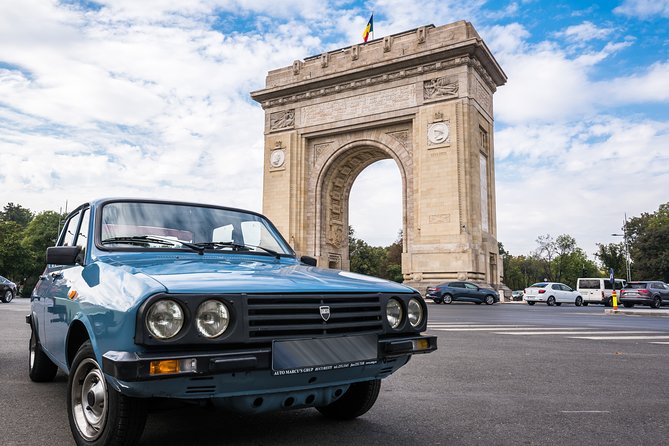
The former private residence of Nicolae Ceaușescu is another key stop. The presentation lasts about 15 minutes and focuses on the home connected with Romania’s long-time Communist leader.
Admission is not included, so the tour should be booked with the understanding that this is a brief presentation unless you arrange additional access separately. The stop works well as a counterpoint to the massive public buildings earlier in the route.
Here, the story becomes more personal. You move from state institutions, public ceremonies, and housing projects to the private space of the ruling family. A guide with personal memories of Communism, such as Serban, can help connect the residence to the wider experience of Romanian society.
That personal angle is one of the strongest reasons to choose this tour. Dates and building names matter, but first-hand stories can explain how the political system felt in daily life. The experience is not only about what Ceaușescu built. It is also about how people lived with the system.
Unification, the press palace, and the final stretch
The route also includes a presentation of Romania’s unification monument. The supplied details do not specify a long stop here, so think of it as part of the guide’s wider explanation of national identity and political change.
The House of the Free Press receives around 20 minutes. This is an included stop and focuses on the former Communist press palace area. Its place on the route is logical: after seeing government buildings and the leader’s residence, you examine the institution that helped shape official information.
The press palace makes the connection between architecture and control especially clear. A political system needs offices, housing, ceremonies, and media. This tour links those parts together instead of treating them as separate sights.
The final full-car ride along an old Bucharest boulevard gives the experience a relaxed finish. You can continue asking questions, take in the street views, and enjoy the Dacia without rushing from one photo stop to another.
What the private format adds
A private tour is more expensive than joining a large group, but the price of about $120.68 per person includes more than transportation. You receive hotel pickup and drop-off, a local guide in your car, a private driver if needed, bottled water, a tour newspaper, and a personalized gift.
The value depends on your group size and interests. For a couple or small group that wants a focused look at Communist Bucharest, the price can make sense because the guide can adjust the conversation to you. You are not waiting for strangers to finish at every stop, and you can choose the start time.
The private setup also makes the driving choice easier. One person can handle the Dacia while others listen and take photographs, or everyone can leave the driving to the included driver.
I would not book it mainly as a cheap way to get around town. Bucharest taxis and public transport cost less. Book this for the combination of a period car, a private guide, and a history-focused route that is difficult to recreate on your own.
Practical limits of the vintage car
The Dacia is restored, but it is not modern. There is no air-conditioning, ABS, GPS navigation, power steering, or automatic transmission. That is part of the appeal, yet it can affect comfort, especially during hot weather or if you are not used to older cars.
The cars are heated during winter. You should still wear a comfortable outfit for driving and sightseeing. Bring your ID card and driving license, especially if you intend to take the wheel.
The tour does not allow pets or children under 10 years old. Most older children and adults can take part, but the driving requirements mean that the person behind the wheel needs to be properly licensed on the day.
Food and drinks are not included, though bottled water is provided. Plan a meal before or after the tour rather than expecting a food stop during the three-hour route.
The experience requires good weather. If poor weather forces cancellation, Red Patrol offers another date or a full refund. You can cancel without charge up to 24 hours before the start time, but changes or cancellations inside that window are not refunded.
Who will enjoy this tour most
I would choose this experience if you want more than the usual Bucharest highlights. It suits you if you are interested in political history, modern European change, architecture, cars, or the personal stories behind a former dictatorship.
It is also a good match for couples, families with children aged 10 or older, and small private groups who want a flexible start time. The hotel pickup makes it easy to fit into a short Bucharest stay.
You may want a different tour if you prefer air-conditioned transport, a quiet luxury vehicle, a purely architectural visit, or long interior access at every building. Several stops are brief, and some focus on exterior views and explanation rather than admission-based sightseeing.
The strongest parts are the guide’s storytelling, the Dacia itself, and the route’s range. You see Revolution Square, major Communist buildings, apartment blocks, the Ceaușescu residence, the press palace, and older Bucharest in one continuous story.
Should you book the Red Patrol Dacia tour?
Book it if you want Bucharest explained through its Communist past, not just photographed. The restored Dacia makes the subject tangible, and the private format gives you time to ask questions and choose how involved you want to be.
The main decision is comfort. If you can accept a classic car without air-conditioning or modern driving aids, the unusual vehicle adds real value. If you need a smooth, climate-controlled ride, choose another way to see the city.
For history-minded visitors, this is a strong three-hour introduction to the buildings, streets, and personal stories that shaped modern Bucharest. The guide, the private pickup, and the option to drive make it worth considering at about $120.68 per person, particularly for a small group sharing the experience.
FAQ
How long does the Red Patrol Bucharest tour last?
The tour lasts approximately three to three and a half hours.
Is hotel pickup available?
Yes. Pickup and drop-off are available from all addresses in Bucharest.
Can I choose the tour start time?
Yes. You can choose a start time that works for you.
Can I drive the vintage Dacia?
Yes, you can drive if you bring a valid driving license on the day of the tour. A private driver is included if you prefer not to drive.
What type of car is used?
The tour uses fully restored Dacia 1300 or 1310 cars from the 1970s and 1980s.
Does the car have air-conditioning or automatic transmission?
No. The cars do not include air-conditioning, ABS, GPS navigation, power steering, or automatic gear drive. The cars are heated during winter.
Are food and drinks included?
Food and drinks are not included. Bottled water is provided.
What is the cancellation policy?
You can cancel up to 24 hours before the start time for a full refund. Cancellations or changes made less than 24 hours before the tour are not refunded or accepted. If poor weather causes cancellation, you can choose another date or receive a full refund.
Just added around Bucharest
- Village Museum Bucharest Guided Tour★ 5.0 · 6 reviews
- Bucharest: Dealu Mare Winery Private Trip with Wine Tasting★ 4.9 · 6 reviews
- Winery touring & private wine tasting – one day private tour★ 5.0 · 3 reviews
- Transylvania Tour: Dracula’s Castle, Peles Palace & Brasov★ 5.0 · 19 reviews
- Discover Medieval Transylvania Small Group Tour – 7 days★ 5.0 · 4 reviews
- Bucharest Airport Transfer To Constanta Mamaia★ 5.0 · 3 reviews
- Airport Henri Coanda (Otopeni) to Bucharest – Private Transfer – Driver★ 5.0 · 5 reviews
- Gems of Transilvania: Brasov,Sighisoara,Sibiu,Viscri and more★ 5.0 · 6 reviews
Private, compared.

Castles of Transylvania: Private Day Trip from Bucharest
Read our review →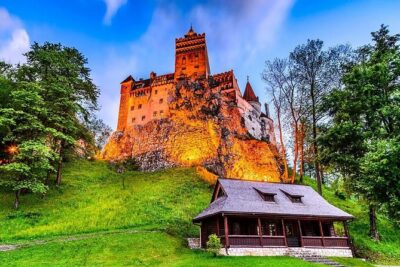
Dracula’s Castle, Peles Castle and Brasov – Private Day Trip from Bucharest
Read our review →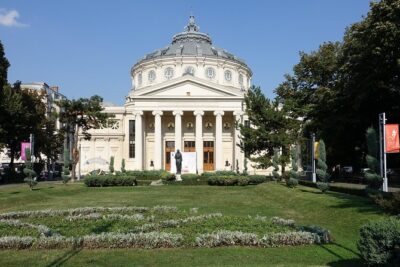
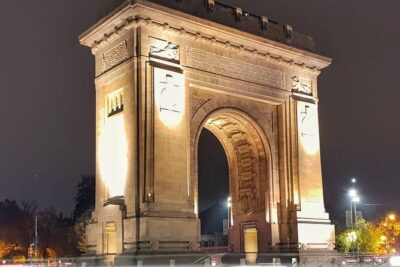
Bucharest Panoramic Sightseeing – Private City Tour
Read our review →
THERME “Take It Easy” Pack: Full Spa Access + Private Transfers
Read our review →
Piatra Craiului National Park Private Hiking Tour from Brasov
Read our review →
4h Bucharest Private Tour (2h by Car and 2h Walking in Old Town)
Read our review →