
Reviewed · TRANSYLVANIA TOURS
Transylvanian week
Transylvania is far more than Dracula, and this six-day circuit gives you the full picture: Saxon citadels, royal castles, mountain roads, and Orthodox monasteries. You travel in a private air-conditioned vehicle, so you can cover a lot without wrestling with Romanian train schedules or changing hotels every night.
I especially like the mix of grand sights and quieter villages, from the frescoes at Malâncrav to the remote lanes of Viscri. I also like having a guide such as Gelu Trandafir, whose flexible style has included helping families with unexpected errands and adjusting long routes to suit the group. The trade-off is the price: $2,166.68 per person is a serious outlay, and six days of road travel can feel full if you prefer slow mornings.
In This Review
- Key points before you book
- Why this route works for a first look at Transylvania
- Day 1: Cozia Monastery and the medieval heart of Sibiu
- Day 2: Corvin Castle and Alba Iulia’s layered past
- Day 3: Saxon villages, hidden frescoes, and Sighisoara
- Day 4: Viscri, Prejmer, and the road into Brasov
- Day 5: Poiana Brasov, Bran Castle, and the Dracula question
- Day 6: Peles Castle and a final evening in Bucharest
- What the $2,166.68 price includes
- Who will get the most from this tour
- Should you book Transylvanian Week?
- FAQ
- How long is the Transylvanian Week tour?
- Where does the tour begin?
- Where does the tour end?
- Is transportation private?
- What accommodation is included?
- Are admission fees included?
- Are meals included?
Key points before you book
- Private transport from Bucharest: Your group travels in an air-conditioned vehicle, with hotel or airport pickup offered.
- A strong castle lineup: Corvin Castle, Bran Castle, and Peles Castle each tell a very different story.
- Saxon Transylvania up close: Biertan, Viscri, Malâncrav, Saschiz, and Prejmer show you the region beyond its famous Dracula sites.
- Six nights included: Accommodation is in three-star superior hotels or guesthouses, with breakfast.
- History with plenty of variety: The route covers Roman remains, medieval rulers, Lutheran churches, royal Romania, and Bucharest’s old center.
- A private experience: Only your party takes part, which makes it easier to ask questions or adjust the pace.
Why this route works for a first look at Transylvania
This tour is designed for you if you want to see the major sights without spending weeks sorting out roads, hotels, opening times, and transfers. Romania’s attractions are spread across a wide area. The private vehicle matters because the route links places that are awkward to combine by public transport.
The cultural range is the real strength. You begin at a Wallachian monastery, move into the German-influenced towns of southern Transylvania, explore Hungarian royal history at Corvin Castle, and finish with a royal palace and a Bucharest monastery. Dracula is part of the story, but he is only one piece of it.
The schedule also gives you several nights in the same place. You sleep in Sibiu for two nights and Brasov for at least two, reducing the constant packing that can wear you down on a multi-city tour. The accommodation is not luxury level, but three-star superior hotels or guesthouses with breakfast provide a practical base.
The main limitation is the amount of driving. The route makes sense geographically, yet some days combine several stops with long road sections. If you want free time for museums, cafés, or photography, tell the guide early. The private format gives you more room to ask, but it does not turn a six-day circuit into a slow-paced holiday.
More Transylvania Tours in Bucharest
- Transylvania and Dracula Castle Full Day Tour from Bucharest
★ 4.5 · 1,589 reviews - Castles of Transylvania: Private Day Trip from Bucharest
★ 4.5 · 248 reviews - 2-Day Medieval Transylvania with Brasov,Sibiu and Sighisoara Tour from Bucharest
★ 4.5 · 145 reviews
Day 1: Cozia Monastery and the medieval heart of Sibiu
Pickup begins at your Bucharest hotel or the airport. From there, the road follows the Olt River Valley, one of the more scenic approaches into the region.
Cozia Monastery is a good first stop because it introduces Wallachian history before the castles begin. Founded in 1388 by Mircea the Elder, it connects directly to the era of Vlad the Impaler through family ties. You get about 30 minutes here, enough for a look at the complex and its setting, but not enough for a long visit.
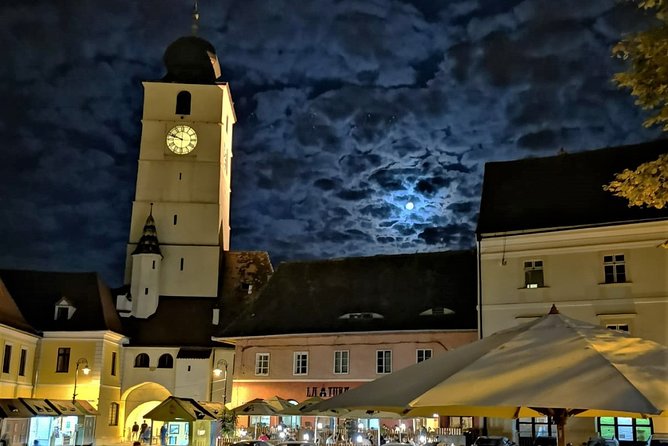
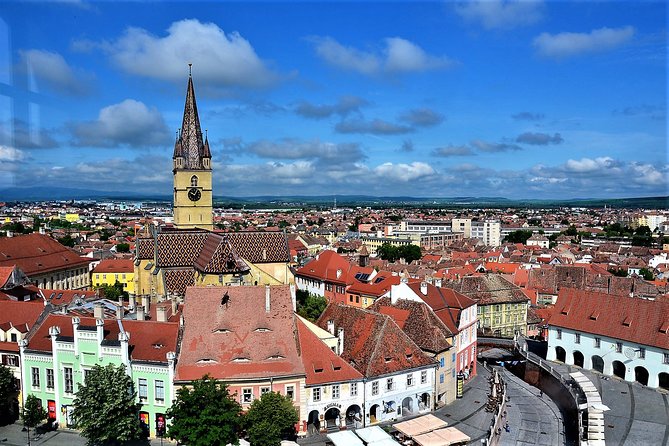
After lunch and a short rest, you reach Sibiu. The old city is compact and easy to explore on foot, with broad squares, colorful facades, and traces of its Saxon past. The route includes the Grand Square, Small Square, and Albert Huet Square, the oldest of the three, dating from the 12th century.
The climb up the Council Tower rewards you with a broad view over the old roofs. It is one of the day’s best orientation points, though the medieval stairs may not suit everyone. You also visit the Orthodox Cathedral, with its connection to the architectural tradition of Saint Sofia in Constantinople, and the imposing Evangelical Church.
Sibiu is a particularly good overnight stop because it feels like a real city rather than a quick photo stop. You can get your first feel for Transylvania’s blend of Romanian, German, Hungarian, and religious traditions.
Day 2: Corvin Castle and Alba Iulia’s layered past
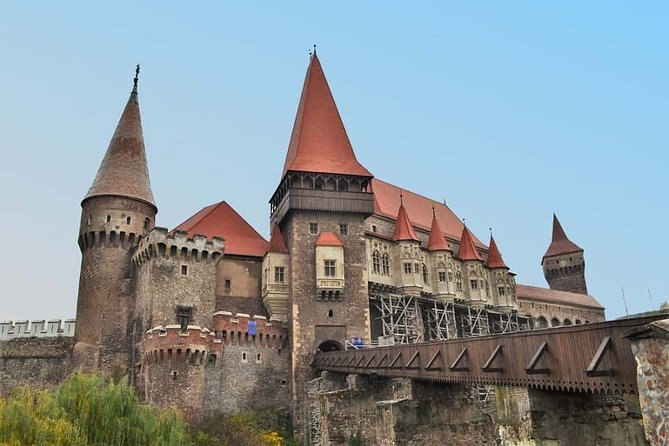
Day two shifts the focus to John Hunyadi, one of the major military leaders of medieval Europe. Corvin Castle, also called Castelul Corvinilor or Hunyadi Castle, is the visual star of the day.
The castle began with Voicu, a Wallachian boyar ennobled by King Sigismund of Luxembourg in 1409. His son, John Hunyadi, later became regent of Hungary and gained fame for defeating the Ottoman forces at Belgrade. Your guide can help separate the documented history from the legends that cling to the castle’s towers and courtyards.
You have about an hour at Corvin Castle. That is enough to appreciate the Gothic setting and main rooms, but visitors who love castle interiors may wish for more time. The dramatic exterior is a major part of the appeal, so take time to look back at the structure as you approach.
Alba Iulia offers a different kind of historical lesson. The Alba Carolina fortress contains Roman remains, medieval religious monuments, and later military works. At Saint Michael Cathedral, you visit the burial place of John Hunyadi. Construction on the cathedral began in 1004, giving it an unusually long historical timeline.
The Orthodox Coronation Cathedral adds another layer. You are not simply moving from one old building to the next. You are seeing how Roman, Catholic, Protestant, and Orthodox traditions overlap in Romania.
You return to Sibiu for a second night. That is a sensible arrangement. After a full day of castle and fortress visits, you do not need another hotel check-in.
Day 3: Saxon villages, hidden frescoes, and Sighisoara
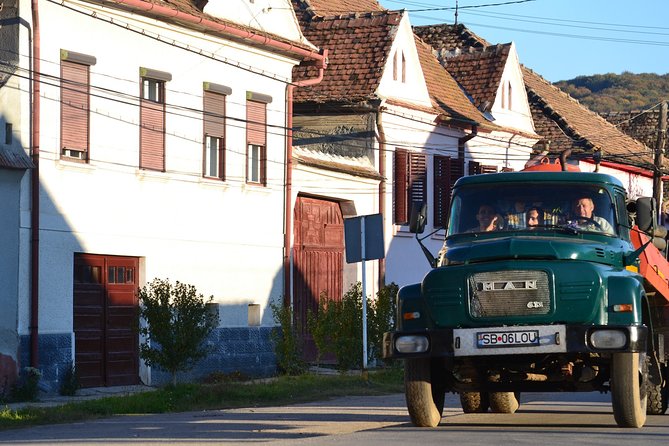
The road from Sibiu to Sighisoara passes through the Hartibaciu Valley, old Saxon villages, and wooded countryside. This is one of the more rewarding stretches for anyone who wants to see rural Transylvania rather than only its headline sights.
Biertan is the first major stop. Its fortified Lutheran church is part of the UNESCO-listed group of Transylvanian fortified churches. These churches were religious centers as well as places of refuge, built to protect village communities during periods of attack.
You then continue to Malâncrav, a small village about 25 kilometers from Sighisoara. Its Lutheran church contains a large Gothic fresco that survived because it was covered with chalk paint after the Lutheran reform. The paintings were found during restoration work in 1914.
This stop rewards patience. Malâncrav is not a grand castle complex. Its value is in the surviving art and the chance to see a quieter village setting. You have about an hour, which should give you time to appreciate the church without turning the visit into a rushed inspection.
Late afternoon brings you to Sighisoara, one of the best-preserved medieval citadels in the region and a UNESCO site. The Clock Tower is the obvious landmark, but the pleasure here comes from walking the old streets and letting the fortified hill reveal itself gradually.
Sighisoara is also linked to Vlad the Impaler, who was born here. The guide’s role is useful at this point because the historical Vlad and the fictional Dracula are often blurred together. You can enjoy the legends while still understanding what is known about the Wallachian ruler.
An evening in Sighisoara is a strong feature of the route. Many short excursions see the citadel in daylight and leave quickly. Here, you have time to enjoy the old center after the day’s main road work is finished.
Same mountains, a completely different day out:
- Bucharest: Dracula’s Castle, Peles Castle, & Brasov Old Town
★ 4.5 · 17,858 reviews - Bucharest: Dracula Castle, Peles Castle & Brasov Old Town
★ 4.6 · 10,891 reviews - Bucharest: Dracula’s Castle, Peleș Castle & Brașov Day Trip
★ 4.5 · 5,919 reviews - Bucharest: Palace of Parliament Tickets and Guide
★ 4.3 · 3,182 reviews
Day 4: Viscri, Prejmer, and the road into Brasov
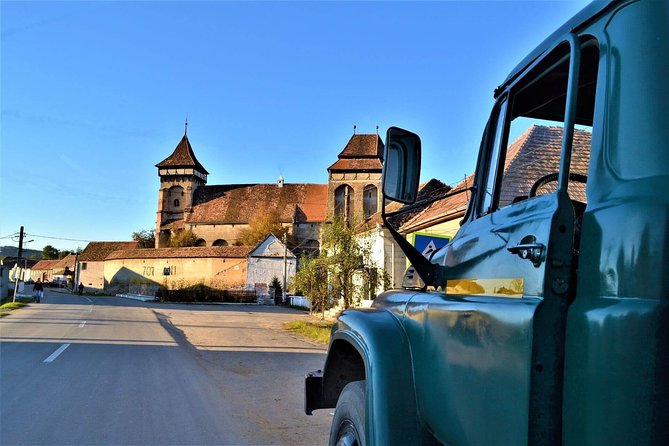
You begin with a view of Saschiz fortified church, another UNESCO World Heritage site. Its tower recalls Sighisoara’s Clock Tower and shows how similar defensive ideas appeared across the Saxon settlements.
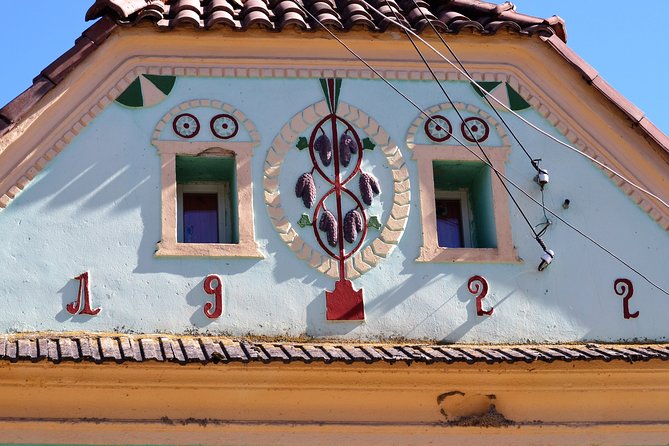
Viscri is the day’s most distinctive village stop. Prince Charles helped put the village on the international map after buying an old Saxon home there, a blue house built in 1753. The point of visiting is not celebrity connection alone. Viscri offers a look at the traditional village pattern that shaped this part of Romania.
Lunch is scheduled in Viscri, and the two-hour stop gives you more time than a brief roadside pause. You might find this one of the most memorable parts of the trip if you enjoy old houses, church fortifications, and rural settings more than formal museum interiors.
On the way toward Brasov, you catch sight of Rupea Fortress. It was built over earlier Roman and Dacian fortifications and is among Romania’s oldest defensive sites. The route treats it as a viewing stop rather than a full extended visit, so do not expect a long exploration inside.
Prejmer is the day’s largest fortified church experience. The Teutonic Knights began the church and fortress after being invited into southeastern Transylvania to defend against attacks from the east. Saxon settlers completed the work after the knights fell out with the Hungarian king.
The fortification is one of seven Saxon sites in Transylvania on the UNESCO World Heritage List. Its walls help you understand why churches in this region look more like small fortresses than peaceful country chapels.
You finish in Brasov, a lively Romanian city built around a fortress founded in 1211. The walking tour covers medieval walls, bastions, towers, and Rope Street, one of Europe’s narrowest streets. Brasov is a good base for the next two nights because it combines a historic center with the services of a larger city.
Day 5: Poiana Brasov, Bran Castle, and the Dracula question
The route rises toward Poiana Brasov, a mountain resort above the city. A cable-car ride takes you to about 1,727 meters, close to Postavaru Peak. In clear weather, you can see across the Carpathians and the Transylvanian plateau.
Weather matters here. The view depends on conditions, so treat the cable-car outing as a scenic bonus rather than the sole reason to book the day. The high road also gives you a change of scenery after several days focused on churches, citadels, and urban history.
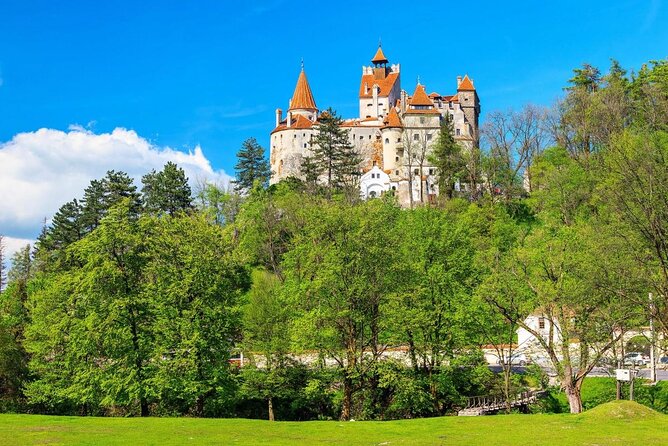
Bran Castle is the famous stop. Built in the 14th century, it guarded a commercial route between Wallachia and Transylvania. Its position on a steep rock made it easy to connect with tales of danger and imprisonment.
The castle became linked with Count Dracula, but the connection is largely literary and popular rather than a simple record of Vlad the Impaler living there. A good guide will help you enjoy the legend without treating every Dracula detail as fact. That balance is one of the useful reasons to have licensed guiding at Bran.
On the return to Brasov, you view Rasnov Fortress from a distance. The 13th-century fortification is associated with the short period when the Teutonic Knights held influence around Brasov. It is a worthwhile sight from the road, though this plan does not give it the same visit time as Bran.
Back in Brasov, you visit the Black Church, the city’s imposing Gothic landmark. After the Dracula-focused morning, the church shifts your attention back to the city’s German and Lutheran roots. Allow yourself a little breathing room here. The church visit is scheduled for an hour, while Brasov’s streets reward a slower look.
Day 6: Peles Castle and a final evening in Bucharest
The final road follows the Prahova Valley from Brasov toward Bucharest, stopping in Sinaia for Peles Castle. This is a sharp contrast to Corvin and Bran.
Peles was built in the late 19th century for Carol I, Romania’s first king. Carol I came from the German Hohenzollern-Sigmaringen family and was known for his sober, disciplined character. The castle, by contrast, is ornate and flamboyant.
That contrast gives the visit its appeal. Peles is not a medieval fortress guarding a pass. It represents Romania’s royal modernization in the late 1800s, when the country was shaping a modern state and royal identity. You have about two hours here, making it one of the more substantial castle visits on the route.
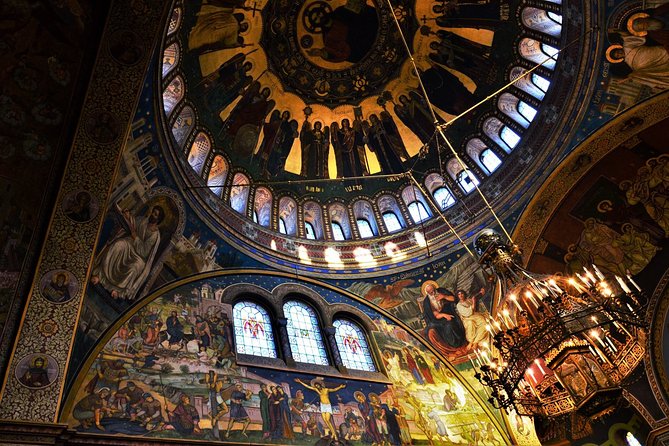
After returning to Bucharest and checking in, you take a guided evening tour of the city. Stavropoleos Church is the key stop, a monastery built in 1724 in the center of the capital. Its intimate scale makes a fitting final note after a week of large castles and fortified walls.
The schedule says six days, while the accommodation arrangement provides six nights. Confirm the exact overnight pattern before booking, since the supplied timing and the day-by-day wording do not line up perfectly. That is a small but useful point to settle in advance.
What the $2,166.68 price includes
At $2,166.68 per person, this is not a budget bus tour. The value comes from the private format and the amount of coordination handled for you.
The price includes six nights in double-occupancy rooms at three-star superior hotels or guesthouses, breakfast, private transportation, an air-conditioned vehicle, listed entrance fees and taxes, and lunch. Flights, other meals, and photo fees are extra.
For two people, the cost buys more than admission tickets. You are paying for a dedicated vehicle, a route that connects distant sights, hotel arrangements, and a guide who can adjust the day. That can be worthwhile in Romania, where the most interesting churches and villages are not all near major train stations.
The value is weaker if you are comfortable driving yourself, arranging guesthouses, and building a shorter route. It is also worth checking exactly which meals and cable-car costs are covered, since the inclusion list names lunch but does not include all meals.
Who will get the most from this tour
I would recommend this experience to you if you want a broad first visit to Romania and prefer private guiding to independent logistics. It suits couples, families, and small groups who want to ask questions freely and travel in their own party.
It is especially good for people interested in:
- Medieval military history
- Saxon towns and fortified Lutheran churches
- Romanian royal history
- Dracula and Vlad the Impaler, with the myths explained
- Scenic mountain roads
- A mix of major sights and rural villages
You should think twice if you want a beach-rest style holiday, long café breaks, or several free days in one city. The pace is active, and the road time is part of the bargain.
The operator allows service animals, the experience is near public transportation, and most people can participate. It is also non-refundable and cannot be changed after booking, so make sure your dates and room arrangement are correct before paying.
Should you book Transylvanian Week?
Book it if you want the hard work removed from a six-day Romanian route. The strongest parts are the variety, the private vehicle, the repeated nights in Sibiu and Brasov, and the access to places such as Malâncrav and Viscri that are easy to miss on a standard city break.
I would choose it for a first visit when Corvin Castle, Sighisoara, Bran, Peles, and the fortified churches all appeal to you. I would skip it if the cost feels high for three-star lodging or if you prefer to explore one town at a time.
Before booking, ask for the precise hotel names, the final number of nights, the exact lunch arrangement, and what happens if poor weather affects the Poiana Brasov cable-car ride. With those details clear, this is a well-rounded private introduction to Transylvania, with enough history to give the Dracula stories a proper setting.
FAQ
How long is the Transylvanian Week tour?
The tour is described as a six-day experience. It also includes six nights of accommodation, so confirm the exact overnight schedule before booking.
Where does the tour begin?
Pickup is offered from your hotel in Bucharest or from the airport.
Where does the tour end?
The route returns to Bucharest on the final day, after visiting Peles Castle and taking an evening tour that includes Stavropoleos Monastery.
Is transportation private?
Yes. Your group travels by private transportation in an air-conditioned vehicle, and only your party participates.
What accommodation is included?
Six nights are included in double-occupancy rooms at three-star superior hotels or guesthouses. Breakfast is included.
Are admission fees included?
The tour includes listed entrance fees and taxes. The supplied details specifically show included admission for Corvin Castle, Alba Iulia, Biertan, Malâncrav, Sighisoara, Viscri, Prejmer, the Black Church, and Peles Castle.
Are meals included?
Breakfast is included each morning, and lunch is listed among the inclusions. Other meals are not included, and flights and photo fees are also extra.
More 7-Day Experiences in Bucharest
- 4×4 Driving Experience at Flying Altitudes – 7 Days
★ 5.0 · 13 reviews - 7-Day Private Tour of Transylvania from Bucharest
★ 5.0 · 13 reviews - Amazing Romania – Seven day private tour from Bucharest
★ 5.0 · 7 reviews - 7 days Private Romania Grand Tour from Bucharest
★ 5.0 · 6 reviews
Just added around Bucharest
- Village Museum Bucharest Guided Tour★ 5.0 · 6 reviews
- Bucharest: Dealu Mare Winery Private Trip with Wine Tasting★ 4.9 · 6 reviews
- Winery touring & private wine tasting – one day private tour★ 5.0 · 3 reviews
- Transylvania Tour: Dracula’s Castle, Peles Palace & Brasov★ 5.0 · 19 reviews
- Discover Medieval Transylvania Small Group Tour – 7 days★ 5.0 · 4 reviews
- Bucharest Airport Transfer To Constanta Mamaia★ 5.0 · 3 reviews
- Airport Henri Coanda (Otopeni) to Bucharest – Private Transfer – Driver★ 5.0 · 5 reviews
- Gems of Transilvania: Brasov,Sighisoara,Sibiu,Viscri and more★ 5.0 · 6 reviews
Transylvania Tours, compared.
Transylvania and Dracula Castle Full Day Tour from Bucharest
Read our review →
Castles of Transylvania: Private Day Trip from Bucharest
Read our review →
2-Day Medieval Transylvania with Brasov,Sibiu and Sighisoara Tour from Bucharest
Read our review →
Transylvania: Dracula’s Castle and Birthplace Tour
Read our review →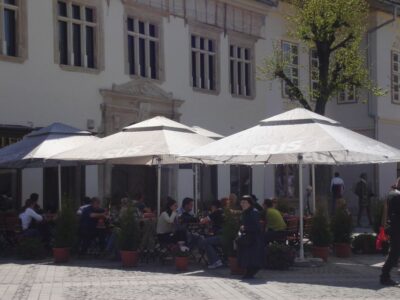
SB01 – City Tour Sibiu: Exploring the Heart of Transylvania
Read our review →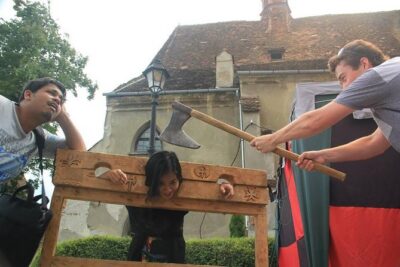
Day trips and excursions in nature, cities in Transylvania, Brasov!
Read our review →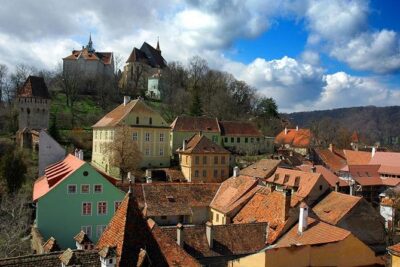
2-Day Transylvania from Bucharest: Brasov, Bran, Sighisoara
Read our review →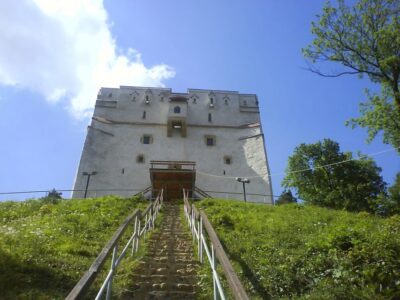
Browse the lists this tour appears in