Reviewed · BUCHAREST TOURS
Troubled – Notorious Neighborhood – area known for social issues
Bucharest’s polished center tells only part of the story. This private tour takes you into Ferentari and Rahova, then out to Sintești, where poverty, local markets, Roma community life, and lavish Roma homes sit far outside the usual sightseeing route. I like the honest look at a city that many tours carefully avoid, and I like that guides such as Sebastian, Catalin, Bogdan, and Valerica explain when to walk, when to watch, and when not to take photographs.
The strongest parts are the guide-led conversations and the chance to see ordinary shopping and neighborhood life rather than monuments. The tradeoff is clear: this is not a pretty or carefree outing. You must dress plainly, leave jewelry and expensive items behind, and respect privacy, especially in places where an outsider with a camera could cause trouble.
In This Review
- Key points to know before booking
- A different Bucharest begins in Ferentari
- Rahova, markets, and the former prison area
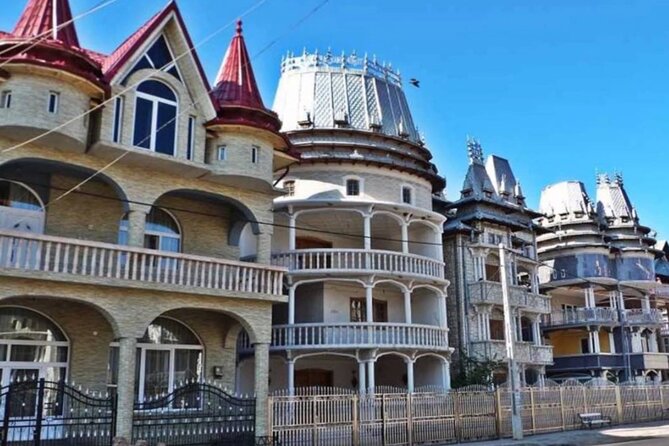
- Sintești and the contrast of Roma palaces
- Why a private vehicle changes the experience
- The right way to approach Roma communities
- What the $130.83 price really buys
- Who will get the most from this outing
- Small details that make a big difference
- Should you book this Bucharest tour?
- FAQ
- Where does the tour take place?
- How long does the experience last?
- Is this a private tour?
- Is pickup available?
- What should I wear?
- What is the cancellation policy?
Key points to know before booking
- Three very different stops: Ferentari, Rahova, and Sintești show several sides of Bucharest’s Roma communities and social problems.
- About 3 hours 30 minutes: Each main stop is listed at roughly 1 hour 10 minutes, with most of the route covered by vehicle.
- A private experience: Only your group takes part, giving you more room to ask questions and follow the guide’s instructions.
- Markets and walking sections: You may walk through a flower market, a local market, and parts of Rahova where people live.
- Respect matters: Dress simply, avoid expensive items, and do not photograph or film whenever you wish.
- Strong overall response: The tour has a 4.8 rating from 21 reviews, with 95 percent recommending it.
A different Bucharest begins in Ferentari
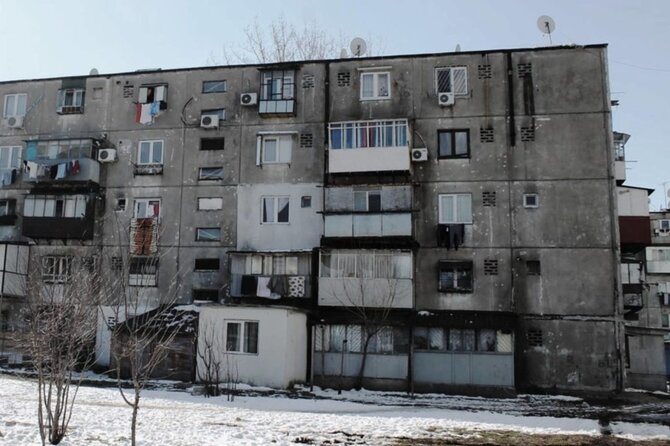
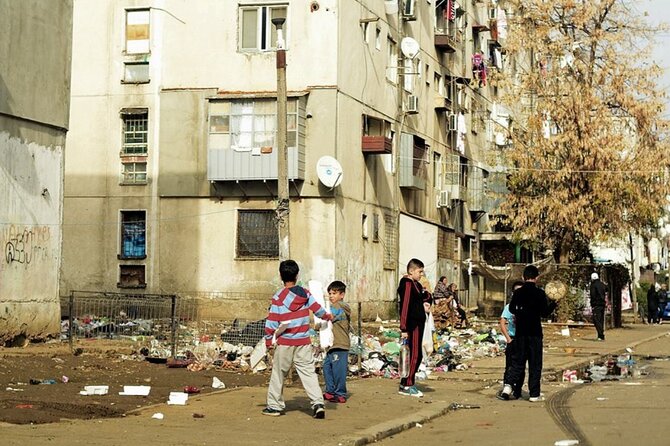
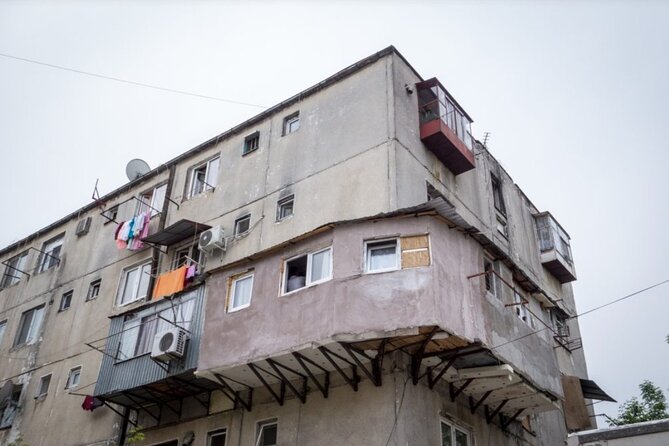
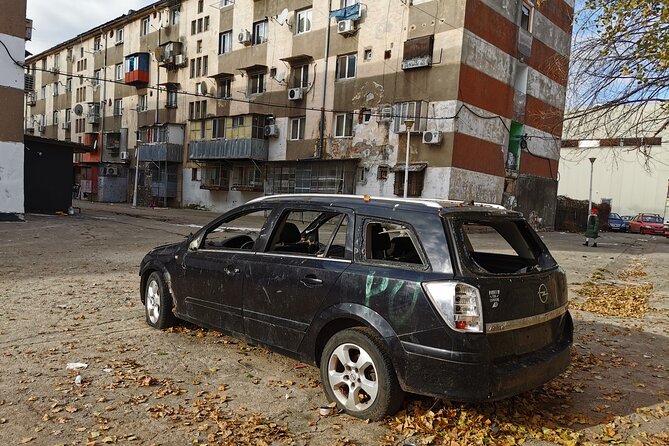
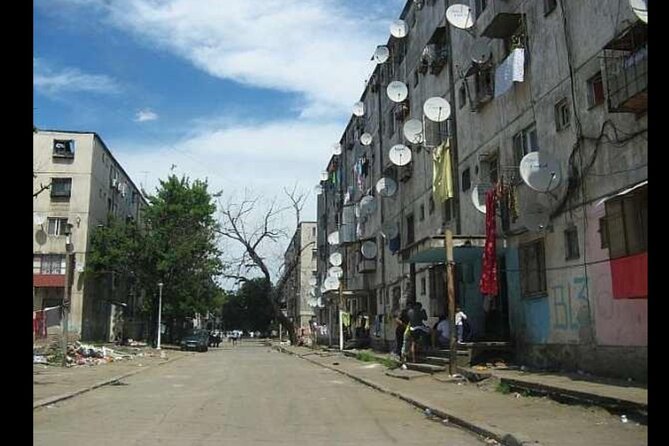
Ferentari is presented as Bucharest’s most troubled and poorest well-known neighborhood, with some of the lowest living standards in the capital. That description sets the tone. You are not coming here for grand architecture or a tidy photo stop. You are coming to see how hardship shapes daily life in a part of the city most sightseeing routes leave out.
The stop lasts about 1 hour 10 minutes. Some of that time is spent traveling by vehicle, while certain sections are on foot. The guide may take you through local shopping areas and streets where you can see the pace of ordinary life. The point is not simply to look at poor housing. It is to place the neighborhood in the wider story of Bucharest, including the sharp difference between the capital’s tourist center and its neglected edges.
I value the fact that the guide acts as a buffer and interpreter. Sebastian is described as warm, funny, and well informed about the areas visited. Valerica is especially careful about discipline, local rules, and respectful behavior. That matters here. You are entering a community, not a museum exhibit.
Do not expect a comfortable walking tour from one attraction to the next. The roads, buildings, and surroundings may be difficult to see, and the subject itself can be upsetting. If you want a cheerful introduction to Bucharest, choose a food walk or a central-city tour instead. If you want to understand the city’s social divide, Ferentari gives you the clearest start.
Other Bucharest days worth putting on the list:
- Bucharest: Dracula’s Castle, Peles Castle, & Brasov Old Town
★ 4.5 · 17,858 reviews - Bucharest: Dracula Castle, Peles Castle & Brasov Old Town
★ 4.6 · 10,891 reviews - Bucharest: Dracula’s Castle, Peleș Castle & Brașov Day Trip
★ 4.5 · 5,919 reviews
Rahova, markets, and the former prison area
Rahova forms the second major stop, also scheduled for about 1 hour 10 minutes. The neighborhood is associated with a large Roma population and with the former Rahova Penitentiary, listed at Strada Adrian 4. The prison reference adds another layer to the stop, linking the area not only to poverty and community life but also to Bucharest’s history of punishment and exclusion.
The Rahova portion appears to mix driving with short walks. You may pass through a flower market and a local market, where the tour becomes less about viewing from a car window and more about seeing how people shop, work, and meet. One useful detail is that you may be able to buy groceries at the market yourself. That gives the stop a practical, everyday feel, although you should follow the guide’s lead and avoid turning the experience into a spectacle.
Catalin is described as particularly good at explaining Roma history, community rules, and the limits of what is appropriate. He also keeps the mood human with humor, which can help during a difficult subject. Bogdan is noted for his friendly manner and his explanations of Bucharest’s past. Guide quality matters a great deal here because the same streets can feel either informative or intrusive depending on how they are presented.
Photography deserves special attention. You should not assume that a market, a home, or a person is automatically fair game for your camera. Ask first, listen to the guide, and accept a no without argument. The tour’s instructions to stay alert and sensitive are not decorative advice. They are central to having a safe and decent experience.
Sintești and the contrast of Roma palaces
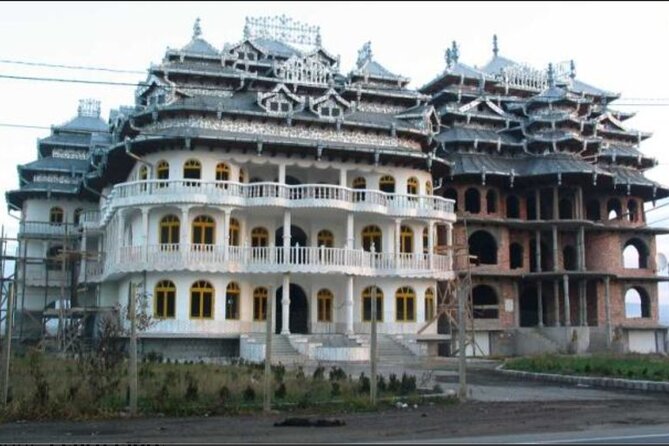
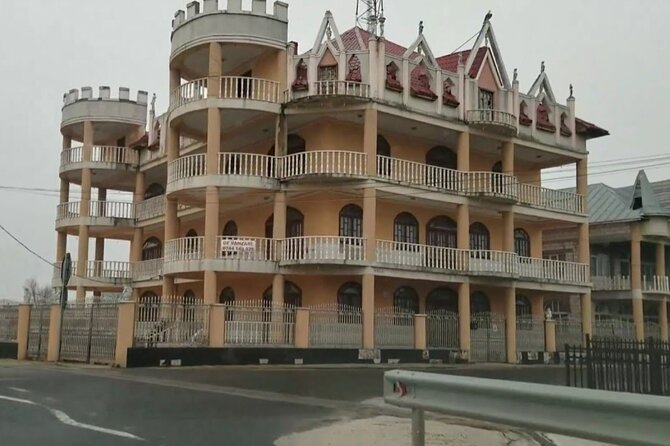
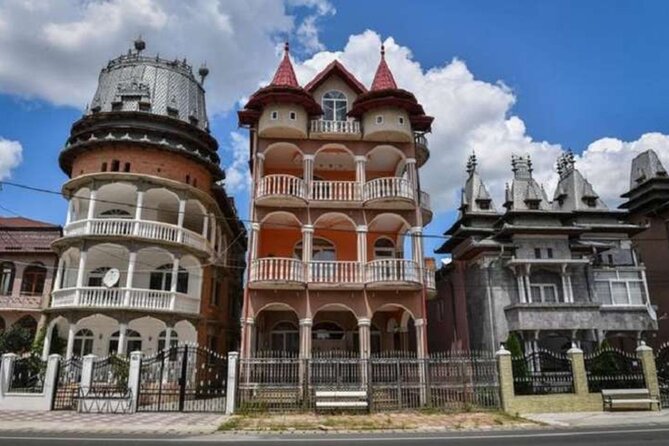
The final stop takes you outside Bucharest to Sintești, sometimes written as Sinești in the tour details. The listed address is Strada Principală Nr. 353A, Sintești. This village is known for its large Roma houses, often called Roma palaces, and it shows a very different side of the community from the poorer streets of Ferentari and Rahova.
That contrast is the reason the stop works. In the first two areas, you see low living standards and the pressure of daily hardship. In Sintești, you see homes built to display wealth and status. The tour presents these locations together so you can consider the wide range of Roma life rather than reducing an entire population to one image.
The guide can also explain the social and economic background behind this contrast. The supplied details refer to the wealthiest Roma families and to questions about how some money is made, but you should treat such explanations as context rather than a license to judge every household you see. Avoid assumptions. A large house tells you something about public display and status, but not everything about the people inside it.
This stop is also a reminder that Bucharest’s social story reaches beyond the municipal boundary. You are not only touring neighborhoods in the Romanian capital. You are looking at the relationship between the city, nearby villages, minority communities, and different forms of wealth.
Why a private vehicle changes the experience
The tour lasts approximately 3 hours 30 minutes, with each of the three main stops allocated about 1 hour 10 minutes. A large portion is done by vehicle, which is useful for covering Ferentari, Rahova, and Sintești in one outing. You are not asked to walk for several hours through difficult areas, though there are walking sections at markets and in some local streets.
The private format is one of the tour’s best practical features. Only your group participates, so you can ask direct questions about Roma culture, Bucharest’s social problems, the prison, local markets, or the difference between the neighborhoods. You are also less likely to feel rushed by a large group.
Pickup is offered, and the meeting points are near public transportation. The listed Bucharest locations include Strada Zăbrăuţului 5, Aleea Iacob Andrei 11, Aleea Livezilor, Strada Pucheni 1, and Strada Amurgului 4. Since several streets are involved, confirm the pickup details when booking rather than assuming the route begins at a central landmark.
An English-language guide is provided. Named guides associated with the experience include Sebastian, Matthew, Bogdan, Catalin, and Valerica. Your actual guide will depend on the date, but the descriptions suggest that the guiding style is a major part of the outing. The best guide for this subject is not simply someone who knows street names. You need someone who can explain sensitive issues without treating hardship as entertainment.
Same mountains, a completely different day out:
- Bucharest: Palace of Parliament Tickets and Guide
★ 4.3 · 3,182 reviews - Bucharest: Day Trip to Dracula Castle, Peles Castle & Brașov
★ 4.4 · 3,049 reviews - Bucharest to Dracula Castle, Peles Castle and Brasov Guided Tour
★ 4.5 · 2,933 reviews - Bucharest: Palace of Parliament Tickets and Guided Tour
★ 4.4 · 1,877 reviews
The right way to approach Roma communities
The word gypsy appears in some of the supplied tour descriptions, but Roma is the more respectful term for the people and communities discussed here. That choice of language matters because the experience deals with a minority group that has faced long discrimination and social exclusion.
You should arrive with curiosity, not a checklist of shocking sights. Ask questions about daily life, history, housing, work, and family structure. Avoid questions that treat poverty or wealth as proof of personal character. A good conversation leaves room for complexity.
The guide may help you speak with local people, but that does not mean every person wants to be approached. A market purchase can be a normal interaction if you behave like a customer. A photograph of someone’s home or children is different. Always ask before taking pictures, and do not film conversations without clear permission.
The dress advice is unusually direct: wear simple clothing, avoid jewelry, and do not bring expensive items. Follow it. It protects you from drawing attention and helps you avoid appearing to flaunt wealth in areas where many people have little. Keep your belongings modest and your behavior calm.
What the $130.83 price really buys
At $130.83 per person, this is not a cheap way to fill an afternoon. The value depends on what you want from Bucharest. If you want famous buildings, museum interiors, or a standard city overview, the price is hard to justify. You can find those experiences elsewhere for less.
The price makes more sense if you want access to places you would not sensibly visit alone. You are paying for a private vehicle, a guide who understands the neighborhoods, route planning, local context, and help with social boundaries. You are also covering three distinct areas in a single half-day rather than trying to piece together transport and explanations yourself.
Group discounts may improve the per-person value if several people book together. Since the activity is private, it is especially worth comparing the total cost for your group rather than looking only at the individual figure. A couple may see it as a costly but focused experience. A larger group may find the arrangement more reasonable if the discount applies.
I would also judge the price by the guide’s conduct. The tour is worthwhile only if the guide explains rather than sensationalizes. Sebastian’s humor, Catalin’s clear rules, Valerica’s careful approach, and Bogdan’s historical storytelling point to the kind of guidance you should expect, though the exact person is not guaranteed.
Who will get the most from this outing
I would recommend this experience to you if you have already seen Bucharest’s central sights and want a harder, less polished look at the capital. It suits people interested in social history, Roma culture, urban inequality, local markets, and the way a city changes from one district to the next.
It can also suit photographers and documentary-minded visitors, but only those willing to put the camera away when asked. The experience is not a free pass to collect dramatic images. In many cases, the most valuable thing you take home is a better understanding, not a memory card full of pictures.
It is less suitable for young children, anyone seeking a relaxed sightseeing ride, or people who feel uncomfortable around poverty and visible social problems. The description says most people can participate, but that does not mean the subject will be easy for everyone.
People with a strong interest in Roma life may find the mix of poor neighborhoods and wealthy homes especially useful. It prevents the common mistake of treating one district as representative of an entire ethnic group. The tour’s range is its main educational strength.
Small details that make a big difference
Book as far ahead as your plans allow. The experience is booked an average of 48 days in advance, which suggests that leaving it until the last day may not work, particularly if you need a private departure.
Confirmation is issued at booking, and mobile tickets are accepted. Public transportation is nearby, while pickup is offered. Ask for the exact pickup arrangement and the guide’s name before the day begins, especially because the listed stops use several street addresses.
You can cancel for a full refund if you do so at least 24 hours before the start time. Changes or cancellations made less than 24 hours before departure are not accepted for a refund, and the cut-off follows Bucharest local time.
The overall rating is 4.8 from 21 reviews, with 95 percent recommending the experience. Those figures suggest strong satisfaction, but the sample is small and the subject is highly personal. I would pay more attention to whether the tour’s tone matches your own expectations than to the rating alone.
Should you book this Bucharest tour?
Book it if you want to see Bucharest beyond its postcard center and are ready to approach Roma communities with patience and respect. The three-stop structure gives you a clear comparison: Ferentari’s poverty, Rahova’s markets and prison associations, and Sintești’s palaces and visible wealth.
Skip it if you want light entertainment, easy photography, or a conventional history tour. This is a serious outing with some difficult sights, and its success depends on your behavior as much as the guide’s.
For the right person, the $130.83 price buys something unusual: guided access, local explanation, and a fuller picture of Bucharest’s social life. Wear plain clothes, keep your camera in its bag unless invited to use it, and listen carefully. That is how you get the most from this experience.
FAQ
Where does the tour take place?
The tour visits Ferentari and Rahova in Bucharest, followed by Sintești, a village with Roma palaces. Listed Bucharest locations include Strada Zăbrăuţului 5, Aleea Iacob Andrei 11, Aleea Livezilor, Strada Pucheni 1, Strada Amurgului 4, and Rahova Penitentiary on Strada Adrian 4.
How long does the experience last?
The tour lasts approximately 3 hours 30 minutes. Ferentari, Rahova, and Sintești are each allocated about 1 hour 10 minutes.
Is this a private tour?
Yes. Only your group participates in the activity.
Is pickup available?
Yes, pickup is offered. The tour is also near public transportation.
What should I wear?
You should dress as simply as possible and avoid jewelry and expensive items. You should also respect instructions about photography and filming in the neighborhoods.
What is the cancellation policy?
You can cancel at least 24 hours before the start time for a full refund. Cancellations or changes made less than 24 hours before the experience are not accepted for a refund.
Just added around Bucharest
- Winery touring & private wine tasting – one day private tour★ 5.0 · 3 reviews
- Village Museum Bucharest Guided Tour★ 5.0 · 6 reviews
- Bucharest: Dealu Mare Winery Private Trip with Wine Tasting★ 4.9 · 6 reviews
- Transylvania Tour: Dracula’s Castle, Peles Palace & Brasov★ 5.0 · 19 reviews
- Discover Medieval Transylvania Small Group Tour – 7 days★ 5.0 · 4 reviews
- Bucharest Airport Transfer To Constanta Mamaia★ 5.0 · 3 reviews
- Airport Henri Coanda (Otopeni) to Bucharest – Private Transfer – Driver★ 5.0 · 5 reviews
- Gems of Transilvania: Brasov,Sighisoara,Sibiu,Viscri and more★ 5.0 · 6 reviews
Bucharest Tours, compared.
Dracula’s Castle, Peles Castle, & Brasov Old Town
Read our review →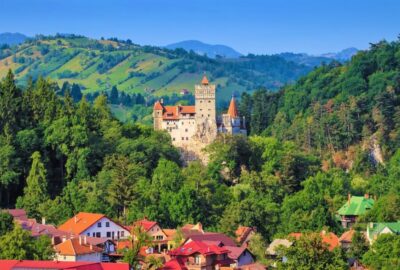
Dracula Castle, Peles Castle & Brasov Old Town
Read our review →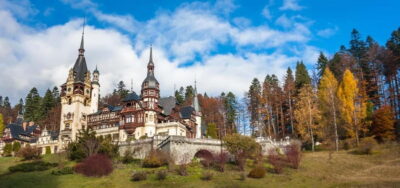
Dracula’s Castle, Peleș Castle & Brașov Day Trip
Read our review →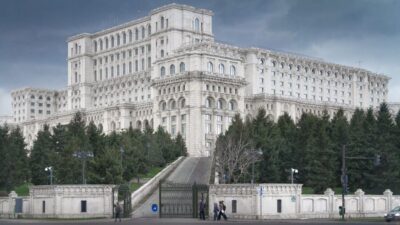
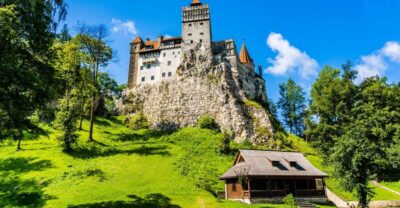
Day Trip to Dracula Castle, Peles Castle & Brașov
Read our review →
Bucharest to Dracula Castle, Peles Castle and Brasov Guided Tour
Read our review →