
Reviewed · DRACULA & BRAN CASTLE TOURS
7-Day Dracula Tour in Romania from Bucharest including ‘The Ritual of Killing of a Living Dead’
Romania’s Dracula story makes the most sense when you see the real places behind it. This seven-day route links Vlad Țepeș’s fortresses, Bram Stoker’s fictional landmarks, medieval Saxon towns, a royal palace, and the strange underground world of Turda Salt Mine. The special Ritual of Killing of a Living Dead in Turda adds a theatrical, folklore-focused twist.
I like the way history and vampire lore share the same route, instead of treating Dracula as a costume-only theme. I also like the practical setup: hotels, transport, many admissions, breakfasts, and two dinners are covered, so you can focus on the sights. The main drawback is the long driving schedule, with some stops lasting only about an hour and a final return to Bucharest after 7 days on the road.
In This Review
- Key points before you book
- Why this Dracula route works
- Day 1: Snagov Monastery and the story of Vlad’s burial
- Day 2: Poenari’s ruins and Sibiu after dark
- Day 3: Corvin Castle, Turda Salt Mine, and a vampire-themed evening
- Day 4: Cluj-Napoca and the road to Bistrita
- Day 5: Three hours in Sighișoara
- Day 6: Bran Castle, Brașov, and Dracula’s most famous address
- Day 7: Peles Palace, Targoviste, and the long return
- What the $1,685.87 price really covers
- Guides, vehicles, and the pace of the week
- Who should book this tour
- FAQ
- Where does the tour begin?
- What time does the tour start?
- How long does the tour last?
- Where does the tour end?
- Is hotel pickup included?
- How many nights of accommodation are included?
- Are meals included?
- Is the Ritual of Killing of a Living Dead guaranteed?
- Are attraction admissions included?
- Can I request vegetarian meals?
- Should you book it?
Key points before you book
- Snagov Monastery connects Vlad to legend: Visit the place associated with his burial, though the Dracula connection is rooted in tradition and storytelling.
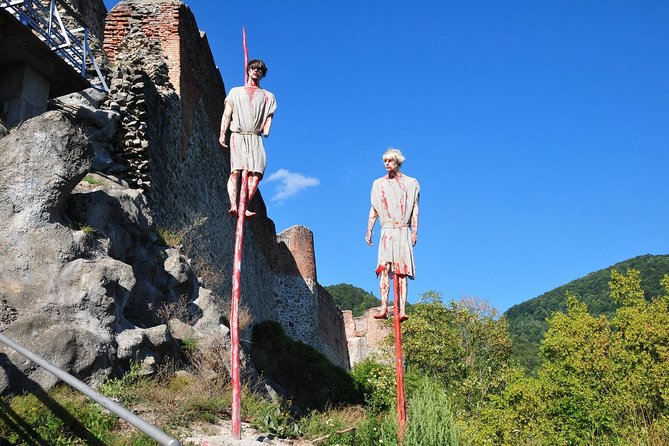
- Poenari is the rugged Vlad fortress: The ruins offer a more serious look at Vlad Țepeș than the polished Dracula image.
- Turda combines salt mining with vampire theater: The underground mine and special evening event give this tour its most unusual pairing.
- Bran Castle is famous for fiction, not a simple Vlad connection: Your guide helps separate Stoker’s Dracula from Romanian history.
- Sighișoara and Brașov bring the medieval setting to life: These preserved towns may appeal to you as much as the castles.
- The price covers much of the trip: At $1,685.87 per person, the package includes six nights, transport, guide services, meals listed in the program, and key entry fees.
Why this Dracula route works
This is not a single-castle excursion with a quick photo stop. You spend a full week moving through central Romania, sleeping in historic cities and smaller towns rather than returning to Bucharest each evening.
That matters because the Dracula story has several layers. Vlad Țepeș was a 15th-century ruler remembered for harsh methods and political conflict. Bram Stoker later transformed the name Dracula into a Gothic character, even though the novel’s geography and the historical Vlad do not line up neatly.
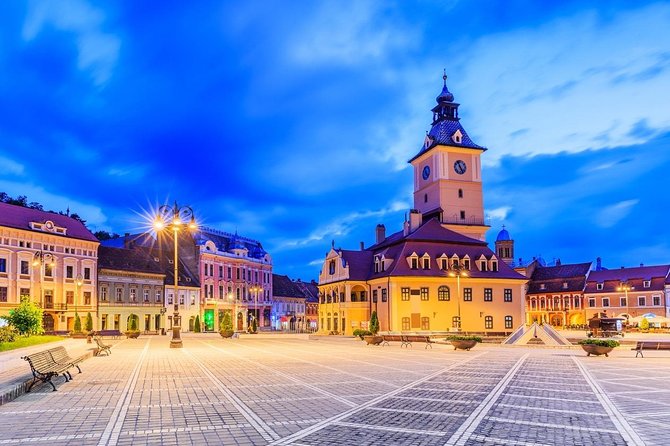
You get both versions here. Snagov and Poenari point toward Vlad’s life. Bran Castle and Borgo Pass connect more closely to the popular literary image. Sighișoara, Sibiu, Brașov, and Cluj-Napoca show the real communities and architecture that give Transylvania its character.
The pace is active. Most days combine road travel with one or more guided visits. You should be comfortable spending many hours in a coach, minibus, or car, depending on the size of the group. The maximum group size is 50, but the vehicle used may be smaller.
More Dracula & Bran Castle Tours in Bucharest
- Bucharest: Dracula’s Castle, Peles Castle, & Brasov Old Town
★ 4.5 · 17,858 reviews - Bucharest: Dracula Castle, Peles Castle & Brasov Old Town
★ 4.6 · 10,891 reviews - Bucharest: Dracula’s Castle, Peleș Castle & Brașov Day Trip
★ 4.5 · 5,919 reviews
Day 1: Snagov Monastery and the story of Vlad’s burial
The tour begins at 10:00 am from Moxa Bucharest Boutique Hotel on Calea Victoriei. Pickup is offered there, and the route heads north to Snagov Monastery.
The monastery is tied to the legend that Vlad was buried there after his assassination. That claim gives the first day an immediate Dracula hook, but the value of the visit is also its role in showing how history, religious sites, and local legend overlap.
You have about an hour at the monastery, with admission included. That is enough for a focused visit, though not for a slow architectural study or a long independent exploration.
The first night is in a centrally located 4-star hotel. A welcome dinner is included, giving you a useful first taste of the tour’s social side and a chance to settle into the group. The first evening is relatively gentle compared with the long road days that follow.
Day 2: Poenari’s ruins and Sibiu after dark
Poenari Castle is one of the most important stops for anyone interested in the historical Vlad rather than only the fictional count. The fortress is presented as Vlad’s old stronghold, now in ruins.
The stop is scheduled for about an hour, so expect a compact visit. The attraction is less about intact rooms and polished displays, and more about the location and the surviving remains of a once-defensive site.
Afterward, the route continues to Sibiu. The city tour focuses on its fortified old town, where medieval walls and historic urban spaces provide a strong contrast to the isolated castle ruins.
I like this pairing. Poenari gives you the rough, physical side of Vlad’s story. Sibiu shows the organized towns and fortified communities of Transylvania. You are not just collecting castle photos. You are seeing how rulers, merchants, and towns protected themselves in different ways.
The day may feel road-heavy, especially if you prefer long walking visits. Still, reaching Sibiu for an evening tour means you see more than a roadside attraction and return to a city with a central hotel.
Day 3: Corvin Castle, Turda Salt Mine, and a vampire-themed evening
Day 3 packs in three very different experiences. First comes Corvin Castle in Hunedoara, one of Romania’s most striking Gothic castles.
The castle is known for its towers, defensive shape, and dramatic setting. The visit lasts about an hour, with admission included. That gives you time to appreciate the main rooms and exterior details, but you may want more time if medieval architecture is your main interest.
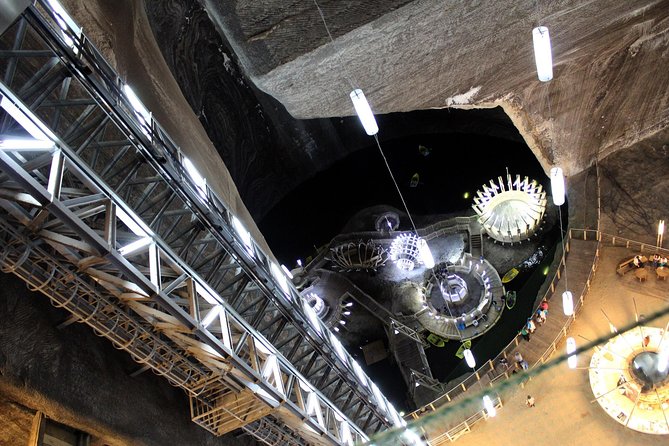
The route then continues to Turda, a small town with a medieval feel and home to one of Romania’s oldest salt mines. Salina Turda takes you below ground into a large former mining complex. The visit is included and lasts about an hour in the stated schedule.
This stop changes the mood completely. Instead of stone walls and noble families, you see the scale of industrial labor and salt extraction. It is also a welcome break from the familiar castle circuit.
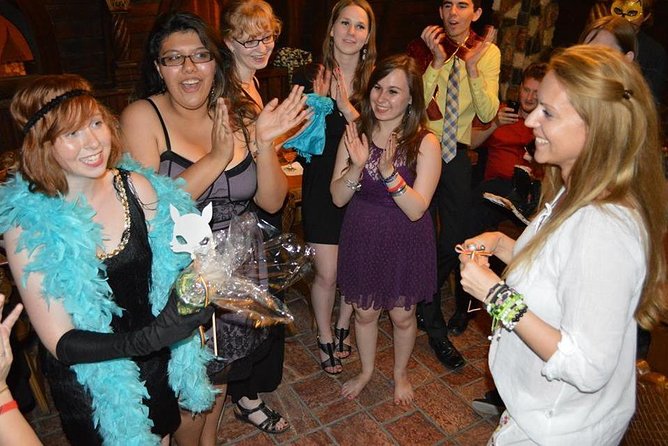
Dinner in Turda includes a vampire menu. The tour’s special event, the Ritual of Killing of a Living Dead, also takes place here. The wording is theatrical, and you should treat it as a folklore-themed performance rather than a historical reenactment with documentary precision. It is offered only when the group has at least four people, so the event depends on meeting that minimum.
That evening you stay at a 3-star hotel in Borgo Pass, described as a hotel built around Bram Stoker’s imagined Dracula setting. This is one of the tour’s clearest links to the novel. If you are a serious Stoker fan, the literary geography will likely be a highlight. If you prefer documented Romanian history, keep your expectations clear: the connection is imaginative, not a direct record of Vlad’s life.
Same mountains, a completely different day out:
- Bucharest: Palace of Parliament Tickets and Guide
★ 4.3 · 3,182 reviews - Bucharest: Day Trip to Dracula Castle, Peles Castle & Brașov
★ 4.4 · 3,049 reviews - Bucharest to Dracula Castle, Peles Castle and Brasov Guided Tour
★ 4.5 · 2,933 reviews - Bucharest: Palace of Parliament Tickets and Guided Tour
★ 4.4 · 1,877 reviews
Day 4: Cluj-Napoca and the road to Bistrita
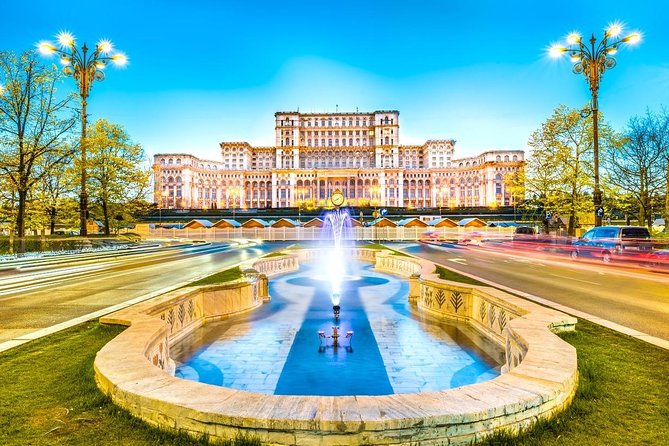
Day 4 brings a city visit to Cluj-Napoca, with a tour of medieval buildings including Saint Andrews Cathedral. Admission is not listed as included for this stop, but the city tour itself is part of the program.
Cluj-Napoca gives you a broader view of modern Romania alongside its older architecture. After several castles and fortress towns, a city stop helps prevent the trip from feeling like a single-theme history lesson.
The route then follows the steps of Jonathan Harker, Bram Stoker’s character, toward Bistrita and Borgo Pass. This is where the tour leans hardest into the novel’s atmosphere and sense of place.
The schedule is not built around long independent time in Cluj-Napoca. You get a guided look, then continue onward. That will suit you if you want a connected route, but it may disappoint if you hoped to explore cafés, museums, or shops at your own pace.
Day 5: Three hours in Sighișoara
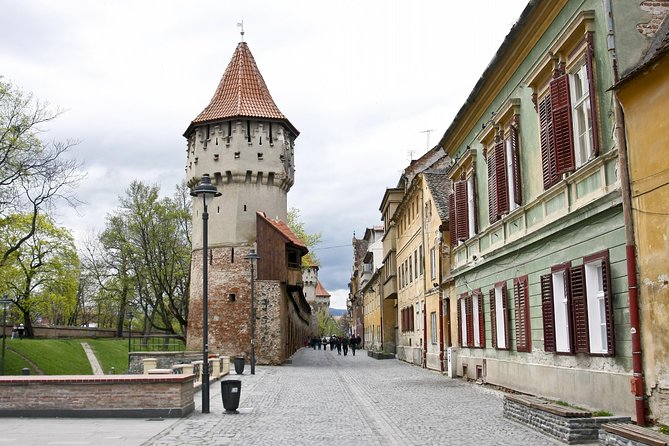
Sighișoara is one of the strongest stops on the whole week. Its medieval citadel is a UNESCO World Heritage Site, and the schedule allows about three hours, longer than most individual visits on this trip.
The old town’s preserved streets, towers, and fortified character make it an ideal place to connect the Dracula story with real medieval urban life. Sighișoara is also associated with Vlad Țepeș’s early life, giving the town a historical link that feels more grounded than the broad Dracula branding used elsewhere.
The Clock Tower is included, with about an hour set aside for the visit. It was once known as the Gate Tower and served practical civic purposes, including council meetings and storage for the town’s archives and treasury.
You should bring comfortable shoes for this day. The visit is centered on a historic citadel, not a modern flat shopping district. Three hours is a useful amount of time, though you may still need to choose between lingering over details and seeing every corner.
Sighișoara is also one of the places where staying overnight in the region pays off. You are not rushing in from Bucharest for a single photograph. The town gets a proper place in the route.
Day 6: Bran Castle, Brașov, and Dracula’s most famous address
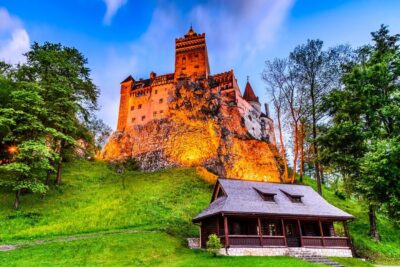
Bran Castle is the headline stop for many people booking this tour. It is one of Transylvania’s best-known symbols, and the visit lasts about two hours with admission included.
The castle has its own appeal apart from Dracula. Its unusual form and hilltop position make it memorable, while the Bram Stoker connection has turned it into the region’s most famous fictional landmark.
Here is where a good guide matters. Bran Castle is popularly called Dracula’s Castle, but that label can blur the difference between the novel, the historical Vlad, and the actual record of the building. The tour promises help separating fact from fiction, which is one of its most useful features.
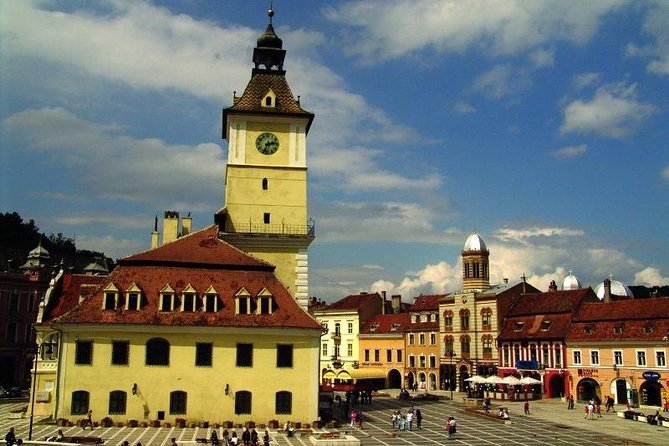
The next stop is Brașov’s medieval center, also scheduled for about two hours. Brașov had a difficult past and built defensive fortifications between the 15th and 17th centuries in response to repeated attacks from the east.
This gives you another chance to see how Transylvania’s towns were shaped by danger, trade, and local power. The city also helps balance the castle visits with a larger, lived-in historic center.
The combination of Bran and Brașov makes Day 6 one of the most satisfying days, but it is also a busy one. You get a substantial castle visit and a city tour, yet independent time remains limited.
Day 7: Peles Palace, Targoviste, and the long return
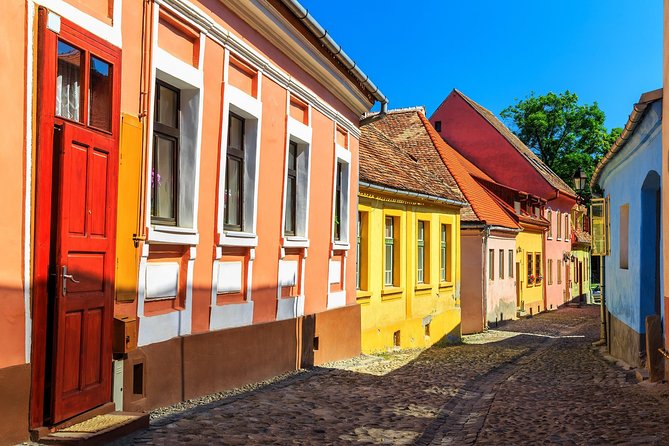
The final morning heads to Sinaia for Peles Castle, the royal palace. This is a major change from Vlad’s fortresses and Gothic legends. Peles offers a look at Romania’s royal past and gives the itinerary a more refined architectural finish.
Admission is included, and the scheduled visit lasts about an hour. If you like grand interiors, royal residences, or carefully designed historic buildings, this may be one of the most rewarding stops. As with other one-hour visits, the schedule favors an overview rather than a slow examination.
The route continues to Targoviste, the former capital of Valahia, to see the ruins of Vlad Țepeș’s old court. Admission is listed as free, and the visit lasts about an hour.
Targoviste is a fitting final historical stop. It returns the focus from the fictional Dracula to the ruler who inspired part of the legend. The ruins may feel less dramatic than Bran Castle, but they offer a more direct connection to Vlad’s political world.
You return to Bucharest late, after 7:00 pm according to the schedule, with hotel drop-off expected around 5:00 to 7:00 pm. The timing depends on road conditions and the day’s progress, so do not plan a tight evening flight or a fixed dinner reservation.
What the $1,685.87 price really covers
The cost is high for a Romanian group tour, but it includes much more than sightseeing. You receive three nights in centrally located 4-star hotels and three nights in centrally located 3-star hotels, plus six breakfasts and two dinners.
The package also includes an English-speaking guide, all internal transfers, and entry fees for Snagov Monastery, Targoviste Citadel, Peles Palace, Bran Castle, Turda Salt Mine, Poenari Citadel, and Corvin Castle.
Spread across seven days, the headline price works out to roughly $241 per day. That is not a precise daily cost because hotel categories and admissions vary, but it helps show what you are paying for: a full route, transport, guide service, lodging, and several meals rather than a collection of separate tickets.
You still pay for your flights, airport fees, photo and video charges, and anything not named in the inclusions. The final night’s accommodation in Bucharest is also not included, so arrange that if you need to sleep in the city after returning.
The package makes the most financial sense if you would otherwise have to rent a car, arrange several hotels, book separate admission, and manage the mountain roads yourself. It makes less sense if you already have transport and prefer choosing your own hotels and meal stops.
Guides, vehicles, and the pace of the week
The tour uses an air-conditioned coach, minibus, or car based on group size. The maximum group size is 50, so you should not assume a small private journey. A smaller vehicle may be used, but that is not guaranteed.
The guide service is in English. Robert has led tours with substantial historical detail, while Andrei has worked as a driver and holds a history degree. You may not have either person on your departure, but the experience can be especially strong when the guide treats Vlad, Stoker, architecture, and Romanian politics as connected subjects rather than repeating a Dracula script.
The schedule favors efficiency. Several stops are listed at about one hour, while Sighișoara, Bran, and Brașov receive more time. You should expect early starts, road travel, and a steady sequence of visits.
The trade-off is clear: you cover a great deal of Romania without managing the logistics yourself, but you give up the freedom to linger. Pack light, keep water close, and use the longer stops for the places that matter most to you.
Who should book this tour
I would choose this tour if you want a structured introduction to Transylvania and care about both the real Vlad Țepeș and the fictional Dracula. It suits readers of Bram Stoker, castle fans, first-time visitors to Romania, and anyone who does not want to drive between scattered mountain sites.
It also works well if you value included meals and hotels. Vegetarian food is available if requested when booking, and children must be accompanied by an adult. Service animals are allowed, and the activity is described as suitable for most people.
I would hesitate if you want a relaxed holiday with long mornings, flexible meals, and lots of free time. The route is full, and the final day can run late. The special Turda ritual also requires at least four people, so it is not an absolute guarantee for a very small booking.
The experience is non-refundable and cannot be changed after purchase. If the operator cancels because the minimum group size is not met, you are offered another date or experience, or a full refund.
FAQ
Where does the tour begin?
The tour begins at Moxa Bucharest Boutique Hotel, 129 Calea Victoriei, at the corner of Mihail Moxa Street, Bucharest.
What time does the tour start?
The scheduled start time is 10:00 am.
How long does the tour last?
The tour lasts approximately seven days.
Where does the tour end?
The activity ends back at the meeting point in Bucharest, with return expected around 5:00 to 7:00 pm on the final day.
Is hotel pickup included?
Pickup is offered, and the specified pickup location is Moxa Bucharest Boutique Hotel.
How many nights of accommodation are included?
Six nights are included: three nights in centrally located 4-star hotels and three nights in centrally located 3-star hotels.
Are meals included?
Six breakfasts and two dinners are included. The dinners are a welcome dinner and a vampire menu dinner in Turda.
Is the Ritual of Killing of a Living Dead guaranteed?
The event takes place for groups of at least four travelers, so it depends on the group meeting that minimum.
Are attraction admissions included?
Admissions are included for Snagov Monastery, Targoviste Citadel, Peles Palace, Bran Castle, Turda Salt Mine, Poenari Citadel, and Corvin Castle.
Can I request vegetarian meals?
Yes. A vegetarian option is available, but you should advise the operator when booking.
Should you book it?
Book this seven-day journey if you want Romania’s Dracula story explained through real places, not just souvenir-shop folklore. The strongest parts are the range of sites, the overnight stays, Sighișoara, Poenari, Turda, and the mix of historical and literary context.
Skip it if you dislike long road days or need flexible personal time. For the right traveler, the price buys a well-connected week with much of the planning handled. You return with Bran Castle and Dracula in your photographs, but also with a clearer sense of Vlad, Romania’s medieval towns, and the country behind the legend.
More 7-Day Experiences in Bucharest
- 4×4 Driving Experience at Flying Altitudes – 7 Days
★ 5.0 · 13 reviews - 7-Day Private Tour of Transylvania from Bucharest
★ 5.0 · 13 reviews - Amazing Romania – Seven day private tour from Bucharest
★ 5.0 · 7 reviews - Transylvanian week
★ 5.0 · 7 reviews
Just added around Bucharest
- Village Museum Bucharest Guided Tour★ 5.0 · 6 reviews
- Bucharest: Dealu Mare Winery Private Trip with Wine Tasting★ 4.9 · 6 reviews
- Winery touring & private wine tasting – one day private tour★ 5.0 · 3 reviews
- Transylvania Tour: Dracula’s Castle, Peles Palace & Brasov★ 5.0 · 19 reviews
- Discover Medieval Transylvania Small Group Tour – 7 days★ 5.0 · 4 reviews
- Bucharest Airport Transfer To Constanta Mamaia★ 5.0 · 3 reviews
- Airport Henri Coanda (Otopeni) to Bucharest – Private Transfer – Driver★ 5.0 · 5 reviews
- Gems of Transilvania: Brasov,Sighisoara,Sibiu,Viscri and more★ 5.0 · 6 reviews
Dracula & Bran Castle Tours, compared.
Dracula’s Castle, Peles Castle, & Brasov Old Town
Read our review →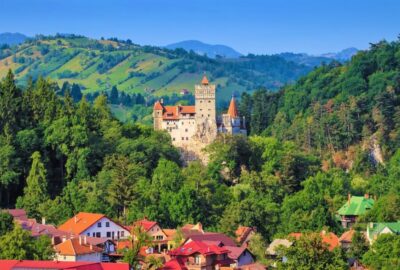
Dracula Castle, Peles Castle & Brasov Old Town
Read our review →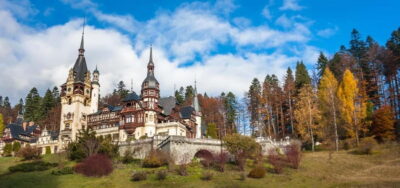
Dracula’s Castle, Peleș Castle & Brașov Day Trip
Read our review →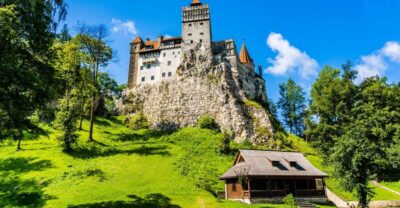
Day Trip to Dracula Castle, Peles Castle & Brașov
Read our review →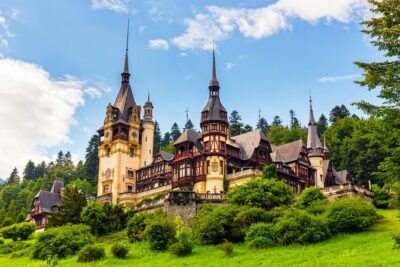
Bucharest to Dracula Castle, Peles Castle and Brasov Guided Tour
Read our review →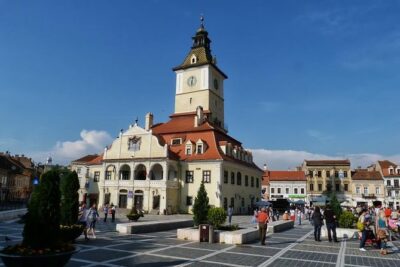
Dracula’s Castle, Peles Castle and Brasov Day Trip from Bucharest
Read our review →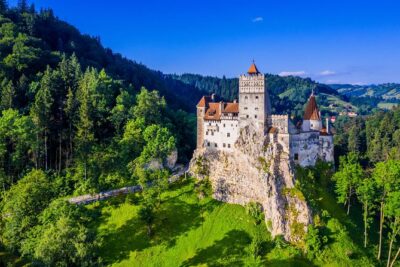
Transylvania and Dracula Castle Full Day Tour from Bucharest
Read our review →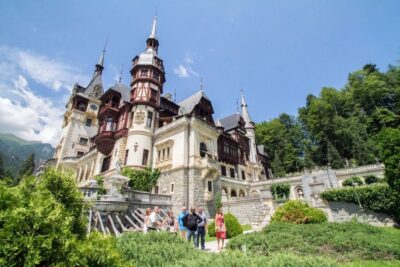
Browse the lists this tour appears in