
Reviewed · WALKING TOURS
Cluj-Napoca: 2.5-Hour Guided Walking Tour
Cluj-Napoca’s old center makes the most sense when someone connects its Hungarian royal past, Romanian identity, German influences, and Communist-era changes. This 2.5-hour walking tour does that while moving from Matthias Corvinus’s birth house to Gothic St. Michael’s Church, the old defensive walls, and the National Theatre.
I like the clear route and the way it ties famous buildings to larger events. I also like the guide-led storytelling, especially the unusual material about medieval witches, guilds, wine, and the city’s changing political life. The main drawback is that the experience is focused more on history, religion, and architecture than on everyday culture, and it is not recommended for people with limited mobility.
In This Review
- Key points to know before you book
- Why this Cluj walking tour works well for first-time visitors
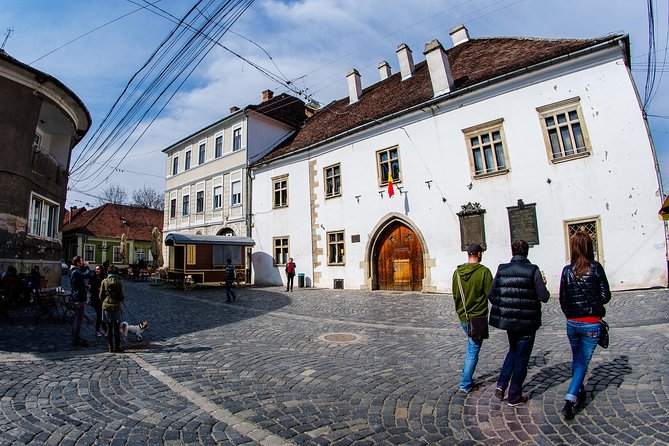
- Matthias Corvinus’s birth house and the royal opening
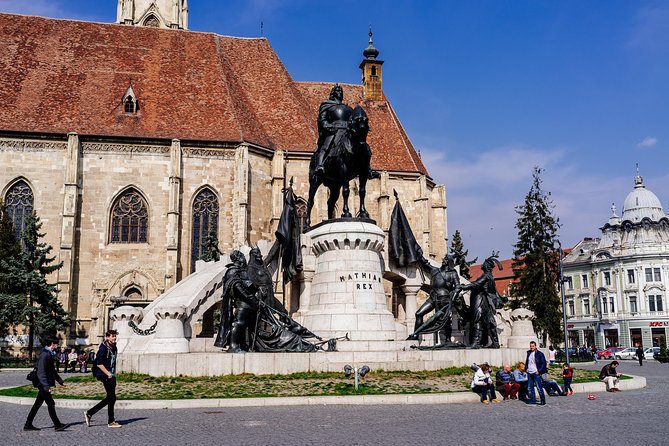
- Union Square, St. Michael’s Church, and Corvinus on horseback
- The Street of the Intellectuals and university life
- Defensive walls and the changing face of the old city
- Avram Iancu Square and the 1906 National Theatre
- How the guide affects the experience
- Price, timing, and who gets the best value
- Practical advice for a smoother walk
- Should you book this Cluj-Napoca walking tour?
- FAQ
- How long is the Cluj-Napoca walking tour?
- How much does the tour cost?
- Which languages are available?
- What sights are included?
- Is the tour wheelchair accessible?
- What should I bring?
- Are pets allowed?
- Can I cancel for a refund?
- Do I need to pay when I reserve?
Key points to know before you book
- Matthias Corvinus’s birth house: Begin with the story of one of Hungary’s best-known medieval kings.
- Union Square’s Gothic centerpiece: See 14th-century St. Michael’s Church and Corvinus’s large equestrian statue.
- A city shaped by three cultures: Learn how German, Hungarian, and Romanian influences meet in Cluj.
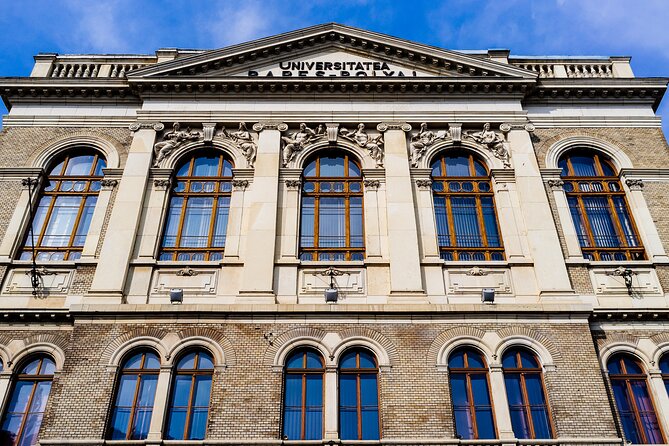
- Street of the Intellectuals: Pass Babes-Bolyai University and hear about education, guilds, and medieval life.
- Two very different squares: Compare old Union Square with the newer part of the former old city around Avram Iancu Square.
- Useful first-day orientation: The compact route gives you a solid map of central Cluj before you explore farther out.
Why this Cluj walking tour works well for first-time visitors
Cluj-Napoca can look straightforward at first: a central square, a large church, a few grand buildings, and streets filled with cafés. The story beneath those façades is more complicated. The city has passed through Dacian and Roman eras, medieval Hungarian rule, Habsburg influence, Romanian national movements, two world wars, Communism, and modern university life.
A good guide helps you see those layers without turning the walk into a date-filled lecture. This experience is built around that context. The guide introduces the city’s long story, then points out the buildings and streets where that story took shape.
The strongest part is the balance between major sights and less obvious subjects. You will see the places most first-time visitors want to see, but you will also hear about the treatment of witches in the Middle Ages, the formation of guilds, and the role of wine in the region. Those details give the walk a human edge.
The experience has earned a 4.8 rating from 104 ratings, and the praise centers on the guides’ ability to explain the city clearly. Daniela is repeatedly singled out for her historical explanations, humor, and enthusiasm for Cluj. Other guides named in the feedback include David, Andrei, Adrian, and Urzica. Your guide depends on the date and option booked, but the pattern is clear: expect a strong emphasis on explanation rather than a simple march from one photo stop to the next.
A few more Cluj Napoca trips to weigh up
- Cluj-Napoca: 2.5-Hour Guided Walking Tour
★ 4.5 · 29 reviews - Cluj-Napoca Walking City Tour
★ 4.5 · 16 reviews - Cluj : Must-See Attractions Walking Tour
★ 4.8 · 8 reviews
Matthias Corvinus’s birth house and the royal opening
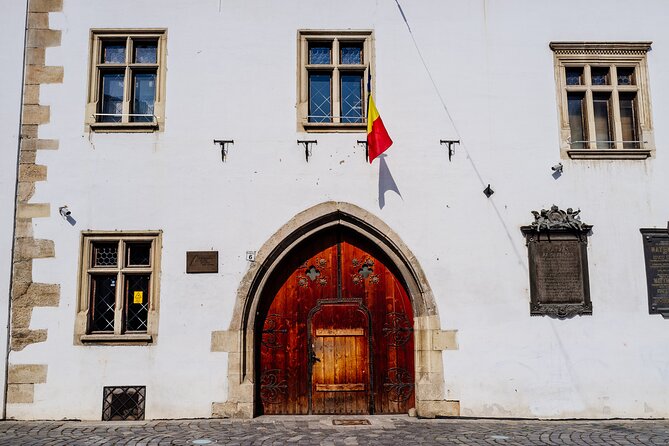
The tour begins with Matthias Corvinus’s birth house, an important stop because it places Cluj in the story of medieval Central Europe. Matthias was a 15th-century king of Hungary and one of the best-known rulers connected with the region.
This is not just a quick photo opportunity. The guide uses the house to explain Corvinus’s life and why he remains such a major figure in Hungarian history. You also hear about wine and its importance in the region, a welcome change from the usual list of kings, battles, and church dates.
I like this opening because it gives you a clear character to remember. Once you know who Matthias Corvinus was, later references to Hungarian rule and the city’s older identity have more meaning.
Do not expect a long indoor museum visit here. The experience is primarily an outdoor walking tour, and one rating specifically wished for more interiors. If entering historic buildings is a priority for you, this tour may leave you wanting more. Its strength is the guide’s explanation of what you are seeing from the street.
Union Square, St. Michael’s Church, and Corvinus on horseback
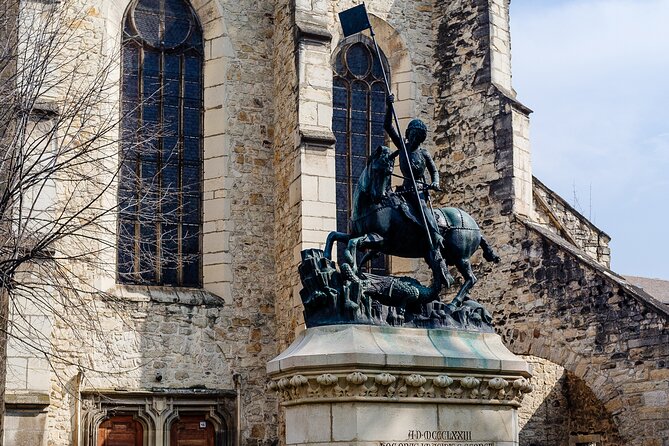
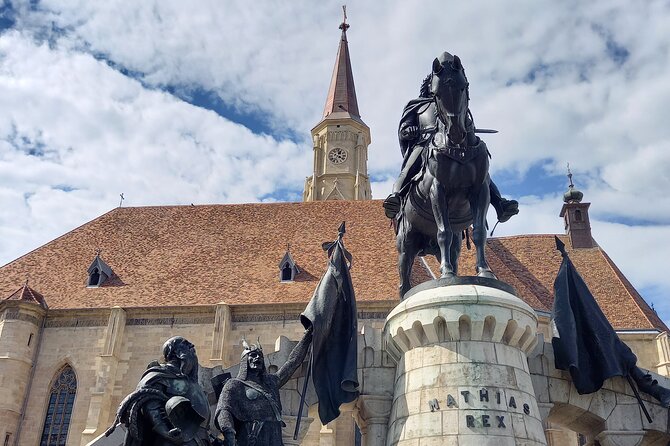
From the birth house, the route continues to Union Square, the grand central space of old Cluj. The square is anchored by St. Michael’s Church, whose Gothic form dates to the 14th century.
The church is one of the city’s key architectural sights. Its scale and pointed Gothic design give the square a strong medieval character, while the open space around it lets you take in the building properly. In front of the church, the equestrian statue of Matthias Corvinus adds another link to the royal story introduced earlier.
This is likely the tour’s most immediately impressive stop. You get architecture, sculpture, and political history in one place. The guide can explain why the church matters, how Corvinus is remembered, and how the square functioned as a central part of city life.
The tradeoff is that the tour may not include extensive access to church interiors. The stated route emphasizes admiration and commentary, and one person specifically noted that seeing more interiors would have improved the experience. Check the conditions on your chosen date if interior access matters to you.
Take a few minutes to look around the square beyond the main monuments. The church and statue get most of the attention, but the surrounding buildings help you read the center as a whole. This is also a useful place to pause, take photographs, and catch your breath.
The Street of the Intellectuals and university life
The walk then heads toward the Street of the Intellectuals, known for its educational institutions, including Babes-Bolyai University. This section shows a different side of Cluj. The city is not only a medieval center with churches and royal connections. It is also a major university city.
The university presence helps explain the city’s youthful character and its place in modern Romania. You will hear about the institutions along the route, while the guide connects education to the city’s cultural and social development.
This part is especially useful if you are considering a longer stay in Cluj. A short visit can make the city seem like a collection of old buildings. The university district helps you understand why Cluj feels like a living center rather than a preserved historical set.
The guide also introduces the medieval guilds. Guilds shaped work, trade, and urban life, so this subject gives you a practical view of the past. Instead of hearing only about rulers, you get a glimpse of the craftspeople and organized trades that helped the city function.
The stories about witches are another unusual touch. You learn about the fate of women accused of witchcraft in medieval Cluj. This subject is darker than the royal and architectural material, but it adds depth and shows how law, belief, fear, and community life affected ordinary people.
The exact balance of these subjects depends on the guide. The strongest feedback describes the historical explanations as detailed but easy to follow. One person felt the tour leaned too heavily toward history and religion and wanted more culture. Keep that in mind if you prefer food, modern life, or local customs over political and religious history.
Same mountains, a completely different day out:
- Curly Tour – Day trip from Cluj 🙂
★ 5.0 · 330 reviews - Cluj: Turda Salt Mine, Corvin Castle, Alba Carolina Tour
★ 4.8 · 184 reviews - Turda salt mine 4h tour from Cluj
★ 5.0 · 73 reviews - Turda Salt Mine, Corvin Castle and Alba Fortress from Cluj
★ 5.0 · 65 reviews
Defensive walls and the changing face of the old city
The route continues past the remains of Cluj’s defensive walls. These fragments are less grand than St. Michael’s Church, but they help you understand the city’s former shape.
A wall remnant can be easy to overlook when you are walking alone. With a guide, it becomes evidence of a fortified settlement and a clue to how the old center expanded. You can better picture the difference between the compact medieval city and the larger urban area that developed later.
This is one reason I like taking a walking tour early in a visit. You learn how the streets fit together, where the old boundary ran, and which parts of the center belong to different periods. Afterward, independent wandering becomes easier because you have a basic mental map.
The route is described as lengthy, but the feedback suggests it is manageable rather than punishing. One person appreciated sitting down several times during the two and a half hours, while another described the walking distance as not too far. Even so, wear comfortable shoes. The tour is not recommended for people with mobility impairments, and the combination of uneven historic streets, standing, and walking may be difficult.
The activity information also identifies it as wheelchair accessible, so there is a practical inconsistency worth checking before booking. If you use a wheelchair or have limited mobility, contact the provider about the precise route, surfaces, rest points, and meeting location rather than relying on the general label alone.
Avram Iancu Square and the 1906 National Theatre
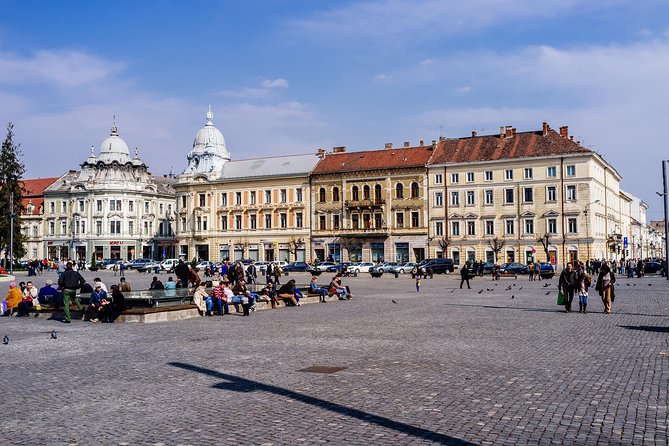
The final major section reaches Avram Iancu Square, a newer part of the old city. Its character differs from Union Square, and that contrast is part of the point. You move from a medieval Catholic landmark and Hungarian royal monument to major Romanian national and cultural symbols.
The Orthodox Cathedral in the square was built in the 1930s. Its presence reflects the importance of Romanian identity in modern Cluj. The guide can help you understand how the city’s religious and national character changed over time.
Nearby, the National Theatre dates from 1906 and was designed by Viennese architects. Its grand style adds an Austro-Hungarian note to the square, making the setting a useful reminder that Cluj’s cultural influences do not fit into one national box.
I find this ending effective because it brings the tour into the modern period. You are not left with the idea that Cluj is only a medieval Hungarian town. The Orthodox Cathedral and National Theatre show the city’s later Romanian and Central European connections.
The final square also gives the itinerary a strong visual conclusion. St. Michael’s Church represents the old Gothic core, while the theatre and cathedral point toward the city’s later growth. If you pay attention to those contrasts, you will leave with a clearer sense of how Cluj developed.
How the guide affects the experience
The guide is the most important variable here. The route itself is worthwhile, but the quality of the visit depends on how well the person leading it handles dates, stories, questions, and the pace of the group.
The best feedback describes guides who explain events in a clear sequence, adjust to the group’s level of historical interest, and welcome questions. Daniela is praised for making the past understandable and for adding humor. One guide stayed longer to finish the material, while another adjusted the pace when the tour became a private experience for two people.
That flexibility matters. A history-heavy walk can feel dry if the guide rushes through facts. It becomes much more enjoyable when the guide explains why a building matters and allows time for questions.
The tour is offered in English and German. If you are booking for a group, confirm the language and meeting point for your chosen option. The meeting location may vary, so do not assume every departure begins at the same place.
Price, timing, and who gets the best value
At $34 per person, this is a fair price for a full 2.5-hour guided overview of central Cluj. You are paying for a substantial route, live commentary, and historical context that would take time to piece together from guidebooks and signs.
The value is best for first-time visitors, short-stay visitors, and anyone who wants to understand the city before exploring alone. It can also work well for groups and trainees, especially because the guides have been described as flexible with different levels of background knowledge.
I would not choose it as my only Cluj experience if I wanted extensive interior visits, food tasting, or a close look at modern local culture. The route stays focused on central history, religion, architecture, and political change.
The full duration is another point in its favor. Some short city walks feel rushed, but two and a half hours gives the guide room to explain the city from its early history through the 20th century and present day. You should still expect to be on your feet for much of that time.
You can cancel up to 24 hours before the start for a full refund, and the reserve-now, pay-later option keeps your plans flexible. Those terms are useful if your Cluj schedule may change.
Practical advice for a smoother walk
Wear comfortable shoes and bring a sun hat. Much of the experience takes place outdoors, and the tour information also asks you to bring a face mask or protective covering.
Pets are not allowed. The meeting point depends on the option you book, so check the exact details before setting out.
Try to take notes or mark the places you want to revisit. Union Square, St. Michael’s Church, the Street of the Intellectuals, Avram Iancu Square, and the National Theatre are useful anchors for later exploring.
Ask questions about culture if that matters to you. The tour naturally leans toward history and religion, so asking about daily life, Romanian and Hungarian traditions, or present-day Cluj may help broaden the conversation.
Should you book this Cluj-Napoca walking tour?
Book it if you want a strong first look at central Cluj, enjoy history explained by a live guide, and value a route that connects major sights with less familiar stories. The combination of Matthias Corvinus, Gothic architecture, university life, medieval witchcraft, guilds, city walls, Romanian Orthodoxy, and Viennese theatre design gives you more than a basic monument tour.
Skip it if you need a low-walking activity, want lots of interior access, or mainly want food and modern cultural experiences. For most first-time visitors who can comfortably walk for two and a half hours, $34 is a sensible way to get your bearings and understand why Cluj feels both Central European and distinctly Romanian.
FAQ
How long is the Cluj-Napoca walking tour?
The tour lasts 2.5 hours.
How much does the tour cost?
The listed price is $34 per person.
Which languages are available?
The tour is offered with a live guide in English or German.
What sights are included?
The route includes Matthias Corvinus’s birth house, Union Square, St. Michael’s Church, the equestrian statue of Corvinus, the Street of the Intellectuals, Babes-Bolyai University, remains of the defensive walls, Avram Iancu Square, the Orthodox Cathedral, and the National Theatre.
Is the tour wheelchair accessible?
The activity information lists it as wheelchair accessible, but it also says the tour is not recommended for people with mobility impairments. If you have limited mobility, confirm the route and conditions with the provider before booking.
What should I bring?
Bring comfortable shoes, a sun hat, and a face mask or protective covering.
Are pets allowed?
No. Pets are not allowed on the tour.
Can I cancel for a refund?
Yes. You can cancel up to 24 hours in advance for a full refund.
Do I need to pay when I reserve?
No. A reserve-now, pay-later option is available, so you can book without paying immediately.
Just added around Cluj Napoca
- Turda Salt Mine, Gorge & Rimetea Village (private from Cluj)★ 5.0 · 5 reviews
- Private tour to Turda Salt Mine, Rimetea and Alba Iulia★ 4.8 · 5 reviews
- Turda salt mine and Corvin Castle day tour from Cluj★ 5.0 · 9 reviews
- Two days tour to Bucovina & UNESCO Painted Monasteries★ 5.0 · 3 reviews
- CLUJ ADVENTURE TOUR ! ZIP LINE and HIKE★ 5.0 · 15 reviews
- Snowshoeing Fun Tour from Cluj Napoca★ 4.5 · 7 reviews
- Turda Gorge, salt mine and Rimetea village private tour★ 5.0 · 12 reviews
- Discover Apuseni Mountains – Scarita Summit,Sipote Waterfall and Dumesti Village★ 5.0 · 17 reviews
Walking Tours, compared.
Ghost Stories & Romanian Mythology Walking Tour
Read our review →
Walking Tour- Delightful Bucharest (Highlights, Stories, Sights)
Read our review →
4h Bucharest Private Tour (2h by Car and 2h Walking in Old Town)
Read our review →
Browse the lists this tour appears in