
Reviewed · WALKING TOURS
Slavery in Romania,Myths and Truths on Gypsies, Walking Tour
Romania’s Roma story begins with a fact many visitors do not expect: Roma people were enslaved in the Romanian principalities for centuries. This three-hour Bucharest walk uses old slave-market sites, the Holocaust Memorial, communist-era streets, and everyday city landmarks to explain how that past still shapes life today.
I like the plain, careful handling of difficult subjects, and I like the way the tour connects Roma history to Bucharest itself rather than treating the community as a side note. Guides including Daniela, Andreea, and Mihail have been praised for clear explanations, patience, humor, and thoughtful pacing. The main consideration is that this is a serious history and culture tour, not a standard sightseeing stroll, and it includes limited direct interaction with Roma people.
In This Review
- Key points to know before you book
- Why this Bucharest walk matters
- Starting at Romana Square and the former slave market
- The Romanian Athenaeum and the role of national identity
- A café break that keeps the pace comfortable
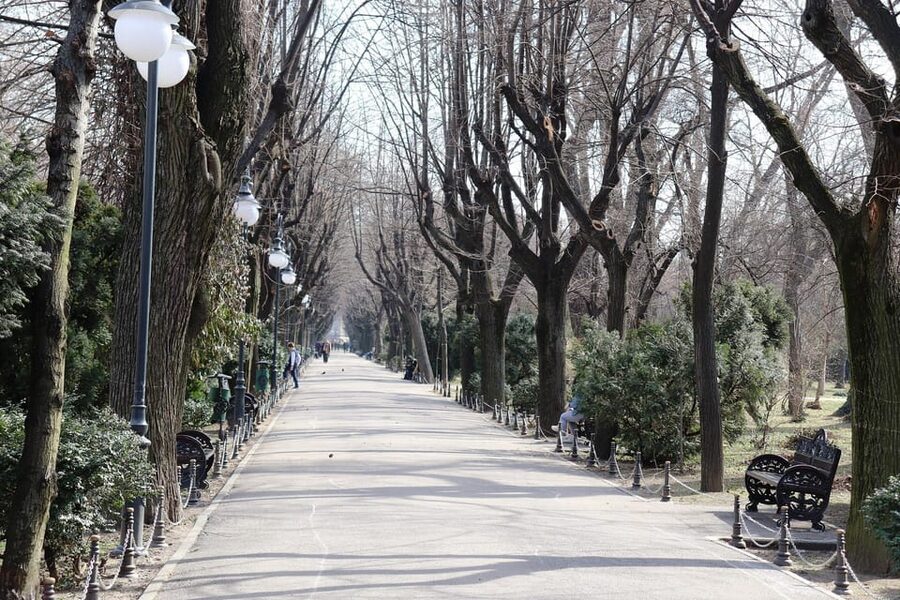
- Cișmigiu Gardens: myths, stories, and daily life
- The Holocaust Memorial and Roma victims
- Kogălniceanu Square, communism, and property disputes
- Revolution Square and the city’s communist traces
- Finishing at Mesteshukar ButiQ
- The guides and teaching style
- Who should book this experience
- Should you book the Roma history walking tour?
- FAQ
- How long does the walking tour last?
- What language is the tour conducted in?
- How much does the tour cost?
- Where does the tour begin?
- What places does the tour visit?
- Does the tour include food or drinks?
- Is the jewelry workshop included?
- Where does the activity finish?
- Can I cancel for a full refund?
- Do I need to pay when I book?
Key points to know before you book
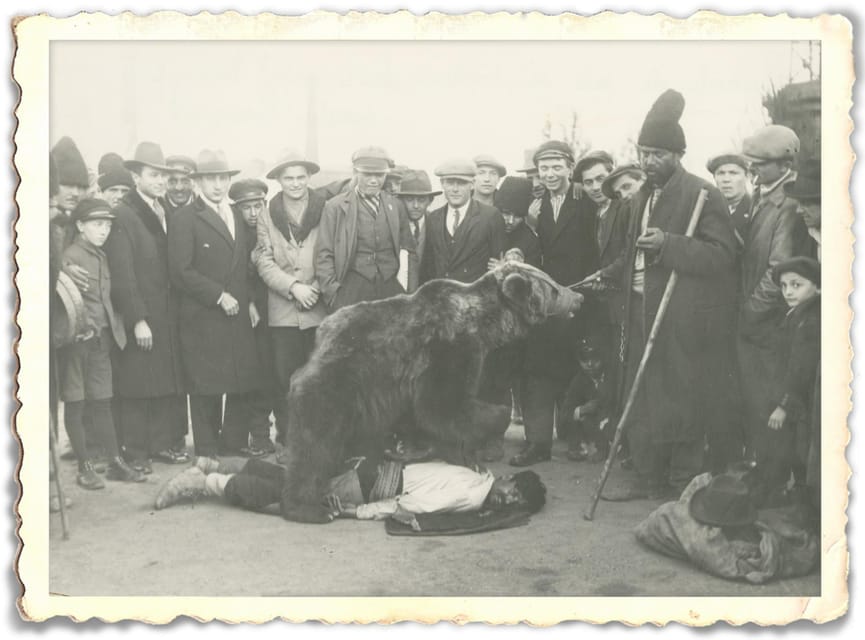
- The old slave-market site gives the tour its historical starting point: You learn about the forced ownership of Roma people in Romania and its lasting effect.
- The Holocaust Memorial is a major stop: The tour discusses Roma victims as well as other groups persecuted in Romania.
- Bucharest landmarks become part of the story: The Romanian Athenaeum, Cișmigiu Gardens, Revolution Square, and communist-era streets all help frame the discussion.
- Guides explain myths without feeding stereotypes: Daniela, Andreea, and Mihail have been singled out for their clarity, sensitivity, and use of images and examples.
- The walk is balanced with breaks: A café stop, shaded pauses, and chances to sit make the three-hour route easier in hot weather.
- You can add a jewelry workshop: At Mesteshukar ButiQ, you may make a piece with an authentic Roma craftsman.
Why this Bucharest walk matters
If you know little about Roma history, this tour fills a major gap in the usual Bucharest visit. Romania is often presented through medieval princes, grand architecture, communism, and the fall of Ceaușescu. Those subjects matter, but they do not explain the experience of one of Europe’s most misunderstood minorities.
This walk begins with slavery, not folklore. That choice is important. It gives you a clear frame for understanding why prejudice, poverty, housing problems, and arguments over property ownership remain sensitive issues.
The tour also avoids reducing Roma life to music, crafts, or colorful traditions. You hear about culture and resilience, but also about discrimination, forced assimilation, persecution, and the challenge of being accepted within wider Romanian society. I appreciate that balance. It treats Roma people as a community with many experiences, not as a single type of person.
The activity costs $29 per person. For three hours with an English-speaking guide, that is a fair price, especially if you want a focused cultural experience rather than another general city walk. You are paying for interpretation and context more than for admission tickets. There are no food or drink inclusions, and much of the value comes from the guide’s ability to explain what you are seeing.
A few more Bucharest trips to weigh up
- Bucharest: City Highlights Guided Walking Tour
★ 4.9 · 1,482 reviews - Bucharest Highlights Walking Tour
★ 5.0 · 469 reviews - Bucharest: Ghost Stories & Romanian Mythology Walking Tour
★ 4.9 · 287 reviews
Starting at Romana Square and the former slave market
You meet in the small square in front of the Ion Creangă Theatre, about a three-minute walk from Piața Romană metro station. This is a useful starting point because the metro makes the meeting place easy to reach from many parts of Bucharest.
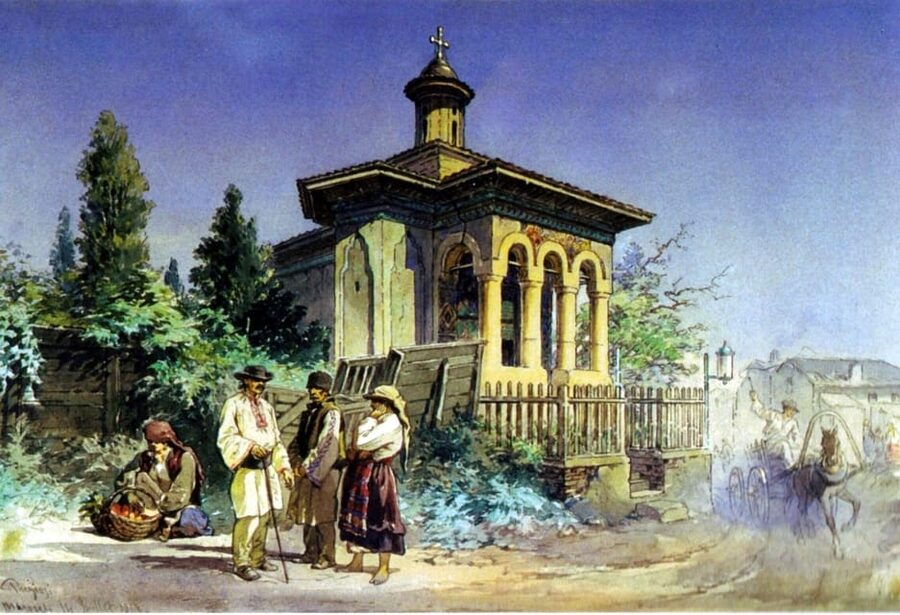
The first important stop is the site of an old slave market. The location itself may not look dramatic. That is part of the lesson. A modern city can cover over places where painful events once took place, leaving the guide to restore the meaning through explanation.
Here you learn about the enslavement of Roma people in the Romanian principalities. Roma men, women, and children were owned by monasteries, noble families, and the state. The system lasted for centuries and ended around the same period that slavery was being abolished in the United States, a comparison that helps place Romanian events in a wider timeline.
This section is likely to be the most emotionally difficult part of the walk. It also gives the rest of the tour purpose. Later discussions about exclusion and public attitudes make more sense when you understand that Roma people were not simply poor outsiders who arrived recently. They were part of Romanian society while being denied freedom and equal status.
The Romanian Athenaeum and the role of national identity
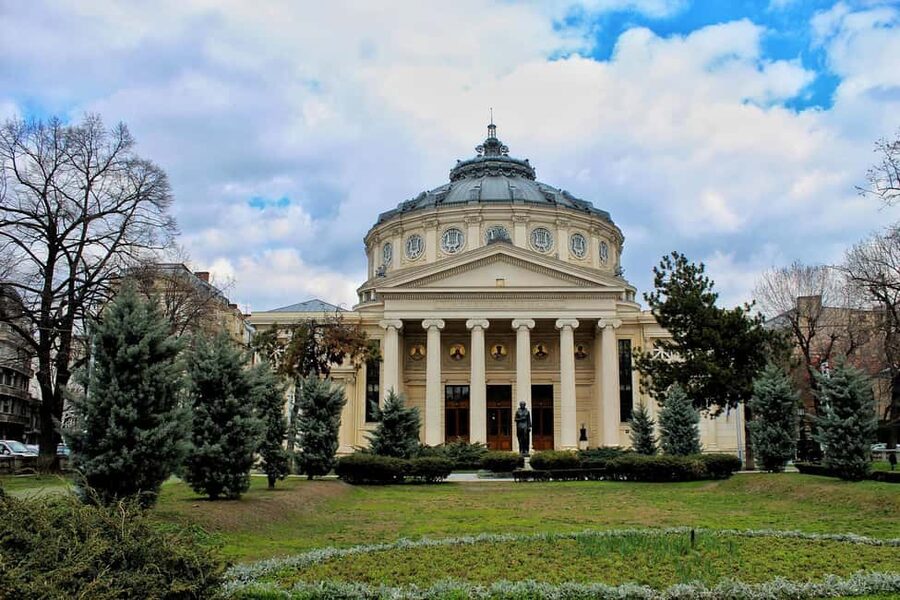
The group passes the Romanian Athenaeum, Bucharest’s famous concert hall and one of the city’s most admired buildings. You get time to look at its grand exterior while the guide explains how culture and national identity have shaped public ideas about Romania.
The Athenaeum is not a Roma monument, and that contrast is useful. It represents the official cultural image of the nation: refined, European, and proud of its arts. The discussion asks you to consider who gets included in that national picture and who is pushed to the edge.
Guides may use photos, public art, and nearby buildings to connect the city’s visual symbols to larger events. Andreea, in particular, has used images to make major historical points easier to follow. That approach helps if you do not already know the timeline of Romanian history.
This is also one of the more conventional sightseeing moments, so it gives the walk a visual pause after the heavy opening discussion. You are still walking through central Bucharest, but you are learning to read familiar landmarks in a different way.
A café break that keeps the pace comfortable
The route includes a 15-minute break at a local café. Food and drinks are not included, so bring money if you want something during the pause.
This short stop matters more than it may sound. Three hours of listening while walking can be tiring, especially when the subject requires concentration. The break gives you time to absorb the material, ask questions, use the facilities, and reset before the next section.
The pace has been adjusted well for the subject. You are not rushed from one photo stop to another. Guides have also been praised for finding shade, offering regular water pauses in hot weather, and allowing people to sit when needed. Bucharest summers can be hot, so comfortable shoes, water, and sun protection are sensible choices.
Same mountains, a completely different day out:
- Bucharest: Dracula’s Castle, Peles Castle, & Brasov Old Town
★ 4.5 · 17,858 reviews - Bucharest: Dracula Castle, Peles Castle & Brasov Old Town
★ 4.6 · 10,891 reviews - Bucharest: Dracula’s Castle, Peleș Castle & Brașov Day Trip
★ 4.5 · 5,919 reviews - Bucharest: Palace of Parliament Tickets and Guide
★ 4.3 · 3,182 reviews
Cișmigiu Gardens: myths, stories, and daily life
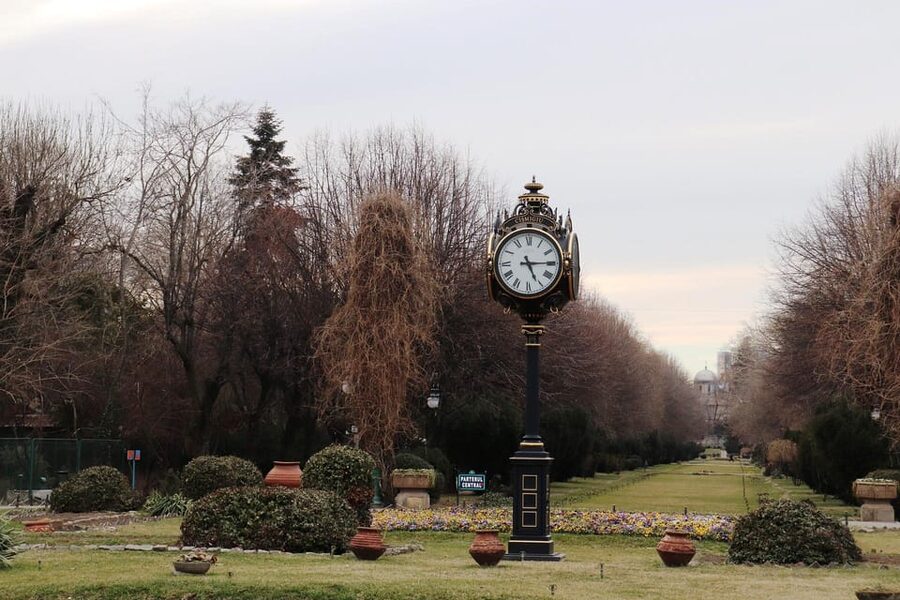
Cișmigiu Gardens is Bucharest’s oldest and largest public garden. With its paths and greenery, it is a calmer setting for the tour’s discussion of Roma customs, stereotypes, and the difference between popular myths and historical reality.
This part works because it moves beyond slavery and persecution. You hear about the role of Roma people in wider Romanian society, their traditions, and the ways outsiders have described them. The goal is not to provide a list of exotic customs. Instead, the guide helps you question simple claims that are often repeated without context.
The park also gives the group room to walk, pause, and talk. The setting is less formal than a museum, which can make it easier to ask direct questions. The guide’s tone matters here. Daniela has been praised for combining candor with humor and empathy, while Andreea has been noted for explaining prejudice in a calm, easy-to-follow way.
You should not expect a staged cultural performance in the gardens. That is a strength. The focus is on understanding how Roma identity has developed and how myths can affect real lives.
The Holocaust Memorial and Roma victims
The Holocaust Memorial is one of the most important stops on the route. It provides a place to remember the thousands of Roma people who were killed during persecution and genocide in Romania, alongside other victims of the Holocaust.
This visit is not treated as a quick photo opportunity. The guide explains how Roma people were targeted and how this period fits into the country’s wider wartime history. You can pause at the memorial, take photographs, and reflect on what you have heard.
For many visitors, this is the moment when the tour’s historical themes come together. Slavery, racial prejudice, state persecution, and the removal of people from public life are not separate topics. They form a long chain of treatment that has affected Roma families and public attitudes across generations.
The memorial also corrects a common omission. Holocaust discussions often focus on Jewish victims while giving less attention to Roma victims. Including this stop makes the tour more complete and gives the Roma experience its proper place in the history of Romania.
Kogălniceanu Square, communism, and property disputes
At Piața Kogălniceanu, the guide continues through Bucharest’s political and social history. You hear about the communist period and the pressures faced by Roma people under the regime.
Communism brought claims of equality, but official policy did not erase prejudice or hardship. The tour examines how Roma life was affected during this period and how state systems shaped work, housing, and social status.
The discussion may also cover property ownership and why some Bucharest buildings fell into poor repair after the war. This is a useful local detail because it links the city’s shabby facades and disputed homes to legal and political events, rather than treating them as simple signs of neglect.
One point to keep in mind is that this section can feel more like an urban history seminar than a traditional attraction visit. If you want a steady stream of grand buildings and polished monuments, this may not be your ideal walk. If you want to understand why Bucharest looks and feels the way it does, the extra context is valuable.
Revolution Square and the city’s communist traces
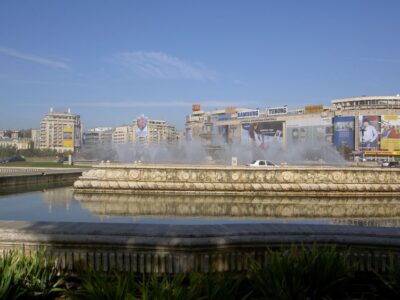
The route passes Revolution Square, another key place for understanding modern Romania. The guide connects the square and nearby streets to the end of communist rule and the changes that followed.
You may see traces of the city’s communist past as the group moves through central streets. The tour uses these places to show how political change affected ordinary life and how older social divisions did not disappear overnight.
This part also broadens the story beyond Roma history. One strength of the walk is that it places Roma experiences inside Romanian history rather than isolating them. You learn enough about slavery, communism, the Holocaust, and the 1989 revolution to see the connections, while the Roma community remains the main subject.
The route includes a mixture of walking and explanation, with time to ask questions. Mihail has been praised for a direct but respectful approach, and the guides generally avoid turning sensitive material into a lecture without discussion.
Finishing at Mesteshukar ButiQ
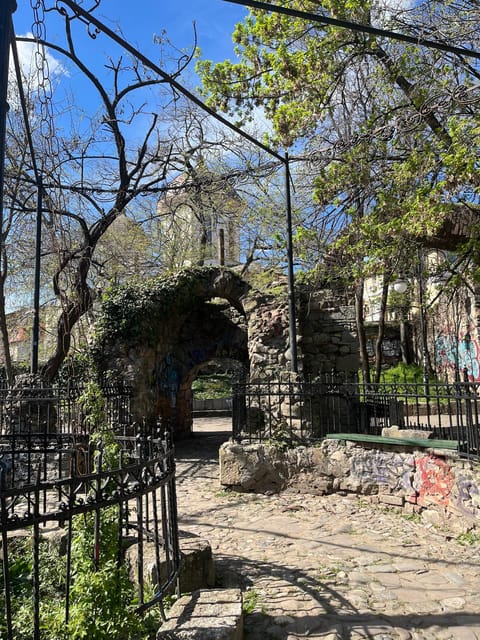
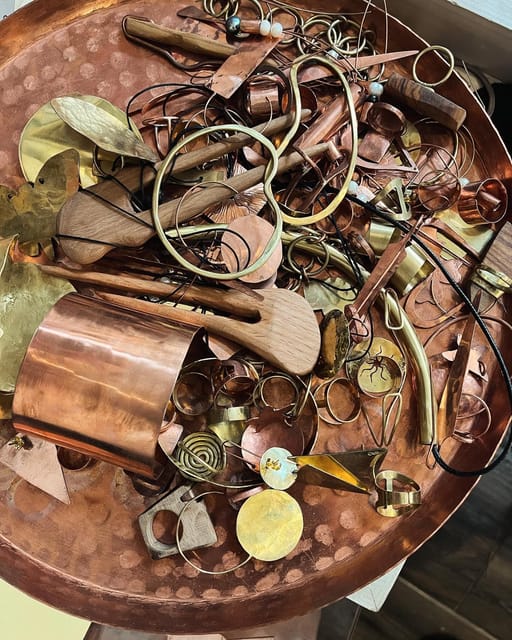
The scheduled finish is Mesteshukar ButiQ, often shortened to MBQ. This organization is connected with Roma craft and offers the optional jewelry workshop.
If you choose the workshop, you can make your own piece of jewelry with an authentic Roma craftsman in a traditional workshop. The added option changes the end of the experience from listening and observing to making something with your hands.
The workshop is worth considering if you want a practical connection to the culture discussed during the walk. It gives craftspeople a more active role and lets you leave with something personal rather than only photographs and notes.
The workshop and transportation are included only if you select that option. Food and drinks remain separate. The supplied meeting information says the activity ends back at the meeting point, while the route information lists MBQ as the finish, so confirm the exact end point when booking, especially if you have a later reservation.
The guides and teaching style
The guide can make or break a history walk, and this subject needs someone who can be accurate without becoming cold, and open without slipping into stereotypes.
Daniela has been praised for her broad command of the subject, her empathy, her humor, and her follow-up communication. She has also shared links to folkloric and manele music, which can help you continue learning after the walk.
Andreea’s strength is clear presentation. She has used images, public sculptures, and places along the route to make historical events easier to remember. She also pays attention to the practical side of guiding, including shade, water, seating, and a comfortable pace.
Mihail brings a straightforward style and has covered slavery, Roma identity, Bucharest, and modern discrimination with care. Even a newer guide can make the subject accessible when the explanations are organized and respectful.
One fair criticism is that the walk does not include much direct interaction with Roma people themselves. That limitation is understandable because the tour should not turn a living community into a spectacle. Still, if personal meetings and first-person testimony are essential to you, ask about the workshop option and what it includes before booking.
Who should book this experience
I would choose this tour if you want a focused look at a part of Romania that standard city tours rarely cover. It suits you if you enjoy history, social issues, memorials, and conversations that continue beyond the usual sightseeing script.
It is also a good fit if you have already seen Bucharest’s main sights and want a more serious cultural subject. The walk still passes attractive landmarks, but the purpose is to understand people and events, not simply collect photos.
You may want to skip it if you prefer a light, entertainment-led tour or if you are uncomfortable spending several hours on slavery, genocide, discrimination, and communist repression. The guide uses humor and stories, but the material remains serious.
Wear walking shoes and bring water. The route includes parks, city streets, memorials, and several stops where you will stand or walk for around 10 to 30 minutes. The café break and regular pauses help, but this is still a three-hour walking activity.
Should you book the Roma history walking tour?
Book it if you want Bucharest to make more sense through the experience of its Roma community. At $29, the tour offers solid value for an English-language guide, a carefully connected route, and a subject rarely given this much time.
The best reason to go is the way it joins historical facts to real city places: a former slave market, the Athenaeum, Cișmigiu Gardens, the Holocaust Memorial, communist streets, and Revolution Square. Add the jewelry workshop if you want a more hands-on ending.
Do not book it expecting a conventional city tour or extensive personal contact with Roma residents. Book it for clear teaching, difficult truths, thoughtful discussion, and a more honest understanding of Bucharest.
FAQ
How long does the walking tour last?
The tour lasts three hours. Starting times vary, so check availability when you choose your date.
What language is the tour conducted in?
The live tour guide speaks English.
How much does the tour cost?
The listed price is $29 per person.
Where does the tour begin?
Meet in the small square in front of the Ion Creangă Theatre, at the Ion Creangă Theatre’s Main Hall. It is about a three-minute walk from Piața Romană metro station.
What places does the tour visit?
The route includes a former slave-market site, the Romanian Athenaeum, a local café, Cișmigiu Gardens, the Holocaust Memorial, Piața Kogălniceanu, and Revolution Square.
Does the tour include food or drinks?
No. Food and drinks are not included. There is a 15-minute café break.
Is the jewelry workshop included?
The jewelry workshop is optional. The workshop and transportation are included only if you select that option.
Where does the activity finish?
The route information lists Mesteshukar ButiQ as the finish. The meeting information also states that the activity ends back at the meeting point, so confirm the exact end location when booking.
Can I cancel for a full refund?
Yes. You can cancel up to 24 hours in advance for a full refund.
Do I need to pay when I book?
You can reserve now and pay later, which allows you to hold a place without paying immediately.
Just added around Bucharest
- Village Museum Bucharest Guided Tour★ 5.0 · 6 reviews
- Bucharest: Dealu Mare Winery Private Trip with Wine Tasting★ 4.9 · 6 reviews
- Winery touring & private wine tasting – one day private tour★ 5.0 · 3 reviews
- Transylvania Tour: Dracula’s Castle, Peles Palace & Brasov★ 5.0 · 19 reviews
- Discover Medieval Transylvania Small Group Tour – 7 days★ 5.0 · 4 reviews
- Bucharest Airport Transfer To Constanta Mamaia★ 5.0 · 3 reviews
- Airport Henri Coanda (Otopeni) to Bucharest – Private Transfer – Driver★ 5.0 · 5 reviews
- Gems of Transilvania: Brasov,Sighisoara,Sibiu,Viscri and more★ 5.0 · 6 reviews
Walking Tours, compared.
Ghost Stories & Romanian Mythology Walking Tour
Read our review →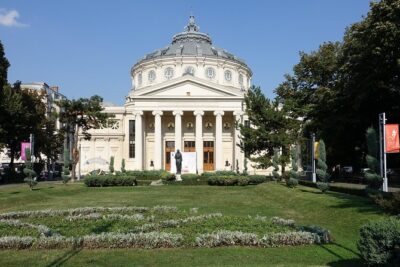
Walking Tour- Delightful Bucharest (Highlights, Stories, Sights)
Read our review →

4h Bucharest Private Tour (2h by Car and 2h Walking in Old Town)
Read our review →
Browse the lists this tour appears in