
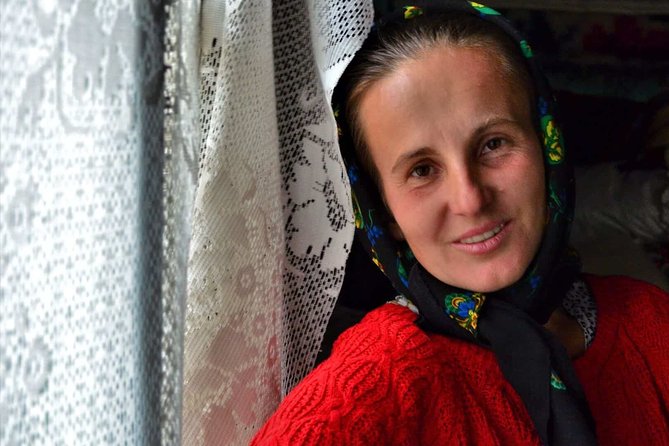
Reviewed · MARAMURES TOURS
Your rendez-vous with Europe’s past: time-travel to Maramures, Transylvania
Romania’s past feels closest in Maramures, where wooden churches, village cottages, and hand-painted grave crosses still shape daily life. This private seven-day circuit links that northern countryside with Transylvania’s famous castles, fortified towns, and medieval churches, all from the comfort of a private car.
I like the personal scale and the range. Gelu, the guide, is known for warm, thoughtful storytelling about Romania, while driver Vlad handles the long roads. I also like that the route includes more than Dracula sights: you get Sibiu, Alba Iulia, the Sighet prison memorial, and quiet Maramures villages. The main drawback is mileage. Several days involve long drives, so this suits you if you value seeing a lot of Romania more than lingering in one place.
In This Review
- Key things to know before booking
- Why this route works for a first trip to Romania
- Day 1: Cozia Monastery and Sibiu’s medieval squares
- Day 2: Alba Iulia’s fortress and Cluj-Napoca
- Day 3: Surdesti and a traditional cottage in Breb
- Day 4: Barsana, Sapanta, Sighet, and Desesti
- Day 5: Ieud, Biertan, and Sighisoara
- Day 6: Viscri, Saschiz, Rupea, and Brasov
- Day 7: Bran Castle, Peles Castle, and Bucharest
- What the $2,185.67 price buys you
- The guide, vehicle, and pace
- Who should book this Romanian circuit
- FAQ
- How long does the tour last?
- Where does the tour begin?
- Where does the tour finish?
- Is this a private tour?
- Who guides and drives the tour?
- What accommodation is included?
- Are attraction admission fees included?
- Are meals included?
- Can I cancel or change the booking?
- Should you book it?
Key things to know before booking
- Maramures is the heart of the trip: Stay in the village of Breb and visit wooden churches at Surdesti, Desesti, and Ieud.
- The route covers Romania’s major highlights: Bran Castle, Peles Castle, Sighisoara, Brasov, Sibiu, and Alba Iulia are all included.
- You travel privately: Only your group participates, and the itinerary can be adjusted to your needs.
- Seven nights are included: Accommodation is in 3-star superior hotels and guesthouses, with breakfast each morning.
- The history is not all medieval: The Sighet prison memorial gives the journey a serious modern chapter.
- Expect long road days: The move from northern Maramures to Saxon Transylvania is especially demanding.
Why this route works for a first trip to Romania
This is a useful route if you want Romania in broad strokes without arranging a car, hotels, admissions, and daily navigation yourself. Bucharest is the starting and finishing point, and the circuit moves through Wallachia, Transylvania, and Maramures before returning south.
The route has a good balance of famous sights and less polished places. Bran Castle is the obvious crowd-pleaser, but the traditional villages in the north give you a better sense of rural Romania. The fortified churches of Transylvania add another layer, showing how Saxon communities protected their homes and places of worship.
You also get historical range. Cozia Monastery takes you into the late medieval world of Wallachian princes. Alba Iulia connects Roman military power with Hungarian and Romanian royal history. Sighet confronts the years of communist repression. That variety makes the week more meaningful than a simple castle tour.
The private format matters here. You can stop for pictures, ask questions, and adjust the pace more easily than you could on a large coach. The guide has room to explain local customs and political history rather than simply announcing the next stop.
More Transylvania Tours in Bucharest
- Transylvania and Dracula Castle Full Day Tour from Bucharest
★ 4.5 · 1,589 reviews - Castles of Transylvania: Private Day Trip from Bucharest
★ 4.5 · 248 reviews - 2-Day Medieval Transylvania with Brasov,Sibiu and Sighisoara Tour from Bucharest
★ 4.5 · 145 reviews
Day 1: Cozia Monastery and Sibiu’s medieval squares
Pickup is offered at your Bucharest hotel or the airport. The first drive follows the Olt River Valley toward Cozia Monastery, founded in 1388 by Mircea the Elder, a Wallachian prince and grandfather of Vlad the Impaler.
The visit lasts about 30 minutes and admission is free. It is a compact stop, but it gives you an early introduction to Romania’s princely past and religious architecture. The setting along the river valley also breaks up the opening drive.
After lunch and a short rest, you reach Sibiu for about two hours of guided sightseeing. The city’s main squares are easy to enjoy on foot: Grand Square, Small Square, and Albert Huet Square, the oldest of the three, dating from the twelfth century.
The Council Tower provides a high view over the old city after a climb up medieval stairs. I would treat this as a real walking stop rather than a quick photo call. You will also visit the Orthodox Cathedral and the impressive Evangelical Church, two buildings that help explain the city’s mix of religious and cultural traditions.
This is a busy first day, with the monastery, driving, lunch, and city tour all packed together. Still, Sibiu is a strong opening stop because it offers an attractive old center without requiring a full day.
Day 2: Alba Iulia’s fortress and Cluj-Napoca
Alba Iulia gives you a full dose of military, religious, and royal history. Inside the Alba Carolina fortress, you visit Saint Michael Cathedral, where John Hunyadi was buried. Hunyadi was a major fifteenth-century military commander who helped halt Ottoman expansion at Belgrade in 1456.
The cathedral’s construction began in 1004, so the site reaches much further back than the fortress walls you see today. You will also visit the Orthodox Coronation Cathedral and remains of the Roman camp once used by the elite 13th Gemina Legion.
Plan on about two hours here. The admission fee is included, which keeps the stop simple. The fortress is large enough to reward a steady pace, and your guide can connect the Roman, Hungarian, and Romanian chapters without forcing you to piece them together yourself.
The next stop is Cluj-Napoca, also for about two hours. The city tour ends near the house where Matthias Corvinus, one of Hungary’s greatest kings, was born. Restaurants and bars nearby make this a practical place for a meal or drink.
Cluj adds an urban, youthful counterpoint to Alba Iulia’s old walls, though the itinerary allows only a short introduction. If you want extended time in museums or city neighborhoods, tell the guide before departure. The flexible private format is most useful when you use it.
Day 3: Surdesti and a traditional cottage in Breb
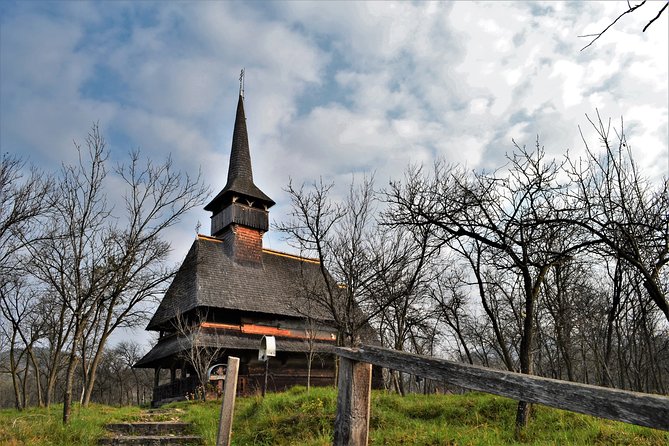
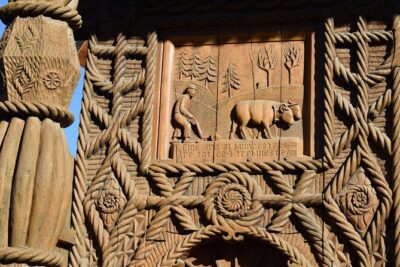
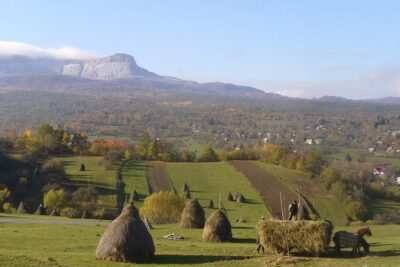
The road turns north from Cluj-Napoca toward Maramures, described here as one of Europe’s last strongholds of traditional peasant culture. The first stop is Surdesti, home to a UNESCO-listed Greek-Catholic wooden church built in 1766.
The church was once considered the tallest wooden church in the world. You have about 30 minutes to see it, so do not expect a long architectural study. The value is in the construction itself, the tall proportions, and the reminder that local religious buildings were often made from the material most available in the region.
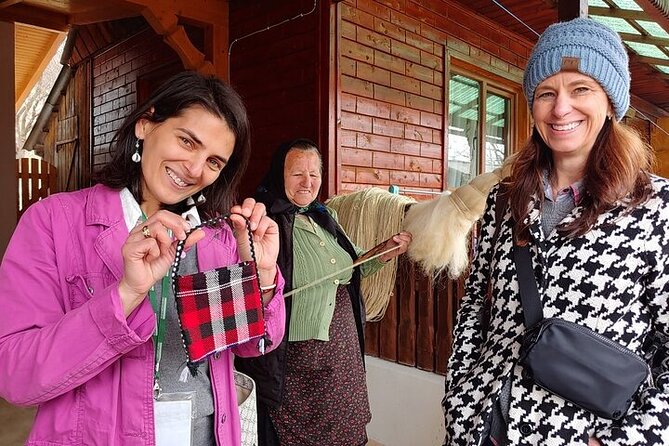
By early afternoon, you check into a traditional cottage in Breb for the next couple of days. This is one of the best features of the route. Instead of using a standard hotel every night, you spend time in a village setting and eat traditional food prepared by your hosts.
The long drive from Cluj makes this day more about changing regions than collecting sights. That is a good thing. Breb gives you a slower afternoon and a chance to absorb the countryside after two busy city days. The overnight stay also prevents Maramures from becoming a rushed day trip.
Same mountains, a completely different day out:
- Bucharest: Dracula’s Castle, Peles Castle, & Brasov Old Town
★ 4.5 · 17,858 reviews - Bucharest: Dracula Castle, Peles Castle & Brasov Old Town
★ 4.6 · 10,891 reviews - Bucharest: Dracula’s Castle, Peleș Castle & Brașov Day Trip
★ 4.5 · 5,919 reviews - Bucharest: Palace of Parliament Tickets and Guide
★ 4.3 · 3,182 reviews
Day 4: Barsana, Sapanta, Sighet, and Desesti
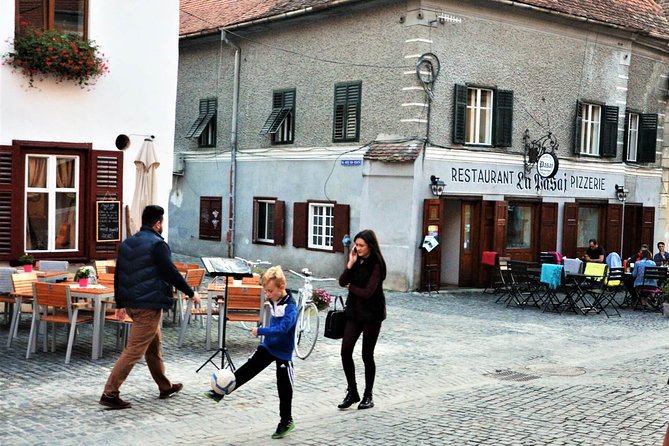
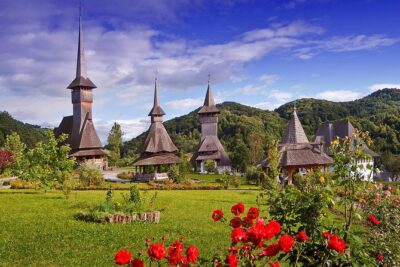
Day four is the most varied day in Maramures. At Barsana, you visit a large Orthodox monastic complex built in the early 1990s. Its buildings use local forms and wood traditions, but the complex itself is modern. Allow about an hour.
Next comes Sapanta’s Merry Cemetery, one of Romania’s most unusual cultural sights. Since 1935, a local artist and later followers have carved and painted wooden crosses in bright colors, adding short, ironic accounts of the people buried there.
The humor can be startling, especially beside the solemn subject of death. That contrast is precisely what makes the cemetery memorable. You get about an hour, enough to look closely at the drawings and read the epitaphs with your guide’s help. It is best approached with curiosity and respect, since the jokes are part of a local way of remembering real people.
The mood changes sharply at the Memorial of the Victims of Communism and of the Resistance in Sighet. The former prison held political leaders, religious figures, academics, military officers, and other members of Romania’s cultural and political elite from 1950 to 1955.
This is not a light sightseeing stop. The prison’s small cells and institutional setting make the story of communist repression feel immediate. Allow about an hour, though you may want more time if this subject matters greatly to you.
The day ends at Desesti, where another UNESCO-listed wooden church is known for its preserved naïve paintings. The visit lasts about 30 minutes and admission is free. Taken together, the stops show Maramures in full range: faith, humor, village art, modern trauma, and local craftsmanship.
Day 5: Ieud, Biertan, and Sighisoara
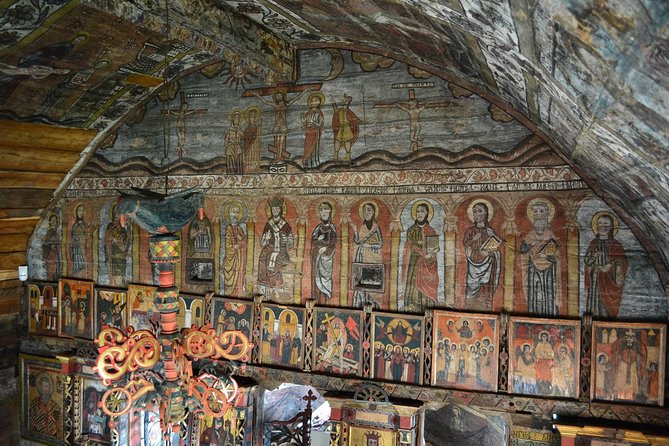
The morning begins with another Maramures wooden church stop at Ieud. The village has two traditional churches. The church on the hill is an Orthodox building from the seventeenth century and a UNESCO-listed site. The church in the valley is Greek-Catholic and known as the Wooden Cathedral for its slender, balanced design.
The valley church dates to 1718, after the last Tartar invasion of Maramures. It was never painted, but it holds a collection of glass icons. You get about 30 minutes, so this is another short visit rather than an extended village walk.
Then comes the longest drive of the trip, south from Maramures into the Saxon heartland of Transylvania. This is the day to settle in with a good book, watch the countryside change, and accept that Romania’s impressive sights are spread far apart.
Biertan makes the drive worthwhile. Its fortified church, built between 1486 and 1524, has defensive walls, a decorated nave ceiling, and tombstones belonging to former bishops and other important figures. Admission is included, and the visit lasts about an hour.
By late afternoon, you reach Sighisoara, a UNESCO-listed medieval citadel and the birthplace of Vlad the Impaler. Two hours here lets you walk the historic center and enjoy the citadel into the evening.
Sighisoara is one of the prettiest stops on the route, but its fame can make it feel more polished than rural Maramures. The contrast is useful. You see both the preserved medieval town and the living villages that give the wider region its character.
Day 6: Viscri, Saschiz, Rupea, and Brasov
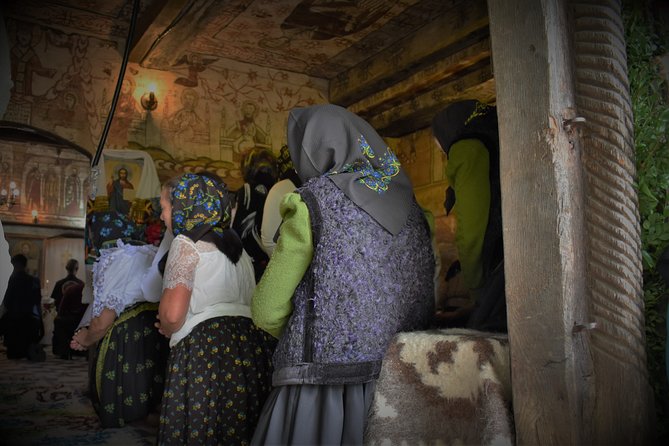
This day focuses on rural Saxon Transylvania. In Viscri, you have about two hours, including lunch and a visit to the fortified church. The remote village became widely known after King Charles bought an old Saxon house there, a blue home built in 1753.
You can expect a quieter setting than Sighisoara, with old village architecture and a church designed for protection as well as worship. The stop is a strong example of how Transylvania’s fortified churches fit into ordinary village life.
From the road, you also see the fortified church at Saschiz. Its tower, built in the late fifteenth century, recalls Sighisoara’s Clock Tower. The route also passes Rupea Fortress, one of Romania’s oldest fortifications, built over earlier Roman and Dacian sites.
These are sightseeing stops rather than full visits, so your view of Saschiz and Rupea depends on the timing and road conditions. If one matters especially to you, ask whether the schedule can be adjusted.
Brasov brings the day back to a larger city. After checking in, you visit the Black Church, a fourteenth-century Gothic monument, then explore parts of the old fortifications, bastions, and towers. You also see Rope Street, one of Europe’s narrowest streets.
The two-hour city visit gives you a solid introduction, but Brasov deserves more time if you enjoy cafés, museums, or evening walks. The private itinerary lets you discuss that tradeoff with Gelu.
Day 7: Bran Castle, Peles Castle, and Bucharest
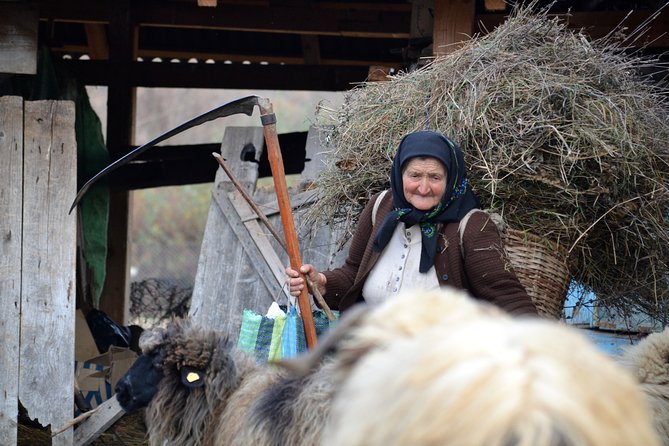
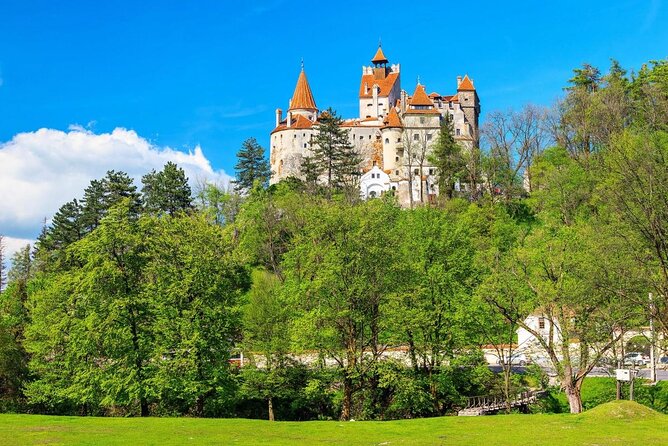
The final sightseeing day begins with Bran Castle, the building most closely linked with the Dracula legend. The castle itself is historical rather than a literal home of the fictional count, but its position between the Piatra Craiului and Bucegi mountains makes the approach memorable.
You have about two hours, including admission. The castle can be the busiest stop of the week, so patience helps. I like that the tour places Bran near the end, after you have already learned about Vlad the Impaler and Romanian medieval history. The legend then becomes part of a larger story instead of the entire point of the trip.
After Bran, the route continues to Sinaia and Peles Castle. Built in the late nineteenth century, Peles is a sharp contrast to Bran’s medieval image. It was commissioned by Carol I, Romania’s first king, who came from the German Hohenzollern-Sigmaringen family and was known for a restrained personal style.
The ornate castle interior and its royal setting make this a two-hour stop. Admission is included. If you enjoy decorative interiors, Peles may be the day’s highlight. If you prefer fortresses and village traditions, Bran will likely appeal more.
You return to Bucharest in the late afternoon and visit Stavropoleos Church, built in 1724. The small monastery in the city center is a fitting final stop: intimate, old, and easy to see in about 30 minutes.
What the $2,185.67 price buys you
At $2,185.67 per person, this is not a budget road trip. The price includes private transportation in an air-conditioned vehicle, a private guide and driver, all listed fees and taxes, seven nights of accommodation in double rooms, breakfast, two lunches, and two dinners.
The strongest value comes from the private structure. You are paying to avoid arranging a complicated route across several regions, finding rural accommodation, and managing admissions at churches, castles, and memorials. You also get the chance to adjust the plan to your group rather than follow a fixed coach schedule.
The price is easier to justify for couples, families, or small groups who would otherwise hire a car and book separate hotels. Group discounts are available, so ask for the current rate if you are booking with several people.
Meals are only partly covered. Budget separately for most lunches and dinners, plus flights and photo fees where charged. The included breakfast helps, but you should not read the price as an all-meals package.
The guide, vehicle, and pace
Gelu is the key personality attached to this experience. His approach is warm and personal, with strong attention to questions, photographs, food, and practical recommendations. His background and love for Romania come through in the way he explains both famous figures and ordinary village life.
Vlad is identified as the driver on the trip. Having a dedicated driver matters on the long runs between Cluj, Maramures, Biertan, and Sighisoara. You can focus on the views and conversation instead of unfamiliar roads.
The pace is active. Most days include two to four stops, and several visits last only 30 minutes. You should be comfortable getting in and out of a vehicle, walking on historic streets, and climbing stairs at places such as the Council Tower.
The tour is private, and most people can participate. Service animals are allowed, and the meeting area is near public transportation. Specific details about accessible surfaces or vehicle adaptations are not provided, so ask before booking if you have mobility needs.
Who should book this Romanian circuit
I would choose this tour if you want:
- A broad first look at Romania in one week
- Private guiding instead of a large group
- A mix of castles, churches, city centers, villages, and twentieth-century history
- Rural accommodation and traditional food in Maramures
- Help with the driving and complicated hotel-to-hotel logistics
- The freedom to ask for itinerary changes
I would hesitate if you want long, unhurried stays in each town. The route covers a lot of ground, and the Maramures to Transylvania transfer is long. You should also think twice if your main interest is only Dracula. Bran Castle is just one part of a much wider program.
FAQ
How long does the tour last?
The experience lasts approximately seven days and includes seven nights of accommodation.
Where does the tour begin?
Pickup is offered at your hotel in Bucharest or at the Bucharest airport.
Where does the tour finish?
The route returns to Bucharest on the final day after visits to Bran Castle, Peles Castle, and Stavropoleos Monastery.
Is this a private tour?
Yes. Only your group participates, and the itinerary can be adjusted to your needs.
Who guides and drives the tour?
The guide is Gelu, and Vlad is identified as the driver for the journey.
What accommodation is included?
Seven nights are included in double-room occupancy at 3-star superior hotels and guesthouses. Breakfast is included.
Are attraction admission fees included?
Many listed admission fees are included, including Alba Iulia Fortress, the wooden churches at Surdesti and Desesti, the Merry Cemetery, the Sighet memorial, Biertan, Sighisoara, Viscri, Brasov’s Black Church, Bran Castle, and Peles Castle. Some other stops are free.
Are meals included?
Breakfast is included each day. Two lunches and two dinners are also included. Other meals are not included.
Can I cancel or change the booking?
No. The experience is non-refundable and cannot be changed for any reason after booking.
Should you book it?
Book this tour if you want Romania’s major Transylvanian sights, but also care about the country beyond its castle legends. The stay in Breb, the wooden churches, Merry Cemetery, and Sighet memorial give the week real character.
The best reason to choose it is the combination of private transport and Gelu’s personal guiding. The main question is not value versus cost, but pace. If you accept several long drives and short visits in exchange for seeing a wide slice of Romania, this is a strong seven-night introduction. If you prefer slow travel, ask to remove a few stops and spend longer in Maramures, Sighisoara, or Brasov before committing.
More Maramures Tours in Bucharest
- Classic Romania Tour – small group in 8 days: Transylvania and Maramures
★ 5.0 · 22 reviews - A Journey Back in Time: Countryside from Transylvania and Maramures – 15 Days
★ 5.0 · 7 reviews - Maramures best, full day tour from Cluj
★ 5.0 · 33 reviews - From Cluj-Napoca: Maramures Day Tour
★ 5.0 · 19 reviews
Just added around Bucharest
- Village Museum Bucharest Guided Tour★ 5.0 · 6 reviews
- Bucharest: Dealu Mare Winery Private Trip with Wine Tasting★ 4.9 · 6 reviews
- Winery touring & private wine tasting – one day private tour★ 5.0 · 3 reviews
- Transylvania Tour: Dracula’s Castle, Peles Palace & Brasov★ 5.0 · 19 reviews
- Discover Medieval Transylvania Small Group Tour – 7 days★ 5.0 · 4 reviews
- Bucharest Airport Transfer To Constanta Mamaia★ 5.0 · 3 reviews
- Airport Henri Coanda (Otopeni) to Bucharest – Private Transfer – Driver★ 5.0 · 5 reviews
- Gems of Transilvania: Brasov,Sighisoara,Sibiu,Viscri and more★ 5.0 · 6 reviews
Maramures Tours, compared.
Classic Romania Tour – small group in 8 days: Transylvania and Maramures
Read our review →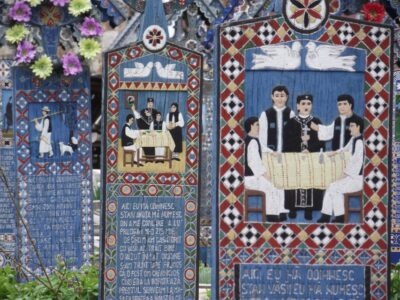
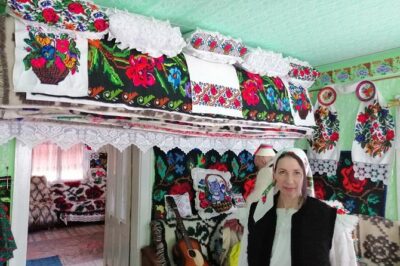
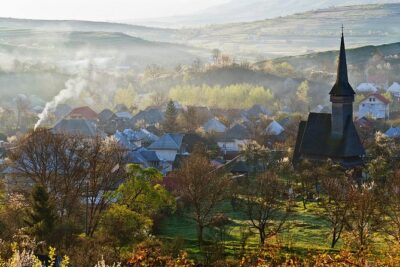
Two days tour to Maramures: local experiences and culture
Read our review →
A Journey Back in Time: Countryside from Transylvania and Maramures – 15 Days
Read our review →
Browse the lists this tour appears in