
Reviewed · MARAMURES TOURS
3 Day Tour of Maramures
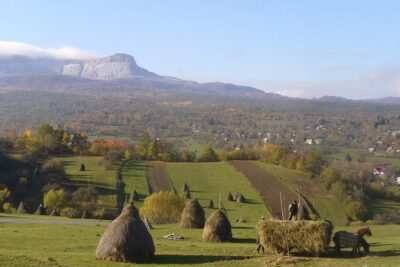
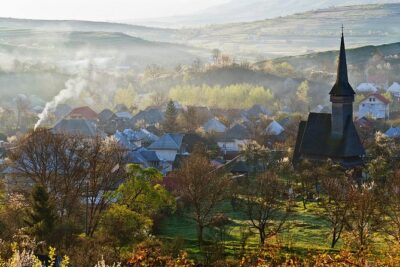
Maramures is one of Romania’s best places to see traditional village life still in use, not just preserved behind glass. This three-day private tour takes you from Cluj-Napoca to Merry Cemetery, old wooden churches, working water-powered mills, craft workshops, and homes where local skills are still practiced.
I especially like the direct contact with local people, including the weaver in Botiza, the potter in Sacel, and the residents of Breb. I also like the historical balance: the tour moves from rural customs to the serious museums of Sighet. The main drawback is the price, $763.34 per person, and the long road time between Cluj and Maramures.
In This Review
- Key points at a glance
- Why this three-day route feels different
- Day one: blue crosses and the memory of Sighet
- Merry Cemetery and the famous Săpânța blue
- Sapanta-Peri Monastery and its 75-meter wooden church
- Sighet prison and Romania under communism
- Elie Wiesel Memorial House and Jewish Sighet
- Day two: wooden monasteries and hands-on village crafts
- Barsana Monastery and northern Transylvanian woodwork
- Botiza and the last generation of traditional rug makers
- Sacel, Dacian pottery, masks, and old wooden homes
- Day three: Breb, Sarbi, and the final village traditions
- Breb and local voices
- Sarbi’s water-powered machines
- Budesti and the final church
- What the $763.34 price includes
- Pace, comfort, and who should book
- Should you book the Maramures tour?
- FAQ
- Where does the tour begin and end?
- What time does the tour start?
- How long does the tour last?
- Is transportation included?
- What accommodation is included?
- Are meals included?
- Is the tour private?
- What happens if I cancel?
Key points at a glance
- Merry Cemetery uses humor and color to tell village stories, with painted wooden crosses dominated by the famous Săpânța blue.
- The Sighet prison museum gives the tour its historical weight, covering Romanian communism from 1945 to 1989.
- You meet working craftspeople in their homes and workshops, including a wool weaver, Dacian-style potter, wood carver, and mask maker.
- The tour visits Maramures churches and monasteries built almost entirely from wood, including the 75-meter Sapanta-Peri church.
- Breb and Sarbi show living village traditions, from local poetry to water-powered farm machines and an alcohol distillery.
- Private transport and a local guide make the remote route practical, but you should be ready for a moderate level of physical activity.
Why this three-day route feels different
Many cultural tours show you a church, a museum, and a craft shop, then move on. This one is more personal. You meet people who still weave, carve, shape clay, work fields, and operate old machines for community use.
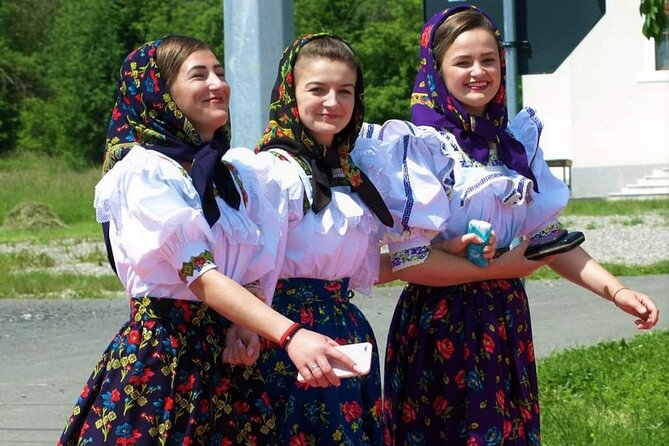
That difference matters in Maramures. The area is not presented as a stage set. At Botiza, you see a woman making wool rugs with plant-based dyes and old motifs. In Sacel, you visit the only ceramist described here as still producing unglazed pottery in the Dacian style. In Breb, you meet local residents, including the village poet, and visit a craft workshop.
The guide has a major role in making these meetings work. Teo is named as a local guide associated with the tour, and his Romanian language skills and personal relationships help turn a visit into a conversation. You are not simply looking at an object and taking a photograph. You may have the chance to ask how it is made, why the design matters, and how the craft fits into daily life.
This is also a private experience. Only your group takes part, so the pace can feel more natural than a large coach tour. The guide can explain details as you go and help bridge conversations with people who do not speak English.
The route begins and ends at Piața Unirii 15 in central Cluj-Napoca. Departure is at 9:30 a.m. The tour lasts about three days, with two nights in 3-star accommodation and two breakfasts included.
More Maramures Tours in Cluj-Napoca
- Maramures best, full day tour from Cluj
★ 5.0 · 33 reviews - From Cluj-Napoca: Maramures Day Tour
★ 5.0 · 19 reviews - Two days tour to Maramures: local experiences and culture
★ 5.0 · 9 reviews
Day one: blue crosses and the memory of Sighet
The first day has a striking mix of folk tradition, religious architecture, and twentieth-century history. It is also the day with the most emotionally demanding stop.
Merry Cemetery and the famous Săpânța blue
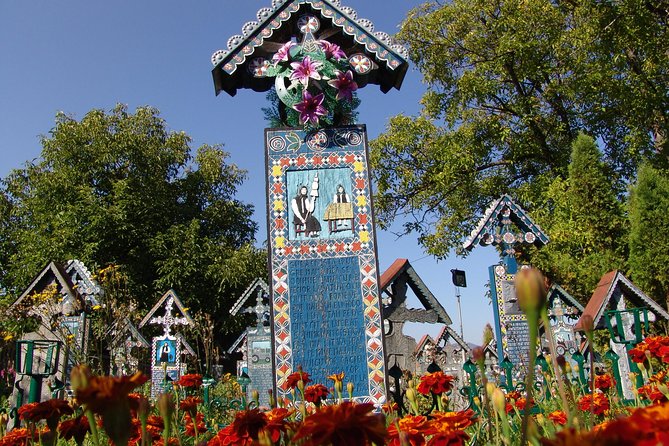
Allow about 90 minutes at Merry Cemetery in Săpânța. Its wooden crosses are painted in bright colors, with the familiar blue shade giving the cemetery its special look. Each cross carries carved text and an image connected to the person buried there.
The epitaphs are the real point of the visit. Written in verse, they describe the virtues of the deceased but may also mention faults, habits, or amusing incidents. Taken together, the crosses create a record of village life told through individual stories.
I like that this place does not treat death as a silent, uniform subject. The humor can feel surprising, but it is part of what makes the cemetery memorable. You should give yourself time to read the translated explanations and look at the painted scenes rather than rushing through for photographs.
Admission is included. The visit is outdoors, so comfortable shoes are sensible, particularly if the ground is uneven or damp.
Sapanta-Peri Monastery and its 75-meter wooden church
The next stop lasts about 30 minutes. Sapanta-Peri Monastery is known for its 75-meter wooden church, described as the tallest wooden church in the world.
The church is impressive because of its height, but the setting also matters. After the close, colorful crosses of Merry Cemetery, the monastery gives you a quieter view of the region’s skill with wood and religious construction.
This is a short stop, so expect a focused visit rather than a long religious tour. Admission is included.
More maramures tours in Cluj Napoca:
- Maramures Activ Tour
★ 5.0 · 6 reviews - Maramures: 2 Days in Rural Romania
★ 5.0 · 5 reviews - From Cluj-Napoca: Two Day Tour to Maramures
★ 5.0 · 5 reviews - CJ03 – Day trip to Maramures Mocanita Train from Cluj Napoca
★ 3.6 · 5 reviews
Sighet prison and Romania under communism
The Memorial of the Victims of Communism and of the Resistance takes about 90 minutes. The museum occupies a former prison in Sighet, with cells converted into exhibits.
This is not a light stop, and it should not be treated as one. The displays examine Romania from 1945 through the fall of the Berlin Wall in 1989, with attention to political repression, totalitarian rule, and the human cost of communism.
The old cells give the museum a strong sense of place. You are not merely reading about a prison in a modern gallery. You are moving through the building where people were confined, which makes the recent history more immediate.
I consider this one of the most valuable parts of the tour because it keeps the traditional village visits from becoming a romantic picture of rural Romania. Maramures has beautiful customs and architecture, but it also belongs to a country shaped by war, dictatorship, and resistance.
Elie Wiesel Memorial House and Jewish Sighet
The final stop of the first day is the Elie Wiesel Memorial House, also known as the Museum of Jewish Culture in Maramures. The visit takes about 30 minutes.
The house was the birthplace of Elie Wiesel, the Nobel Peace Prize winner and author of Night. The museum focuses largely on Jewish life and the Holocaust in the region.
The description also notes the option to visit the Sephardic Synagogue, Jewish Cemetery, and Holocaust Monument. Because the listed time is short, ask your guide how these additional places fit into the schedule if they matter to you.
Together, the Sighet prison museum and the Wiesel house create a serious historical afternoon. You finish the day with a clearer sense of the communities that lived in northern Transylvania and the forces that nearly destroyed them.
Day two: wooden monasteries and hands-on village crafts
The second day shifts toward religion, textile work, farming, and handmade objects. It is the strongest day for seeing skills practiced by real people.
Barsana Monastery and northern Transylvanian woodwork
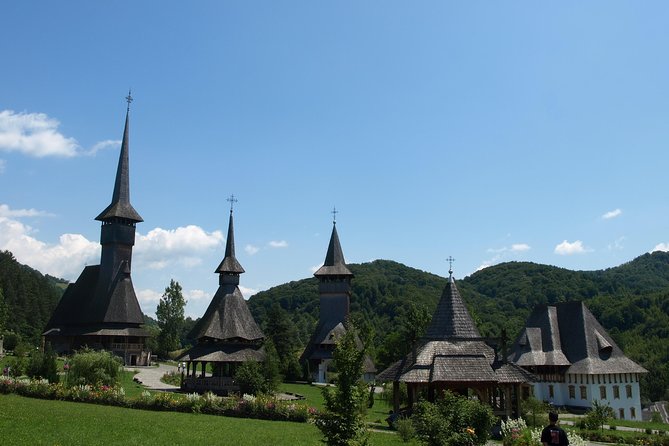
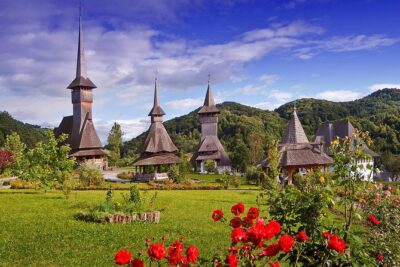
Barsana Monastery receives about 90 minutes. It is described as the most impressive monastery complex in northern Transylvania, built almost entirely from wood and set among flowers and open scenery.
The complex gives you a broader view of Maramures woodwork than the single church at Sapanta-Peri. Pay attention to the carved details, the arrangement of the buildings, and the way the monastery fits its setting.
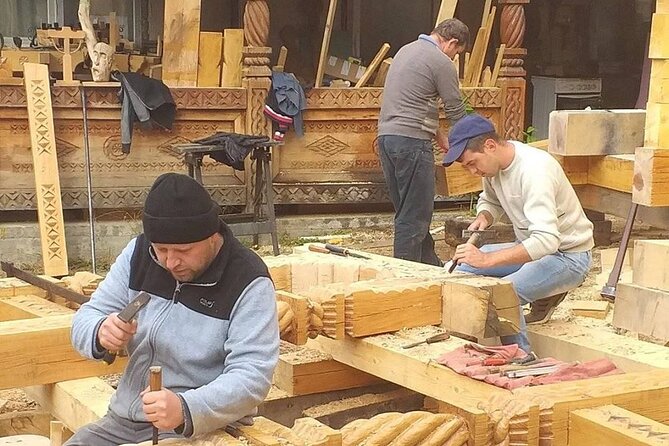
The stop also includes a visit to the largest wood-carving workshop in the same village. That pairing is useful. You first see finished religious architecture, then learn more about the craft behind the region’s carved wooden structures.
Admission is included. The complex and workshop make this a good stop for anyone interested in architecture, religious art, or woodworking.
Botiza and the last generation of traditional rug makers
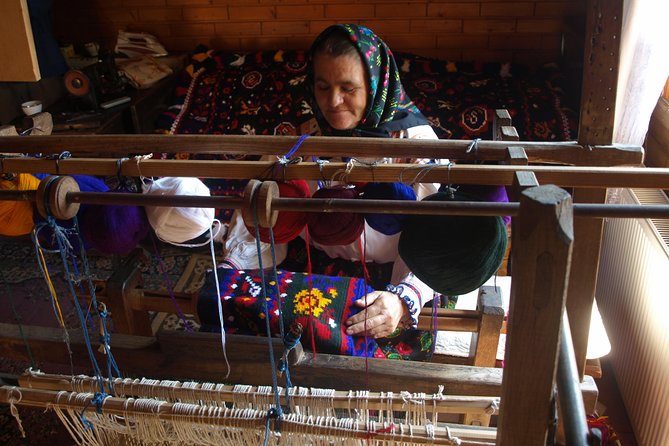
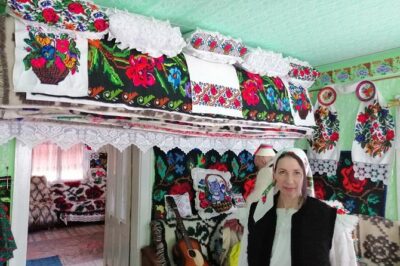
Botiza is scheduled for about an hour. Here, you meet a woman who weaves wool rugs using dyes made from plants. The designs use antique motifs, and traditional wall-carpet craftsmanship in Maramures was placed on UNESCO’s Representative List of the Intangible Cultural Heritage of Humanity in 2016.
The important point is that you see the technique in a working setting, rather than only buying a finished souvenir. You can watch the process and ask about the patterns, materials, and role of the rugs in local homes.
The visit may also include people working in the fields and a mineral spring. These details broaden the stop beyond textiles. You get a glimpse of how craft, farming, and local resources fit together in village life.
There is no separate admission charge here. The quality of the visit depends partly on conversation and translation, which is another reason a trusted local guide matters.
Sacel, Dacian pottery, masks, and old wooden homes
Sacel takes about 90 minutes and packs several encounters into one village. The central visit is with the only ceramist identified in the tour as still making Dacian-style unglazed pottery.
Unglazed pottery has a plain, earthy character. It is a useful counterpoint to the painted crosses and ornate monastery buildings from the previous stops. You see how regional identity can survive through a simple household object as well as through grand architecture.
If available, you may also meet a maker of wool and sheepskin ritual masks. The schedule includes a wood carver and a woman living in a 100-year-old wooden house.
This is a lot for 90 minutes, so do not expect a long workshop lesson at every stop. The benefit is variety. In one village, you can compare pottery, masks, carving, and vernacular housing, all with the chance to meet the people involved.
Day three: Breb, Sarbi, and the final village traditions

The last day continues with smaller communities and working machinery before returning to Cluj-Napoca. The stops are less formal than the museums and churches, which gives the final day an easy, human scale.
Breb and local voices
Breb receives about 70 minutes. You meet local residents, including the village poet, and visit a crafts workshop.
The poet is a particularly unusual detail. It suggests that the visit is not limited to old tools and historic buildings. You get contact with a person shaping the village’s present-day cultural life.
Breb is a good place to ask the guide about the difference between tradition as a performance and tradition as part of ordinary life. The tour’s strongest feature is this direct contact, and Breb is built around it.
Sarbi’s water-powered machines
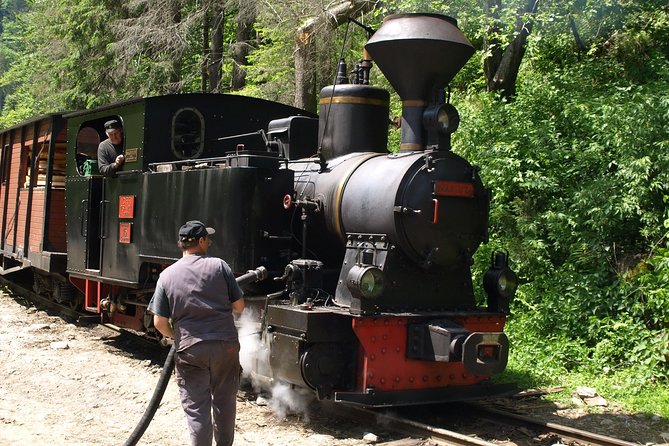
The Sarbi visit lasts about an hour. It includes farm machines pulled by water that still operate for community needs: a fulling mill, carding mill, whirlpool, and alcohol distillery.
These machines explain how a village once handled wool, cloth, and other practical tasks with local water power. Since they remain in use, the stop connects technology with community life rather than treating the machinery as a dead exhibit.
The fulling and carding mills are especially relevant after the rug-making visit in Botiza. You begin to see the wider chain behind wool work, from raw material to processing and finished textile.
The alcohol distillery is another reminder that these are working rural communities, not only collections of old houses. Admission is free.
Budesti and the final church
Budesti is the final stop, lasting about an hour. You see what the tour calls Romania’s most unusual optical illusion and visit a fine medieval wooden church.
The optical illusion is not explained in the available details, so ask the guide to point out exactly what creates the effect. The wooden church provides a calmer final look at the architecture that has appeared throughout the trip.
After Budesti, you return to Cluj-Napoca, ending at the original meeting point. The return drive makes this a full day, so plan to keep your evening flexible.
What the $763.34 price includes
At $763.34 per person, this is not a bargain day trip. It is a high-priced three-day private experience, and the value depends on what you want from Maramures.
The price includes private transportation, all fees and taxes, a professional local guide, two nights in 3-star accommodation, two breakfasts, and admission to the listed paid attractions. Private transport matters here because the route links scattered villages and remote cultural sites. Arranging that route independently would take time, and public transport would not offer the same flexibility.
The guide is also part of the value. The best moments depend on introductions, translation, and context. A guide with local trust can help you enter a home or workshop in a respectful way and make conversation possible.
Meals, drinks, snacks, travel insurance, tips, souvenirs, and other personal expenses are not included. You should budget separately for those items. The accommodation is 3-star, so book this for the access and route rather than for luxury.
Group discounts may reduce the per-person cost for larger parties. Since this is a private tour, it suits families, couples, or friends who prefer their own vehicle and guide instead of joining strangers.
Pace, comfort, and who should book
The tour requires a moderate level of physical fitness. You will visit cemeteries, monasteries, museums, workshops, villages, and old buildings over three active days. The information does not specify distances, stairs, or vehicle details, so ask about those points if mobility is a concern.
The 9:30 a.m. start is reasonable, but the first and third days include considerable driving from Cluj-Napoca and back. You should be comfortable spending time in a vehicle between stops.
I would choose this tour if you care about people and place more than ticking off famous sights. It is particularly suited to you if you want village encounters, traditional crafts, wooden religious buildings, and a serious look at Romania’s communist past.
I would choose something else if you want a relaxed resort-style break, long meals, or deep time at only one location. The schedule is full, and some visits are brief. The range is the strength, but it also means you cannot linger everywhere.
The tour is offered in English and includes mobile ticketing. Booking confirmation is normally provided at once, although bookings made within two days of departure may require up to 48 hours and remain subject to availability.
Cancellation is flexible only up to a point. You receive a full refund if you cancel at least three full days before the local start time. Cancellations or changes made later are not accepted for a refund.
Should you book the Maramures tour?
Book it if you want direct contact with rural communities, a private guide, and a route that combines living traditions with difficult modern history. The meetings in Botiza, Sacel, Breb, and Sarbi are the reason to pay for this experience.
The price is easier to justify for a small private group, especially when you value transport, translation, accommodation, breakfast, and admission fees in one package. For a solo visitor, it is a serious expense.
My practical advice is to confirm the guide, hotel location, vehicle arrangements, and the exact plan for the optional Jewish heritage sites before paying. If those details suit you, this tour offers a rare look at Maramures as a place where old skills and present-day life still meet.
FAQ
Where does the tour begin and end?
It begins at Piața Unirii 15 in Cluj-Napoca, Romania, and ends back at the same meeting point.
What time does the tour start?
The scheduled start time is 9:30 a.m.
How long does the tour last?
The experience lasts approximately three days and includes two nights of accommodation.
Is transportation included?
Yes. Private transportation is included.
What accommodation is included?
The tour includes two nights in 3-star accommodation.
Are meals included?
Two breakfasts are included. Other meals, drinks, and snacks are not included.
Is the tour private?
Yes. Only your group participates in the private activity.
What happens if I cancel?
You can receive a full refund if you cancel at least three full days before the experience start time. Cancellations and changes made less than three full days before the start are not accepted for a refund.
More 3-Day Experiences in Cluj Napoca
- 3-Day Medieval Transylvania Package Tour
★ 4.7 · 31 reviews - 3-Day Explore Transylvania from Bucharest
★ 5.0 · 17 reviews - 3-Day Tour of Transylvania’s Landmarks from Bucharest
★ 5.0 · 16 reviews - 3-Day Private Tour of Medieval Transylvania from Bucharest
★ 5.0 · 15 reviews
Just added around Cluj Napoca
- Turda Salt Mine, Gorge & Rimetea Village (private from Cluj)★ 5.0 · 5 reviews
- Private tour to Turda Salt Mine, Rimetea and Alba Iulia★ 4.8 · 5 reviews
- Turda salt mine and Corvin Castle day tour from Cluj★ 5.0 · 9 reviews
- CLUJ ADVENTURE TOUR ! ZIP LINE and HIKE★ 5.0 · 15 reviews
- Two days tour to Bucovina & UNESCO Painted Monasteries★ 5.0 · 3 reviews
- Snowshoeing Fun Tour from Cluj Napoca★ 4.5 · 7 reviews
- Turda Gorge, salt mine and Rimetea village private tour★ 5.0 · 12 reviews
- Discover Apuseni Mountains – Scarita Summit,Sipote Waterfall and Dumesti Village★ 5.0 · 17 reviews
Maramures Tours, compared.
Classic Romania Tour – small group in 8 days: Transylvania and Maramures
Read our review →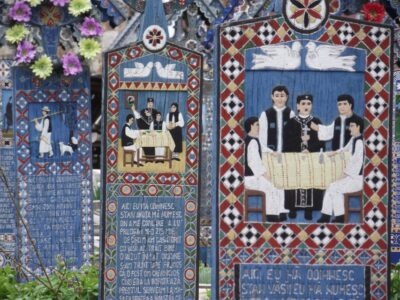
Two days tour to Maramures: local experiences and culture
Read our review →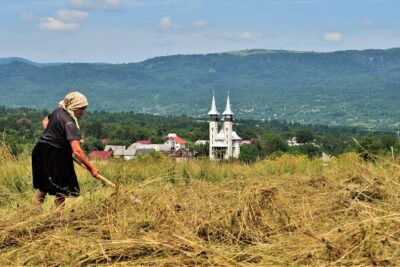
A Journey Back in Time: Countryside from Transylvania and Maramures – 15 Days
Read our review →
Your rendez-vous with Europe’s past: time-travel to Maramures, Transylvania
Read our review →Browse the lists this tour appears in