
Reviewed · MARAMURES TOURS
From Cluj-Napoca: Two Day Tour to Maramures
Maramureș shows you a Romania that still turns to wood, wool, hay, and family customs for its daily life. The best part of this two-day trip is not simply seeing old churches. It is entering local homes, sharing food, and hearing how traditions fit into ordinary life.
I like the access to Breb village and the chance to meet craftspeople, rather than viewing the region only through a car window. I also like the guides’ local connection. Florin grew up in Maramureș, while Ilona and Josif brought strong knowledge of the area and Romanian history. The main drawback is the pace: two days cover a lot of ground, and long drives are part of the deal.
In This Review
- Key points to know before booking
- Why Maramureș feels different from a standard Romanian day trip
- Breb village, carved gates, and a meal inside a local home
- Wood carving, wool washing, and the work behind the customs
- The Merry Cemetery and Maramureș humor
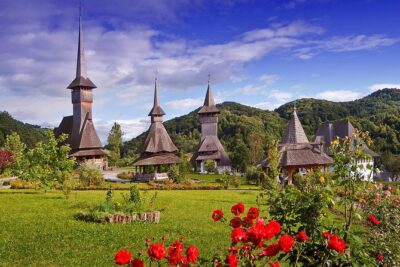
- Wooden churches, monasteries, and the region’s spiritual side
- Hill villages, haycocks, and old forests
- Spending the night in a traditional house
- How the guides shape the experience
- Is $688 per person a fair price?
- Who should book this Maramureș tour?
- Should you book it?
- FAQ
- How long is the Maramureș tour from Cluj-Napoca?
- Is hotel pickup included?
- What language does the guide speak?
- What accommodation is provided?
- Which meals are included?
- What should I bring?
- Is the tour suitable for wheelchair users?
Key points to know before booking
- Breb is the heart of the visit: Enter a traditional house through a carved wooden gate, eat local food, and spend the night in a traditional home.
- Local contact is built into the day: You visit villagers, see wood carving, taste palinka, and learn how family customs shape the house.
- The Merry Cemetery adds humor to the history: Painted grave markers use funny epitaphs to tell stories about the dead.
- Wooden churches bring the spiritual side: The route includes historic churches and monasteries, including a UNESCO World Heritage Site.
- The scenery is rural and quiet: Hill villages, haycocks, forests, and mountain views give the trip its storybook feel.
- This is not an easy-access outing: Comfortable shoes are needed, and the tour is not suitable for wheelchair users or people with mobility impairments.
Why Maramureș feels different from a standard Romanian day trip
From Cluj-Napoca, the road heads north into Maramureș, a region first recorded in documents in 1199. That date matters less than what you can still see today: houses and churches built with hand tools, customs passed through families, and village life shaped by the seasons.
You are not coming here for a checklist of grand city sights. You are coming to see how people made a life with local materials and kept old habits useful. Wood is the clearest example. It appears in gates, houses, tools, churches, and carved decorations. The work is practical, but it also carries symbols and family meaning.
The trip suits you if you enjoy tradition, architecture, religion, and nature in equal measure. It is less suitable if you want a relaxed hotel break with little time in the car. The experience has a full program, and the appeal comes from moving between villages and meeting people along the way.
Pickup from your Cluj hotel is included. Transport is by a modern, well-equipped car, which is a sensible arrangement for a rural route with several stops. An English-speaking guide leads the trip, with German and French available on request according to the tour details.
More Maramures Tours in Cluj-Napoca
- Maramures best, full day tour from Cluj
★ 5.0 · 33 reviews - From Cluj-Napoca: Maramures Day Tour
★ 5.0 · 19 reviews - Two days tour to Maramures: local experiences and culture
★ 5.0 · 9 reviews
Breb village, carved gates, and a meal inside a local home
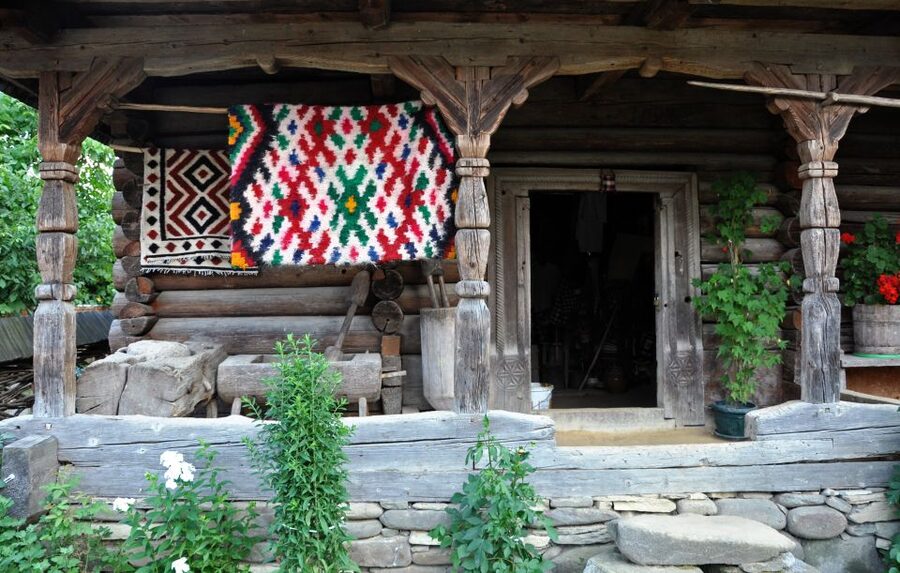
The first day ends in Breb, one of the key reasons to choose this tour. You enter through a handmade carved gate, where the patterns and details have cultural meaning rather than serving as mere decoration.
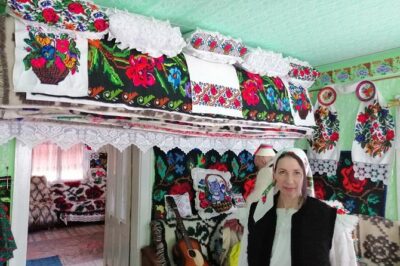
The focus then shifts from objects to people. You enter a traditional home, meet local residents, and eat a meal made with fresh products. This is where Maramureș makes the strongest impression. The home is treated as the center of family life, customs, and work, so seeing the interior gives you a clearer picture than a short stop beside a church.
I would pay close attention to the small details: the way rooms are arranged, the materials used, the objects that remain useful, and the relationship between household work and local custom. You are not just looking at an old building. You are seeing how a family’s way of life is organized.
Food is a major part of the welcome. A local saying holds that you never leave Maramureș hungry, and the meal portions are described as generous. The included food is one traditional lunch and one traditional dinner, with the lunch served in Breb. Other meals and drinks are not included, so plan to pay separately for anything beyond those meals.
You may also taste palinka while talking with locals. It is a strong fruit brandy and a familiar part of rural hospitality. If you do not drink alcohol, you can still take part in the conversation and food, but you should remember that beverages beyond the included bottle of water are personal expenses.
Wood carving, wool washing, and the work behind the customs
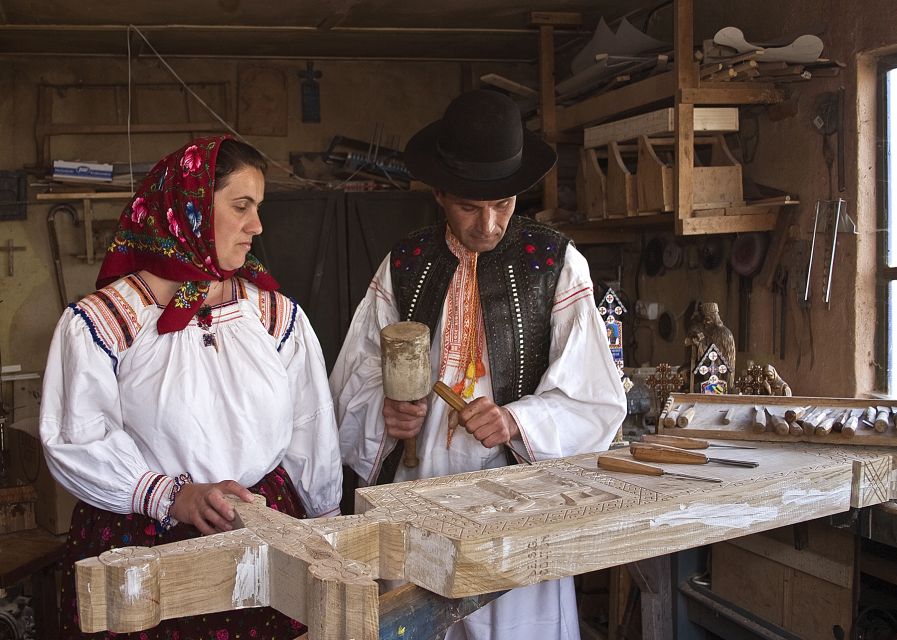
Maramureș traditions are easier to understand when you see people working with their hands. The tour includes visits to local craftsmen and demonstrations of activities such as wood carving.
That matters because the region’s architecture is not separate from its craft. The same skills used for gates, household items, and church details help explain why the wooden churches look the way they do. You get a better sense of the patience and precision involved when you see the process rather than only the finished work.
The tour also points out the natural washing machines once used for wool rugs. Women used whirlpools in the local water system to clean the rugs. It is a simple, ingenious example of how people adapted to the resources around them.
These demonstrations should not be treated like a formal museum visit. They are useful because they connect the region’s objects with the work that produced them. You may find the experience most rewarding if you ask questions and take time to watch. The guide can help explain the purpose and background of what you see.
Photography may require a separate fee, so do not assume every photograph is covered by the tour price. Ask your guide before taking pictures inside homes, during demonstrations, or at religious sites. Good manners matter here, especially when you are being welcomed into private spaces.
The Merry Cemetery and Maramureș humor
Sapanta’s Merry Cemetery brings an unexpected tone to the trip. Its colorful grave markers and funny epitaphs show a local habit of facing death with humor as well as sorrow.
The attraction is more than a collection of painted crosses. The epitaphs tell personal stories and reveal how the community remembers people. Some are playful, which can feel surprising if you expect a solemn cemetery. That humor is part of the point. Maramureș has a strong sense of personality, and the cemetery lets you see it in a public, lasting form.
Your guide is especially important here. A translation or explanation can help you understand the jokes and the social details behind the words. Without context, you may see bright colors and amusing writing but miss why the memorials are significant.
Allow yourself time to read and look closely. The cemetery is one of the tour’s most memorable stops, but it is also a place of remembrance. Treat the humor as a local way of honoring lives, not as a novelty display.
More maramures tours in Cluj Napoca:
- Maramures Activ Tour
★ 5.0 · 6 reviews - Maramures: 2 Days in Rural Romania
★ 5.0 · 5 reviews - CJ03 – Day trip to Maramures Mocanita Train from Cluj Napoca
★ 3.6 · 5 reviews - 3 Day Tour of Maramures
★ 5.0 · 4 reviews
Wooden churches, monasteries, and the region’s spiritual side
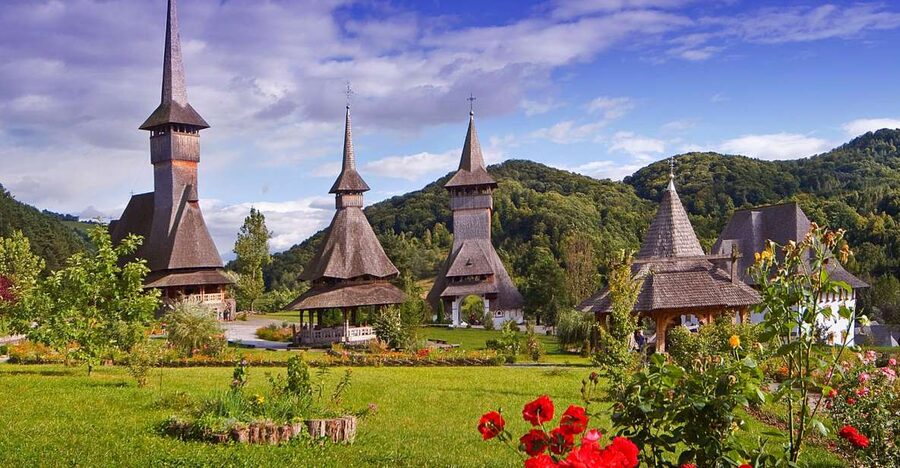
The tour also turns toward religion, with visits to monasteries and wooden churches. Several churches in Maramureș are known for careful hand carving, and one site on the route is a UNESCO World Heritage Site.
These churches are important because they show how faith, local materials, and craftsmanship came together. The buildings are not simply old religious monuments. They reflect the skills of local builders and the spiritual life of the villages that maintained them.
You will visit some of the region’s most interesting churches and monasteries, but the exact order depends on the day’s route. Expect a mix of sightseeing and explanation from the guide. The religious sites may be most meaningful to you if you care about architecture, church history, or the role of faith in village life.
Dress and behave respectfully at religious sites. Comfortable shoes are required for the tour, and they are especially useful when walking through villages or around church grounds. The program is not designed for wheelchair users or people with mobility impairments, so consider the walking and uneven rural settings before booking.
Hill villages, haycocks, and old forests
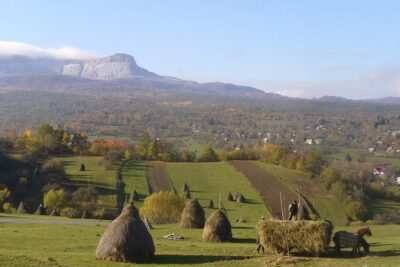
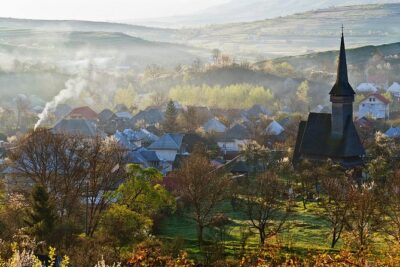
The scenery gives the tour breathing room between cultural stops. From higher points, you can look over hill villages and fields where haycocks sit in the sun. The effect is peaceful and distinctly rural, far removed from Cluj’s city streets.
The route is described as having a Lord of the Rings quality, but the appeal is more grounded than that comparison suggests. You see working villages, open fields, and forested hills rather than a staged fantasy setting. If you enjoy taking photographs, these higher viewpoints may be among the best moments of the trip.
The forests are another major part of Maramureș. Some are described as among Europe’s last untouched forests, with trees of many ages growing together. Old trees fall naturally, and the wood returns to the soil. The area is also home to brown bears, wolves, deer, and more than 10,000 species of animals.
That description should not lead you to expect a wildlife safari. The tour information does not promise animal sightings, and you should not count on seeing bears or wolves. The value is in understanding the forest as a living system, not in ticking off a wildlife list.
Spending the night in a traditional house
The overnight stay is one of the tour’s strongest features because it gives you more than a short village visit. You sleep in a traditional house, allowing the rural setting to continue after the day’s sightseeing ends.
The accommodation is described as clean, comfortable, modern, and warm. That last detail matters if you are visiting outside summer. One October stay included a night below freezing, yet the accommodation remained warm. You get the character of a traditional building without giving up basic comfort.
You should still expect a simpler setting than a city hotel. The appeal is the house itself and its connection to local life. If you need resort facilities, a large room, or a standard hotel layout, this may not be your preferred overnight arrangement. If you like historic homes and a more personal setting, it adds real value.
The included traditional dinner helps make the evening part of the experience rather than just a place to sleep. Since other meals are not included, check what you will need to pay for separately and carry some money for drinks, souvenirs, and personal expenses.
How the guides shape the experience
A local guide can make or break a trip through a region where customs, humor, and religious traditions are not always obvious to outsiders. This tour has used guides named Florin, Ilona, and Josif, and each is described as adding strong local or historical context.
Florin is from Maramureș, which gives him direct ties to the villages and people visited along the route. That kind of connection can matter when the itinerary includes private homes, local meals, and craft demonstrations. It may help the visit feel like a meeting rather than a performance.
Ilona is described as attentive and good company, with a strong understanding of the area. Josif, also referred to as Joseph, is praised for explaining Romanian history and the story of Maramureș across many subjects. These comments point to the tour’s best feature: the guide is not only a driver between stops but the person who connects them.
Guide assignments can change, so you should not book on the assumption that one named person is guaranteed. Still, the repeated praise for the guiding side suggests that the tour depends heavily on the quality of the person leading it. Ask questions, especially about the meaning of carvings, the church architecture, and the stories told in the cemetery.
Is $688 per person a fair price?
At $688 per person for two days, this is not a budget bus excursion. The price includes private hotel pickup from Cluj, transport in a modern car, an English-speaking professional guide, entrance fees, a bottle of water, a traditional house overnight stay, and one traditional lunch and dinner.
The value comes from access and organization. You are covering a large rural region in a short time, with a guide who handles the driving, explains the history, and arranges village visits. Entering homes and meeting local people would be difficult to arrange independently, especially if you do not speak Romanian.
The price is easier to justify if you want a focused cultural trip and prefer not to manage rural transport yourself. It is harder to justify if you are happy with a long self-drive and basic sightseeing from public roads. Remember that travel insurance, extra meals, beverages, personal calls, souvenirs, and photography fees are not included.
The flexible booking terms help reduce the risk. You can reserve now and pay later, and cancellation is allowed up to 24 hours before departure for a full refund. Starting times depend on availability, so check the schedule before you commit.
Who should book this Maramureș tour?
I would recommend it to you if you want direct contact with village life, enjoy traditional food, and care about how architecture and religion fit into a community. It is also a strong choice for photographers, history fans, people interested in craft, and anyone who prefers a local home to a standard overnight hotel.
It may suit couples, solo visitors, or small groups who value a guide’s conversation and flexibility. The reviews praise the guides for their attention, historical explanations, and ability to make the long route enjoyable.
I would hesitate if you dislike rural roads, need step-free access, or want free time with no fixed sightseeing program. The route is full, and the tour does not suit wheelchair users or people with mobility impairments. Bring comfortable shoes, your passport or ID card, and a willingness to eat simple local food.
Should you book it?
Book this tour if your priority is people and tradition, not just scenery. Breb, the home visit, craft work, Merry Cemetery, wooden churches, and the overnight stay give you a rounded look at Maramureș in only two days.
The strongest reason to go is the chance to see the region through local relationships and explanations. The main caution is the price and pace. At $688, you are paying for guided access, transport, meals, and a carefully arranged rural experience. If that sounds worthwhile, this is a practical way to reach a part of Romania that is difficult to understand from a quick independent stop.
FAQ
How long is the Maramureș tour from Cluj-Napoca?
The tour lasts two days and includes one overnight stay in a traditional house.
Is hotel pickup included?
Yes. Pickup from your hotel in Cluj-Napoca is included.
What language does the guide speak?
The live guide speaks English. German and French are available on request according to the tour details.
What accommodation is provided?
You stay overnight in a traditional house in Maramureș. The accommodation is described as comfortable, clean, modern, and warm.
Which meals are included?
The tour includes one traditional lunch and one traditional dinner served in Breb. Other meals, beverages, and personal expenses are not included.
What should I bring?
Bring your passport or ID card and comfortable shoes. You may also want money for drinks, souvenirs, and other personal expenses.
Is the tour suitable for wheelchair users?
No. The tour is not suitable for wheelchair users or people with mobility impairments. Pets are also not allowed.
More 2-Day Experiences in Cluj Napoca
- Two days tour to Bucovina & UNESCO Painted Monasteries
★ 5.0 · 3 reviews - 2-Day Medieval Transylvania with Brasov,Sibiu and Sighisoara Tour from Bucharest
★ 4.5 · 145 reviews - 2-Day Transylvania from Bucharest: Brasov, Bran, Sighisoara
★ 5.0 · 60 reviews - 2-Day Private Tour of Transylvania from Bucharest
★ 5.0 · 24 reviews
Just added around Cluj Napoca
- Turda Salt Mine, Gorge & Rimetea Village (private from Cluj)★ 5.0 · 5 reviews
- Private tour to Turda Salt Mine, Rimetea and Alba Iulia★ 4.8 · 5 reviews
- Turda salt mine and Corvin Castle day tour from Cluj★ 5.0 · 9 reviews
- Two days tour to Bucovina & UNESCO Painted Monasteries★ 5.0 · 3 reviews
- CLUJ ADVENTURE TOUR ! ZIP LINE and HIKE★ 5.0 · 15 reviews
- Snowshoeing Fun Tour from Cluj Napoca★ 4.5 · 7 reviews
- Turda Gorge, salt mine and Rimetea village private tour★ 5.0 · 12 reviews
- Discover Apuseni Mountains – Scarita Summit,Sipote Waterfall and Dumesti Village★ 5.0 · 17 reviews
Maramures Tours, compared.
Classic Romania Tour – small group in 8 days: Transylvania and Maramures
Read our review →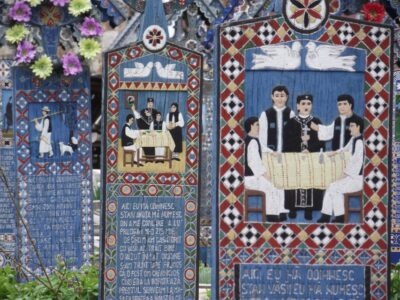
Two days tour to Maramures: local experiences and culture
Read our review →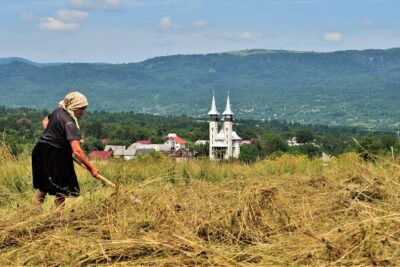
A Journey Back in Time: Countryside from Transylvania and Maramures – 15 Days
Read our review →
Your rendez-vous with Europe’s past: time-travel to Maramures, Transylvania
Read our review →Browse the lists this tour appears in