
Reviewed · VILLAGE MUSEUM TOURS
Bucharest: Village Museum Guided Tour
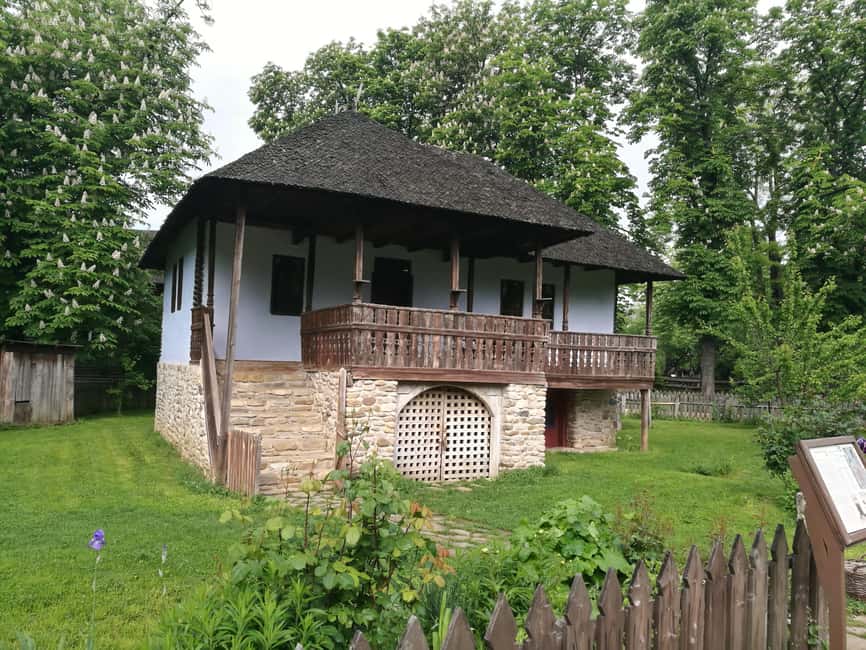
Bucharest’s Village Museum turns a city outing into a walk through rural Romania. Across 100,000 square meters in King Michael I Park, you’ll see 123 traditional peasant settlements, 363 monuments, and homes dating from the 17th to the 20th century.
I like the hotel pickup and drop-off, especially when you have limited time in Bucharest. I also like having a guide to explain why houses from Maramures look different from those in Dobrogea or Moldavia. The main drawback is the short one-hour visit, and the $67 price does not include the 30 lei adult entry fee.
In This Review
- Key points
- Why Bucharest’s Village Museum Is Worth Your Time
- Entering a 100,000-Square-Meter Open-Air Museum
- Comparing Romania Through 123 Settlements
- From Transylvania to Dobrogea
- What the 50,000 Artifacts Add
- Lonut, Mitran, and the Value of a Live Guide
- Making One Hour Work Well
- Access and Practical Limits
- Who Should Book This Bucharest Tour?
- Should You Book It?
- FAQ
- Where does the tour begin and end?
- How long is the museum visit?
- Is the museum entrance fee included?
- What language is the guided tour in?
- Is hotel transportation included?
- Can I cancel the booking?
Key points
- A large open-air museum in King Michael I Park: See houses, farm buildings, churches, and other structures arranged by Romanian region.
- 123 authentic peasant settlements: The collection gives you a clear look at how rural families lived and worked.
- 50,000 artifacts from across Romania: Interiors and household objects add meaning to the buildings.
- Hotel pickup and return included: Transport by car, minivan, or minibus keeps the visit simple.
- English-speaking guides may include Lonut or Mitran: Lonut is noted for detailed explanations and small gifts, while Mitran helped a visitor whose husband had mobility issues.
- One hour inside the museum: It works well as a focused introduction, but it is not enough for a slow, full-site visit.
Why Bucharest’s Village Museum Is Worth Your Time
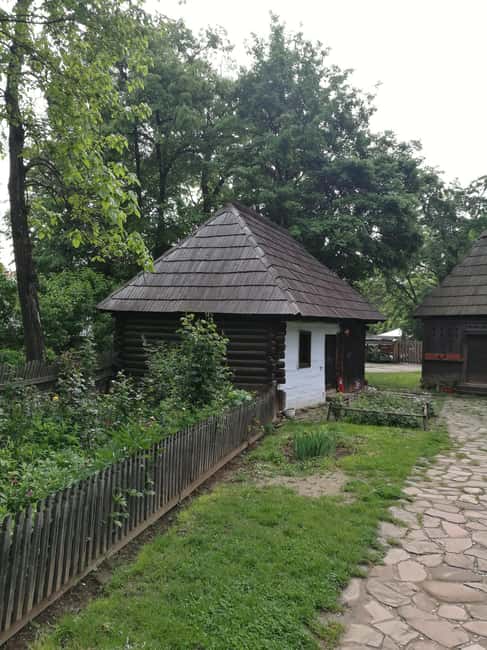
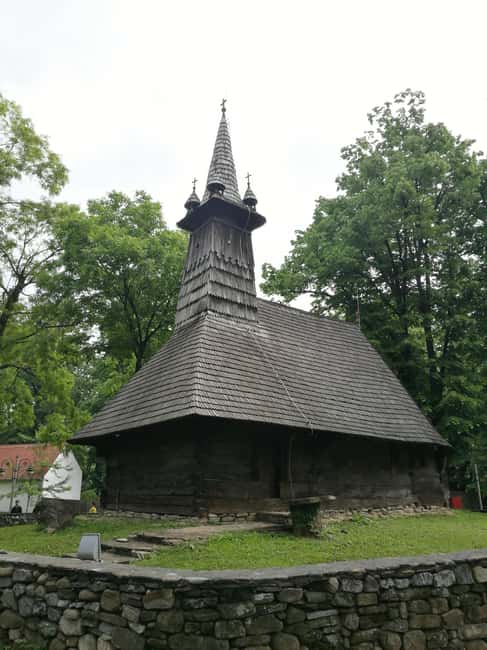
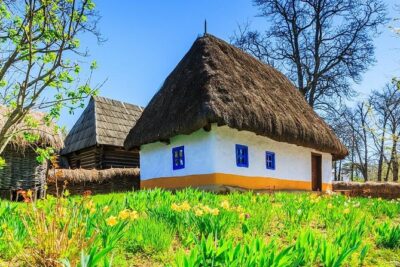
The Dimitrie Gusti National Village Museum is one of the clearest places in Bucharest to see Romania beyond its capital streets. Instead of viewing rural culture through a few display cases, you walk among actual houses and farm structures brought from different parts of the country.
The setting in King Michael I Park gives the museum room to breathe. You are not moving through a tight indoor gallery. You follow paths between buildings, with each regional group showing different ways of building, storing food, worshipping, and organizing family life.
I like this kind of museum because the buildings do most of the talking. A house tells you about weather, local materials, family size, work, and wealth before the guide adds the details. With an English-speaking guide, you can connect those clues instead of simply taking photographs and moving on.
The collection covers seven broad ethnographic regions: Banat, Transylvania, Moldavia, Maramures, Oltenia, Dobrogea, and Muntenia. That range matters. Romania is not one single rural culture, and the museum lets you compare local traditions within a fairly small area.
More village museum tours in Bucharest:
- Palace of the Parliament, Village Museum & Ceaușescu Mansion
★ 4.9 · 31 reviews - Traditions in Bucharest: Village Museum and Wine Tasting Tour
★ 5.0 · 27 reviews - Private Bucharest city tour visit the Palace of the Parliament & Village Museum
★ 4.5 · 21 reviews
Entering a 100,000-Square-Meter Open-Air Museum
Your tour begins with pickup at your Bucharest hotel. The exact vehicle may be a car, minivan, or minibus, and the driver contacts you before the visit by phone, text, email, or WhatsApp.
Give the provider your hotel name or precise pickup address, along with a working phone number or email. This is a small step, but it prevents the most common transport problem: a driver waiting at the wrong entrance or address.
Once you reach the museum, your guide leads you through the open-air grounds. The included museum visit lasts one hour. That time is useful for a focused overview, especially if you want to understand the major regional differences before exploring more of Bucharest.
The $67 per-person cost covers hotel pickup and return, transportation, the guide, the driver, and the one-hour tour. You still pay the adult entrance fee of 30 lei separately. For a solo visitor, the price is not the cheapest way to see a museum, but you are paying for door-to-door transport and personal explanation rather than admission alone.
If you are traveling with a small group, the price may feel easier to justify because the transport and guiding solve several practical tasks at once. If you are already near King Michael I Park and comfortable arranging your own transport, a self-guided visit could cost less. The tradeoff is that you lose the structured explanation and hotel service.
Comparing Romania Through 123 Settlements
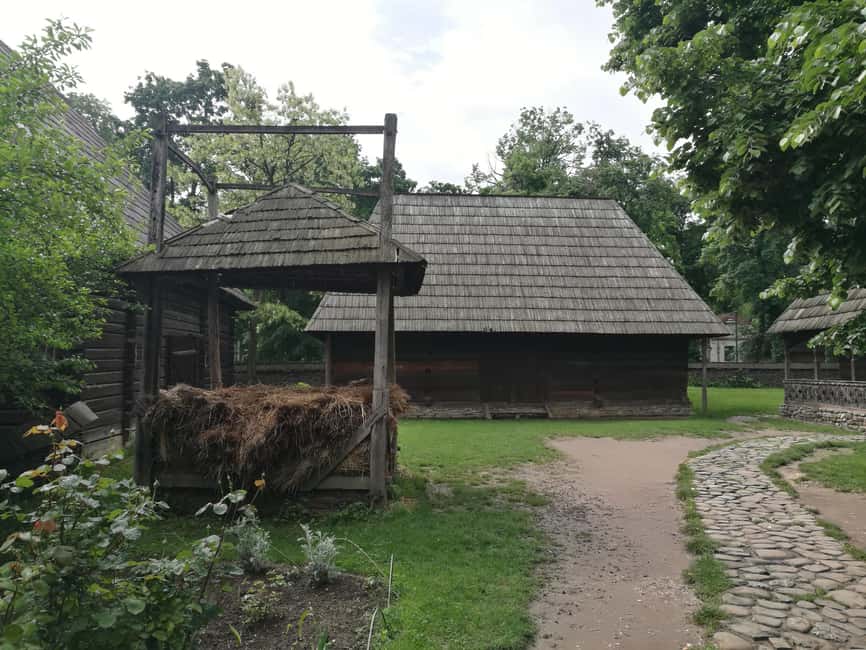
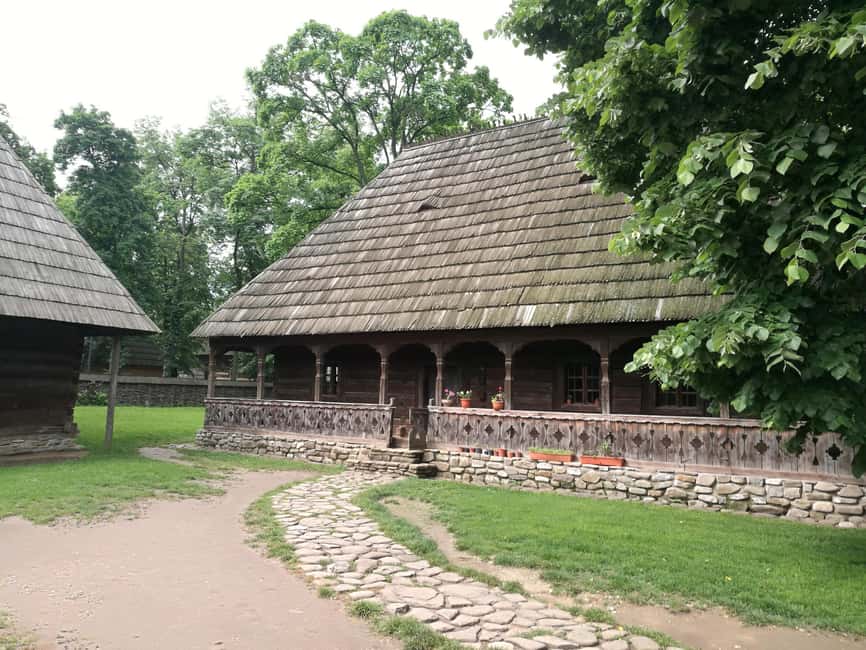
The museum’s 123 authentic peasant settlements are the heart of the visit. These are not just decorative facades. They represent traditional homes and rural structures from different parts of Romania, giving you a sense of how local life changed from one region to another.
You might notice differences in building materials, roof shapes, room layouts, and decoration. A mountain or forest region had different needs from a lowland farming area. Weather, available timber, agricultural work, and religious customs all shaped the homes.
The guide is especially useful here. Without context, it can be hard to know which features are practical and which carry symbolic meaning. You may see a building that looks simple from the outside, then learn how its interior arrangement reflects family life or seasonal work.
The museum includes structures dating from the 17th through the 20th centuries. This time span helps you see change over several generations. You are not looking at one frozen version of village life, but at a collection that shows how homes and rural buildings developed over time.
The regional spread also makes this a good choice early in a Romania trip. You can gain a basic map of the country’s folk traditions before visiting places such as Transylvania, Moldavia, or Maramures in person. It will not replace seeing those areas directly, but it gives you useful background.
From Transylvania to Dobrogea
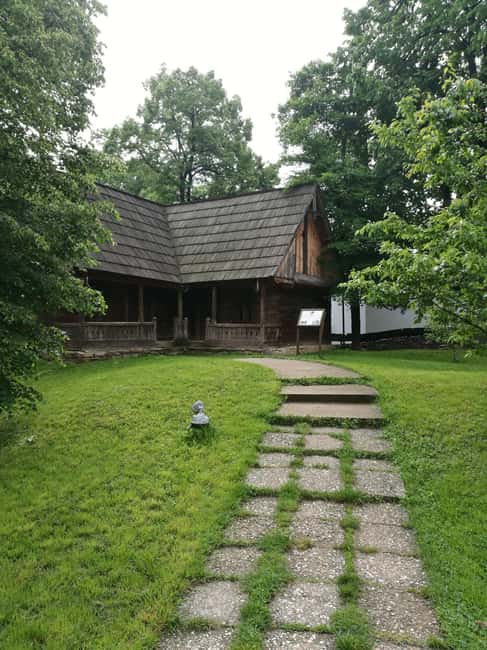
The named regions give the tour a strong organizing idea. You are not simply wandering among unrelated old buildings. You can compare the traditions of Banat, Transylvania, Moldavia, Maramures, Oltenia, Dobrogea, and Muntenia.
Transylvania and Maramures may bring different building traditions from those found in the lower-lying regions. Dobrogea, with its position in southeastern Romania, adds another point of comparison. The museum’s value comes from seeing these regional differences side by side.
I would pay close attention to the guide’s explanation of place and function. A house is only one part of village life. Agricultural buildings, storage areas, workshops, and religious structures help show how work and community fit together.
The museum contains 363 monuments in total. That number includes more than the main homes. The wider group of buildings helps you picture a working settlement rather than a row of isolated houses.
Because the grounds are large, a one-hour visit requires choices. Your guide will likely focus on representative buildings rather than every structure. That is a sensible approach, but you should not expect to inspect all 363 monuments during this experience.
A few more Bucharest trips to weigh up
- Bucharest: Museum of Senses Entry Ticket
★ 4.2 · 364 reviews - Communism in Bucharest – Landmarks, Museum & Communist Appetizers
★ 5.0 · 111 reviews - Bucharest: Entry ticket at the Museum of Communism
★ 4.6 · 57 reviews - Bucharest: Museum of Communism Ticket with Communist Coffee
★ 4.6 · 52 reviews
What the 50,000 Artifacts Add
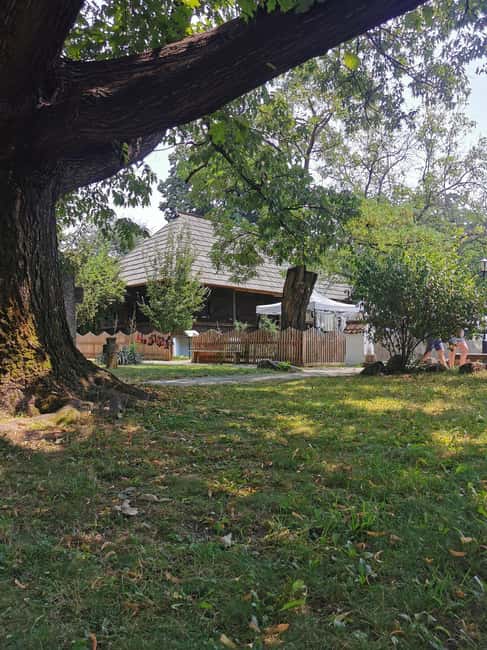
The museum also holds more than 50,000 artifacts from Romania’s ethnographic regions. These objects give the buildings a human scale.
An empty traditional house can look attractive but vague. Household tools, furnishings, textiles, and work objects help you understand how the rooms were used. They also show that village life involved constant practical labor, from food preparation to farming, storage, craftwork, and family care.
I find the objects as important as the architecture. They help answer simple questions: Where did people sleep? What did they use for work? How did they store goods? Which items were plain and useful, and which carried pride or ceremony?
You may not see all 50,000 pieces during a one-hour guided visit. The figure describes the museum’s full collection, not the number placed directly in front of you during this tour. Still, the artifacts you do encounter make the buildings easier to read.
Ask your guide to point out the objects that best explain everyday life. That will give you more value than trying to count buildings or rush through every path.
Lonut, Mitran, and the Value of a Live Guide
The guide can make or break a short museum visit. With only one hour, you need someone who can select worthwhile stops and explain them clearly.
Lonut is noted for giving detailed explanations and even offering small gifts. That personal touch suggests a friendly, attentive style rather than a strictly scripted walk.
Mitran is described as very well informed about the museum and helpful with mobility needs. During one visit, he assisted a man whose mobility was limited. That does not change the formal accessibility rating, but it is useful to know that guide support may be available when you need extra help.
The activity is conducted in English. Your guide and driver are included, so you do not need to arrange a separate museum escort or figure out the site alone.
The experience also has limits. Only English is listed, and the tour does not include food or drinks. Smoking is not allowed in the vehicle or indoors, and alcohol, drugs, and audio recording are prohibited.
Making One Hour Work Well
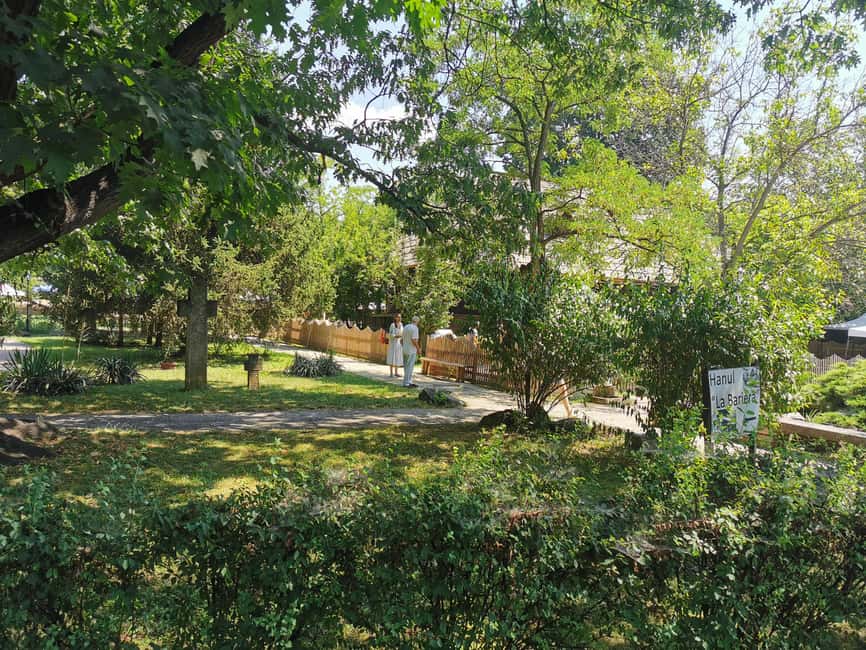
One hour is enough for a clear introduction, but it is a brisk visit. You will spend part of the time walking between structures, so do not expect a long stop inside every house.
I would treat this as a highlights tour. Focus on the buildings and regional details your guide selects. Listen for explanations that help you compare areas, then use your remaining time for photographs and a few questions.
The museum’s 100,000-square-meter area is much larger than the scheduled visit suggests. If you prefer to read every sign, inspect every interior, and move at a slow pace, this tour may feel rushed.
On the other hand, the short length is useful for a busy Bucharest schedule. You can fit the museum into a morning or afternoon without committing half a day. Hotel return also keeps the timing simple, though traffic can affect the overall time spent away from your hotel.
Wear practical walking shoes. The supplied details do not specify the condition of every path or the distance covered, but an open-air museum of this size naturally involves walking between buildings.
Access and Practical Limits
The activity is not suitable for wheelchair users, so you should consider that before booking. A guide may help with some mobility issues, as Mitran did for one visitor, but that is not the same as full wheelchair access.
If you have a mobility concern, tell the provider and driver in advance. The driver contacts you before the start, giving you a chance to explain your needs and confirm the pickup point.
The tour includes no food or drinks. Plan those separately rather than expecting refreshments during the visit.
The adult entrance fee is 30 lei and is paid in addition to the tour price. Include that cost when comparing this experience with a self-guided museum visit.
Cancellation is flexible: you can cancel up to 24 hours before the activity for a full refund. You can also reserve now and pay later, which helps if your Bucharest schedule is still changing.
Who Should Book This Bucharest Tour?
I would choose this tour if you want a simple introduction to Romanian rural life without organizing transport yourself. It suits first-time visitors, people with only a short stay in Bucharest, and anyone who prefers an English explanation rather than a museum visit based only on signs.
It also works well for visitors who want to place Romania’s regions in context. Seeing Transylvania, Maramures, Moldavia, Oltenia, Muntenia, Banat, and Dobrogea represented in one park gives you a useful cultural starting point.
Families may appreciate the outdoor setting and the variety of buildings, though the one-hour format means you need to keep moving. Couples and small groups can also benefit from the private-feeling convenience of hotel transport, even though the exact group size is not specified.
I would hesitate if you want a leisurely, highly detailed museum visit. The grounds are large, the collection is vast, and one hour cannot cover everything. I would also compare the $67 price carefully if you are staying close to the museum and can manage your own transport.
Should You Book It?
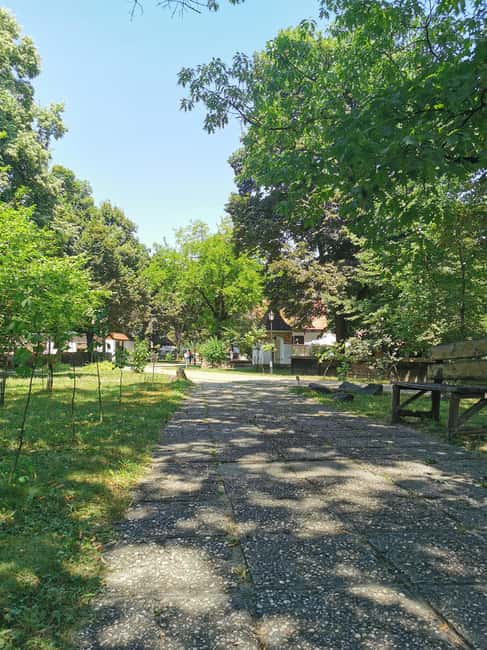
Book this experience if convenience, context, and a short schedule matter most. The guide helps turn old houses into understandable examples of Romanian life, while hotel pickup and return remove the usual transport fuss.
Skip it if your priority is the lowest possible cost or a slow, independent visit. You will pay 30 lei extra for adult admission, and the one-hour tour covers only a small part of a very large museum.
For many visitors, the best reason to book is the balance of transport and explanation. A guide such as Lonut or Mitran can help you notice details you might otherwise miss, and the museum offers a useful view of Romania beyond Bucharest’s urban center.
FAQ
Where does the tour begin and end?
Pickup and drop-off are provided at your hotel in Bucharest. You must provide the hotel name or pickup address so the driver can find you.
How long is the museum visit?
The guided visit at the Dimitrie Gusti National Village Museum lasts one hour. The total time away from your hotel may be longer because of transport.
Is the museum entrance fee included?
No. The adult entrance fee is 30 lei and must be paid separately from the tour price.
What language is the guided tour in?
The live tour guide speaks English.
Is hotel transportation included?
Yes. Hotel pickup and drop-off are included, with transportation provided by car, minivan, or minibus. The driver contacts you before the start by phone, text, email, or WhatsApp.
Can I cancel the booking?
Yes. You can cancel up to 24 hours in advance for a full refund. The activity also offers a reserve-now, pay-later option.
Just added around Bucharest
- Village Museum Bucharest Guided Tour★ 5.0 · 6 reviews
- Bucharest: Dealu Mare Winery Private Trip with Wine Tasting★ 4.9 · 6 reviews
- Winery touring & private wine tasting – one day private tour★ 5.0 · 3 reviews
- Transylvania Tour: Dracula’s Castle, Peles Palace & Brasov★ 5.0 · 19 reviews
- Discover Medieval Transylvania Small Group Tour – 7 days★ 5.0 · 4 reviews
- Bucharest Airport Transfer To Constanta Mamaia★ 5.0 · 3 reviews
- Airport Henri Coanda (Otopeni) to Bucharest – Private Transfer – Driver★ 5.0 · 5 reviews
- Gems of Transilvania: Brasov,Sighisoara,Sibiu,Viscri and more★ 5.0 · 6 reviews
Village Museum Tours, compared.
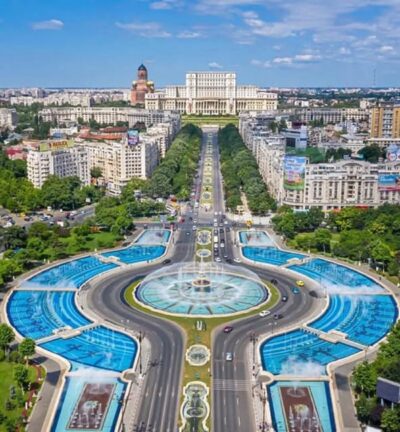
Palace of the Parliament, Village Museum & Ceaușescu Mansion
Read our review →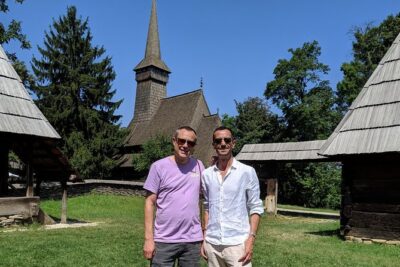
Traditions in Bucharest: Village Museum and Wine Tasting Tour
Read our review →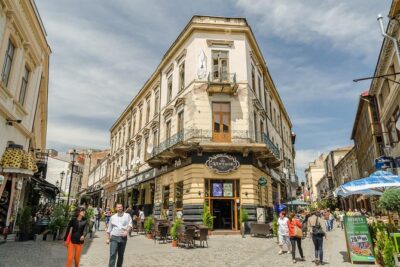
Private Bucharest city tour visit the Palace of the Parliament & Village Museum
Read our review →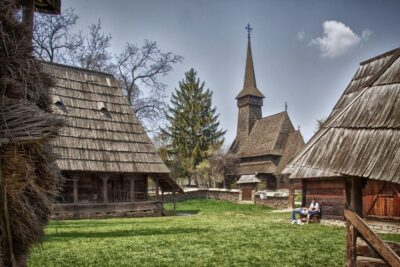
Traditions in Bucharest: Village Museum and Wine Tasting
Read our review →
National Village Museum and Salt Mine in a Day Tour
Read our review →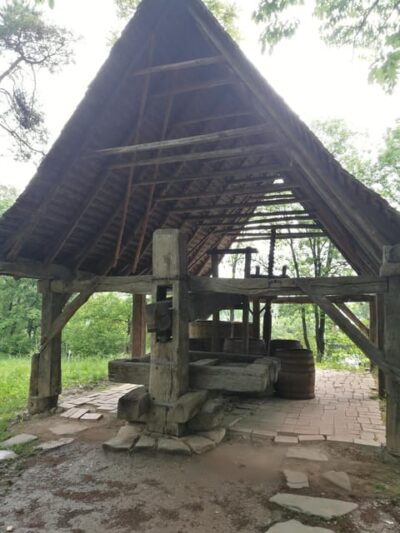
Bucharest one day tour with Parliament Palace and Village Museum
Read our review →Browse the lists this tour appears in