
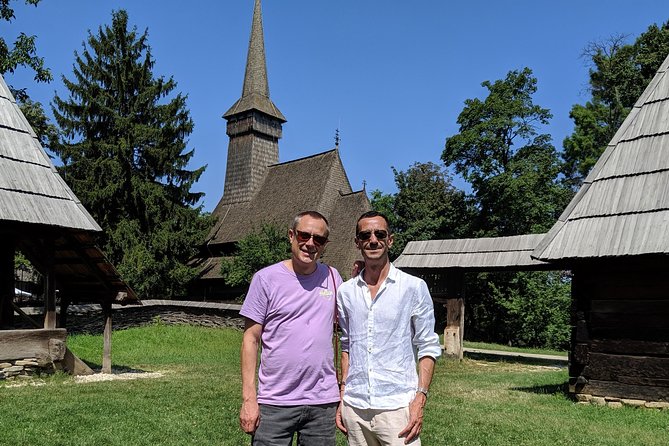
Reviewed · VILLAGE MUSEUM TOURS
Traditions in Bucharest: Village Museum and Wine Tasting Tour
Bucharest’s traditional side comes into focus at the Dimitrie Gusti National Village Museum, where old houses, churches, mills, and barns from across Romania sit beside Herăstrău Park. The experience then shifts from architecture to the table, with Romanian wines, cheese, and sausage at a historic central wine bar.
I like the way the private guide turns a collection of buildings into a lesson about how people lived in Moldavia, Wallachia, Transylvania, and the Danube Delta. I also like the easy hotel pickup and the small amount of walking. The main consideration is price: at $148.19 per person, this is a premium half-day outing, though the private car, guide, museum admission, and tasting soften the cost for couples or small groups.
In This Review
- Key points to know before booking
- Why the Village Museum is the heart of the tour
- A private guide changes what you notice
- Handmade Romania at the Calea Victoriei craft shop
- Romanian wine, explained one glass at a time
- How the five-hour schedule works
- What the $148.19 price buys you
- Who will enjoy this Bucharest experience most
- Practical details that can affect your day
- Should you book this tour?
- FAQ
- How long does the Bucharest Village Museum and wine tour last?
- Is hotel pickup included?
- Where does the tour end?
- How many wines are included?
- Is the tour private?
- How much walking is involved?
- Can children join the tour?
Key points to know before booking
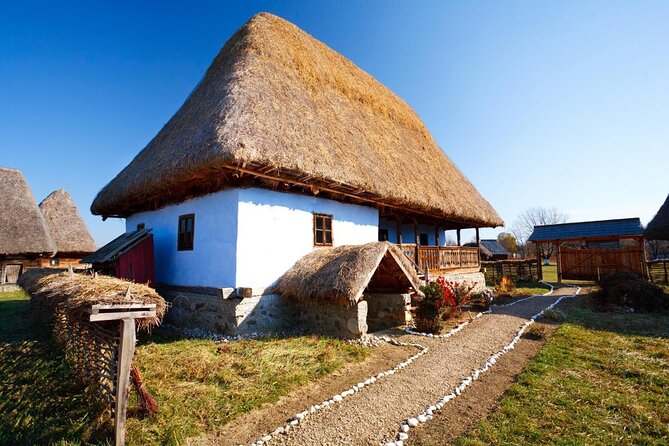
- The Village Museum covers several Romanian regions: See thatched Danube Delta homes, Moldavian and Wallachian houses, Transylvanian woodwork, mills, barns, and wooden churches in one open-air setting.
- Guides add the real value: Mihai Vataselu, Michael, and Emma are named by past bookers as engaging English-speaking guides who explain architecture, politics, food, and Romanian life.
- The wine tasting is substantial enough for a cultural stop: Three glasses per person come with Romanian cheese and charcuterie, including local varieties such as Feteasca Neagra and Negru de Dragasani.
- You get private transportation: Hotel pickup within Bucharest city limits and drop-off near the Romanian Athenaeum remove the need to arrange taxis between stops.
- Walking stays modest: The tour involves less than a mile of walking, though the Village Museum is outdoors and may require time on uneven paths.
- The day ends in central Bucharest: You can remain at the wine bar or walk roughly 15 minutes toward the Old Town.
Why the Village Museum is the heart of the tour
The first stop gives you a quick way to see how varied Romania is. The Village Museum is not one historic village preserved in place. It is an open-air collection of traditional buildings brought together from the country’s historical regions, with examples dating back as far as the 17th century.
That arrangement works well during a short stay in Bucharest. Instead of spending days crossing the country to compare regional building styles, you can see them in a single visit. A private guide helps you notice the details that are easy to miss when walking alone.
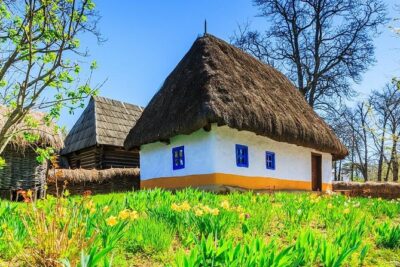
You might see steep-roofed peasant homes, thatched barns, log cabins, watermills, windmills, oil presses, roadside crucifixes, and wooden churches. The Danube Delta houses have their own practical look, shaped by a watery environment. Moldavian and Wallachian buildings tend toward simpler, elegant lines, while Transylvanian homes are known for carved wooden facades.
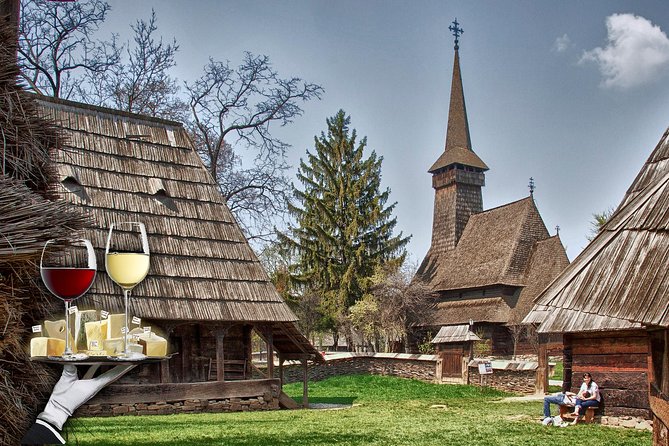
The churches are a particular highlight. Their painted interiors and timber construction show how religious buildings could be both modest in materials and striking in design. The guide can connect these structures to the regions where they originated, making the museum feel less like a collection of old buildings and more like a map of Romanian life.
I especially value the explanation of why houses look the way they do. Roof shape, timber use, decoration, and layout all reflect local materials, weather, work, and custom. Without that context, you may simply see attractive cottages. With it, you begin to understand how families lived and worked.
Plan on about two hours here. That is enough time for a guided overview without turning the first stop into an all-day architectural study. The museum is outdoors, so bring practical shoes and dress for the weather. The tour includes less than a mile of walking, but the time on your feet is spread across paths between buildings rather than concentrated in one indoor gallery.
More village museum tours in Bucharest:
- Palace of the Parliament, Village Museum & Ceaușescu Mansion
★ 4.9 · 31 reviews - Private Bucharest city tour visit the Palace of the Parliament & Village Museum
★ 4.5 · 21 reviews - Traditions in Bucharest: Village Museum and Wine Tasting
★ 5.0 · 8 reviews
A private guide changes what you notice
This tour’s strongest feature is not just transportation. It is the chance to have one guide shape the visit around your interests and pace.
Mihai Vataselu is repeatedly singled out for his clear English, storytelling, and broad understanding of Romanian history, architecture, politics, food, and wine. Michael is also named as an enthusiastic guide who helped make the country’s past easier to understand. Emma is described as especially attentive to a family’s interest in Romanian ancestry.
These details matter because the Village Museum can be visited independently. You can walk among the houses, read signs, and take photographs without booking a tour. The private guide earns the extra cost by helping you connect the buildings to regional customs and historical change.
The private format also gives you room to ask questions. If you are curious about village work, church art, Romanian family life, or a particular part of the country, you can spend more time there instead of following a fixed group pace. One guide also adjusted the route for gentle walkers, which is useful if your group does not move quickly.
A small practical caution: guide quality can depend on who is assigned on your date. The named guides have received strong praise for communication and subject knowledge, but your booking may not guarantee one particular person unless the operator confirms it. If a specific guide matters to you, ask before booking.
Handmade Romania at the Calea Victoriei craft shop
The second stop lasts about 30 minutes and takes you to a local art and craft shop on Calea Victoriei. It is brief, but it adds a useful bridge between the architecture you have just seen and the objects people still associate with Romanian tradition.
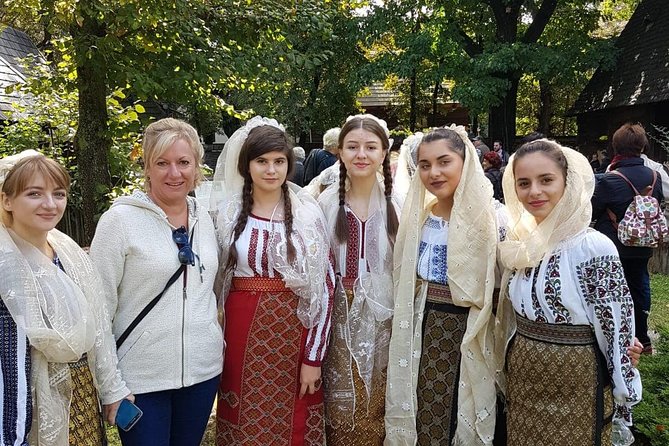
You can browse handmade Romanian blouses called ie, glass-painted icons, Moldavian Easter eggs, Horezu pottery, Transylvanian wooden masks, and small traditional gifts. The shop also carries books, Dracula-themed souvenirs, and sweets such as knot cookies and chocolate nuts.
This is partly a shopping stop, so its value depends on your interest in crafts and souvenirs. If you want time to compare prices or search for a particular item, 30 minutes may feel short. If you prefer a quick look at regional objects without setting aside a separate shopping trip, the timing is sensible.
I like that the stop includes both serious folk art and playful tourist items. Horezu pottery and painted eggs tell you something about local craft traditions, while Dracula souvenirs acknowledge the popular image many visitors expect to find in Romania. You can browse without having to buy anything.
The location on Calea Victoriei also keeps you in central Bucharest for the final part of the afternoon. The route does not strand you in an out-of-the-way shop.
Romanian wine, explained one glass at a time
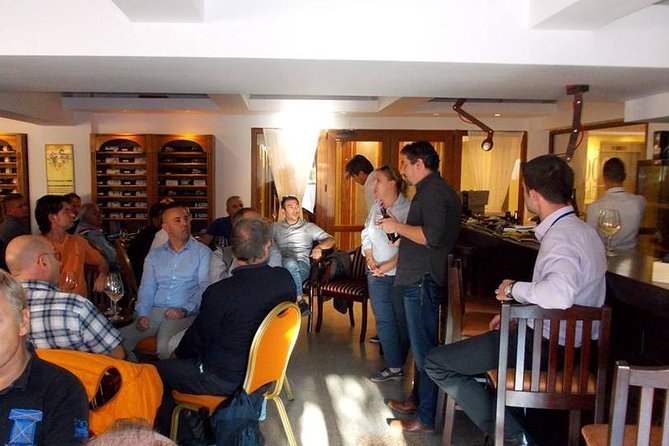
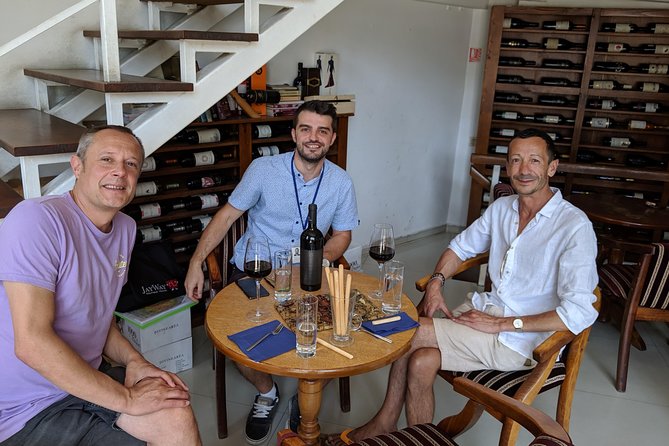
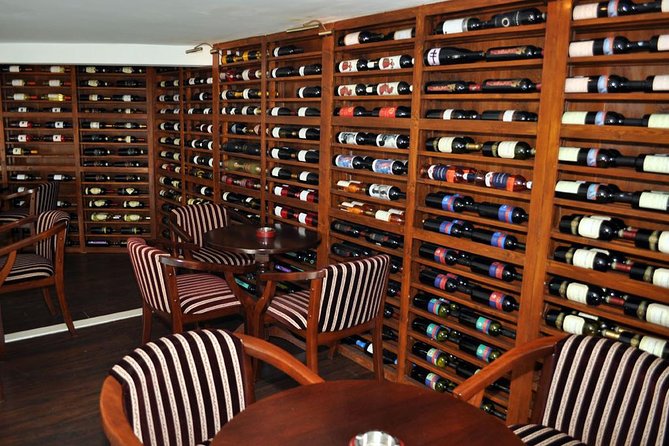
The final stop is a local wine bar near the center of Bucharest. The tasting includes three glasses per person and a plate of traditional cheese and charcuterie. The food matters here. It gives you something substantial to eat while you taste, rather than leaving the wine as a series of small samples.
Romania has more than 2,000 years of winemaking tradition and ranks among the world’s major wine producers. The tasting focuses on the Dealu Mare region, one of the country’s best-known wine areas, while introducing grapes that may be unfamiliar if you usually drink French, Italian, Spanish, or New World wines.
Feteasca Neagra is an important local red variety. Negru de Dragasani is another Romanian grape you may not often encounter outside the country. The guide explains the background of these wines and the local growing conditions, giving you a better sense of what makes Romanian bottles different.
I like the change of pace. After two stops focused on buildings and objects, the wine bar gives you time to sit, talk, and compare impressions. The tasting also makes the tour feel connected to present-day Romania rather than limited to the past.
The advertised tasting is three glasses per person. Additional food and drinks are not included, so budget extra if you want to stay longer or order more. The tour formally ends at the wine bar, but you can remain there independently or ask the guide for directions.
A few more Bucharest trips to weigh up
- Wine Tasting in Bucharest
★ 5.0 · 183 reviews - Peles & Cantacuzino Castles: Gourmet Wine & Cultural Day trip
★ 4.5 · 67 reviews - Private Tour to Salt Mine, Lunch at Winery and Dracula Grave
★ 5.0 · 60 reviews - Bucharest: Private Wine Tasting Experience
★ 5.0 · 44 reviews
How the five-hour schedule works
The experience lasts about five hours, with roughly two hours at the Village Museum, 30 minutes at the craft shop, and two hours at the wine bar. The remaining time allows for driving between stops and the hotel pickup process.
This is a good first or second day activity because it gives you several useful reference points. Afterward, Romanian regional names, traditional building styles, local crafts, and wine varieties will be easier to place as you continue through Bucharest or travel elsewhere in the country.
The timing also avoids the pressure of a full-day excursion. You do not spend hours on a coach heading out of the city, yet you still get a strong introduction to Romanian culture. The tradeoff is that the museum visit cannot cover every building in detail, and the craft shop is more of a sample than a full shopping session.
Pickup is offered anywhere within Bucharest city limits. Your guide meets you in the hotel lobby beside reception, then drives you in a private, air-conditioned vehicle. The published meeting point is the Romanian Athenaeum on Strada Benjamin Franklin, but hotel pickup means you usually do not need to make your own way there.
The tour ends near the Romanian Athenaeum, only a few minutes from the starting point and about 15 minutes on foot from the Old Town. This is convenient if you want dinner or an evening walk after the tasting.
What the $148.19 price buys you
At $148.19 per person, this is not a bargain sightseeing tour. You are paying for a private experience rather than a large group, and that distinction matters most if you value conversation, flexibility, and door-to-door transport.
The price includes a licensed private guide, hotel pickup, private transportation, museum admission, three wine glasses per person, and a cheese and charcuterie plate. For two people, the total cost is significant, but you are not separately arranging a taxi to the museum, buying admission, booking a wine tasting, and finding someone to explain the architecture.
The value improves for a group that can use the private format well. Group discounts are offered, though the exact saving is not provided, so check the price for your party before deciding. Families and friends can also set the pace more easily than they could in a standard shared tour.
The wine tasting is not a substitute for a full meal. Cheese and sausage are included, but additional food and drinks cost extra. I would treat it as a generous snack and tasting rather than plan to skip dinner.
This tour is a better buy for people who want interpretation than for people who prefer to explore alone. If you are comfortable reading museum signs and choosing a wine bar independently, you can spend less. If you want a well-organized cultural introduction with a person who can answer questions, the package is easier to justify.
Who will enjoy this Bucharest experience most
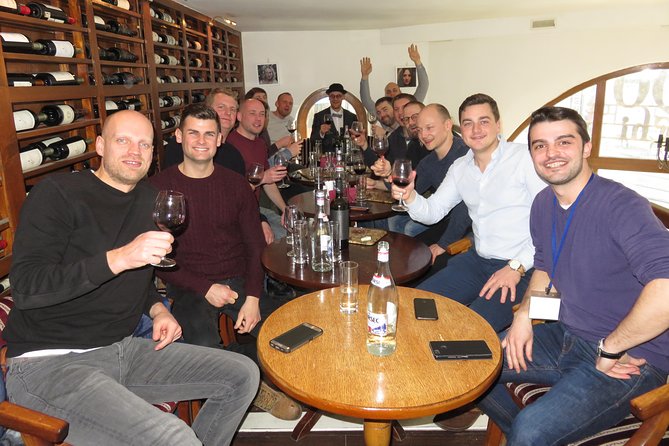
I would recommend it to couples, families, and small groups who want a private introduction to Romania without leaving Bucharest. It suits anyone interested in architecture, village life, folk art, food, or wine.
The family-friendly format is worth noting. The private car is roomy and air-conditioned, and the Village Museum and wine bar can work for families with children. Children under the minimum drinking age can join the tour, but the tasting itself is for adults aged 18 and older.
It is also a good option for gentle walkers. The stated walking amount is less than a mile, and a private guide can adjust the visit to help your group see the main sights at a comfortable pace. Still, the museum is an open-air site, so you should be prepared to walk between buildings and spend time outside.
Wine enthusiasts will get the most from the last stop, especially if you enjoy trying grapes that are not common in your home country. History and architecture fans may find the Village Museum is the strongest part, while shoppers may see the craft store as a pleasant but short stop.
I would be less likely to choose it if I wanted a full Bucharest city tour. The focus is Romanian tradition, not a broad survey of palaces, communist-era landmarks, museums, and neighborhoods. It also does not include a long countryside visit.
Practical details that can affect your day
Confirmation is provided at booking, and the experience is offered in English. Public transportation is nearby, but the included hotel pickup is more convenient if you are staying within city limits.
The tour is private, meaning only your group participates. That makes it easier to ask questions, pause for photos, or explain mobility needs before the day begins. Give the operator your exact hotel name and address. One past booking had an accommodation address listed incorrectly online, and the tour company checked the location in advance to avoid a missed pickup. Accurate details help prevent that sort of problem.
The cancellation policy allows a full refund when you cancel at least 24 hours before the start time. Changes or cancellations made within 24 hours are not accepted for a refund.
The tour has a 4.9 rating from 27 ratings and is recommended by 96 percent of bookers. Those numbers suggest a dependable experience, especially around guide quality, pickup, the museum explanation, and the wine tasting. The strongest praise centers on Mihai, Michael, and Emma, so communication and personal attention appear to be important parts of the experience.
Should you book this tour?
Book it if you want Bucharest to explain Romania to you rather than simply show you a list of sights. The Village Museum provides the visual lesson, the craft shop adds living traditions, and the wine tasting brings the subject into the present.
I would choose this tour early in a Bucharest stay, particularly if you are planning later trips to Transylvania or other Romanian regions. The guide’s explanations can give you useful context for the rest of the country.
Skip it if your priority is the lowest possible price, a major-city highlights tour, or a full meal and winery visit outside Bucharest. For everyone else, the private format, hotel pickup, strong guides, and unusual local wine tasting make the $148.19 cost reasonable for a focused five-hour introduction.
FAQ
How long does the Bucharest Village Museum and wine tour last?
The tour lasts approximately five hours. About two hours are planned for the Village Museum, 30 minutes for the craft shop, and two hours for the wine bar, with travel time included.
Is hotel pickup included?
Yes. Free pickup is available from hotels and accommodations anywhere within Bucharest city limits. Your guide meets you in the lobby beside the reception desk.
Where does the tour end?
The tour ends at the wine bar on historic Calea Victoriei, a few minutes’ walk from the Romanian Athenaeum and about 15 minutes from Bucharest’s Old Town.
How many wines are included?
The standard inclusion is three wine glasses per person. A plate of traditional cheese and charcuterie is also included.
Is the tour private?
Yes. Only your group participates, with a private licensed guide and private transportation in an air-conditioned vehicle.
How much walking is involved?
A small amount of walking is involved, stated as less than one mile. The Village Museum is outdoors, so you will walk between traditional houses, churches, mills, and other buildings.
Can children join the tour?
Most people can participate, and the tour is family-friendly. The minimum drinking age for the wine tasting is 18, and additional food or drinks beyond the included tasting are not covered.
More Museums in Bucharest
- Bucharest: Museum of Senses Entry Ticket
★ 4.2 · 364 reviews - Communism in Bucharest – Landmarks, Museum & Communist Appetizers
★ 5.0 · 111 reviews - Bucharest: Entry ticket at the Museum of Communism
★ 4.6 · 57 reviews - Bucharest: Museum of Communism Ticket with Communist Coffee
★ 4.6 · 52 reviews
More Food & Drink in Bucharest
- Taste Bucharest: A Food Lover’s Tour of Markets & Neighbourhoods
★ 5.0 · 689 reviews - Street Food’n’Culture Tour
★ 5.0 · 209 reviews - Discover Bucharest: Private Highlights and Traditional Food Tour
★ 5.0 · 86 reviews - Bucharest Beer and Culture Tour with a Local
★ 5.0 · 47 reviews
Just added around Bucharest
- Village Museum Bucharest Guided Tour★ 5.0 · 6 reviews
- Bucharest: Dealu Mare Winery Private Trip with Wine Tasting★ 4.9 · 6 reviews
- Winery touring & private wine tasting – one day private tour★ 5.0 · 3 reviews
- Transylvania Tour: Dracula’s Castle, Peles Palace & Brasov★ 5.0 · 19 reviews
- Discover Medieval Transylvania Small Group Tour – 7 days★ 5.0 · 4 reviews
- Bucharest Airport Transfer To Constanta Mamaia★ 5.0 · 3 reviews
- Airport Henri Coanda (Otopeni) to Bucharest – Private Transfer – Driver★ 5.0 · 5 reviews
- Gems of Transilvania: Brasov,Sighisoara,Sibiu,Viscri and more★ 5.0 · 6 reviews
Village Museum Tours, compared.

Palace of the Parliament, Village Museum & Ceaușescu Mansion
Read our review →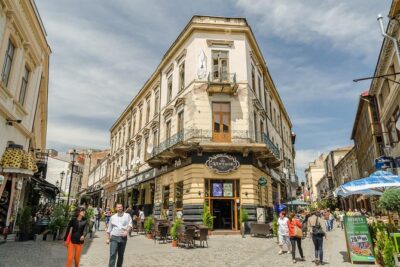
Private Bucharest city tour visit the Palace of the Parliament & Village Museum
Read our review →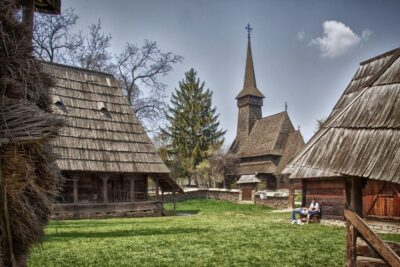
Traditions in Bucharest: Village Museum and Wine Tasting
Read our review →
National Village Museum and Salt Mine in a Day Tour
Read our review →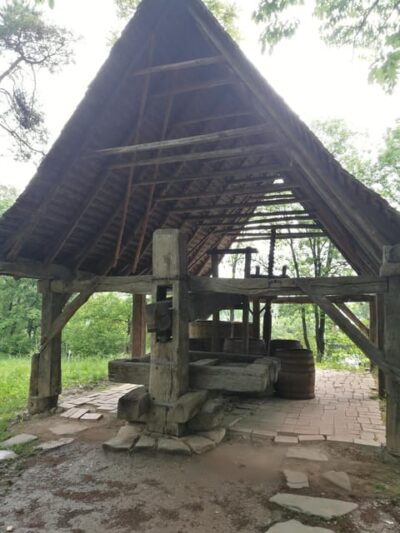

Bucharest one day tour with Parliament Palace and Village Museum
Read our review →
Snagov Monastery, Ceaușescu Mansion, & Village Museum – 6h
Read our review →Browse the lists this tour appears in