
Reviewed · COMMUNISM & CEAUSESCU TOURS
Bucharest: Entry ticket at the Museum of Communism
The most interesting part of this small Old Town museum is that it asks you to do more than look. You can try on period clothes, read old books, and handle selected objects, which gives the visit a more personal feel than a room of sealed display cases.
I like the freedom to explore at your own speed, and I like having a guide nearby for questions about Romania’s political system and ordinary life. The downstairs café, with its house beer and old-style setting, adds a useful social touch. The main drawback is size: you may find the collection too brief for a period that lasted many decades.
In This Review
- Key points at a glance
- Entering the Museum of Communism in Bucharest
- What the exhibits show about communist Romania
- Why the hands-on approach matters
- The guide on duty and how to use that help
- The downstairs café and the taste of the period
- How long should you allow?
- Is $9 a fair price?
- Who will enjoy this museum most?
- Practical advice for a better visit
- Booking, cancellation, and ticket details
- Should you book the Museum of Communism?
- FAQ
- Where is the Museum of Communism in Bucharest?
- How much does entry cost?
- How long is the ticket valid?
- Is a guided tour included?
- Can I ask the guide about communist Romania?
- Can I interact with the exhibits?
- Are drinks included with admission?
- Where do I show my online ticket?
- Is the museum accessible to wheelchair users?
Key points at a glance
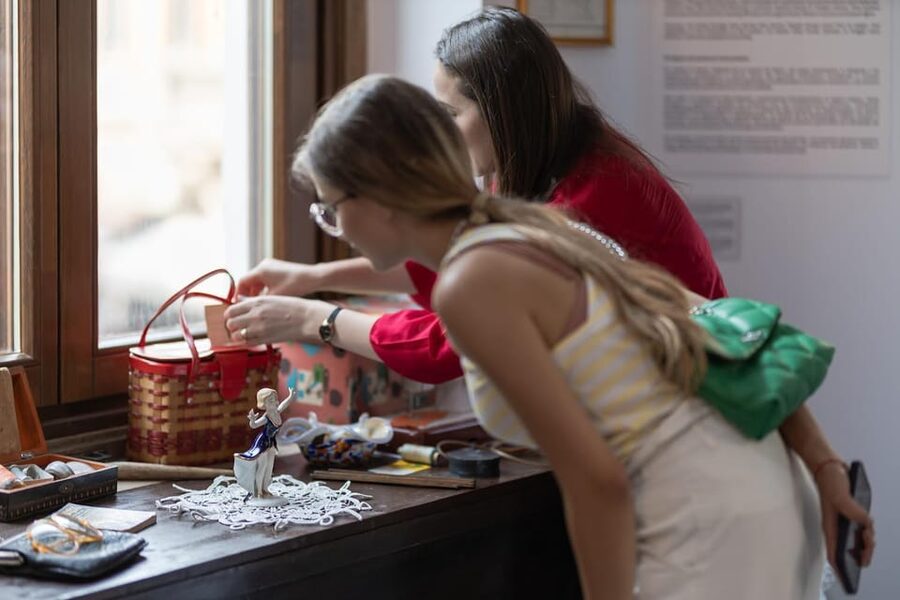
- Hands-on exhibits: Try on clothes, read old books, take photographs, and interact with objects from communist Romania.
- Old Town location: The museum is easy to pair with a walk through central Bucharest.
- Guide available, but no guided tour included: Ask questions as you explore, though you are responsible for your own route through the displays.
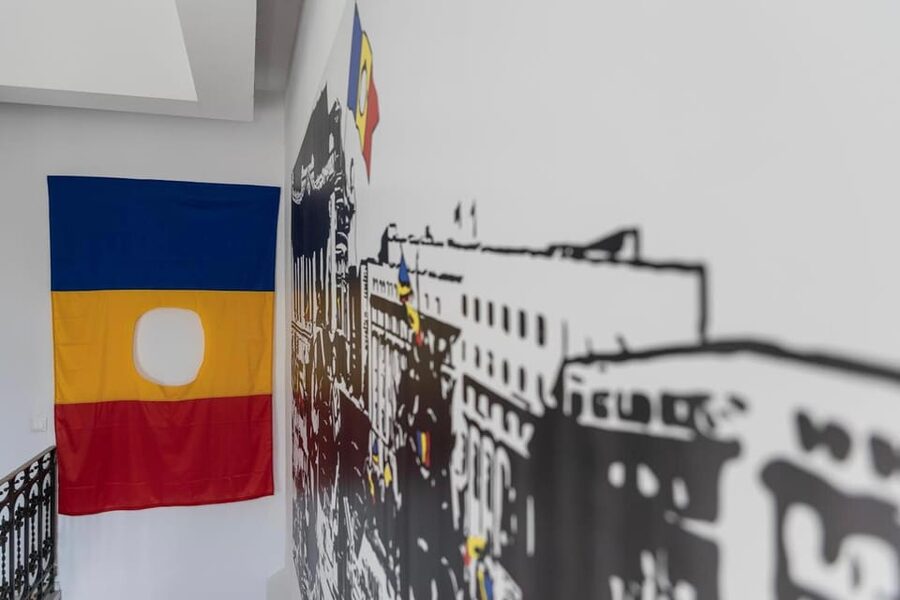
- Period atmosphere: Historical images, landmarks, household objects, and details from the Ceaușescu era help explain daily life.
- Downstairs café: Buy specialty coffee, soft drinks, traditional alcoholic drinks, and house beer with its unusual label.
- Good value for a short visit: At $9, it works well as a compact history stop, but readers seeking a large collection may want more.
Entering the Museum of Communism in Bucharest
The Museum of Communism sits right in Bucharest’s Old Town, so it fits neatly into a day of central sightseeing. You enter by showing your online ticket at the bar. That detail may sound odd at first, but it makes sense once you learn that the bar and café are part of the museum setting.
This is not presented as a formal, fixed-time tour. Your ticket is valid for one day, and you explore independently. A guide remains available for questions, but a guided tour is not included. I would treat this as a flexible museum visit rather than a scheduled history lecture.
That format suits you if you prefer to stop at objects that catch your eye. It also means you should take responsibility for building your own visit. Read the displays, look closely at the photographs, and ask questions when a detail needs more context.
The location is one of the strongest practical advantages. You do not need to make a special journey across Bucharest to reach it. Place the museum between other Old Town stops, and it can fill a useful part of your day without taking over your schedule.
More communism & ceausescu tours in Bucharest:
- The Real tour of Communism
★ 5.0 · 666 reviews - Life under Communism
★ 5.0 · 358 reviews - 3-Hour Guided Tour of Communist Bucharest
★ 4.9 · 303 reviews
What the exhibits show about communist Romania
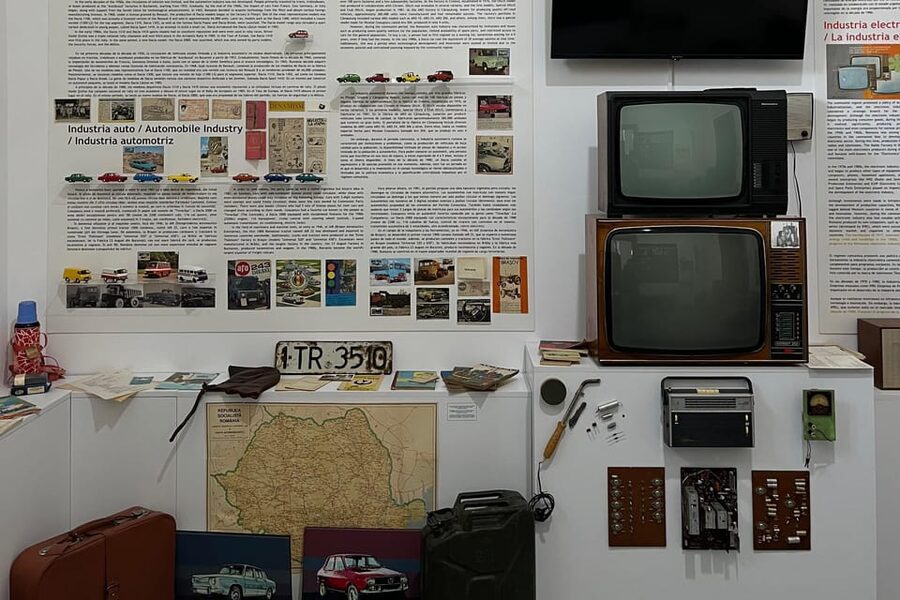
The museum is designed to take you through the decades of communist Romania, with particular attention to historical landmarks, important political moments, and life during the Ceaușescu period. The material includes evocative images and objects from that era.
The value here is not only in learning dates or names. Everyday objects can explain a political system in a way that a standard timeline cannot. A book, item of clothing, drink, or household object can show how public ideas reached into private life.
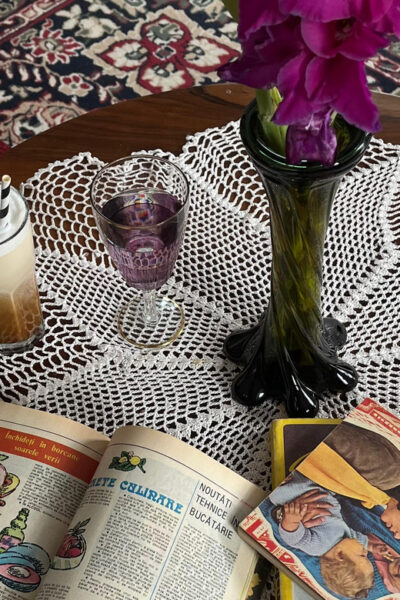
You might notice that the museum aims to involve several senses. You can look at photographs, read old books, handle selected articles, and consider the flavors associated with the period. That combination helps turn an abstract subject into something more concrete.
The displays also offer a chance to think about the difference between official history and daily experience. The museum presents political events, but it also points toward the routines of people who lived under the system. For visitors who know little about communist Romania, this wider focus is useful.
At the same time, keep the scale in mind. The collection is small, and some visitors may expect more material because Romanian communism lasted for so many years. You will get an introduction and a direct, interactive experience, not a giant national archive.
Why the hands-on approach matters
The most unusual feature is the freedom to interact with parts of the display. You can try on clothes, read old books, and take photographs. That makes the visit more active than simply walking from one case to another.
I especially like this option for visitors who find political history hard to connect with. A period jacket or old book can make the subject less remote. It also gives families and younger visitors something practical to do, though the museum’s subject matter still requires a serious attitude.
The freedom to take photographs is another useful point. Images can help you remember the objects and compare what you see with the broader story of communist Romania. Follow any instructions given inside, and ask the guide before handling anything if you are unsure.
The interactive approach also has limits. It cannot replace a long explanation of the period, and the museum does not include a formal guided tour. If you want a detailed political analysis, you will need to ask questions or add another history site to your Bucharest plans.
The guide on duty and how to use that help
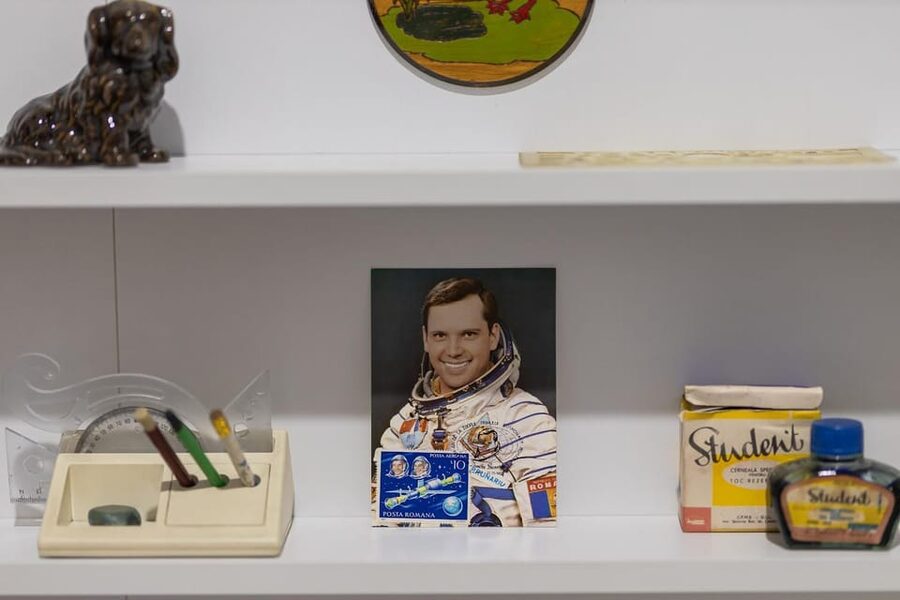
A guide is present to answer questions, even though the ticket does not include a guided tour. This is an important distinction. You are not assigned a private guide or led through a set program, but you can ask for clarification as you go.
Use that opportunity. Ask about objects you do not recognize, political terms that need explanation, or the way an exhibit connects to ordinary life. The guide can also help with questions about the political regime and the experience of people living under communism.
I would arrive with two or three questions in mind. You might ask how the displayed items relate to the Ceaușescu years, what a particular object was used for, or how daily life differed from the official image presented by the state.
Because the museum is self-guided, the quality of your visit depends partly on your curiosity. Read first, then ask focused questions. You will get more from the available guide than you would by walking through quickly and leaving after a few photographs.
No guide names are provided, so you should not expect to reserve a particular person. The useful point is simply that help is available on site when you need it.
A few more Bucharest trips to weigh up
- Bucharest: Museum of Senses Entry Ticket
★ 4.2 · 364 reviews - Communism in Bucharest – Landmarks, Museum & Communist Appetizers
★ 5.0 · 111 reviews - Bucharest: Museum of Communism Ticket with Communist Coffee
★ 4.6 · 52 reviews - Bucharest: Dinner+Tour at Museum of Communism after closing
★ 4.9 · 46 reviews
The downstairs café and the taste of the period
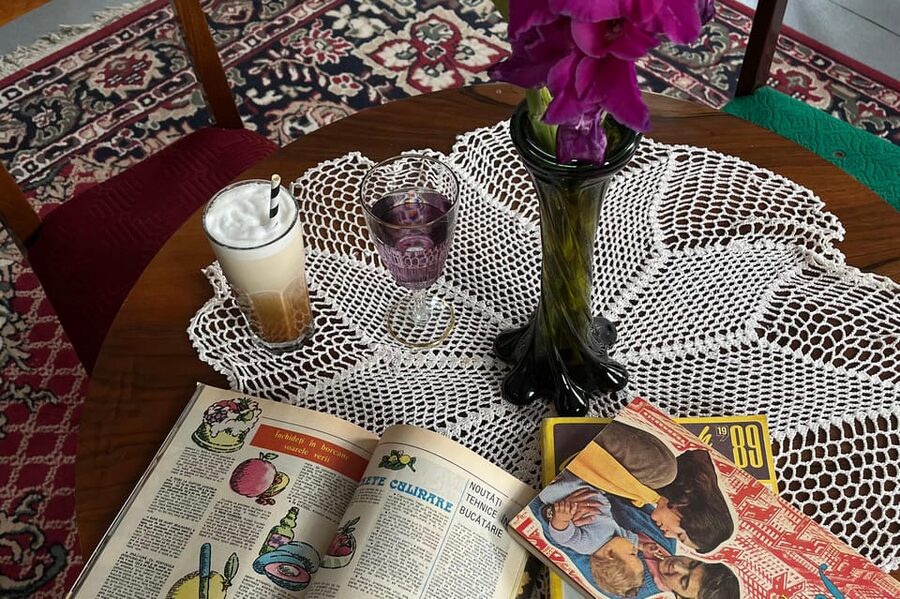
Downstairs, a small coffee shop serves specialty coffee and soft drinks. It also offers traditional alcoholic drinks, including a house beer with an unusual original label. Drinks cost extra, so plan to pay separately from the museum entry.
This café gives the museum a more relaxed ending. After looking at political images and personal objects, you can sit with a coffee or drink and think about what you have seen. The experience is not only visual. The chance to taste something associated with the period is part of the museum’s attempt to make history feel more immediate.
You do not need to buy a drink to visit the museum. Treat the café as an optional addition, not part of the admission price. If you are watching your spending, the $9 ticket remains the main cost.
The café also explains why you show your online ticket at the bar when you arrive. Be prepared to enter through this shared café and museum point rather than expecting a conventional museum ticket desk.
How long should you allow?
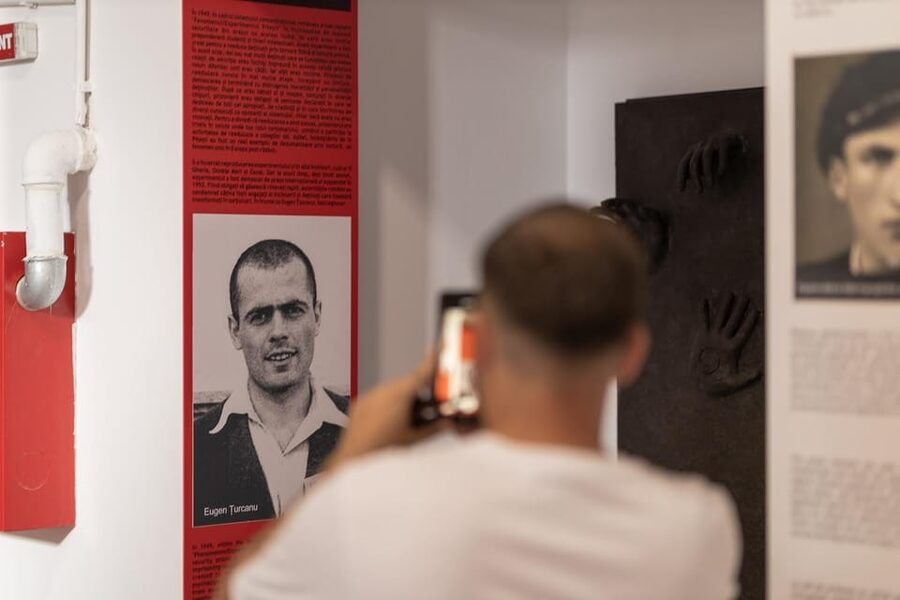
The ticket is valid for one day, but that does not mean you need a full day inside. The available information describes a small museum, and the collection can be covered as part of a wider Bucharest itinerary.
Your visit length will depend on how closely you read the material, how many photographs you take, whether you try the interactive displays, and how long you spend asking questions or having a drink downstairs. A quick look will be brief. A thoughtful visit takes longer.
I would avoid treating this as the only activity for an entire day. Pair it with Old Town walking, nearby landmarks, or another museum. The location makes that easy, and the museum works best as one focused stop within a larger day.
The one-day validity does give you some flexibility. If your plans change, you can check the available starting times and fit the visit around the rest of your schedule. No fixed tour sequence or transport transfer is involved.
Is $9 a fair price?

At $9 per person, the museum is reasonably priced for a compact, central history experience. The hands-on displays, photographs, guide access, and café option give you more than a simple room of static panels.
The value depends on your expectations. If you want an approachable introduction to communist Romania, the price is easy to justify. You get an Old Town location, a self-guided visit, interactive elements, and someone available to answer questions.
If you expect a large collection covering every decade in great depth, you may feel the admission is less satisfying. The museum is small, and the amount of content may seem limited beside the length and complexity of the communist period.
For me, the best way to judge the price is as part of a central Bucharest day. At $9, it is a manageable add-on that can give your walk a stronger historical focus. It is less convincing as a stand-alone major attraction requiring a long trip across the city.
Who will enjoy this museum most?
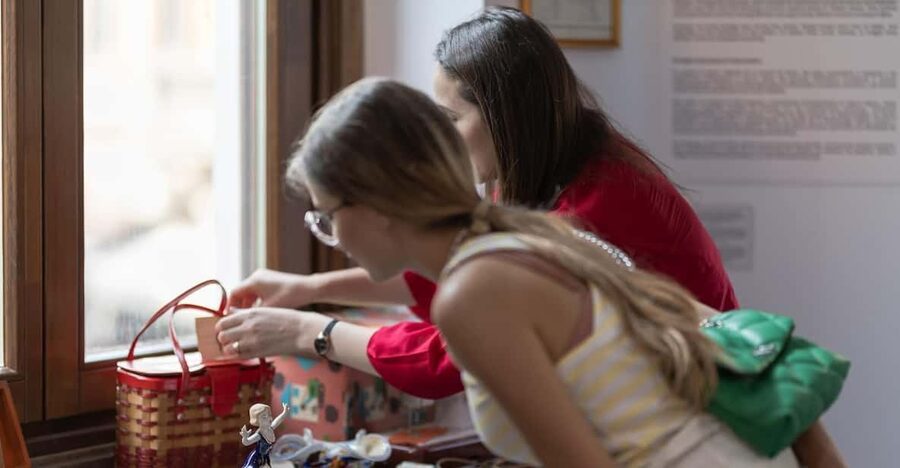
This experience suits you if you want a direct introduction to Romania’s communist past without committing to a long formal tour. It is especially useful for first-time visitors who want context for the city and the recent history behind it.
You will likely appreciate it if you enjoy:
- Objects that connect political history to everyday life
- Self-guided visits with freedom to linger
- Photography and interactive displays
- Asking questions instead of following a strict script
- Small museums that fit into a busy city day
- A coffee or local alcoholic drink after the exhibits
The museum may also work well for people who already know something about Romanian communism but want a more physical sense of the period. Still, specialists and serious history enthusiasts should keep their expectations measured. The collection is not described as large, and the visit may leave you wanting a deeper source of information.
It is not suitable for wheelchair users, according to the available accessibility information. Keep that in mind before booking.
Practical advice for a better visit
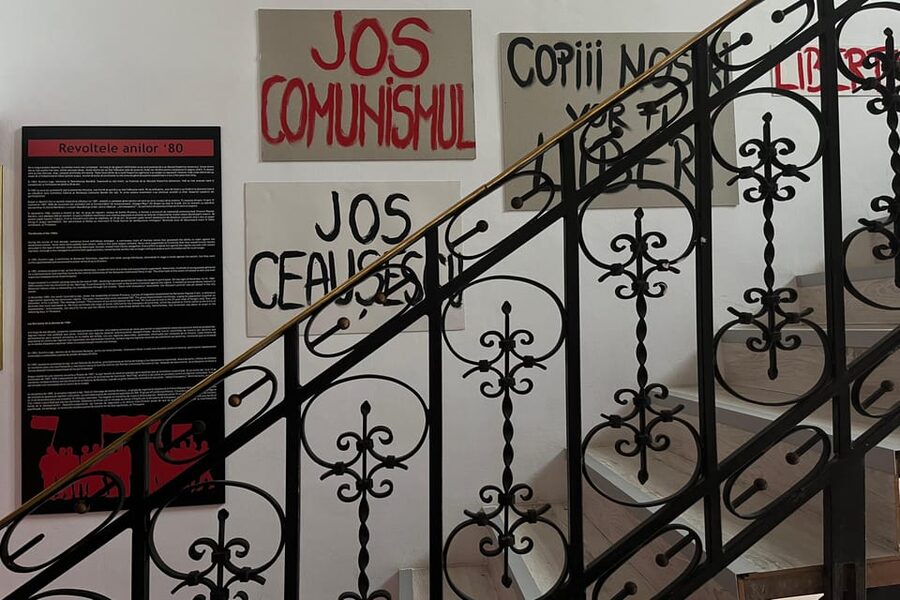
Read the material rather than rushing through for photographs. The objects are the point, but their meaning becomes clearer when you connect them to the political images and historical moments around them.
Ask the guide questions early. Waiting until the end may mean you forget what puzzled you. Since a formal guided tour is not included, your questions are the best way to add personal explanation to the self-guided format.
Leave room in your schedule for the café, but do not assume drinks are included. Specialty coffee, soft drinks, traditional alcoholic drinks, and the house beer are available at your own expense.
Wear or bring nothing that makes careful movement difficult if you plan to try on period clothing. The information specifically encourages interaction, but the guide can tell you how each item should be handled.
Finally, combine the museum with other Old Town sights. Its central setting is convenient, and its compact size makes it a sensible stop before or after a meal, a walk, or another attraction.
Booking, cancellation, and ticket details
The entry ticket costs $9 per person and is valid for one day. You can reserve now and pay later, which helps if you are still arranging your Bucharest schedule.
Free cancellation is available up to 24 hours in advance for a full refund. Check the available starting times when you choose your date, even though this is not a fixed guided tour.
The ticket includes museum admission and access to a guide for questions. It does not include a guided tour or drinks. At the entrance, show your online ticket at the bar.
Should you book the Museum of Communism?
Book it if you want an accessible, hands-on introduction to communist Romania in a convenient Old Town setting. The chance to try on clothes, read old books, take photographs, and ask a guide questions gives the small museum a clear purpose.
Think twice if you want a large collection or a long, detailed academic tour. The museum may feel short for such a long and difficult period, and the absence of a formal guided tour means you need to take an active role.
For most visitors with an interest in Bucharest’s recent past, I would include it in a wider Old Town day. At $9, it offers a practical dose of history, a few memorable interactive moments, and an optional drink downstairs without demanding much time or money.
FAQ
Where is the Museum of Communism in Bucharest?
It is located in Bucharest’s Old Town, in the Bucharest-Ilfov area of Romania.
How much does entry cost?
The entry ticket costs $9 per person.
How long is the ticket valid?
The ticket is valid for one day. Check availability for the starting times offered on your chosen date.
Is a guided tour included?
No. The ticket includes museum admission, and a guide is available for questions, but a formal guided tour is not included.
Can I ask the guide about communist Romania?
Yes. A guide is present to answer questions about the political regime and daily life during communism.
Can I interact with the exhibits?
Yes. You can try on clothes, read old books, interact with selected objects, and take photographs.
Are drinks included with admission?
No. Drinks are not included. The downstairs café sells specialty coffee, soft drinks, traditional alcoholic drinks, and house beer at your own expense.
Where do I show my online ticket?
Enter through the bar and show your online ticket there.
Is the museum accessible to wheelchair users?
No. The experience is listed as not suitable for wheelchair users.
Just added around Bucharest
- Village Museum Bucharest Guided Tour★ 5.0 · 6 reviews
- Bucharest: Dealu Mare Winery Private Trip with Wine Tasting★ 4.9 · 6 reviews
- Winery touring & private wine tasting – one day private tour★ 5.0 · 3 reviews
- Transylvania Tour: Dracula’s Castle, Peles Palace & Brasov★ 5.0 · 19 reviews
- Discover Medieval Transylvania Small Group Tour – 7 days★ 5.0 · 4 reviews
- Bucharest Airport Transfer To Constanta Mamaia★ 5.0 · 3 reviews
- Airport Henri Coanda (Otopeni) to Bucharest – Private Transfer – Driver★ 5.0 · 5 reviews
- Gems of Transilvania: Brasov,Sighisoara,Sibiu,Viscri and more★ 5.0 · 6 reviews
Communism & Ceausescu Tours, compared.
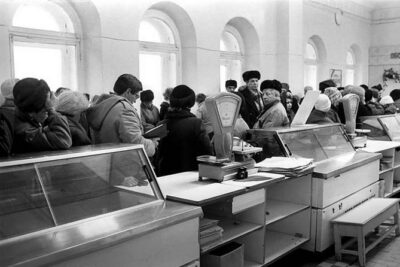

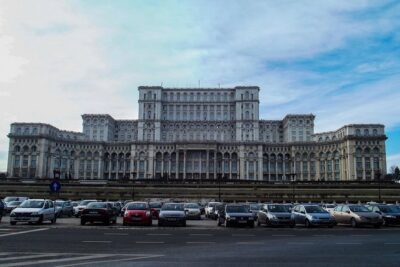
Communism in Bucharest – Landmarks, Museum & Communist Appetizers
Read our review →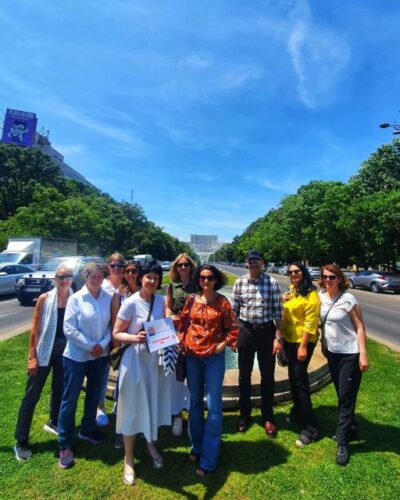

Museum of Communism Ticket with Communist Coffee
Read our review →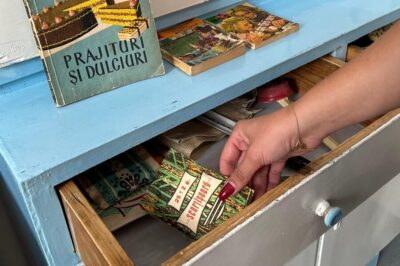
Dinner+Tour at Museum of Communism after closing
Read our review →
Contrasts of Communism – Small Group Walking Tour in Bucharest
Read our review →Browse the lists this tour appears in