
Reviewed · VILLAGE MUSEUM TOURS
Traditions in Bucharest: Village Museum and Wine Tasting
Bucharest’s Village Museum gives you a fast, vivid lesson in Romania without leaving the city. Wooden churches, thatched barns, windmills, and steep-roofed homes were moved here from villages across the country, creating a time capsule inside King Michael Park. You then shift from architecture to handmade crafts and finish with three Romanian wines.
I like the way the tour links buildings, folk art, and food instead of treating them as separate sights. I also like the private format: guides can adjust the pace, cope with hot weather, and finish near the Old Town. The main consideration is price. At $153 per person, this is a costly half-day for anyone traveling alone, though private transport, entrance fees, guiding, and the tasting are included.
In This Review
- Key points at a glance
- Why the Village Museum is Bucharest’s best cultural shortcut
- What you will see among the homes and churches
- From ie blouses to painted Moldavian eggs
- A short Athenaeum pause in central Bucharest
- Romanian wine with a regional story
- How the private format affects the experience
- Is $153 per person a fair price?
- Who will get the most from this tour?
- Practical details before you book
- Should you book it?
- FAQ
- Where does the tour begin?
- Where does the tour finish?
- How long does the experience last?
- What is included in the wine tasting?
- Which Romanian wines might I taste?
- Is transportation included?
- Is the tour private?
- Is the tour suitable for young children or wheelchair users?
- Can I cancel or pay later?
Key points at a glance
- More than 300 relocated buildings: See homes, churches, inns, windmills, and barns from Romania’s historic regions.
- A useful guide to regional differences: Transylvania, Wallachia, Moldavia, the Danube Delta, and the Black Sea coast each bring a different building style.
- A focused craft stop: Look for ie blouses, painted eggs, Horezu pottery, glass icons, masks, books, sweets, and Dracula souvenirs.
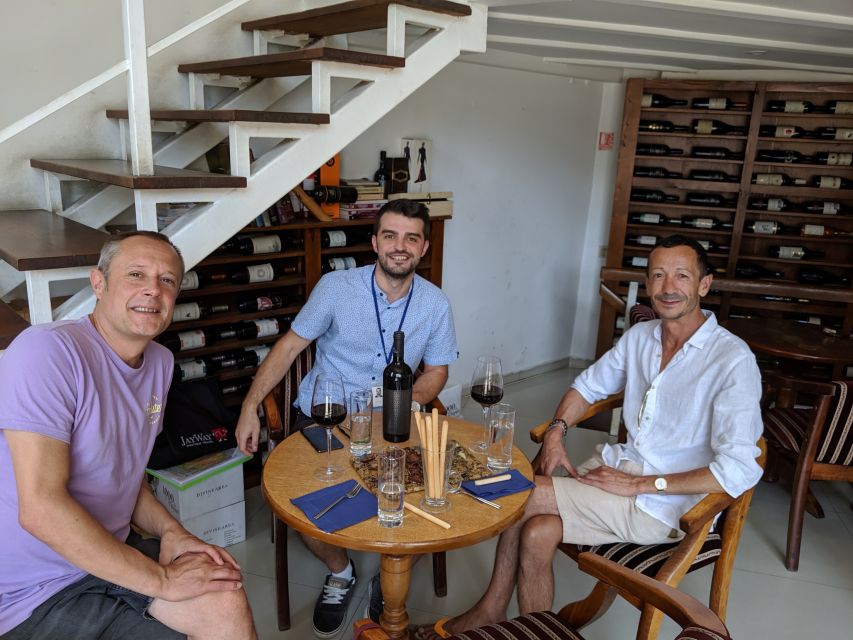
- Three Romanian wines: Taste varieties such as Feteasca Neagra, Tamaioasa Romaneasca, and Negru de Dragasani.
- A private, door-to-door outing: Hotel pickup and private transport save time in a spread-out capital.
- A practical city-center finish: The tour ends at the Romanian Athenaeum, within walking distance of Bucharest’s Old Town.
Why the Village Museum is Bucharest’s best cultural shortcut
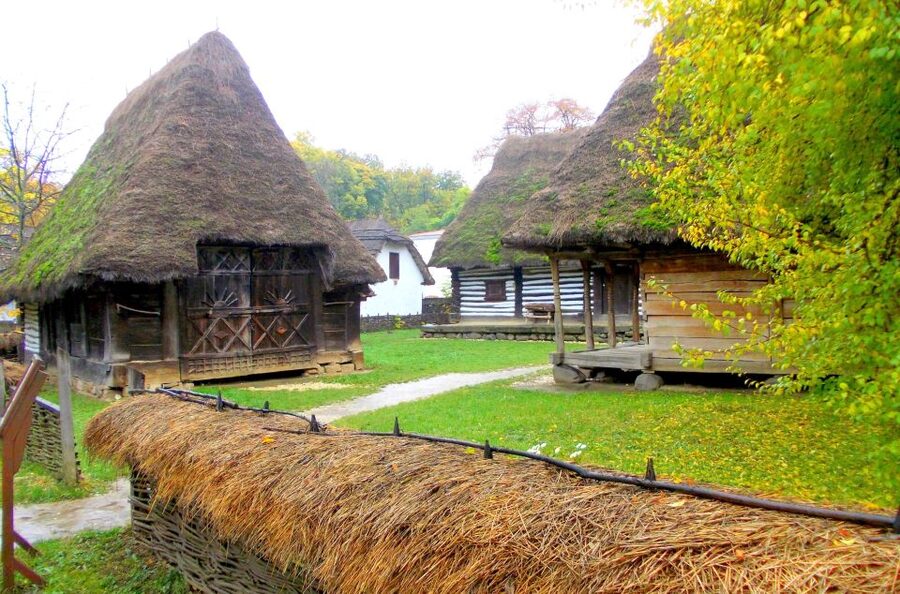
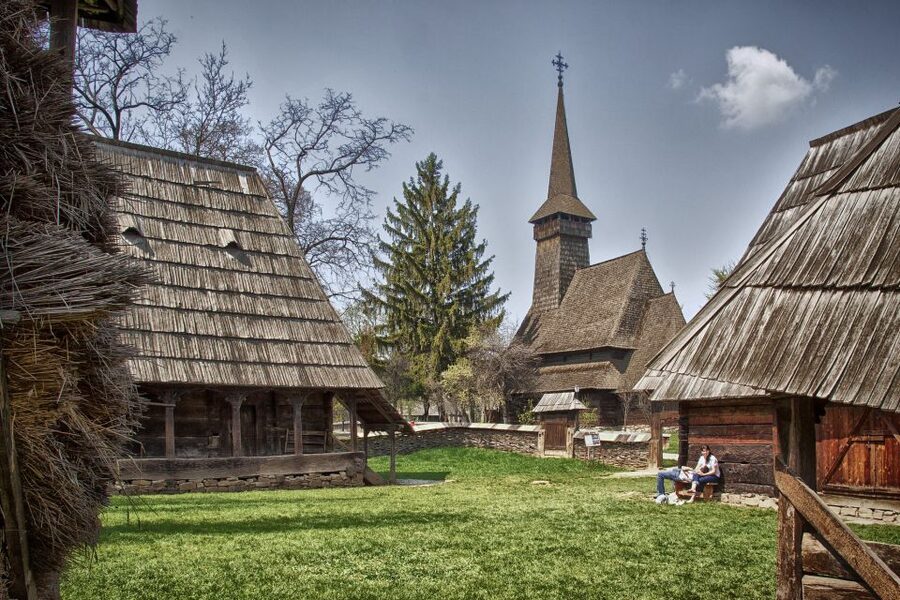
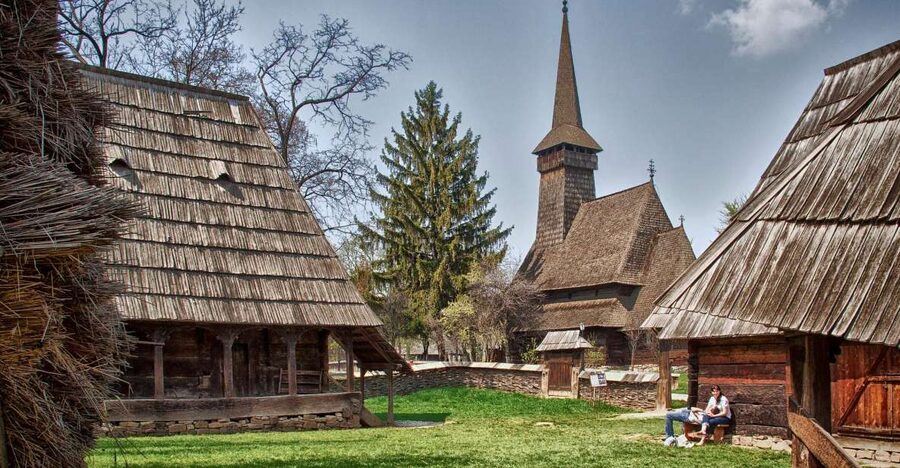
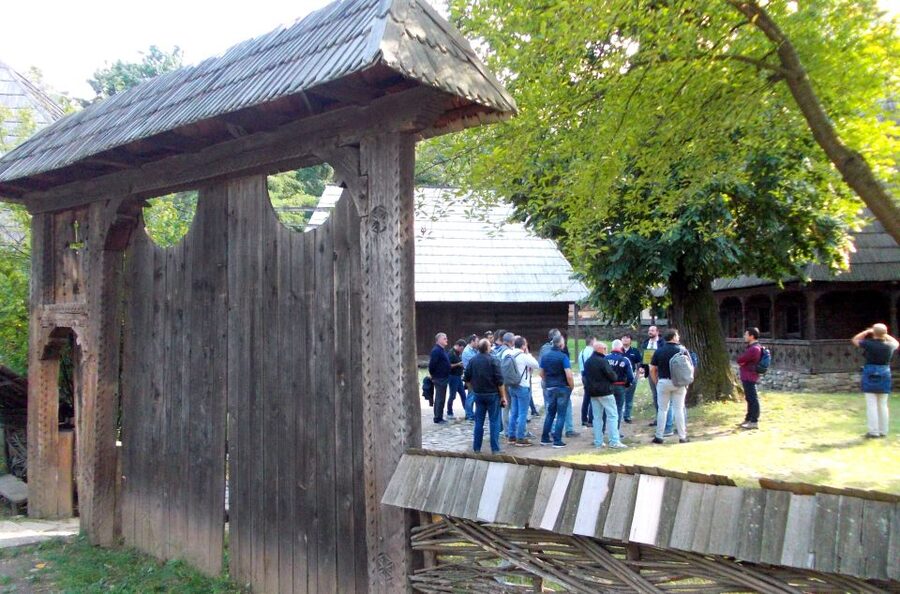
The Dimitrie Gusti National Village Museum is the heart of this experience. Founded in 1936, it gathers more than 300 preserved structures from across Romania and rebuilds them around the park’s paths and waterfront setting. You are not looking at one local village. You are seeing a carefully assembled picture of rural Romania from the 18th and 19th centuries.
That distinction matters. If you visited rural regions on your own, you would need days of travel to compare a Transylvanian mountain cabin with a Wallachian mansion or a Danube Delta windmill. Here, the contrasts appear within one guided walk.
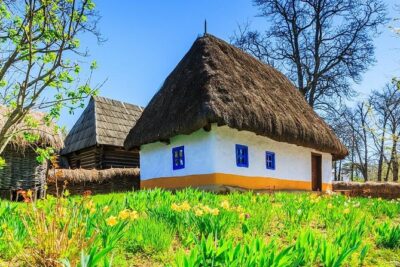
The architecture tells you how people lived and what materials their region offered. In mountain areas, wood and sharply pitched roofs helped homes cope with snow. In flatter parts of the country, larger houses and inns reflect different patterns of farming, trade, and village life. Near the Danube Delta and Black Sea coast, thatched roofs and windmills give the buildings a different character.
You should allow about an hour and a half here. That is enough time for a proper introduction, though not enough to inspect every building at length. The museum is open-air, so wear shoes suited to walking and bring protection from the sun during hot weather. A July visit was adjusted because of extreme heat, showing why a private guide can be useful when conditions are uncomfortable.
More village museum tours in Bucharest:
- Palace of the Parliament, Village Museum & Ceaușescu Mansion
★ 4.9 · 31 reviews - Traditions in Bucharest: Village Museum and Wine Tasting Tour
★ 5.0 · 27 reviews - Private Bucharest city tour visit the Palace of the Parliament & Village Museum
★ 4.5 · 21 reviews
What you will see among the homes and churches
The museum works best when you pay attention to small construction details rather than simply counting buildings. Look at roof shapes, wooden porches, carved supports, painted surfaces, and the way each home is arranged around its yard.
The wooden churches are among the most memorable structures. They connect rural faith with local craftsmanship and show why religious buildings were central to village life. The homes and barns are just as useful, since they reveal storage needs, household size, and regional building habits.
You will also encounter large inns and mansions associated with Wallachia and Moldavia. These are a useful counterpoint to the simpler mountain homes. The museum’s value is not only visual. With a good guide, you begin to see Romanian history through ordinary rooms, farm buildings, tools, and decorative details.
The quality of the tour depends heavily on the guide here. A guide who explains the regions and customs turns the museum from a pleasant park walk into a coherent lesson. Mihai, one of the guides associated with this experience, has been praised for his enthusiasm, timing, and command of Romanian history. The private setup also means you can ask about a building that catches your eye instead of following a fixed group pace.
From ie blouses to painted Moldavian eggs
The second stop is a handmade art and craft shop, with about 30 minutes for browsing. This is not as historically substantial as the museum, but it rounds out the story by showing how traditional forms continue in modern Romanian life.
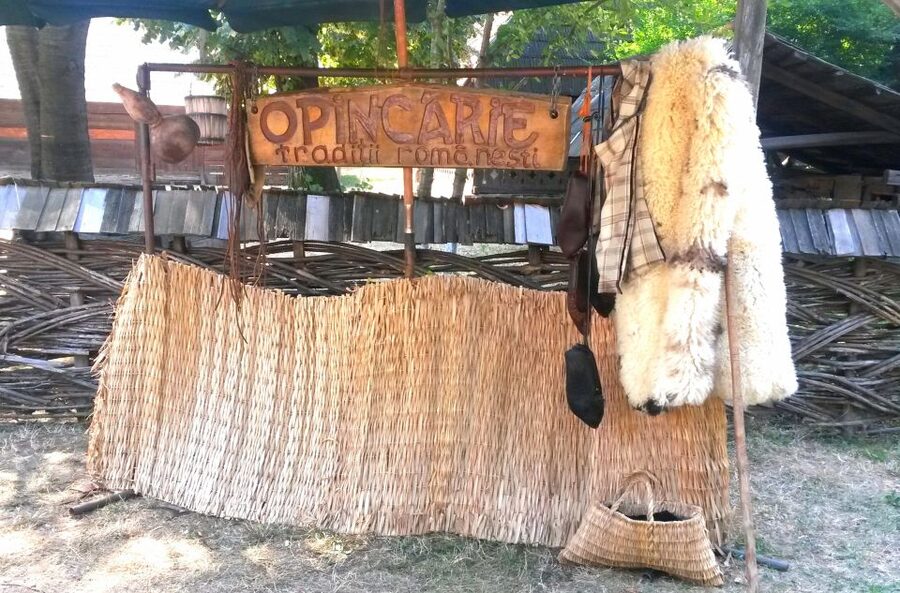
You may see the ie, the traditional Romanian blouse, along with glass-painted icons, Moldavian Easter eggs, Horezu pottery, wooden masks, and small items from Transylvania. Each object reflects a different regional style. Painted eggs, for example, are not simply colorful decorations. Their patterns and careful workmanship connect to Romanian Easter customs.
Horezu pottery is another useful item to recognize. It comes from Wallachia and is known for its decorative ceramic tradition. If you want a souvenir with a clear connection to Romanian culture, pottery or a handmade textile makes more sense than a generic magnet.
The shop also carries Dracula-themed goods, books, and traditional sweets. Knot cookies and chocolate nuts add a lighter, edible side to the stop. You are not required to buy anything, and the short visit keeps shopping from taking over the day. Still, if you enjoy crafts, you may wish the stop were longer.
A short Athenaeum pause in central Bucharest
The route includes a photo stop and pass-by at the Romanian Athenaeum, for about 10 minutes. The tour finishes here, so this brief stop also helps you orient yourself in central Bucharest.
The Athenaeum is a useful endpoint because you can continue on foot toward the Old Town. You can also ask the guide for directions back to your accommodation. Since the tour begins with pickup at your hotel and finishes elsewhere, it functions more like a sightseeing transfer than a simple round trip.
The exact rhythm can vary. The listed route includes private transport to the museum and craft shop, a five-minute walk to the bar, and the final wine tasting before the Athenaeum finish. If you prefer to remain at the wine bar after the included tasting, you can spend more time there independently.
A few more Bucharest trips to weigh up
- Wine Tasting in Bucharest
★ 5.0 · 183 reviews - Peles & Cantacuzino Castles: Gourmet Wine & Cultural Day trip
★ 4.5 · 67 reviews - Private Tour to Salt Mine, Lunch at Winery and Dracula Grave
★ 5.0 · 60 reviews - Bucharest: Private Wine Tasting Experience
★ 5.0 · 44 reviews
Romanian wine with a regional story
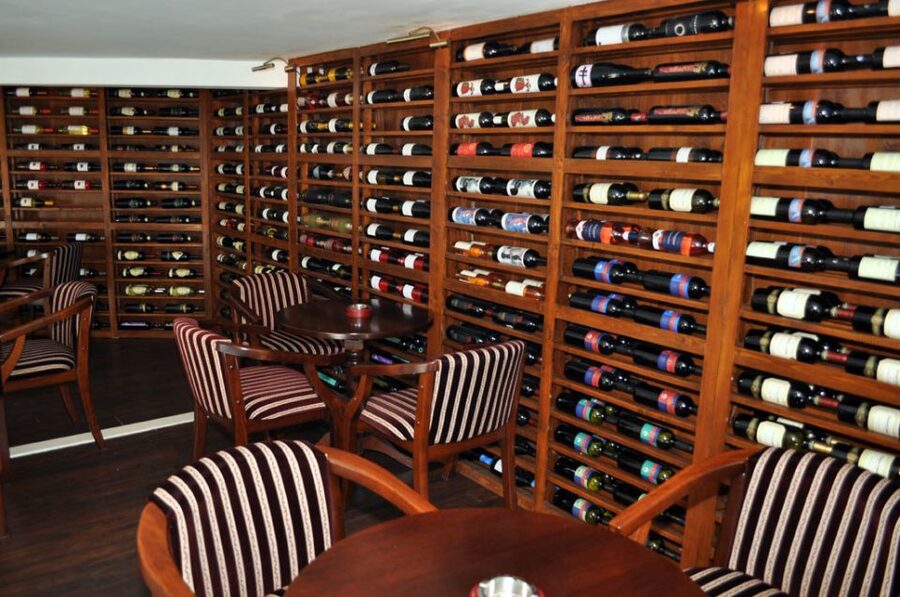
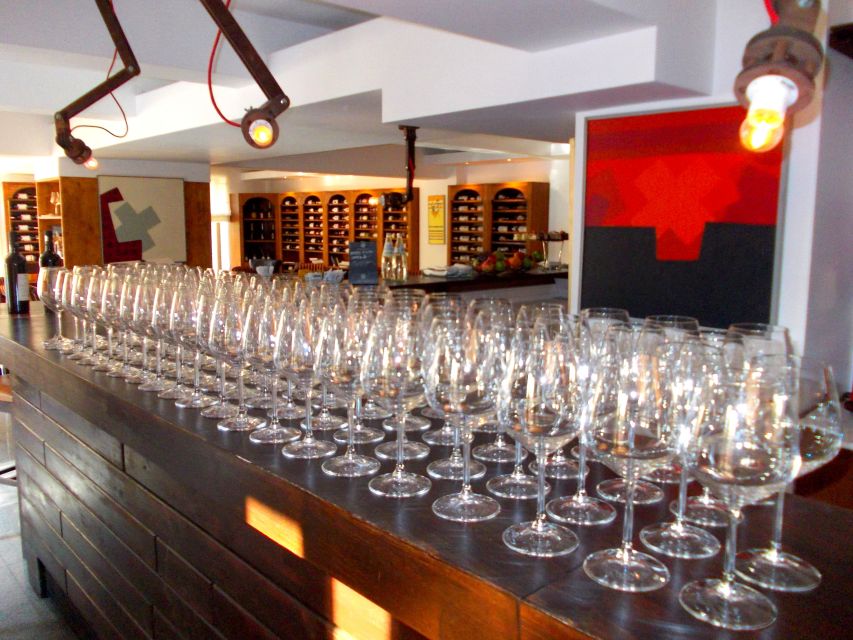
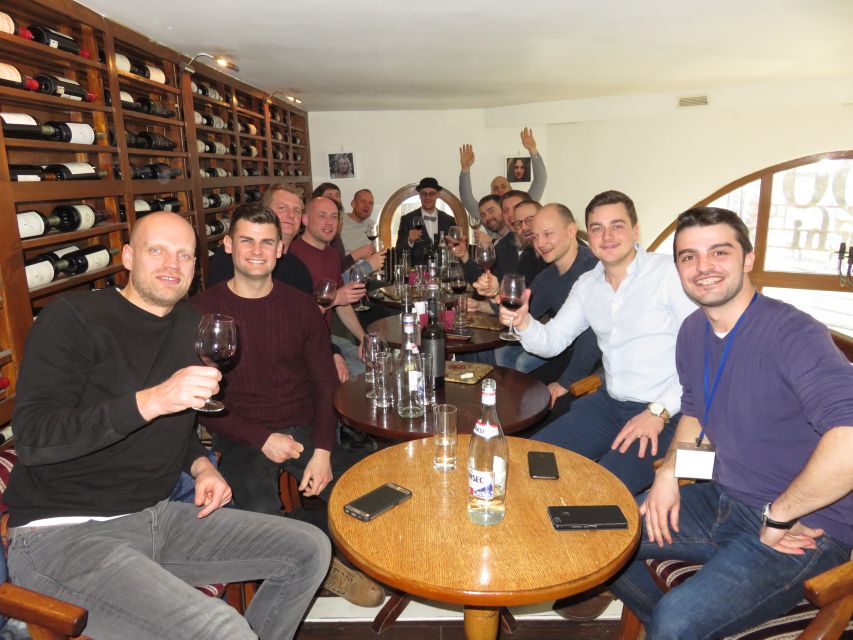
The final stop lasts about an hour and a half at a local wine bar. You receive three glasses of Romanian wine, water, and a small plate of local cheese and charcuterie. Additional food and drinks are not included.
I like this part because it gives the earlier museum visit a second layer. Romania’s rural traditions are not only preserved in timber and pottery. They also continue in vineyards, grape varieties, and food served at the table.
Your guide explains Romania’s long wine-making tradition, the revival of its wine industry in recent decades, and the influence of places such as Dealu Mare. You may taste Feteasca Neagra, a red grape associated with Romania, along with Tamaioasa Romaneasca or Negru de Dragasani. The point is not to become a wine expert in three glasses. It is to give you a few names and flavors to look for during the rest of your time in Romania.
The tasting is paired with cheese and charcuterie, which makes it more satisfying than a stand-alone sip at a counter. It is still a small plate, so do not book this as your main meal. If you want more wine or food, you pay separately after the included tasting.
How the private format affects the experience
The guide picks you up at your accommodation, waiting in the hotel lobby beside reception. If your lodging has no lobby, the meeting point is downstairs at the entrance. Private transport may be a car, van, or taxi, depending on the group and arrangements.
This convenience has real value in Bucharest. You do not need to find the museum on your own, work out the best order of stops, or navigate back across the city after drinking wine. The tour finishes in the center, rather than returning you to the starting point, which is especially handy if you are planning an evening in the Old Town.
A private group also gives you room to communicate. One French-speaking participant appreciated being asked about pickup details and where to be dropped off at the end. The guides speak English and Romanian, and the private format can work well for couples, families with older children, or friends who prefer conversation over a large group tour.
The flexibility has limits. This is a walking tour at the museum, and the activity is not suitable for wheelchair users. Children under three are not accepted. Because the tasting includes alcohol, families should consider whether the final stop fits their plans.
Is $153 per person a fair price?
At $153 per person, this is not a budget introduction to Bucharest. You are paying for a private half-day, not just museum admission and three samples of wine.
The price includes hotel pickup, private transport, a licensed guide, the Village Museum entrance, the craft stop, and the wine tasting with water, cheese, and charcuterie. For two or more people, the cost is easier to justify because you are buying personal attention and door-to-door convenience. For a solo visitor, the price feels much steeper, even though a solo participant can receive a very personal tour.
I would compare it with the cost of arranging separate taxis, museum entry, a private guide, and a wine tasting. The package saves planning time and gives the day a clear shape. If you mainly want to see the museum and do not care about wine, you can likely find a cheaper option. If you want a cultural introduction that connects architecture, crafts, and food, the package is more defensible.
The full duration is about four and a half hours. That is long enough to fill a morning or afternoon without consuming your whole day. You still have time for Bucharest’s center, museums, or dinner afterward.
Who will get the most from this tour?
I would choose this experience if you are visiting Bucharest for the first time and want context before exploring the city independently. It is especially useful if Romanian village architecture, regional traditions, and wine all interest you.
It also suits you if you have limited time. The museum is outside the central sightseeing core, and private pickup removes much of the practical work. Ending near the Athenaeum lets you continue with central Bucharest rather than losing time returning to your hotel.
You may want to skip it if you dislike guided visits, shopping stops, or alcohol tastings. The craft shop is brief, but it is still part of the plan. The museum requires walking, and the tasting is central to the final section, not an optional extra.
The tour has received a perfect 5 rating across eight published bookings, with special praise for guide quality, flexibility, the museum, and the wine tasting. I would treat that as a strong sign that the human side of the tour is its greatest asset. Mihai is specifically praised for arriving on time and adapting the day during very hot weather, while another solo participant enjoyed the same format without needing a larger group.
Practical details before you book
Book this when the weather is comfortable if you can choose your date. The museum is outdoors, and the walking section will be more pleasant in mild conditions. If you visit in summer, ask about timing and bring water, even though water is also provided at the wine bar.
Plan on about 1.5 hours at the museum, 30 minutes at the craft shop, 1.5 hours at the wine bar, a short Athenaeum stop, and travel between locations. The craft stop is close enough to the wine bar for a five-minute walk, while the other transfers use private transport.
You can cancel up to 24 hours before the start for a full refund, and you can reserve while paying later. Starting times vary, so check availability when choosing your date. The tour is offered in English or Romanian.
Should you book it?
Book this tour if you want more than a quick look at Bucharest’s center. The Village Museum provides the strongest part of the day, while the craft shop and wine tasting help connect rural life with Romanian customs you can still encounter today.
I would recommend it most to couples, small private groups, and first-time visitors who value a flexible guide and easy transport. The price is high for a short activity, and the museum’s outdoor paths may not suit everyone. But if you want one well-organized half-day that brings together buildings, folk art, and local wine, this is a thoughtful choice.
FAQ
Where does the tour begin?
Pickup is included from your accommodation in Bucharest. The guide waits in the hotel lobby beside reception. If there is no lobby, the guide waits downstairs at the entrance in front of the building.
Where does the tour finish?
The tour finishes at the Romanian Athenaeum. From there, you can walk toward Bucharest’s Old Town or ask the guide for directions back to your accommodation.
How long does the experience last?
The full experience lasts about four and a half hours. The museum visit takes about 1.5 hours, the craft stop about 30 minutes, and the wine tasting about 1.5 hours.
What is included in the wine tasting?
You receive three glasses of Romanian wine, one serving of water, and a local cheese and charcuterie platter. Extra food and drinks are not included.
Which Romanian wines might I taste?
The tasting may include local varieties such as Feteasca Neagra, Tamaioasa Romaneasca, and Negru de Dragasani. The guide also discusses wine regions including Dealu Mare.
Is transportation included?
Yes. Private transport is included and may be provided by car, van, or taxi. The route also includes a five-minute walk from the craft stop to the local wine bar.
Is the tour private?
Yes. This is a private group experience with a live guide. The available tour languages are English and Romanian.
Is the tour suitable for young children or wheelchair users?
Children under three are not accepted. The experience is not suitable for wheelchair users.
Can I cancel or pay later?
You can cancel up to 24 hours in advance for a full refund. You can also reserve now and pay later, which keeps your plans flexible.
More Museums in Bucharest
- Bucharest: Museum of Senses Entry Ticket
★ 4.2 · 364 reviews - Communism in Bucharest – Landmarks, Museum & Communist Appetizers
★ 5.0 · 111 reviews - Bucharest: Entry ticket at the Museum of Communism
★ 4.6 · 57 reviews - Bucharest: Museum of Communism Ticket with Communist Coffee
★ 4.6 · 52 reviews
More Food & Drink in Bucharest
- Taste Bucharest: A Food Lover’s Tour of Markets & Neighbourhoods
★ 5.0 · 689 reviews - Street Food’n’Culture Tour
★ 5.0 · 209 reviews - Discover Bucharest: Private Highlights and Traditional Food Tour
★ 5.0 · 86 reviews - Bucharest Beer and Culture Tour with a Local
★ 5.0 · 47 reviews
Just added around Bucharest
- Village Museum Bucharest Guided Tour★ 5.0 · 6 reviews
- Bucharest: Dealu Mare Winery Private Trip with Wine Tasting★ 4.9 · 6 reviews
- Winery touring & private wine tasting – one day private tour★ 5.0 · 3 reviews
- Transylvania Tour: Dracula’s Castle, Peles Palace & Brasov★ 5.0 · 19 reviews
- Discover Medieval Transylvania Small Group Tour – 7 days★ 5.0 · 4 reviews
- Bucharest Airport Transfer To Constanta Mamaia★ 5.0 · 3 reviews
- Airport Henri Coanda (Otopeni) to Bucharest – Private Transfer – Driver★ 5.0 · 5 reviews
- Gems of Transilvania: Brasov,Sighisoara,Sibiu,Viscri and more★ 5.0 · 6 reviews
Village Museum Tours, compared.
Palace of the Parliament, Village Museum & Ceaușescu Mansion
Read our review →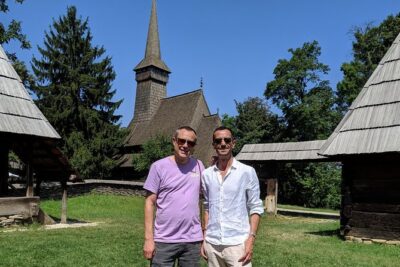
Traditions in Bucharest: Village Museum and Wine Tasting Tour
Read our review →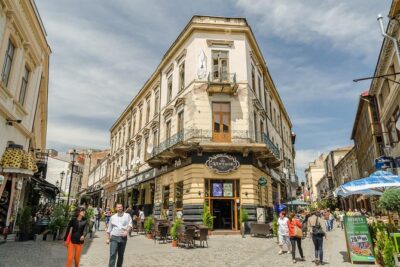
Private Bucharest city tour visit the Palace of the Parliament & Village Museum
Read our review →
National Village Museum and Salt Mine in a Day Tour
Read our review →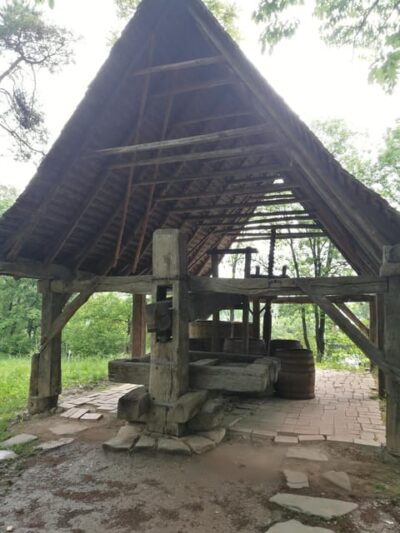

Bucharest one day tour with Parliament Palace and Village Museum
Read our review →
Snagov Monastery, Ceaușescu Mansion, & Village Museum – 6h
Read our review →Browse the lists this tour appears in