
Reviewed · WALKING TOURS
Timisoara: Guided Walking Tour
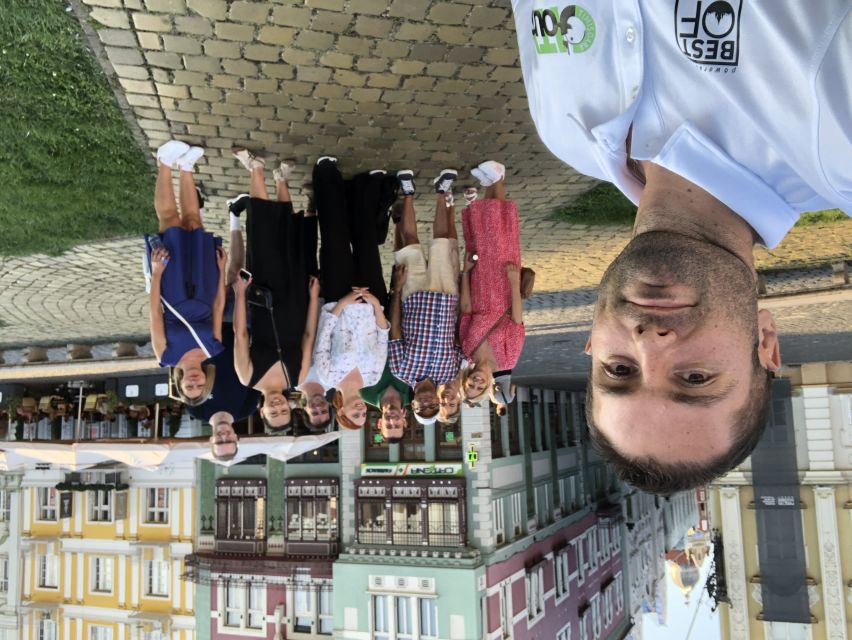
Timișoara’s story comes into sharp focus on this two-hour walk, especially when you reach the places tied to the 1989 Romanian Revolution. More than 150,000 people gathered here, and the guide connects that national turning point to the squares and streets around you.
I like the easy start in Victory Square, right by the Opera House, and the chance to ask questions about Banat rather than simply listen to a fixed speech. Guides including Roberta, Dan, and Sergio have been praised for clear explanations and useful local tips, including restaurant advice. The main drawback is practical: this is a walking tour on uneven city streets and is not suitable for people with mobility impairments.
In This Review
- Key points to know before booking
- Starting beside the Opera House in Victory Square
- Tracing Ottoman Timișoara through the old center
- Finding the last piece of Timișoara’s old walls
- Reading the buildings and layout of Unirii Square
- Understanding the 1989 Revolution in the places where it happened
- Stories about people, not just dates and façades
- What the $23 price gives you
- Timing, weather, and the physical demands
- Who will get the most from this Timișoara walk
- Should you book the Timisoara Guided Walking Tour?
- FAQ
- Where does the tour start?
- Where does the tour end?
- How long does the walking tour last?
- What language is the tour conducted in?
- What is included in the price?
- How much does the tour cost?
- Which days does the tour operate?
- Does the tour operate in bad weather?
- What should I bring?
- Can I cancel for a full refund?
Key points to know before booking
- Start at the Opera House: Meet in Victory Square, one of the city’s key public spaces, and finish at the same place.
- Connect seven centuries of history: The walk covers Ottoman times, the old defensive walls, major figures, and modern Timișoara.
- See the last surviving wall section: You will locate the former city defenses and the only piece still standing.
- Read Unirii Square through its past: Learn who built this elegant square and how it fits into the city’s story.
- Understand the 1989 Revolution: Hear about the huge gathering that helped make Timișoara central to Romania’s break from communism.
- Plan for Romanian weather: The tour runs every Tuesday, Thursday, and Saturday, rain or shine.
Starting beside the Opera House in Victory Square
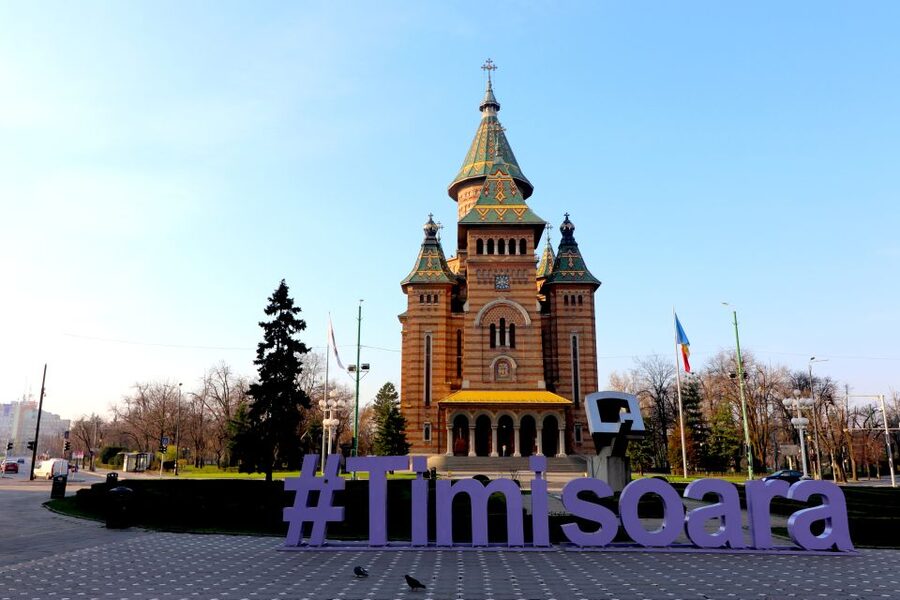
The tour begins in Victory Square, directly in front of the Opera House. This gives you a useful introduction to central Timișoara without asking you to find a remote meeting point or arrange transport across town.
Victory Square also gives the guide a strong place to explain the city’s modern identity. You are not simply looking at façades. You are learning how public space, politics, architecture, and daily life overlap in Timișoara.
The walk ends back at the same meeting point. That makes the tour easy to fit into a first day in town. You can use it to get oriented before exploring on your own, or schedule it early enough to follow the guide’s suggestions for lunch and later sightseeing.
The meeting point is central, but you should still arrive ready to walk. The tour lasts two hours, and comfortable clothing is recommended. Since it operates in rain or shine, a light rain jacket is a sensible addition even though it is not specifically listed among the required items.
A few more Timisoara trips to weigh up
- Timisoara All in One – Walking and Tram Tour
★ 5.0 · 72 reviews - Timișoara Highlights – Walking Tour
★ 5.0 · 28 reviews - Timisoara: Classic Walking Tour
★ 5.0 · 26 reviews
Tracing Ottoman Timișoara through the old center
One of the tour’s useful features is its long time span. You hear about more than 700 years of Timișoara’s past, including the period of Ottoman rule. That matters because the city’s story is not limited to its later Austro-Hungarian architecture or its role in modern Romania.
A good guide can make these periods easier to place. Instead of treating Ottoman times as a detached chapter, the walk shows how earlier rule forms part of the city you see today. You get a broader frame for understanding why Timișoara developed as an important city in Banat.
This part of the tour is especially helpful if you know little about Romania before arriving. The guide explains the setting in plain language and leaves room for questions. Sergio, one of the guides named in the feedback, has been praised for answering questions about both Timișoara and the wider region, which is useful if you want more than a memorized list of dates.
Do not expect a museum-style presentation with objects or indoor exhibits. This is a street-level introduction. The buildings and public spaces around you are the visual material, while the guide supplies the connections.
Finding the last piece of Timișoara’s old walls
The former city walls are another memorable stop. You will see where the old defenses once ran and locate the only remaining piece. It is a small detail with a big payoff, since it helps you picture a city that no longer looks fortified at first glance.
This is the sort of stop that can be easy to miss on your own. A fragment of wall may not command attention beside grand squares and elaborate buildings, but the guide gives it a reason to matter. You begin to understand the shape of the older city and how later development changed it.
The stop also adds balance to the architecture-focused parts of the walk. Timișoara is often praised for its buildings, but the walls point to an earlier, more defensive city. You get a quick lesson in how urban space changes over centuries.
The tour does not promise access to a preserved fortification complex. You are seeing the surviving piece and learning where the walls stood. If you want a detailed military history, you may need a separate museum or specialist tour.
Reading the buildings and layout of Unirii Square
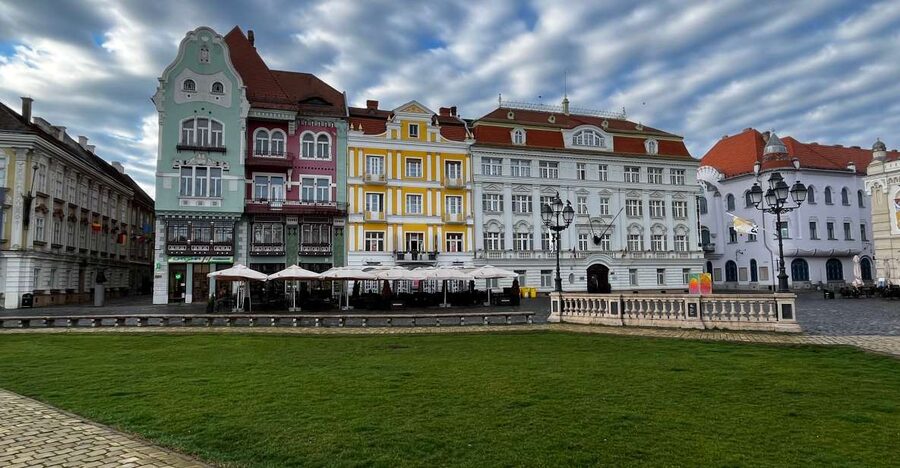
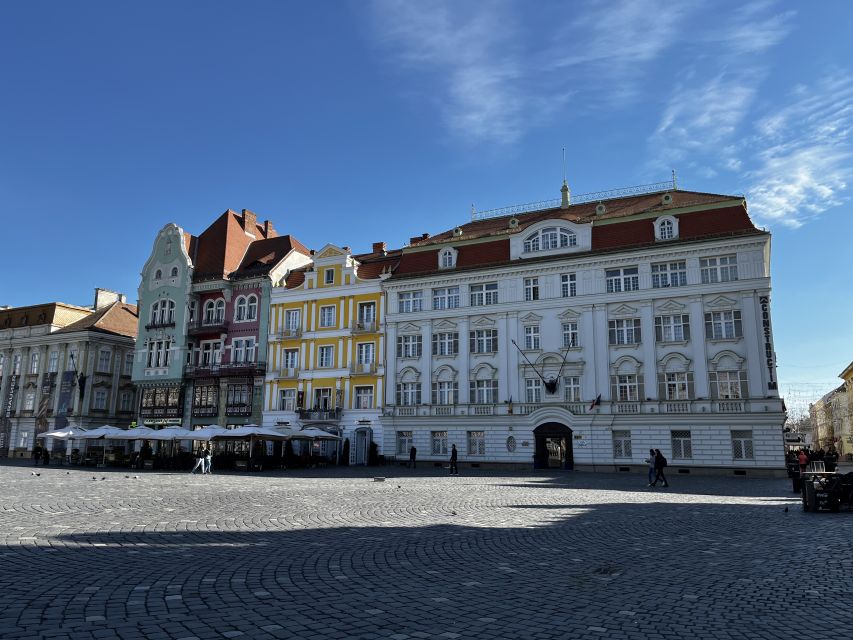
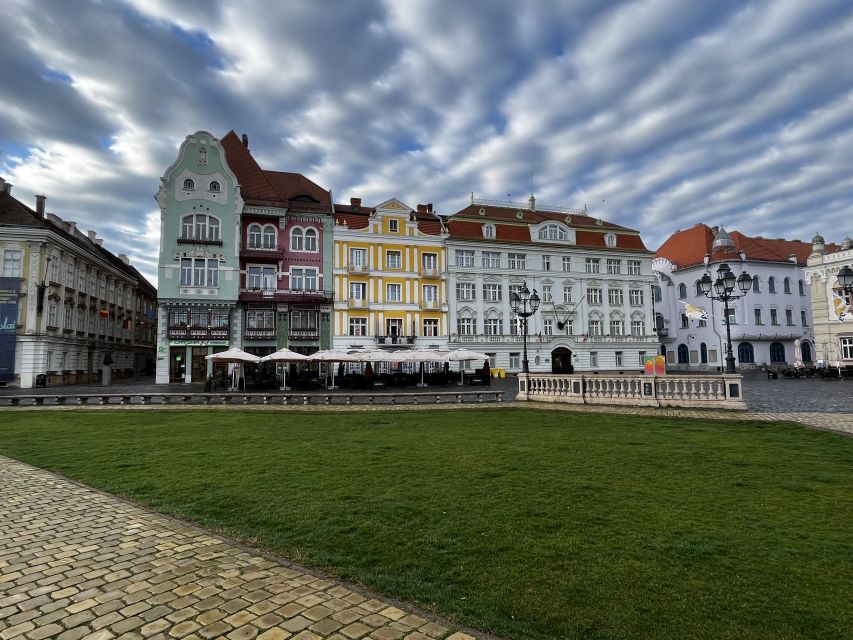
Unirii Square is one of the central visual rewards of the walk. The guide explains who built the square and how it fits into Timișoara’s development. That question is more useful than simply hearing the names of buildings, because it turns the square into a record of power, planning, and changing communities.
You will have time to look at the architecture while the guide explains the people and events connected with it. The focus is not only on taking photographs. You are encouraged to ask why the square looks the way it does and what its design tells you about the city.
The tour also places modern Timișoara in a wider European frame by discussing its role as European Capital of Culture in 2023. That recent recognition helps explain why the city has drawn renewed attention, while the older stories keep the focus from becoming a simple cultural branding exercise.
I like this combination of beauty and context. You see an attractive public space, but you also learn to read it. For a first-time visit, that can change the way you walk through the rest of the center after the tour ends.
Same mountains, a completely different day out:
- The Classic Tour of Timisoara
★ 5.0 · 154 reviews - Weekly Guided Tour in English – Tuesday, Thursday, Saturday
★ 5.0 · 84 reviews - Day trip to Corvin Castle and Sibiu (and back) from Timisoara
★ 5.0 · 30 reviews - Danube Gorge & Banat Waterfalls
★ 5.0 · 27 reviews
Understanding the 1989 Revolution in the places where it happened
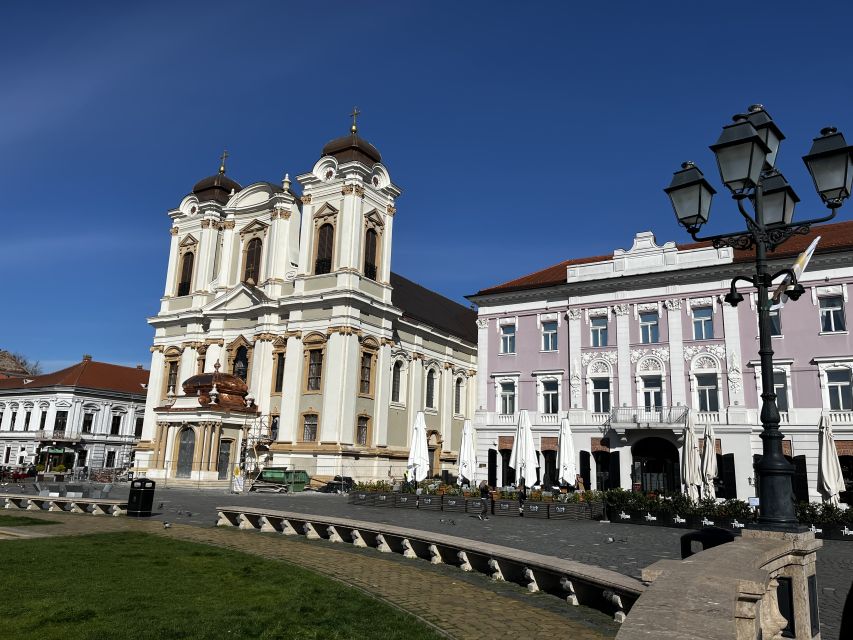
The most important modern subject on this walk is the Romanian Revolution of 1989. The guide points out where more than 150,000 people gathered and explains what happened in Timișoara during the events that brought down communist rule.
This is one reason the tour offers more than a standard architecture stroll. Timișoara’s squares are not just scenic backdrops. They were places where large numbers of people came together during a major national crisis and political change.
The size of the gathering is difficult to grasp from a textbook figure alone. Hearing the number in the very area where people assembled gives the event a physical setting. You can ask questions, clarify the sequence of events, and connect the city’s local experience to Romania’s larger story.
The tour does not advertise a specialist political lecture, so the amount of detail may depend on the guide and the questions you bring. If the Revolution is your main reason for visiting, tell the guide early. That gives you the best chance to spend more time on the subject rather than treating it as one stop among many.
For most people, this section will be the emotional center of the walk. It gives a modern edge to the older Ottoman and architectural stories and shows why Timișoara matters beyond its attractive historic center.
Stories about people, not just dates and façades
The tour includes stories about important people who shaped Timișoara over time. That approach can make a long history easier to follow. Names and dates tend to blur, but a personal story can give you a reason to remember a square, wall, or building.
The guide’s role is important here. Roberta has been praised for explaining both the history and art of the center, while also offering suggestions for places to visit and eat. Dan has been described as making the city feel especially accessible, and Sergio has been noted for handling questions about the city and the wider Banat region.
These details matter because a two-hour walk works best when it feels like a conversation, not a recital. You can ask about local customs, the region, or places to see after the tour. The supplied information specifically encourages questions, so come prepared with a few of your own.
You might ask the guide to explain a building you pass later in the day, recommend a neighborhood to explore, or put Timișoara in context with the rest of Banat. The tour is conducted in English, so it suits you if you want a clear introduction without relying on translated signs or guidebooks.
What the $23 price gives you
At $23 per person, the tour is priced as a modest introduction to Timișoara rather than a full-day program. For two hours with a professional English-speaking guide, the value is strongest if you want historical context quickly and plan to continue exploring independently afterward.
The walk includes the guide and the organized route through the historic center. No transport or separate attraction admission is listed, so you should think of this as a compact city orientation, not a package of museum entries or paid interior visits.
I consider the price reasonable for a first look at a city whose history may be unfamiliar. A good guide can save you time, point out details you might pass, and help you decide how to use the rest of your stay. The restaurant suggestion offered by Roberta is a small but practical example of that added value.
The value depends on your expectations. If you want long stops inside monuments, a large number of included sights, or transport beyond the center, this is not the right format. If you want a focused walk, a local perspective, and an explanation of the Revolution, $23 is a fair spend.
The booking terms also reduce risk. You can reserve now and pay later, and cancellation is free up to 24 hours in advance for a full refund. Starting times vary, so check availability before you plan the rest of your day.
Timing, weather, and the physical demands
Two hours is long enough to cover the main themes without taking over your entire day. It is short enough to pair with your own museum visit, meal, or independent walk through Timișoara’s center.
The tour runs every Tuesday, Thursday, and Saturday. It takes place rain or shine, so check the forecast and dress for the conditions. Comfortable clothing is advised, and practical shoes are more important than dressing up for the Opera House meeting point.
The activity is not suitable for people with mobility impairments. The information does not specify the exact surface conditions, number of stairs, or rest stops, so you should contact the provider before booking if walking for two hours may be difficult.
There is no group-size information provided. That means the feel of the walk may vary depending on the date. You can expect a live guide in English, but you should not assume a private tour or a small group unless the booking details confirm it.
Who will get the most from this Timișoara walk
I would recommend this tour to you if you are visiting Timișoara for the first time and want a clear foundation before exploring alone. It suits curious adults who enjoy architecture but also want politics, local personalities, and regional context.
It is particularly useful for:
- First-time visitors with only a short stay
- People interested in the 1989 Revolution
- Anyone who wants an English-speaking introduction to Banat
- Visitors who prefer walking and questions to a large bus tour
- People looking for practical advice about what to see and eat next
You may want a different activity if you already know Timișoara’s center well or want detailed access to interiors. The walk focuses on outdoor places and stories, and the two-hour schedule means the guide must keep moving through several periods.
Families with older children may find the Revolution and city-wall stories engaging, but the tour is not described as a children’s program. Anyone with limited mobility should treat the stated restriction seriously.
Should you book the Timisoara Guided Walking Tour?
Book it if you want a well-priced introduction that links Timișoara’s Ottoman past, old defenses, elegant squares, and 1989 Revolution in one compact walk. The strongest reasons are the central start, the chance to ask questions, and the practical local guidance associated with guides such as Roberta, Dan, and Sergio.
I would be more cautious if you need step-free access, dislike walking in poor weather, or want admissions to museums and historic interiors included. For most independent visitors, though, this is a sensible first activity: two hours, $23, English-language guidance, and a route that gives the city a human and political story rather than just a collection of pretty buildings.
FAQ
Where does the tour start?
The tour starts in front of the Opera House in Victory Square.
Where does the tour end?
The activity ends back at the meeting point in Victory Square.
How long does the walking tour last?
The tour lasts two hours.
What language is the tour conducted in?
The live tour guide speaks English.
What is included in the price?
A professional English-speaking guide is included.
How much does the tour cost?
The listed price is $23 per person.
Which days does the tour operate?
The tour takes place every Tuesday, Thursday, and Saturday.
Does the tour operate in bad weather?
Yes. The tour takes place rain or shine.
What should I bring?
Comfortable clothes are recommended. Since the walk operates in all weather, weather-appropriate clothing is also sensible.
Can I cancel for a full refund?
Yes. You can cancel up to 24 hours in advance for a full refund. You can also reserve now and pay later.
Just added around Timisoara
- Bite your way through Timisoara – Timisoara’s Street Food Tour★ 5.0 · 14 reviews
- The Grand Tour of Communist Ages at Timisoara★ 5.0 · 17 reviews
- The Jewish Heritage Tour of Timisoara★ 5.0 · 9 reviews
- Timisoara Downtown Dream Tour★ 5.0 · 5 reviews
- Ecumenical Tour of Timisoara★ 5.0 · 15 reviews
- Nera Gorge National Park – Private Day Tour from Timisoara★ 4.5 · 4 reviews
- One Day in Transylvania – Departure from Timisoara★ 5.0 · 16 reviews
- Day Trip to Turda Salt Mine and Corvin Castle from Timisoara★ 5.0 · 10 reviews
Walking Tours, compared.

Ghost Stories & Romanian Mythology Walking Tour
Read our review →
Walking Tour- Delightful Bucharest (Highlights, Stories, Sights)
Read our review →

4h Bucharest Private Tour (2h by Car and 2h Walking in Old Town)
Read our review →
Browse the lists this tour appears in