
Reviewed · COMMUNISM & CEAUSESCU TOURS
6h Communism Tour in Bucharest with Ceausescu Mansion
Bucharest’s communist past makes the most sense when you see both the machinery of power and the private life behind it. This tour links the Palace of Parliament, Revolution Square, and Ceausescu Mansion, then adds the Dimitrie Gusti National Village Museum for a look at the rural Romania that communist rule tried to reshape.
I like the private transport and flexible route, which let you ask questions and adjust the pace. I also like the mix of grand political sites and ordinary homes from across Romania. The main catch is price: at $208 per person, admission tickets are extra, and one booking could not access Ceausescu Mansion, the tour’s most important stop for many people.
In This Review
- Key points to know before booking
- Why this communist history tour works
- Starting at the Palace of Parliament
- The Village Museum and Romania beyond Bucharest
- Victory Avenue and the city between eras
- Revolution Square and December 1989
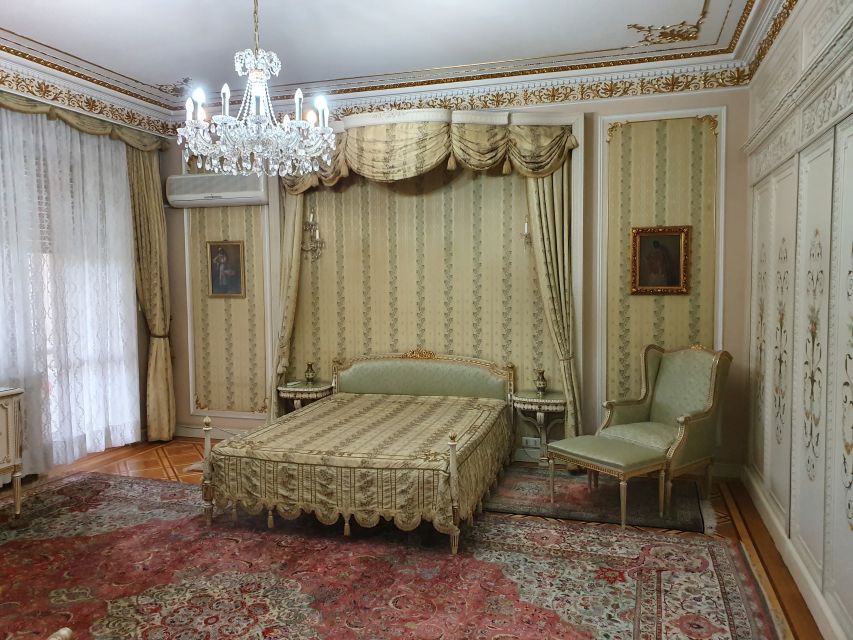
- Inside Ceausescu Mansion
- What the private transport adds
- Price, tickets, and practical value
- Who should book this six-hour route
- Should you book it?
- FAQ
- How long is the Bucharest communism tour?
- What places are visited?
- Is Ceausescu Mansion included?
- Are entrance fees included?
- What does the tour price include?
- Which languages are available?
- Can I be picked up at Bucharest Airport?
- Is the itinerary fixed?
- Can I cancel the booking?
Key points to know before booking
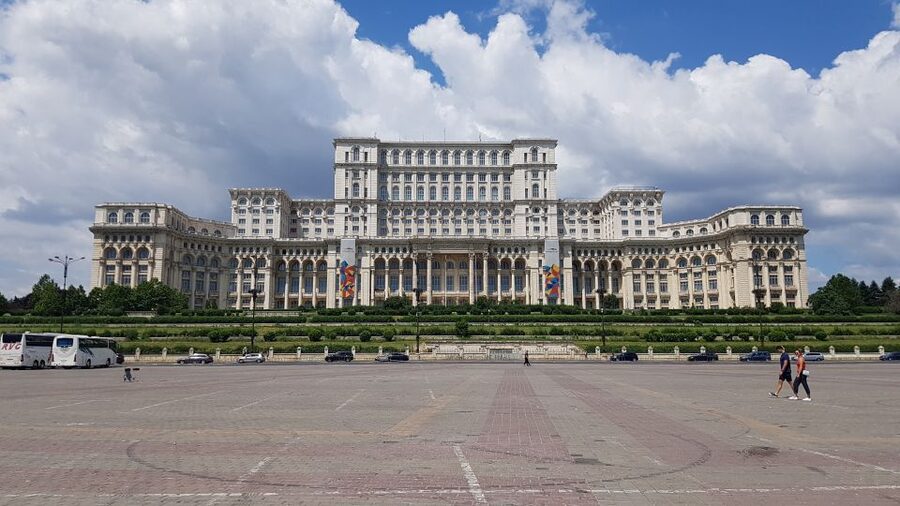
- The Palace of Parliament anchors the tour: You get two hours at Romania’s most powerful communist-era symbol.
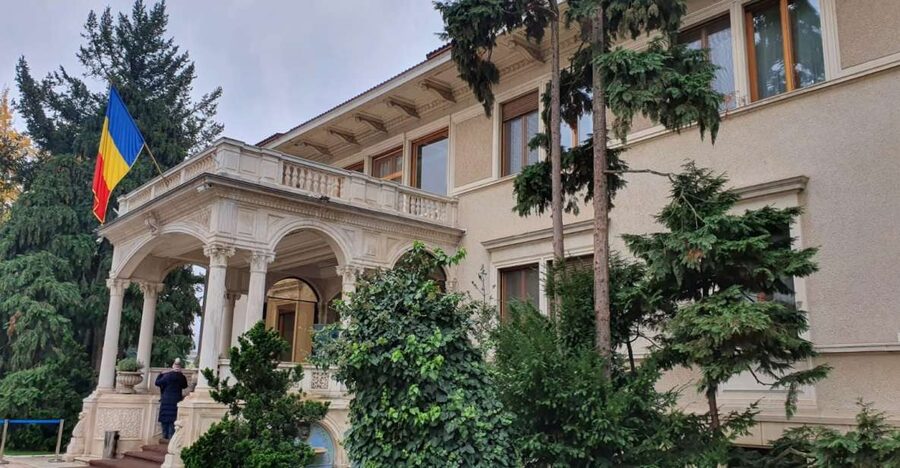
- Ceausescu Mansion shows the private side of dictatorship: The former residence belonged to Nicolae and Elena Ceausescu and their children from 1965 to 1989.
- The Village Museum adds needed perspective: Traditional homes and household spaces show how Romanian villagers lived beyond the capital.
- Revolution Square connects the past to December 1989: This is where the Romanian Revolution unfolded.
- A private driver-guide keeps the day flexible: Pickup and drop-off are available at your hotel or Bucharest Airport.
- Admission costs are separate: Build ticket fees into the total cost, and confirm that the mansion visit is available for your date.
Why this communist history tour works
A standard Bucharest sightseeing drive can leave you with impressive buildings but little sense of how the communist system affected daily life. This six-hour outing gives those places a clear thread. You move from the state’s oversized headquarters to a dictator’s home, then to the square where the regime began to collapse.
That structure is the tour’s biggest strength. The Palace of Parliament explains the scale of Nicolae Ceausescu’s ambition. Revolution Square explains the sudden end of his rule. Ceausescu Mansion shows how the ruling family lived behind closed doors. The Village Museum seems less directly connected, but it helps you picture the country outside Bucharest and understand the contrast between village life and the capital’s political theater.
I would choose a private tour like this if you want to ask questions as you go. The driver-guide speaks English, Italian, Romanian, French, or Spanish, depending on your booking. Daniel received especially warm praise for his clear explanations and friendly manner, while Nicoleta was singled out for making the city’s story both instructive and pleasant.
Still, the cost deserves a careful look. The $208 per-person price includes private transport, a licensed private driver-guide, and pickup and drop-off. It does not include food, drinks, or entry fees. If you are booking for one person, it is a sizable outlay. For a couple or small private group, the price may feel more reasonable because you are paying for a dedicated vehicle and guide rather than joining a large coach.
More communism & ceausescu tours in Bucharest:
- The Real tour of Communism
★ 5.0 · 666 reviews - Life under Communism
★ 5.0 · 358 reviews - 3-Hour Guided Tour of Communist Bucharest
★ 4.9 · 303 reviews
Starting at the Palace of Parliament
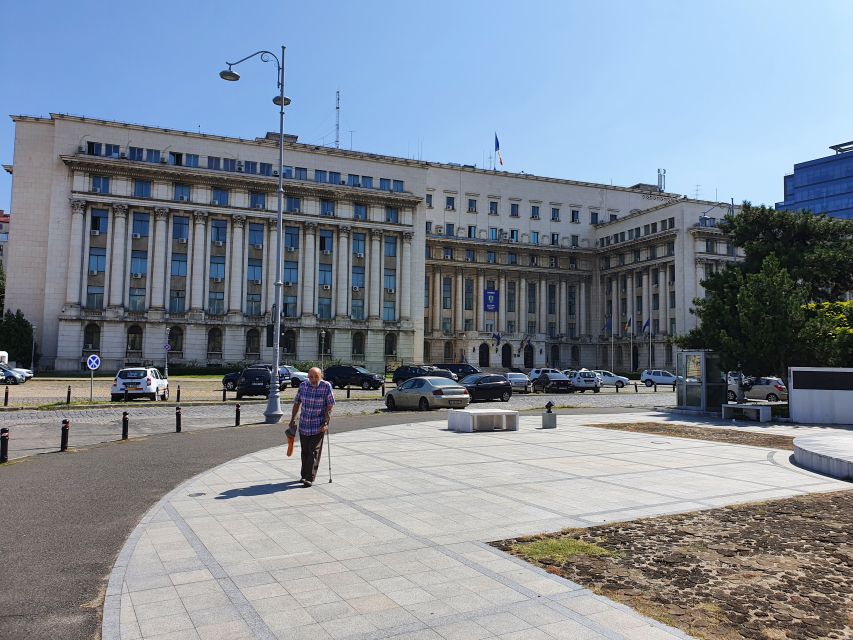
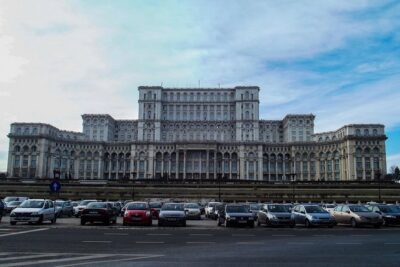
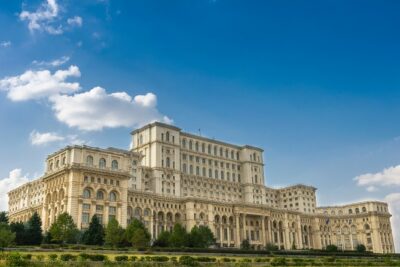
The tour begins at the Palace of Parliament, with about two hours set aside for sightseeing. This is not merely another grand government building. It is the clearest physical symbol of the Ceausescu regime’s appetite for control, scale, and display.
The building is described as the second-largest administrative building in the world after the Pentagon. Its size is part of the lesson. The complex was created during a period when Romania’s population faced severe shortages, while huge public resources were directed toward the leadership’s grand plans.
Your guide can explain how the structure fits into the larger story of Romanian totalitarianism. That context matters because the building can otherwise become a quick photo stop. Its sheer bulk is striking, but the more useful question is what it says about political power and the gap between official ambition and ordinary life.
Two hours gives this stop more weight than a passing drive-by. You should expect time for explanation and sightseeing, though the exact visit can depend on operating arrangements and available entry. Since admission is not included, check the current ticket details before you commit to the booking.
The Palace is likely to be the most physically demanding part of the day if your visit involves extensive interior walking. The supplied information does not specify the exact route or number of rooms visited, so I would avoid assuming that every interior area is open. The value comes from combining what you see with the guide’s explanation.
The Village Museum and Romania beyond Bucharest
After the Palace, the tour turns to the Dimitrie Gusti National Village Museum for about an hour. The change of setting is deliberate and useful. Instead of monumental government architecture, you see traditional homes and household spaces brought together to represent village life from different parts of Romania.
I like this stop because it prevents the day from becoming a narrow study of Ceausescu alone. Romania is more than its dictatorship, and the museum gives you a look at the communities, building methods, and domestic routines that existed outside the capital’s political center.
The focus here includes how Romanian villagers built practical, ecological, and sustainable environments around their homes. You can pay attention to the relationship between houses, yards, working areas, and local materials. The point is not simply to admire old buildings. It is to see how people made daily life work with what they had.
One hour is enough for an introduction, but not enough for a slow examination of every building. If village architecture is a major interest, you may wish you had more time. On this tour, though, the shorter visit keeps the day balanced and leaves room for the communist-era sites.
The museum also gives your guide a chance to explain Romania through regional differences. The supplied details do not promise a specific collection or building route, so let the guide shape the stop according to the time available. I would treat it as a meaningful contrast to the Palace rather than as a full museum day.
Victory Avenue and the city between eras
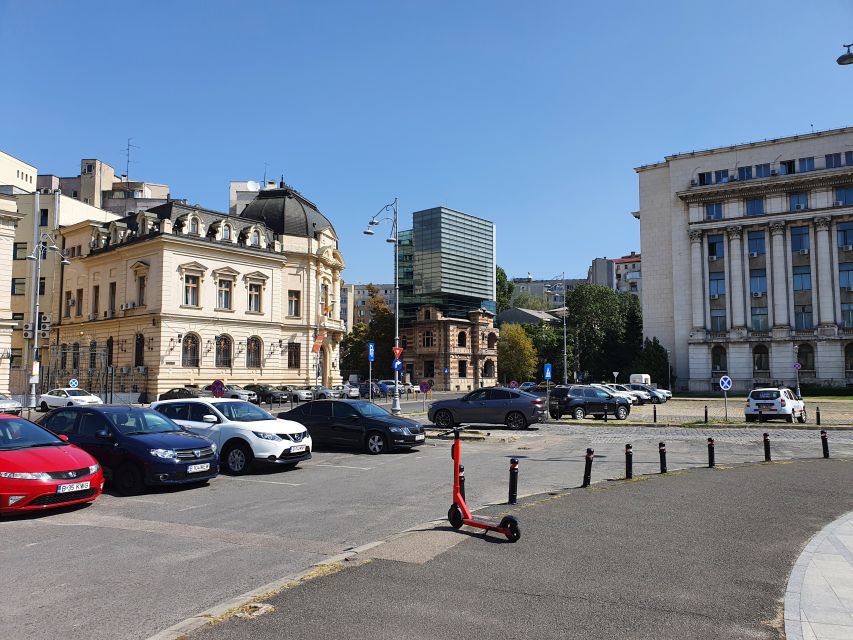
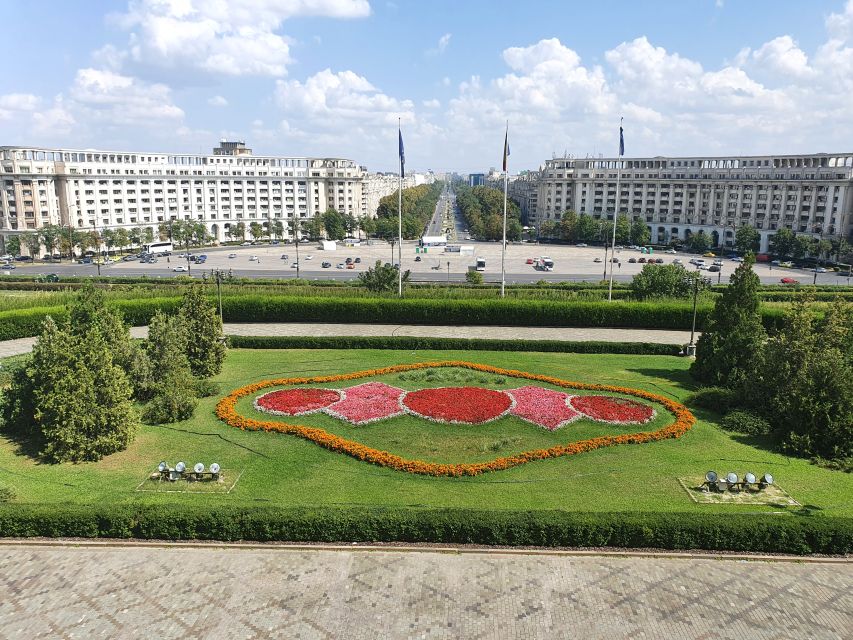
The route includes Victory Avenue, one of Bucharest’s key boulevards. Here you see communist buildings alongside French architectural influence. That mixture is important because Bucharest is not a city you can understand through one period alone.
The avenue helps connect the main stops. You are not only driving from one communist site to another. You are also seeing how the capital carries older European influences beside the physical marks of dictatorship. Your guide can point out the changes as you move through the city, making the drive part of the sightseeing rather than dead time.
A listed viewpoint stop lasts about 45 minutes, but the supplied details do not identify the exact viewpoint. I would ask the operator or guide where this stop will be made and what you will see there. The flexible itinerary means the order and timing can change, so the viewpoint may be adjusted to fit traffic, opening hours, or your interests.
That flexibility is useful in Bucharest, where city traffic can affect a tightly timed route. It also means you should not expect every stop to run like a fixed group excursion. The guide can adjust the order even after the tour begins.
Same mountains, a completely different day out:
- Bucharest: Dracula’s Castle, Peles Castle, & Brasov Old Town
★ 4.5 · 17,858 reviews - Bucharest: Dracula Castle, Peles Castle & Brasov Old Town
★ 4.6 · 10,891 reviews - Bucharest: Dracula’s Castle, Peleș Castle & Brașov Day Trip
★ 4.5 · 5,919 reviews - Bucharest: Palace of Parliament Tickets and Guide
★ 4.3 · 3,182 reviews
Revolution Square and December 1989
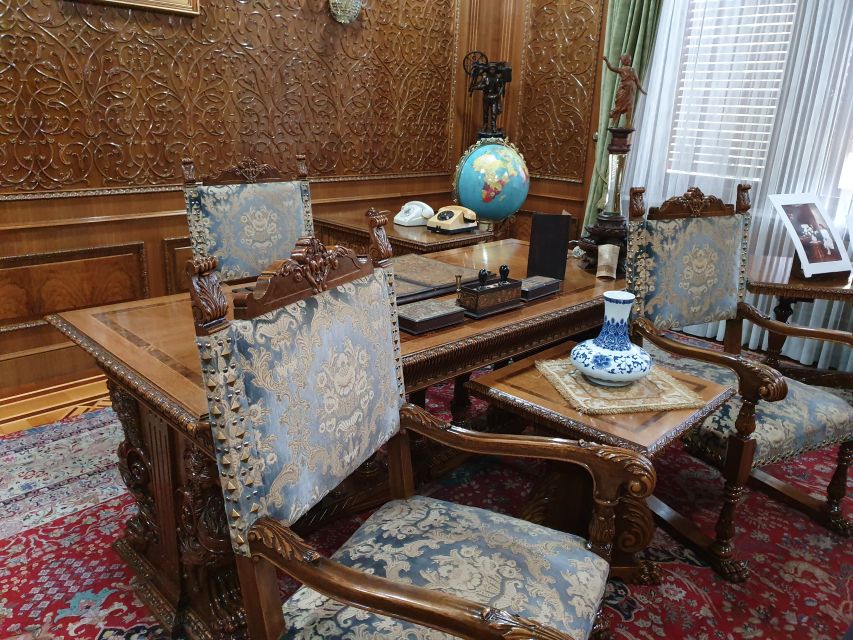
Revolution Square receives about 45 minutes, enough time to pause, look around, and hear the story of the Romanian Revolution in December 1989. This is the point where the tour’s earlier discussion of power becomes immediate and human.
The square marks where the communist regime’s final crisis played out. Your guide can explain why the location matters and how the revolution brought Ceausescu’s rule to an end. I find this stop valuable because it shifts the story from buildings and policies to public action and political change.
Do not expect a long museum visit here. This is an urban stop, with the square itself providing the setting for the explanation. The quality of the visit depends heavily on how clearly the guide connects the location to the events of 1989. That is one reason the guide matters so much on this tour.
You may want to take notes here if Romanian political history is new to you. The Palace gives you the regime’s scale, while Revolution Square gives you the moment when that system broke apart. Together, they make a stronger lesson than either site would provide alone.
Inside Ceausescu Mansion
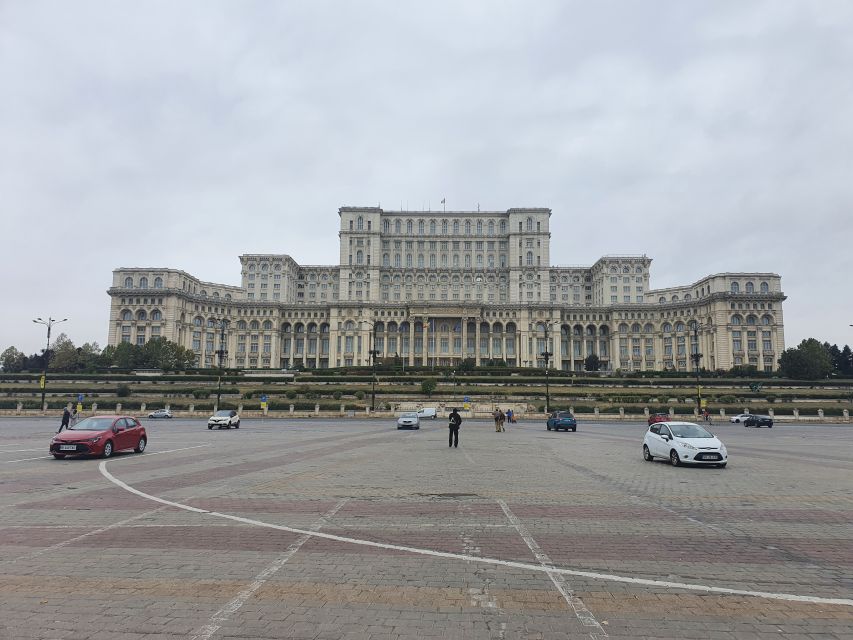
The Ceausescu Mansion, also called the House of Ceausescu, is scheduled for about 90 minutes. This was the private residence of Nicolae and Elena Ceausescu and their children for a quarter century, from 1965 to 1989.
For many people, this is the emotional center of the tour. The Palace shows the state’s public face. The mansion lets you consider how the ruling family lived away from public ceremonies and official buildings. It can make the dictatorship feel less abstract by showing the domestic setting associated with its leaders.
The mansion is also the stop you need to protect most carefully when booking. One confirmed booking was unable to enter the residence, even though it was a central reason for choosing the tour. That does not prove the problem will happen on your date, but it is a clear reason to confirm access before paying.
Ask whether the mansion ticket is secured, whether the site is open on your chosen day, and if the visit can be guaranteed. The tour allows flexible changes, but flexibility cannot replace a closed site or unavailable admission. Since entrance fees are separate, ask for the expected ticket cost as well.
If entry is available, the 90-minute allocation should give you time for a considered visit rather than a quick look from outside. The supplied information does not specify every room or exhibit, so I would let the guide explain what you are seeing and how the residence fits into the final decades of Ceausescu’s rule.
What the private transport adds
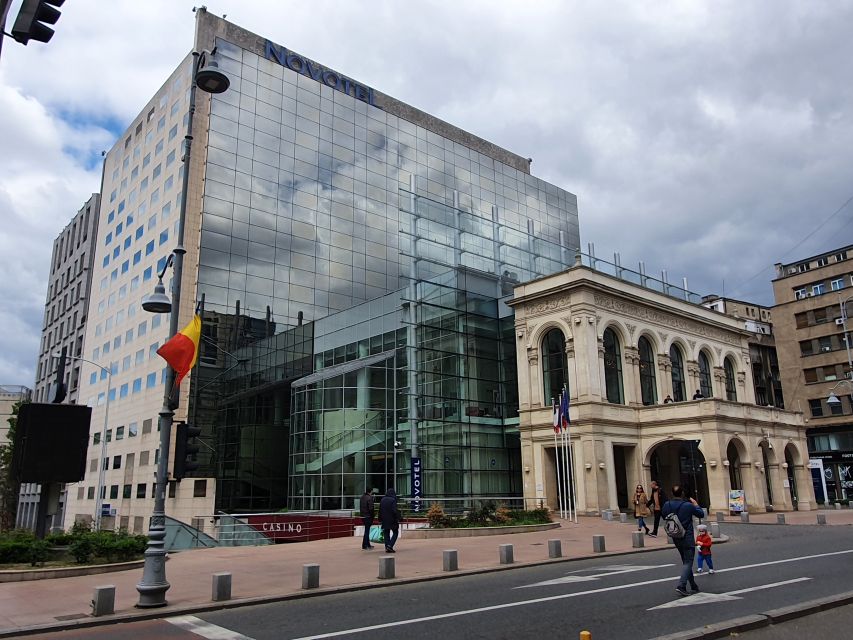
Pickup and drop-off are included from a Bucharest hotel or private accommodation. If you are staying at a private address, you should wait on the sidewalk. Hotel pickups take place in the lobby.
Airport pickup is also offered. The driver waits near the InfoDesk in Arrivals on the main floor with a sign bearing your name, and the tour can begin directly from the airport. This makes the outing useful on an arrival day if you have enough time and energy for six hours of sightseeing.
Private transport saves you from sorting out separate connections between sites. That matters here because the attractions are spread across the city and the route includes both outdoor stops and major ticketed buildings. You can also speak privately with the guide rather than trying to hear a commentary over a full vehicle.
The tradeoff is that private transport does not remove traffic from Bucharest. The advertised duration is six hours, and the planned sightseeing blocks are roughly two hours at the Palace, one hour at the Village Museum, 45 minutes at Revolution Square, 45 minutes at the viewpoint, and 90 minutes at the mansion. The order may change, so keep your schedule flexible.
Price, tickets, and practical value
At $208 per person, this is not a budget sightseeing loop. The price covers the vehicle, a licensed private driver-guide, and transport from and back to Bucharest. It also buys you a route built around several sites that would be awkward to combine independently in one half-day.
The missing admission fees are the main financial consideration. You need to pay separately for the sites that require tickets, and food and drinks are also on your own. If you compare the tour with public transport and separate guides, the private format may offer fair value. If you only want exterior views, the price will be harder to justify.
I would especially consider it for a small group that wants history explained in a chosen language. English, Italian, Romanian, French, and Spanish are available. The strong praise for Daniel’s explanations and Nicoleta’s friendly approach suggests that the human side of the tour can add real value, though the specific guide assigned to you is not guaranteed by the supplied details.
Free cancellation up to 24 hours before the tour and reserve-now, pay-later booking make the commitment easier. Those policies help if your Bucharest plans are still moving, but they do not solve the need to verify Ceausescu Mansion access.
Who should book this six-hour route
I would recommend this tour to you if you want a focused introduction to Romanian communism without spending several days researching the city. It suits first-time visitors, history-minded couples, families with older children, and anyone arriving at the airport who wants private transport built into the day.
It is also a good choice if you prefer to ask direct questions. The guide can explain the difference between the public machinery of the regime, the private world of its leaders, and the rural life represented at the Village Museum.
I would hesitate if you are mainly interested in art, food, nightlife, or medieval Romanian sites. This route is tightly focused on political history, architecture, and the contrast between city and village life. I would also hesitate at the full price if you are traveling alone and do not care about a private vehicle.
Most important, confirm the mansion visit before booking. That one step can determine whether the tour feels like good value or an expensive partial version of what you wanted.
Should you book it?
Book this tour if you want Bucharest’s communist story presented as a connected six-hour lesson rather than a set of unrelated monuments. The Palace of Parliament, Revolution Square, and Ceausescu Mansion give you the political framework, while the Village Museum and Victory Avenue add welcome context.
The private format, multilingual guide, hotel or airport pickup, and flexible route are strong advantages. The price is reasonable only if you value personal transport and live explanation, and the separate entry fees raise the total.
My advice is simple: book after confirming that Ceausescu Mansion access is available for your date and asking what admissions will cost. If that visit is secured, this is a focused and useful way to understand Bucharest’s most difficult modern chapter.
FAQ
How long is the Bucharest communism tour?
The tour duration is six hours, including transportation and sightseeing at the listed stops.
What places are visited?
The route includes the Palace of Parliament, Dimitrie Gusti National Village Museum, Victory Avenue, Revolution Square, a viewpoint, and Ceausescu Mansion.
Is Ceausescu Mansion included?
Ceausescu Mansion is part of the planned route, with about 90 minutes set aside for sightseeing. Entry is not included in the tour price, and you should confirm access for your date before booking.
Are entrance fees included?
No. Entry fees are separate. Food and drinks are also not included.
What does the tour price include?
The price includes private transport, a licensed private English-speaking driver-guide, and hotel or airport pickup and drop-off.
Which languages are available?
The tour is offered with a live guide in English, Italian, Romanian, French, or Spanish.
Can I be picked up at Bucharest Airport?
Yes. The driver waits near InfoDesk in Arrivals on the main floor with a sign showing your name. The tour can begin directly from the airport.
Is the itinerary fixed?
The itinerary is flexible and can be adjusted even after the tour has started.
Can I cancel the booking?
You can cancel up to 24 hours in advance for a full refund. The reserve-now, pay-later option lets you book without paying immediately.
Just added around Bucharest
- Bucharest: Dealu Mare Winery Private Trip with Wine Tasting★ 4.9 · 6 reviews
- Winery touring & private wine tasting – one day private tour★ 5.0 · 3 reviews
- Village Museum Bucharest Guided Tour★ 5.0 · 6 reviews
- Transylvania Tour: Dracula’s Castle, Peles Palace & Brasov★ 5.0 · 19 reviews
- Discover Medieval Transylvania Small Group Tour – 7 days★ 5.0 · 4 reviews
- Bucharest Airport Transfer To Constanta Mamaia★ 5.0 · 3 reviews
- Airport Henri Coanda (Otopeni) to Bucharest – Private Transfer – Driver★ 5.0 · 5 reviews
- Gems of Transilvania: Brasov,Sighisoara,Sibiu,Viscri and more★ 5.0 · 6 reviews
Communism & Ceausescu Tours, compared.
Communism in Bucharest – Landmarks, Museum & Communist Appetizers
Read our review →
Museum of Communism Ticket with Communist Coffee
Read our review →
Dinner+Tour at Museum of Communism after closing
Read our review →Browse the lists this tour appears in