
Reviewed · COMMUNISM & CEAUSESCU TOURS
Life under Communism
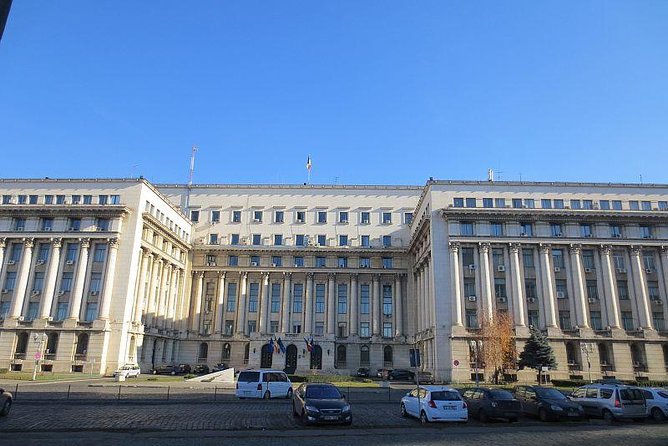
Bucharest’s communist past is easiest to grasp when you see it at street level. This three-hour walk connects a cathedral, a monastery, the enormous Palace of Parliament, a famous restaurant, and Revolution Square, showing how ideology shaped both grand buildings and ordinary daily life.
I like the tour’s personal Romanian perspective, especially the family stories that help explain food lines, political fear, religion, and changing attitudes. I also like the small details, such as former Securitate offices, old communist-era shops, and the snack offered during the walk.
The main thing to consider is that this is a walking tour with several outdoor stops, not a museum visit with long indoor breaks. Comfortable shoes matter, and poor weather can affect the schedule. One guest also missed the meeting point, so arrive early and make sure you can identify your guide.
In This Review
- Key points at a glance
- Why this Bucharest walk works
- Starting at the Patriarchal Cathedral
- The Palace of Parliament and the cost of power
- Antim Monastery and religion under communism
- Old Town, Caru’ cu bere, and controlled hospitality
- Revolution Square and the end of Ceausescu’s rule
- The personal stories are the real advantage
- Pace, group size, and practical comfort
- Is $42.33 a fair price?
- Who will get the most from this experience?
- My booking advice
- FAQ
- Where does the tour begin?
- Where does the tour end?
- How long does the tour last?
- What language is the tour offered in?
- Is this a walking tour?
- Is admission to the Palace of Parliament included?
- Are food and drinks included?
- Does the tour include hotel pickup?
- What happens if the weather is poor?
- What is the cancellation policy?
Key points at a glance
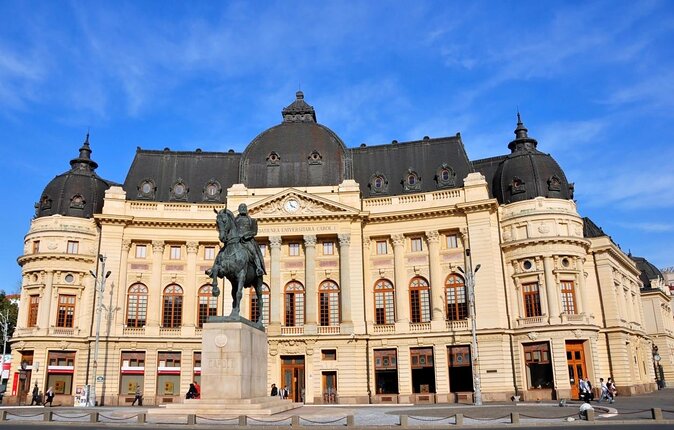
- See communism through ordinary places: The tour links grand state buildings with small food shops and everyday city streets.
- Hear personal family stories: Cristina often adds experiences from different generations of her family to the wider political story.
- Trace the 1989 revolution: Revolution Square brings the collapse of Ceausescu’s regime into focus, including visible signs of the violence.
- Visit the Palace of Parliament area: You hear how this huge administrative building came to represent Ceausescu’s rule.
- Learn how religion survived: Antim Monastery and the Patriarchal Cathedral open a discussion about the state’s relationship with faith.
- Plan for a modest group walk: The maximum group size is 20, and the tour lasts about three hours.
Why this Bucharest walk works
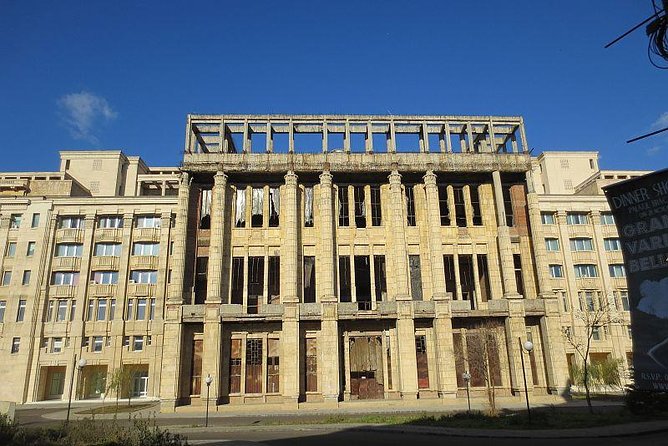
Many history tours give you dates, names, and political labels, then leave you to connect the dots. This one uses Bucharest itself as the classroom. You move through places where power was displayed, controlled, challenged, and finally lost.
The route begins at Aleea Dealul Mitropoliei and ends at Revolution Square. That direction gives the tour a clear shape. You start with the violent arrival of communism, look at how the regime operated, and finish at the scene of its collapse.
I find that structure useful because Romania’s communist period can seem hard to reduce to a simple story. It began after the Second World War, developed into a highly controlled political system, and reached its most severe form under Nicolae Ceausescu. The tour aims to explain both the political machinery and the human cost without reducing the era to a slogan.
Cristina is the guide most often named in the feedback, while Stefan and Victor also lead some departures. The strongest part of the guiding style is the use of personal and family memories alongside public events. You hear not only what the government did, but how those policies affected homes, shopping, work, religion, and family life.
That personal angle is especially useful for visitors from outside Romania. It can be difficult to understand how people adapted to a system that offered some promises of social order while also limiting speech, travel, religion, and access to goods. The guide leaves room for questions and presents different generations’ views rather than forcing one tidy answer.
More communism & ceausescu tours in Bucharest:
- The Real tour of Communism
★ 5.0 · 666 reviews - 3-Hour Guided Tour of Communist Bucharest
★ 4.9 · 303 reviews - Bucharest Essential Tour: Old Town, Calea Victoriei & Communism
★ 5.0 · 142 reviews
Starting at the Patriarchal Cathedral
The first stop, Catedrala Patriarhala, introduces the violent beginning of Romanian communism. You spend about 10 minutes here, with no admission fee.
This is a smart place to start. The cathedral area gives the discussion a strong sense of place, and it lets the guide explain how the new political order treated old institutions. The tour does not begin with Ceausescu’s most famous building. Instead, it starts with the arrival of the system itself.
You can expect a talk about the political change after the war and the force used to establish communist rule. That opening matters because Ceausescu did not create Romanian communism from nothing. He inherited a system that had already taken shape, then tightened control over the country.
The stop is short, so do not expect an extended visit inside the cathedral. Its value comes from the explanation and the location. If you want a full architectural or religious tour, you would need a separate visit.
The Palace of Parliament and the cost of power
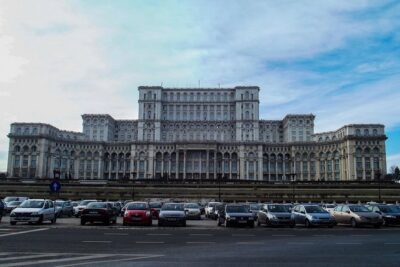
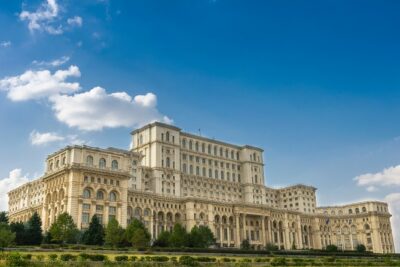
The Palace of Parliament is the most visually dramatic stop. The discussion lasts about 15 minutes, and the admission ticket is not included.
You hear the real story behind the building, including what it says about Ceausescu’s priorities and the scale of his ambitions. The structure is often treated as a curious record-breaker, but the guide puts it in a human and political setting.
The building’s sheer size is part of the lesson. Under Ceausescu, architecture became a way to project authority. Massive government spaces, broad avenues, and grand plans were meant to show control and permanence. At the same time, ordinary people faced strict limits and shortages.
You do not simply hear that the Palace of Parliament is huge. You learn why it was built, what its scale meant, and how it fits into the regime’s broader approach to the city. That context is more useful than a list of measurements.
The stop is brief, so you should not expect a full interior tour. The ticket is not included, and the experience described here focuses on the exterior and the story around it. If touring the inside is important to you, check separately for an admission option and allow extra time beyond the three-hour walk.
Antim Monastery and religion under communism
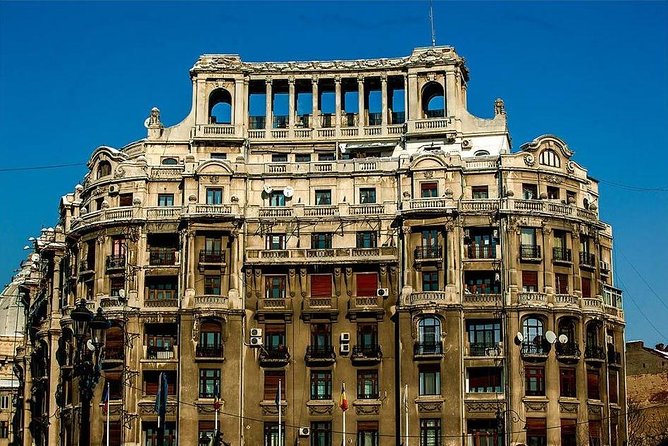
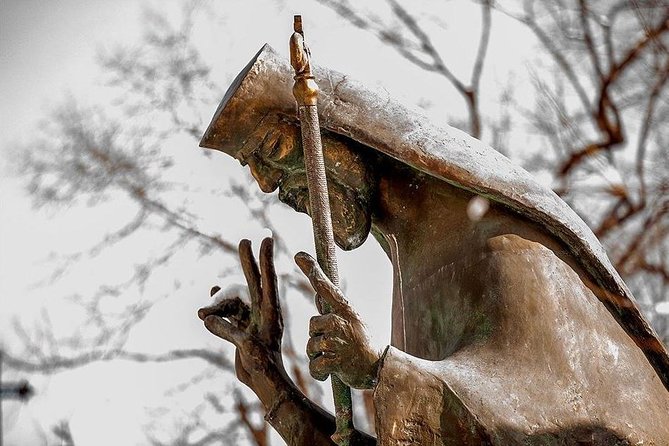
At Manastirea Antim, the tone changes. This picturesque medieval monastery provides a quieter setting for a discussion of religion under communist rule. The stop takes about 10 minutes and has no admission fee.
The contrast with Parliament is the point. One location represents the state’s grand public power. The other raises questions about older traditions, private belief, and the pressure placed on religious institutions.
You hear how religion was affected by the regime, including the uneasy relationship between official power and the churches. The stop helps you see that communist control was not limited to politics or economics. It reached into institutions that shaped Romanian identity long before the regime arrived.
Do not expect a long service, guided religious visit, or detailed art-history lecture here. The monastery is used as a setting for the wider story. You will get more from it if you pay attention to the connection between the place and the political discussion.
Same mountains, a completely different day out:
- Bucharest: Dracula’s Castle, Peles Castle, & Brasov Old Town
★ 4.5 · 17,858 reviews - Bucharest: Dracula Castle, Peles Castle & Brasov Old Town
★ 4.6 · 10,891 reviews - Bucharest: Dracula’s Castle, Peleș Castle & Brașov Day Trip
★ 4.5 · 5,919 reviews - Bucharest: Palace of Parliament Tickets and Guide
★ 4.3 · 3,182 reviews
Old Town, Caru’ cu bere, and controlled hospitality
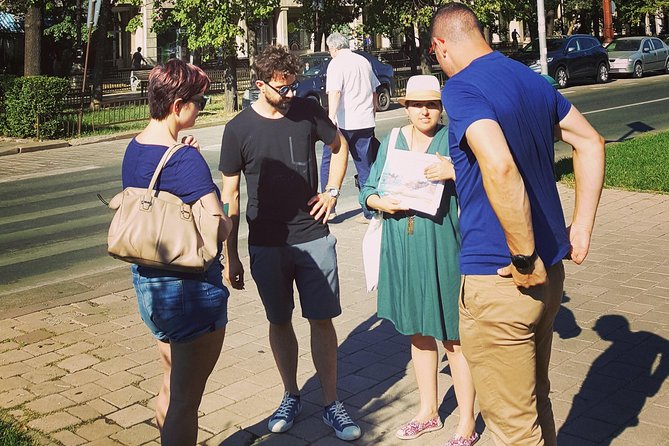
The Old Town stop lasts about 10 minutes and includes Caru’ cu bere, one of Bucharest’s best-known restaurants. Admission is free.
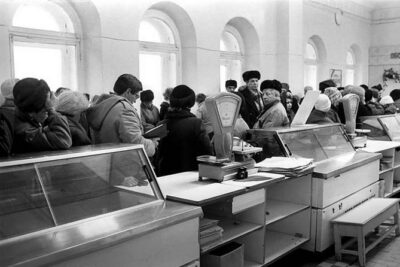
The restaurant’s role under communism gives the tour a welcome change of scale. Instead of only discussing party offices and government buildings, you look at food, hospitality, and the way the regime presented Romania to outsiders.
Caru’ cu bere served a function beyond dining. The guide explains its place in foreign policy and the way selected restaurants could help shape the image shown to visitors from abroad. That makes the stop a useful lesson in the difference between public display and private reality.
For you, this may be one of the easiest stories to remember. Food is immediate. It connects political power to what people could buy, where they could eat, and what foreign visitors were allowed to see.
The tour does not include food or drinks, so any meal at the restaurant is extra. The stop is also short. I would not book this walk expecting time for a full meal during the route. If the restaurant interests you, return later and give it proper time.
Revolution Square and the end of Ceausescu’s rule
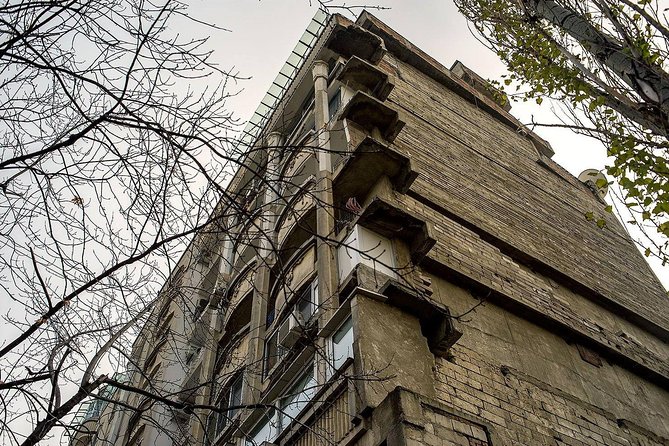
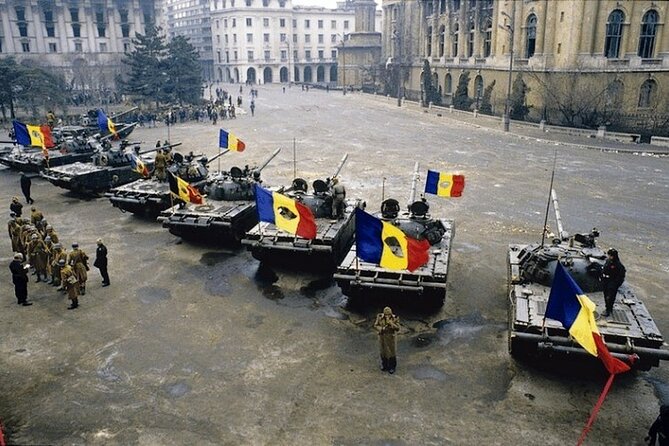
The final stop is Piata Revolutiei, or Revolution Square. The tour ends here after about 15 minutes.
This is where the story reaches its most tense point. You hear about the violent collapse of communism, Ceausescu’s downfall, and the events of 1989. The square is not just a ceremonial space. It played a direct role in the end of the regime.
The guide points out political memorials and locations connected with the uprising. You may also see bullet holes in nearby buildings, a detail that makes the events feel less distant. The tour uses the physical city to explain how protest, confusion, and violence unfolded.
The finish works well because you have already discussed the system’s beginnings, its symbols, and its effects on daily life. By the time you reach the square, the revolution is not an isolated date. It becomes the result of years of pressure, fear, shortages, and political control.
This is still a short stop, so the focus is interpretation rather than a long memorial visit. You finish at Revolution Square, which is useful if you want to continue exploring central Bucharest afterward.
The personal stories are the real advantage
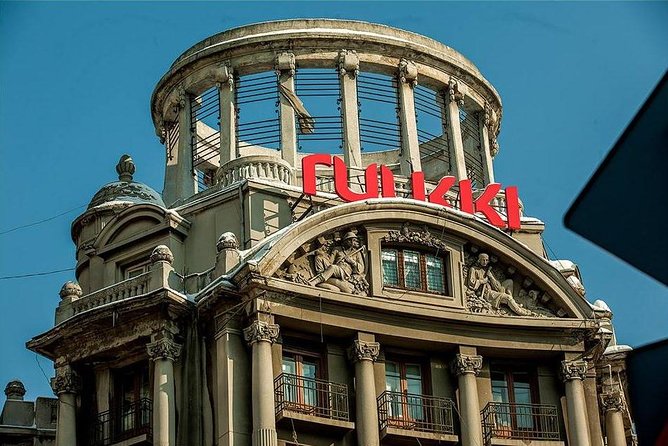
The strongest reason to choose this experience is the guiding. Cristina’s stories draw on her own experience and on memories from her parents and grandparents. Stefan and Victor also bring personal connections into the discussion on some departures.
That does not mean the tour becomes a family memoir. The personal material is used to make larger events easier to understand. A story about shopping, work, education, religion, or travel can explain a political system more clearly than a long speech about ideology.
I especially value the effort to show different sides of the period. The tour is presented as neither a blanket defense nor a simple attack on communism. You can ask about what people believed, how the state gained support, what some people saw as benefits, and what the costs were.
That approach is important because visitors often arrive with a picture formed by Cold War politics or by general ideas about Eastern Europe. Romania’s experience had its own details. A guide who can explain those details, while also answering questions about modern Romanian life, adds real value.
English clarity also matters on a walking tour. Cristina is praised for speaking clearly and for answering questions at a pace that works for the group. One guest with hearing and mobility difficulties found her especially considerate, including choosing places where it was possible to sit or lean during pauses.
Pace, group size, and practical comfort
The tour lasts about three hours and allows a maximum of 20 people. That is small enough for questions, though the feel can change depending on the actual group size.
Some departures may be very intimate. A group of two, for example, allows more time for questions and conversation. A fuller group may feel less personal, but the maximum is still manageable for a city walk.
You should wear comfortable shoes. The route moves between several central locations, and the tour includes outdoor walking rather than a vehicle transfer. One family also appreciated the guide adjusting the pace for an older parent, but you should still judge your own walking ability realistically.
The tour operates in all weather conditions, with the stated exception that poor weather can lead to a cancellation and a choice of a new date or full refund. Bring suitable clothing for the forecast. Rain did not prevent one group from enjoying the walk, but wet streets and standing outdoors can make the three hours feel longer.
The meeting point is Aleea Dealul Mitropoliei 19 in Bucharest. The tour ends at Revolution Square, not back at the starting point. That is helpful if you plan to continue sightseeing, but remember that you will need to arrange your own way back to your hotel or next stop.
There is no hotel pickup or drop-off. The meeting area is near public transportation, and mobile tickets make arrival simple. I would still arrive early, keep your phone available, and confirm the guide’s identity. One missed connection led to a serious complaint, with the guide stating that she had waited, called, and messaged before leaving after the start time.
Service animals are allowed, and most people can take part. The activity has no stated admission fees for the cathedral, monastery, Old Town, or Revolution Square, but Parliament admission is not included.
Is $42.33 a fair price?
At $42.33 per person, this is not the cheapest way to walk around central Bucharest. You can see many of these areas on your own. The price makes more sense if you want the history connected in a clear order and want a guide who can answer questions about lived experience.
You are paying for about three hours of guiding, not for entry to a major attraction, food, transportation, or a private car. That distinction is important. If you mainly want photographs of Parliament, the price may feel high. If you want to understand why the building, the monastery, the restaurant, and the revolution sites belong in the same story, the cost is easier to justify.
The tour is booked an average of 25 days ahead, so popular dates can fill well in advance. The cancellation terms are simple but strict: cancel at least 24 hours before the start for a full refund. Changes or cancellations inside that period are not accepted for a refund, except when poor weather causes the provider to cancel.
Who will get the most from this experience?
I would choose this tour if you enjoy modern European history, political change, architecture, or personal storytelling. It is especially useful early in a Bucharest visit because the guide also gives advice about other things to do and helps you read the city with more context.
It suits visitors who want nuance. You do not need prior knowledge of Romanian politics, and the guide explains the period in a way that works for first-time learners. If you already know the basic timeline, the family stories and on-site details can add depth.
It may be less suitable if you dislike walking, want a long indoor museum visit, or need a tour built around formal architectural detail. The schedule moves briskly between stops, and some locations receive only 10 to 15 minutes.
The experience also works well for families with older children, provided they are willing to listen and walk. The subject includes violence, repression, and the bloody end of the regime, so it is not a light sightseeing outing.
My booking advice
Book this tour if you want Bucharest’s communist era explained through places you can actually see. The most useful combination is the grand scale of Parliament, the quieter story at Antim Monastery, the everyday meaning of food and restaurants, and the final visit to Revolution Square.
I would book it for the first or second day of a Bucharest stay, then return to any place that deserves more time. Wear good shoes, prepare for weather, arrive early, and remember that Parliament entry, meals, and transport are extra.
Skip it if you only want a quick look at famous buildings or if you prefer to explore silently with a guidebook. For everyone else, the strong English guiding, personal Romanian viewpoints, and clear route from the rise of communism to the 1989 revolution make this a useful and fairly priced introduction to one of Bucharest’s most important stories.
FAQ
Where does the tour begin?
It begins at Aleea Dealul Mitropoliei 19, București 030167, Romania.
Where does the tour end?
The tour ends at Revolution Square, also called Piața Revoluției, in Bucharest.
How long does the tour last?
The tour lasts approximately three hours.
What language is the tour offered in?
The tour is offered in English.
Is this a walking tour?
Yes. The route connects several Bucharest landmarks on foot, so comfortable shoes are recommended.
Is admission to the Palace of Parliament included?
No. Admission to the Palace of Parliament is not included in the tour price.
Are food and drinks included?
No. Food and drinks are not included unless specifically stated.
Does the tour include hotel pickup?
No. Hotel pickup and drop-off are not included.
What happens if the weather is poor?
If the experience is canceled because of poor weather, you will be offered a different date or a full refund. The tour normally operates in all weather conditions, so dress appropriately.
What is the cancellation policy?
You can cancel up to 24 hours before the experience for a full refund. Cancellations or changes made less than 24 hours before the start time are not accepted for a refund.
Just added around Bucharest
- Winery touring & private wine tasting – one day private tour★ 5.0 · 3 reviews
- Village Museum Bucharest Guided Tour★ 5.0 · 6 reviews
- Bucharest: Dealu Mare Winery Private Trip with Wine Tasting★ 4.9 · 6 reviews
- Transylvania Tour: Dracula’s Castle, Peles Palace & Brasov★ 5.0 · 19 reviews
- Discover Medieval Transylvania Small Group Tour – 7 days★ 5.0 · 4 reviews
- Bucharest Airport Transfer To Constanta Mamaia★ 5.0 · 3 reviews
- Airport Henri Coanda (Otopeni) to Bucharest – Private Transfer – Driver★ 5.0 · 5 reviews
- Gems of Transilvania: Brasov,Sighisoara,Sibiu,Viscri and more★ 5.0 · 6 reviews
Communism & Ceausescu Tours, compared.
Communism in Bucharest – Landmarks, Museum & Communist Appetizers
Read our review →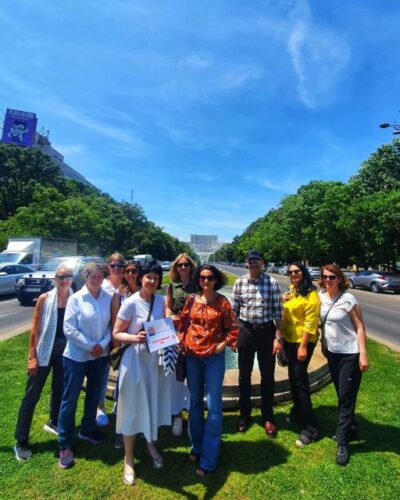
Museum of Communism Ticket with Communist Coffee
Read our review →
Dinner+Tour at Museum of Communism after closing
Read our review →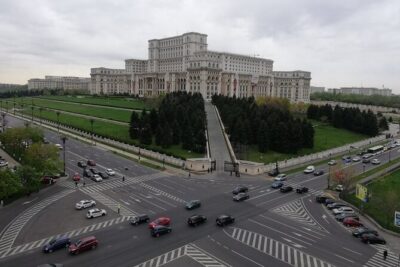
Contrasts of Communism – Small Group Walking Tour in Bucharest
Read our review →Browse the lists this tour appears in