
Reviewed · COMMUNISM & CEAUSESCU TOURS
3-Hour Guided Tour of Communist Bucharest
Bucharest’s communist past is written across its streets. This tour shows you the grand Palace of Parliament, the surviving corners of old neighborhoods, and the scars left by Ceausescu’s huge rebuilding scheme. The most striking lesson is that the city’s architectural jumble is not random: several political eras pushed Bucharest in very different directions.
I like the way the tour joins big political events to ordinary life, including shortages, forced home demolitions, and family stories. I also like the use of old photos and other visual aids, which help you picture streets before and after the communist remodelling. Guides such as Cristina have earned particular praise for making difficult material clear and human.
The main drawback is that this is a walking tour with periods of standing outdoors. On a hot day, bring water and expect the heat to matter. You will see the Palace of Parliament from outside, but entry is not part of the tour.
In This Review
- Key points at a glance
- Why Communist Bucharest needs a walking tour
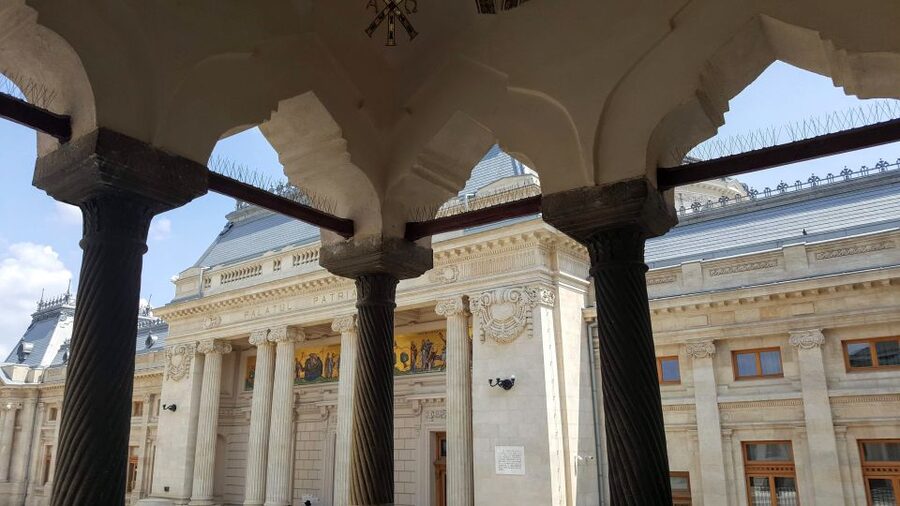
- Starting by the Patriarchy bell tower
- The violent birth of communist rule
- Reading the Palace of Parliament from outside
- Uranus and the neighborhoods that disappeared
- Surviving inter-war Bucharest
- Daily life under Ceausescu
- Following the 1989 revolution
- The café break and the pace of the walk
- How much value do you get for $29?
- Who will get the most from this tour?
- Should you book the Communist Bucharest tour?
- FAQ
- How long is the Communist Bucharest tour?
- What language is the tour conducted in?
- Where does the tour meet?
- Is entry to the Palace of Parliament included?
- Is food or drink included?
- What should I bring?
- Can I cancel the booking?
Key points at a glance
- Three hours on foot: The route links communist landmarks, revolution sites, surviving inter-war streets, and the remains of Uranus.
- A local view of Ceausescu’s Romania: Expect politics, architecture, and practical details about daily life under the regime.
- The Palace of Parliament is an exterior stop: You hear its story and see its scale, but museum or interior admission is not included.
- The 1989 revolution gets real attention: Memorials and key locations help explain how the dictatorship fell.
- Photos and personal stories add context: Cristina and other guides have used image binders, family memories, and even old communist-era snacks to make the past easier to grasp.
- Good value at $29: For three hours with a live English-speaking guide, the price is modest, especially if Romanian history is new to you.
Why Communist Bucharest needs a walking tour
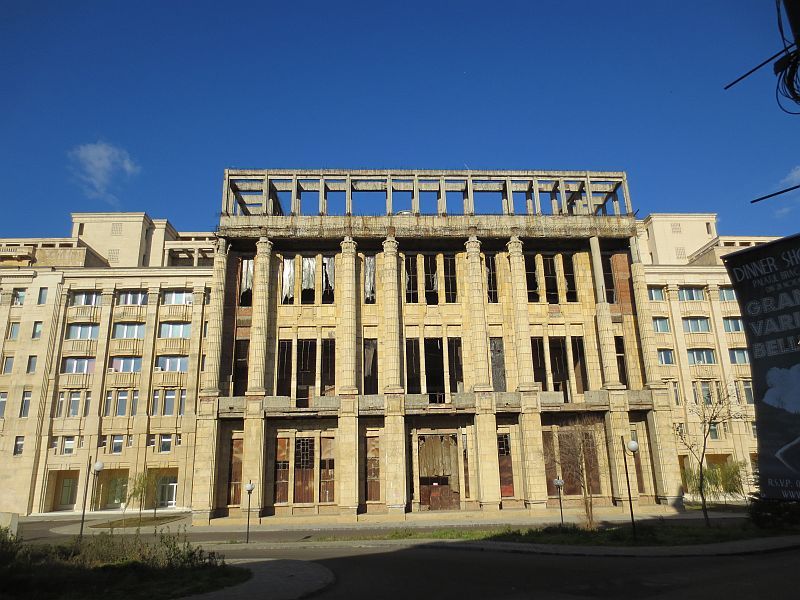
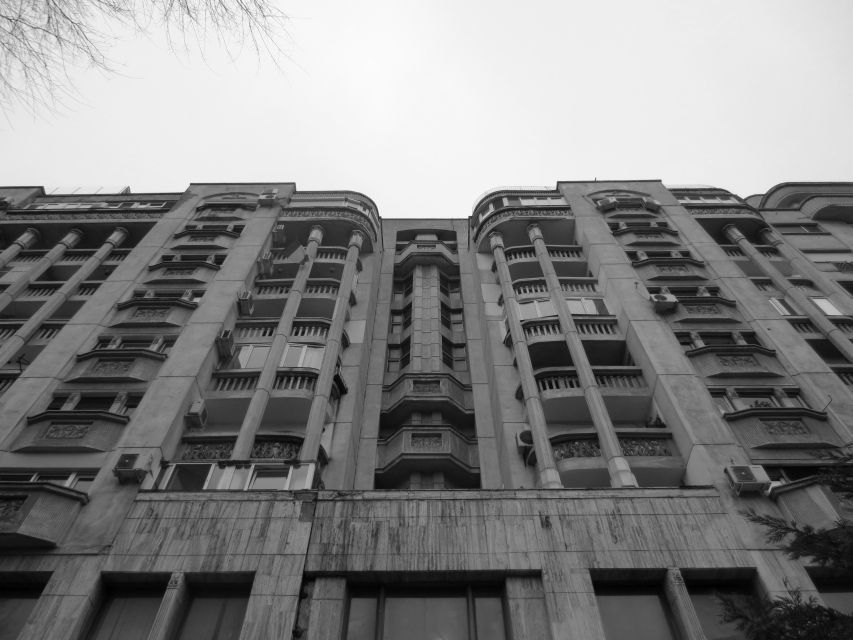
Bucharest can look confusing at first. An ornate nineteenth-century building may sit near a severe concrete block, while a quiet old lane ends at a vast government boulevard. The reason is political as much as architectural.
Before communism, Bucharest had a strong inter-war identity, with elegant villas, compact neighborhoods, and a reputation for lively urban life. After the communist takeover, the state nationalized property, controlled private life, and used large building projects to reshape the capital. Under Nicolae Ceausescu, entire areas were cleared for monumental avenues and government buildings.
A map can show you where these changes happened, but it cannot easily explain what they meant for the people who lived there. A guide can point to a surviving house and tell you what disappeared beside it. That human scale is the chief reason to take this tour early in your stay.
I would not treat it as a simple architecture walk. The buildings are the evidence, but the subject is power: who owned property, who had the right to remain, how the government presented itself, and how ordinary Romanians adapted.
More communism & ceausescu tours in Bucharest:
- The Real tour of Communism
★ 5.0 · 666 reviews - Life under Communism
★ 5.0 · 358 reviews - Bucharest Essential Tour: Old Town, Calea Victoriei & Communism
★ 5.0 · 142 reviews
Starting by the Patriarchy bell tower
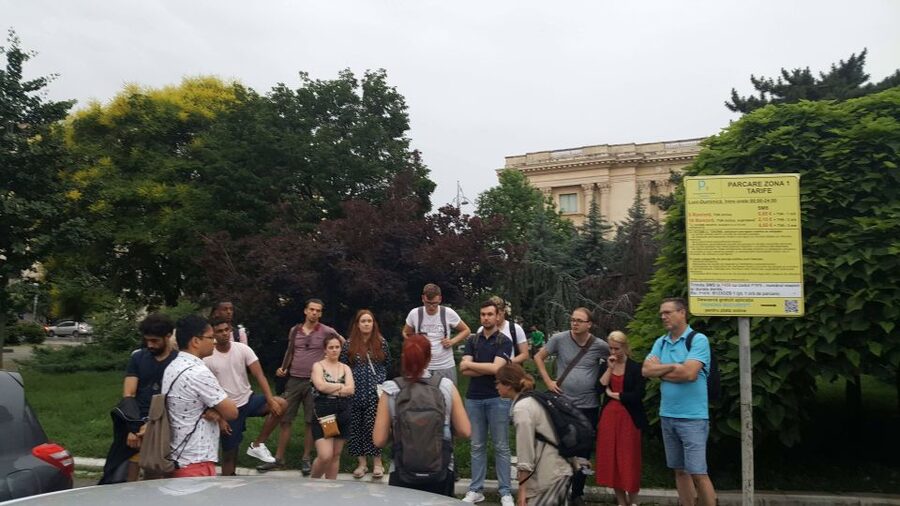
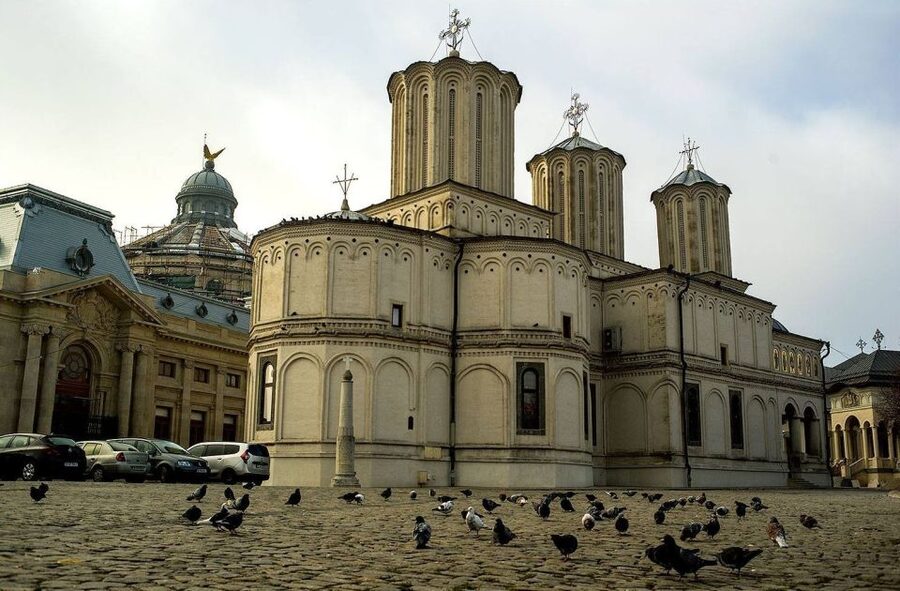
The meeting point is near the red-brick bell tower of the Patriarchy, at Aleea Dealul Mitropoliei 19, within walking distance of Piata Unirii. This is a useful place to begin because the area sits close to several major parts of central Bucharest, yet it is not the anonymous frontage of a large hotel or shopping center.
Arrive with comfortable shoes. The tour covers ground on foot, and the guide may stop at several outdoor locations while explaining photographs and events. You should also bring water, especially in warm weather. One café break comes during the route, but it is not a substitute for carrying your own drink from the start.
The exact order of the stops can vary, so think of the tour as a guided walk through connected themes rather than a fixed museum sequence. Your guide sets the pace and explains the city as the route unfolds.
The violent birth of communist rule
The tour begins with the political background needed to understand the later architecture. Romanian communism did not arrive as a harmless change of government. The story includes pressure, repression, nationalization, and the removal of private control over homes and businesses.
That background matters because Ceausescu’s building projects are easy to misunderstand. A huge boulevard or government building can look like a bold design choice if you see it only as a monument. The guide places it in the context of a state that could take property and order neighborhoods to disappear.
You will hear about the rise of Ceausescu and the role of his family, as well as the way his rule developed into a highly centralized dictatorship. The tour also covers the difference between the regime’s public image and the practical reality of life under communist rule.
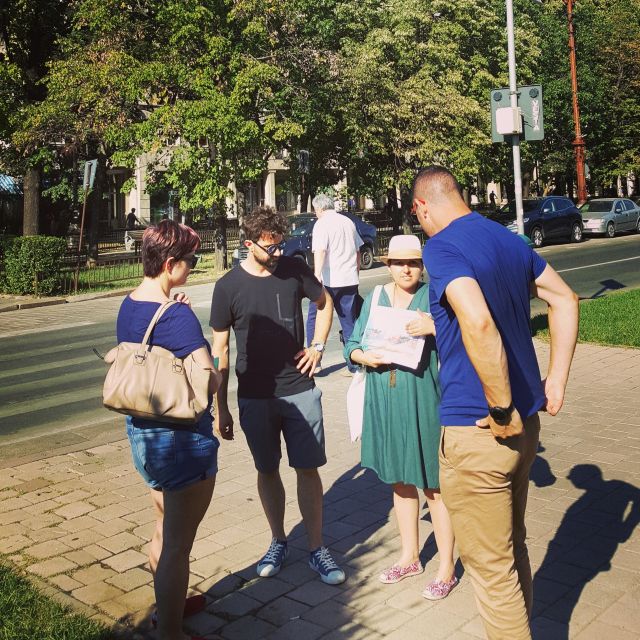
This section is not just a list of dates. Guides have used personal family anecdotes to explain how national events affected households. That approach is useful because it keeps the discussion from becoming too abstract. You are encouraged to ask questions, and the strongest guides adjust the explanation to the group rather than delivering one memorized speech.
Reading the Palace of Parliament from outside
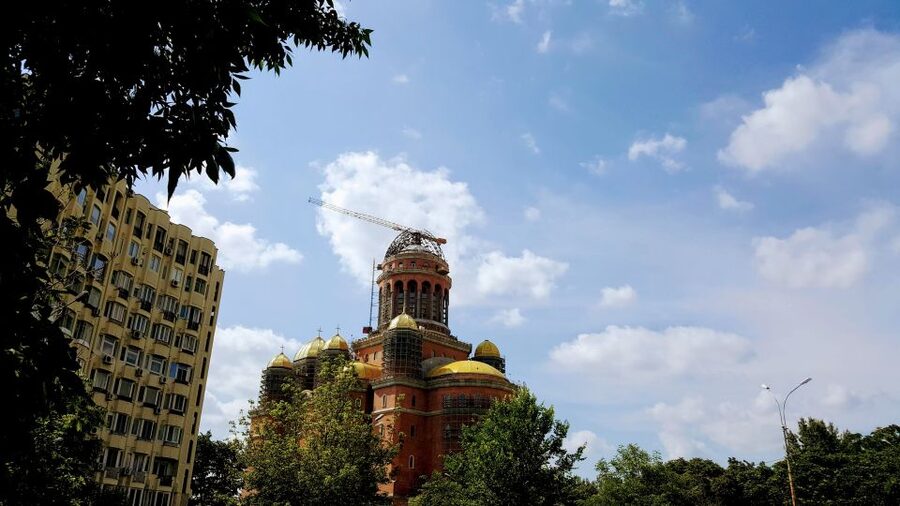
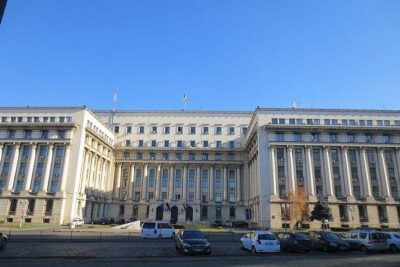
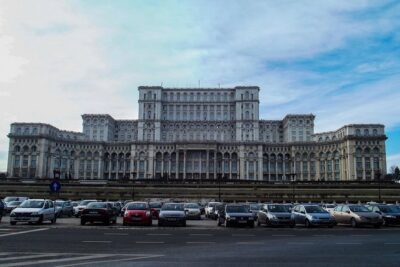
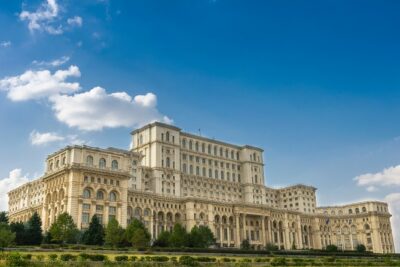
The Palace of Parliament is the tour’s most obvious landmark. Its scale is difficult to absorb from photographs. From the outside, you can see how the building and its surrounding spaces were designed to express state power.
The guide explains the Ceausescu family, the political purpose of the project, and the human cost of the urban changes around it. The important point is not simply that the building is large. It required a radical reshaping of the city, including the demolition of homes and the displacement of residents.
You do not enter the Palace of Parliament on this tour. Any museum or building fees are separate, so plan another visit if you want to see the interior. That limitation is worth knowing before you book. Still, the exterior stop works well in a three-hour walking itinerary because the building gives you a clear visual focus for the story.
I like this part best when the guide keeps the architecture tied to daily life. Without that connection, the Palace can become just another oversized attraction. With it, the building becomes a symbol of the regime’s priorities and of the gap between official grandeur and ordinary hardship.
A few more Bucharest trips to weigh up
- Bucharest: 3-Hour Dark History Tour with a Local
★ 4.9 · 301 reviews - Bucharest: Alternative Sightseeing 2.5-3h-Hour Guided Tour
★ 4.9 · 80 reviews - Bucharest: Relics of Communism 3-Hour Walking Tour
★ 4.9 · 77 reviews - Bucharest: 3-Hour Walking Tour
★ 4.9 · 77 reviews
Uranus and the neighborhoods that disappeared
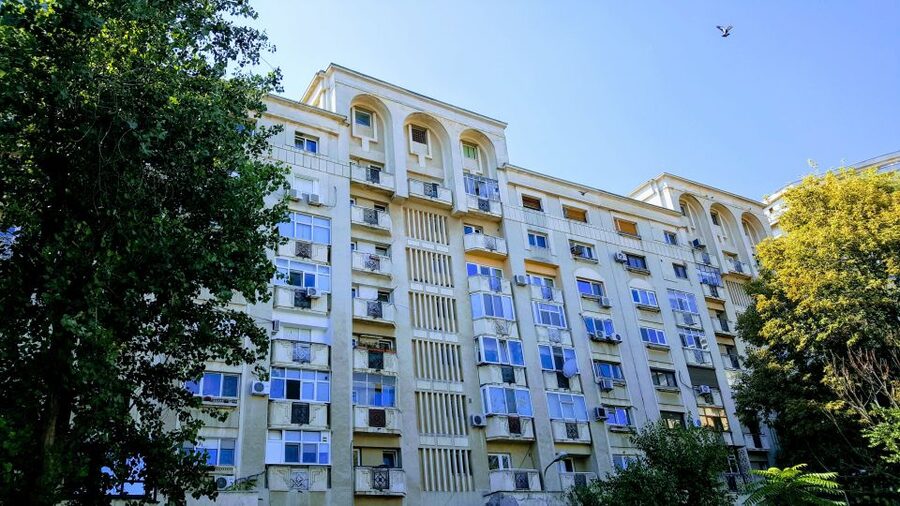
The Uranus area is among the most valuable parts of the route. The tour shows you what remains of a neighborhood affected by communist urban remodelling, then contrasts it with nearby inter-war areas that survived.
That contrast helps you see Bucharest as a city of interrupted streets. Some parts still offer the scale and charm of earlier residential districts. Other sections reveal the imposed order of broad avenues, monumental construction, and cleared land.
The guide’s old photographs are particularly useful here. A present-day street can give you only a partial sense of what once stood there. A photograph lets you compare the former houses, street patterns, and social setting with what exists now.
Do not expect a preserved historic quarter at every stop. The value lies partly in the gaps. You may see remnants, altered buildings, or an area where the original neighborhood is no longer intact. That can feel less satisfying than visiting a fully preserved monument, but it is central to understanding what the regime changed.
Surviving inter-war Bucharest
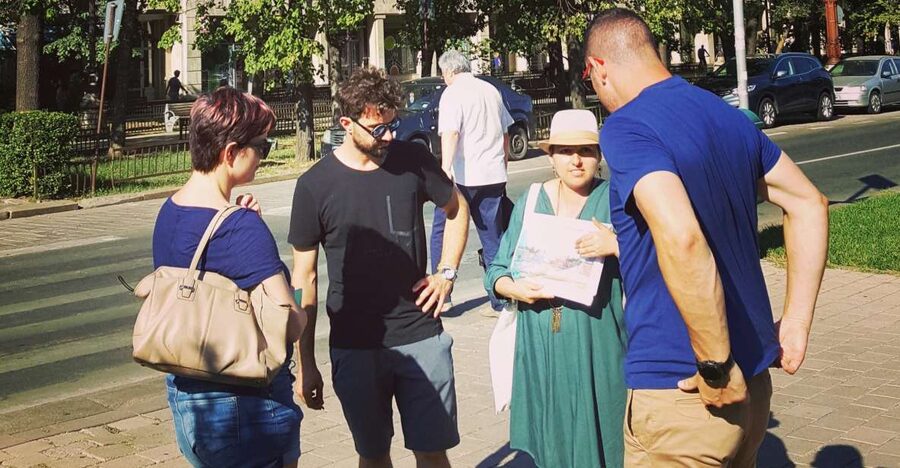
The route also visits lesser-known inter-war neighborhoods that escaped the full force of communist rebuilding. These areas provide a needed counterpoint to the monumental center.
Here, the guide can explain why Bucharest contains so many different architectural styles. The city’s older houses and streets show the character of the pre-communist capital, while later concrete structures and grand civic projects reflect the state’s attempt to create a new image.
I find these quieter areas important because they give the tour breathing room. The Palace of Parliament tells you about official power. A surviving residential street tells you how the city once worked at a more personal scale.
The inter-war sections also make the tour useful for people who want more than a narrow political history. You learn about Bucharest in general, not only the years of dictatorship. A guide may point out details that help you understand the city’s wider development and explain how different governments left visible marks.
Daily life under Ceausescu
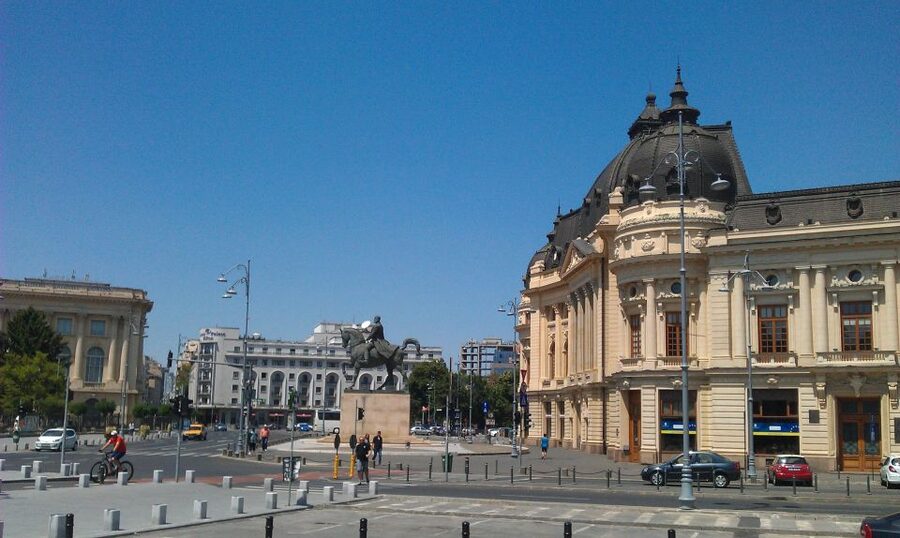
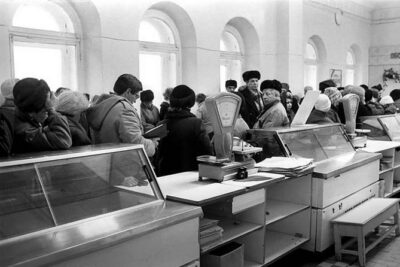
A strong communist history tour needs to explain daily life, not just leaders and buildings. This experience covers what it was like to live under the regime, including the practical restrictions and social pressures that shaped ordinary routines.
The guide’s personal and family anecdotes are a major asset here. Cristina, who has led many of the tours, has been praised for using her own family memories alongside historical information. Other guides, including Elena, Flori, Andrea, Anna, and Ene, have also been noted for clear explanations and a friendly approach.
You will hear about the distance between the official story and lived experience. Government messages presented discipline and sacrifice as virtues, while people had to manage the realities of communist Romania. The guide helps you consider several perspectives instead of reducing the era to a simple good-versus-bad script.
That balance does not mean excusing repression. It means giving you enough context to understand why people acted as they did, how memories of the period can differ, and why post-communist life is also part of the conversation. Several guides have connected the past to Bucharest after 1989, which makes the tour more useful than a backward-looking lecture.
Following the 1989 revolution
The final major theme is the anti-communist revolution and the fall of the Iron Curtain. You visit political memorials and places connected with the events of 1989, hearing how the dictatorship ended and why the transition was violent.
This section gives the earlier stops a clear ending. The demolished neighborhoods and monumental projects show how the regime imposed its vision. The revolution sites show how that vision finally met public resistance.
The tour presents the revolution as a serious and complicated event, not a neat celebratory finale. The description emphasizes its bloody character, and the guide can connect the public scenes with the wider story of Ceausescu’s fall.
If modern European history is unfamiliar to you, this may be the point where the whole tour comes together. Romania’s experience was not identical to that of every other Eastern European country. Seeing the actual places in Bucharest helps you understand why the transition remains such a strong part of the city’s memory.
The café break and the pace of the walk
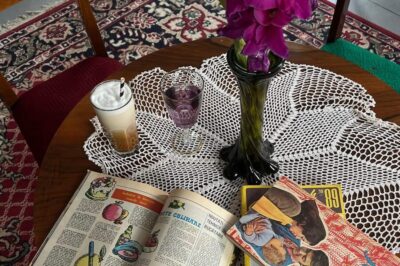
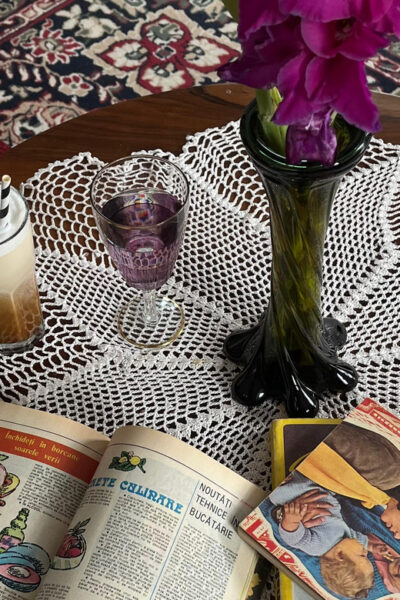
A short café stop breaks up the three-hour route. You pay for your own coffee, drinks, or extra snacks, while small snacks are included as part of the activity. In at least one tour, Cristina brought an old communist-era snack for the group to try, which added a simple, tangible link to the subject. Treat that as a guide-dependent touch, not a guaranteed feature.
The break is useful for more than refreshment. It gives you a chance to sit, ask follow-up questions, and compare impressions with the rest of the group. On a long warm walk, that pause can make the difference between staying focused and fading out.
The pacing has generally been flexible. Guides have adjusted to the group, answered many questions, and found shade on sunny days. Still, you may stand outdoors during explanations, and one piece of practical advice is especially sensible: bring water and do not wear shoes that you would avoid for a normal city walk.
How much value do you get for $29?
At $29 per person, this is a strong-value introduction to Bucharest’s twentieth-century story. You receive three hours with a live English-speaking guide, a route through several parts of the city, historical interpretation, and a café break. Hiring a private guide would cost more, while exploring the same subjects alone would require careful reading and advance research.
The value depends on your interest. If you mainly want interiors, this is not the right choice because the Palace of Parliament is viewed from outside and museum fees are not included. If you want a clear explanation of why Bucharest looks the way it does, the price is easier to justify.
The tour also saves you from treating the Palace as an isolated sight. You see it alongside Uranus, surviving inter-war districts, memorials, and revolution locations. That wider frame is what turns a famous building into a lesson about the city.
Free cancellation up to 24 hours before the start gives you some flexibility, and you can reserve without paying immediately. Check the available starting time when booking, since the tour lasts three hours and includes outdoor walking.
Who will get the most from this tour?
I would recommend it to first-time visitors who want a useful introduction to Bucharest beyond the Old Town. It suits history-minded people, architecture fans, and anyone curious about how dictatorship changes a city.
It is also a good choice if you have limited time. Three hours is long enough to cover the main themes without taking an entire day. The English presentation is designed for an international audience, and guides have answered questions in clear, accessible language. One guide even explained the material in nearly perfect Spanish for a participant who did not speak English, though English is the stated tour language and other languages are not guaranteed.
Families can enjoy it if children or teenagers are old enough to engage with serious political history. The storytelling and photos help keep the subject moving, but the tour does address repression, demolished homes, and deaths during the revolution. It is not a light sightseeing stroll.
You may want another activity instead if you dislike walking, standing, or difficult historical subjects. Hot weather also deserves attention. Choose comfortable shoes, carry water, and use the café stop as a real rest rather than rushing through it.
Should you book the Communist Bucharest tour?
Book it if you want to understand the city’s sharp contrasts instead of simply photographing them. The combination of the Palace of Parliament, Uranus, saved inter-war neighborhoods, revolution sites, photos, and personal stories gives you a strong three-hour framework.
The best guide match may be Cristina, whose style combines clear history, humor, family anecdotes, and visual material. But guide assignments can vary, and the other named guides have also delivered warm, engaging tours.
Skip it if your priority is entering major buildings or seeing Bucharest without much walking. For everyone else, $29 buys context you are unlikely to gain by wandering alone. Take it near the beginning of your Bucharest visit, carry water, and leave room for questions. You will look at the city differently afterward.
FAQ
How long is the Communist Bucharest tour?
The tour lasts three hours.
What language is the tour conducted in?
The live tour guide speaks English.
Where does the tour meet?
The meeting point is near the red-brick bell tower of the Patriarchy at Aleea Dealul Mitropoliei 19, București 030167, Romania. It is within walking distance of Piata Unirii.
Is entry to the Palace of Parliament included?
No. The tour visits the Palace of Parliament from outside. Interior or museum fees are not included.
Is food or drink included?
Small snacks are included. Drinks and snacks purchased at the café during the break are at your own expense.
What should I bring?
Bring comfortable shoes. Water is also a sensible choice, particularly on sunny or hot days.
Can I cancel the booking?
Yes. You can cancel up to 24 hours in advance for a full refund. You can also reserve now and pay later.
Just added around Bucharest
- Village Museum Bucharest Guided Tour★ 5.0 · 6 reviews
- Bucharest: Dealu Mare Winery Private Trip with Wine Tasting★ 4.9 · 6 reviews
- Winery touring & private wine tasting – one day private tour★ 5.0 · 3 reviews
- Transylvania Tour: Dracula’s Castle, Peles Palace & Brasov★ 5.0 · 19 reviews
- Bucharest Airport Transfer To Constanta Mamaia★ 5.0 · 3 reviews
- Airport Henri Coanda (Otopeni) to Bucharest – Private Transfer – Driver★ 5.0 · 5 reviews
- Discover Medieval Transylvania Small Group Tour – 7 days★ 5.0 · 4 reviews
- Gems of Transilvania: Brasov,Sighisoara,Sibiu,Viscri and more★ 5.0 · 6 reviews
Communism & Ceausescu Tours, compared.
Communism in Bucharest – Landmarks, Museum & Communist Appetizers
Read our review →
Museum of Communism Ticket with Communist Coffee
Read our review →
Dinner+Tour at Museum of Communism after closing
Read our review →Browse the lists this tour appears in