
Reviewed · COMMUNISM & CEAUSESCU TOURS
Bucharest: Dinner+Tour at Museum of Communism after closing
Bucharest’s Museum of Communism becomes your dining room after closing. You tour the exhibits with an English-speaking guide, then sit down to Romanian food served on old plates and cups from the communist era. I like the unusual mix of history and supper, and I like that the guides add family stories rather than sticking to a dry timeline. The main consideration is that this is not suitable for wheelchair users.
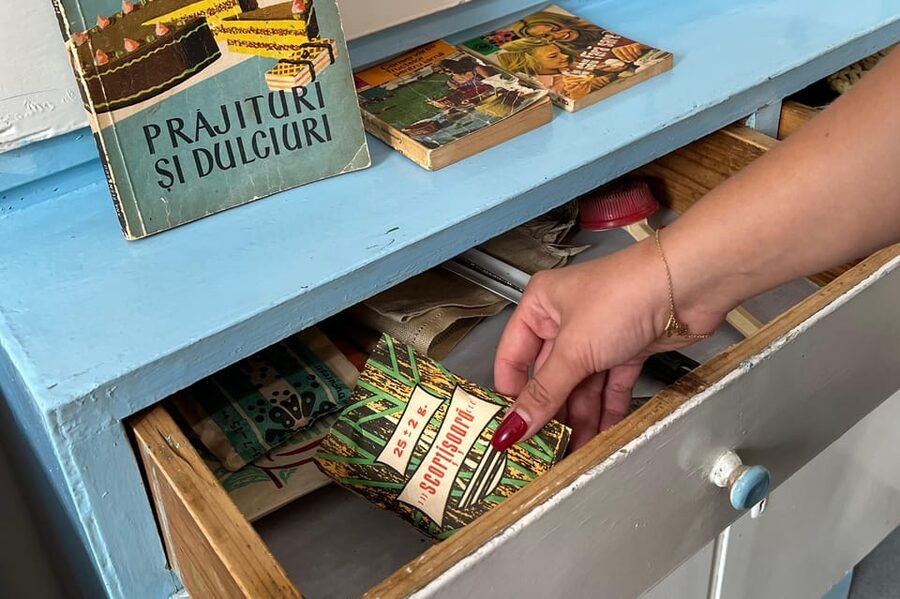
I also like the chance to handle parts of the collection. You can try vintage clothes, play music on a turntable and cassette player, and open secret drawers. The meal is generous and home-style, but the main dish changes with availability, so you are choosing the experience more for its setting and cultural context than for a fixed restaurant menu.
In This Review
- Key points to know
- Why this Bucharest evening feels different
- Starting with palinka at the café-bar
- The opening history of Romanian communism
- Everyday objects instead of grand monuments
- A Romanian meal served in communist-era style
- Food as a window into Romanian life
- Time to handle the exhibits after the tour
- What the $55 price includes
- Who should book this evening
- Practical details before you go
- Should you book the Museum of Communism dinner?
- FAQ
- How long does the Museum of Communism dinner tour last?
- What language is the tour offered in?
- Where does the experience begin?
- What food is included?
- Which drinks are included?
- Can I request dietary accommodations?
- Can I interact with the museum exhibits?
- Is the activity suitable for wheelchair users?
- Can I cancel for a refund?
Key points to know
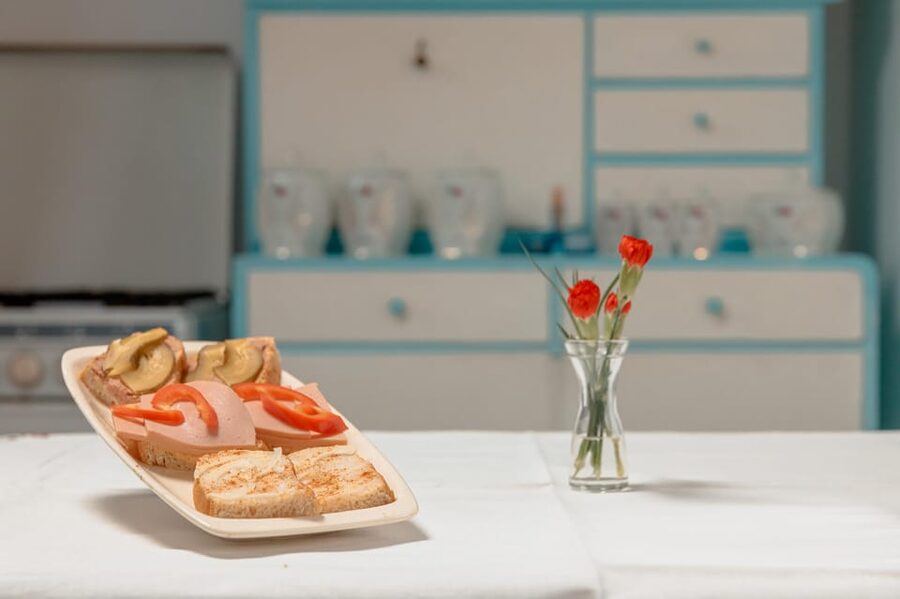
- Dinner inside a museum after closing: You eat in a recreated communist-era living room, surrounded by everyday household objects.
- Personal stories from Romanian guides: Guides such as Catalina, Katerina, Ana, Ali, and Octavia connect national events with family life.
- A three-part food experience: Expect traditional starters, a changing main dish, homemade sweets, and included drinks.
- Hands-on exhibits: Try vintage clothing, listen to records and cassettes, and inspect secret drawers.
- Strong value at $55: The price covers entry, a full guided tour, food, a traditional liquor, a soft drink, and beer or wine.
- English-language evening: The experience lasts 2.5 hours and begins at the museum café-bar.
Why this Bucharest evening feels different
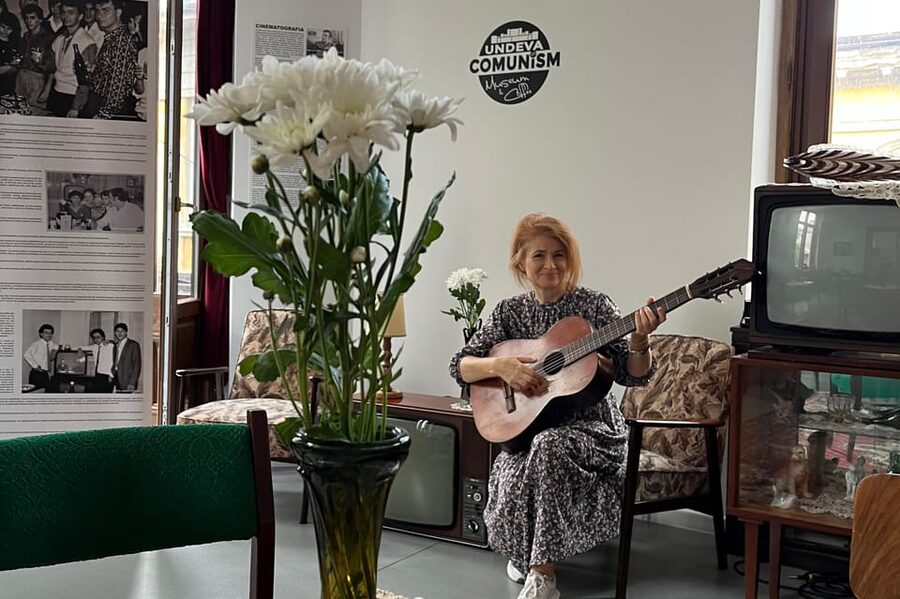
Many city museums ask you to look quietly, take a few pictures, and leave. This one takes a more domestic approach. The museum presents Romanian communism through the objects of ordinary home life, then lets you sit down among those objects for a meal.
That change in pace matters. A timeline can explain when communism began and ended. A plate, cassette player, kitchen item, or piece of clothing can help you think about how people actually lived. You are not only hearing about political systems. You are considering shopping, cooking, entertainment, family routines, and the small choices people made at home.
The subject is serious. Romania’s communist period included shortages, political control, restricted freedom, and major social change. The tour starts with the international setting that helped bring communism to Romania, then moves through a general timeline of the era. The guide combines those facts with family anecdotes, giving the evening a personal voice.
That personal side is one of the strongest reasons to book. Guides including Catalina, Katerina, Ana, Ali, and Octavia have led this experience, and the guide you receive may vary. The important point is the format: an English-speaking Romanian guide explains the period while sharing stories connected to family life and the revolution.
More communism & ceausescu tours in Bucharest:
- The Real tour of Communism
★ 5.0 · 666 reviews - Life under Communism
★ 5.0 · 358 reviews - 3-Hour Guided Tour of Communist Bucharest
★ 4.9 · 303 reviews
Starting with palinka at the café-bar
You begin at the museum café-bar, where you should enter and tell the staff about your reservation. The opening drink is part of the welcome: a glass of traditional palinka or cherry liqueur, with water, soda, or espresso available according to your preference.
Palinka is a strong Romanian fruit spirit, so take it slowly if you are not used to it. Cherry liqueur gives you a gentler alternative. This first drink also sets the tone for the evening. You are not being rushed through a standard museum entry. You are being introduced to Romanian food and drink before the historical tour begins.
The included package also covers one soft drink and one alcoholic drink, either beer or a glass of wine. Other drinks can be bought at the bar. If you want several extra drinks, plan for an additional charge, since only the listed drinks are included.
The opening history of Romanian communism
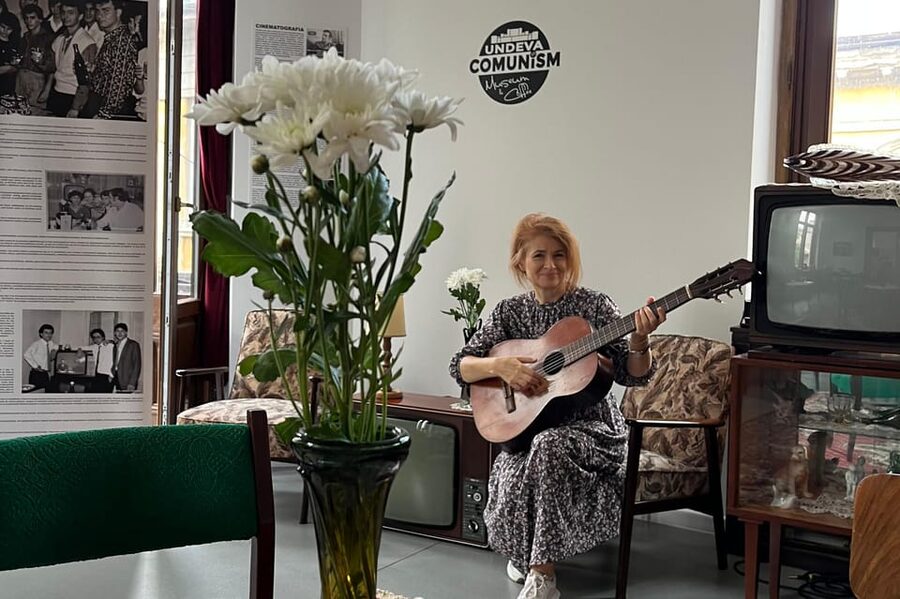
The guided tour begins with a short explanation of the international conditions that led to communism taking hold in Romania. From there, the guide gives you a timeline and a broad picture of the era.
This opening is useful if you know little about Romania’s twentieth-century politics. It gives you a basic framework before the discussion turns to personal experiences and household objects. If you already know the major events, the family stories and food connections will probably be the more interesting part.
The guide’s role is especially important here. A museum display can show you an object, but it cannot always explain how that object fitted into daily life. The guides add context through anecdotes about relatives and life during the communist period. Several visitors have found the conversation as valuable as the formal tour, especially when they had questions about Romania’s past and present.
The tone is educational but not stiff. You can ask questions during dinner and continue the conversation after the main tour. That makes this a good choice if you prefer a discussion over a quick walk through labeled displays.
Everyday objects instead of grand monuments
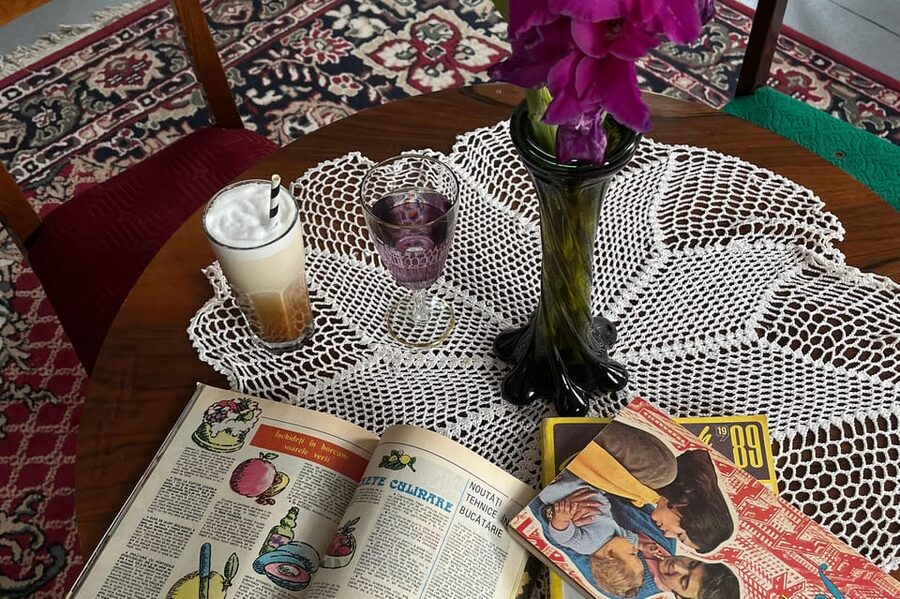
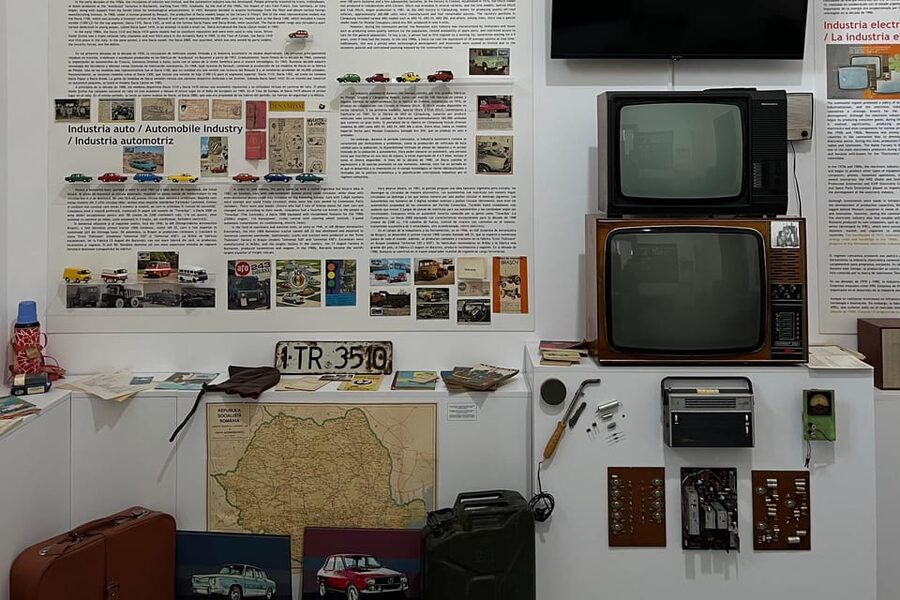
The museum focuses on the complete communist period through an interactive space. The appeal is not grand architecture or famous works of art. It is the chance to see how a normal family might have lived.
You can examine household items and other objects connected with the period. The exact details of every display are not specified, so it is best to expect a broad collection rather than a fixed checklist of artifacts. What is clear is that you are encouraged to interact with the space after the official museum hours.
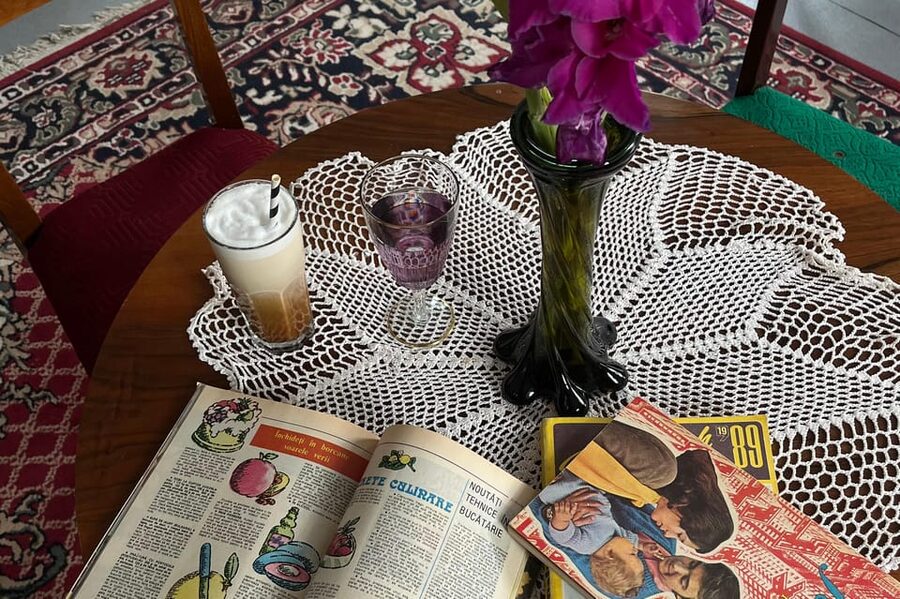
You may try on vintage clothes, listen to music on a turntable and cassette player, and look through secret drawers. These activities are simple, but they turn the museum from a place you pass through into a place you explore. Families and curious adults will likely enjoy this freedom, while visitors looking for a formal art museum may find the approach less traditional.
The after-hours timing adds to the atmosphere. You have the interactive museum space to yourself during the dinner experience, with no normal closing-time rush. The program is built around using the exhibits, not merely photographing them.
A few more Bucharest trips to weigh up
- Bucharest: Dinner at the Museum of Communism & tour after closing
★ 5.0 · 24 reviews - Bucharest Evening Tour and Traditional Dinner
★ 4.5 · 19 reviews - Bucharest Evening Tour and Traditional Dinner – 3 hours
★ 5.0 · 9 reviews - Bucharest: VIP Dining, Limo ride & Clubbing
★ 4.7 · 3 reviews
A Romanian meal served in communist-era style
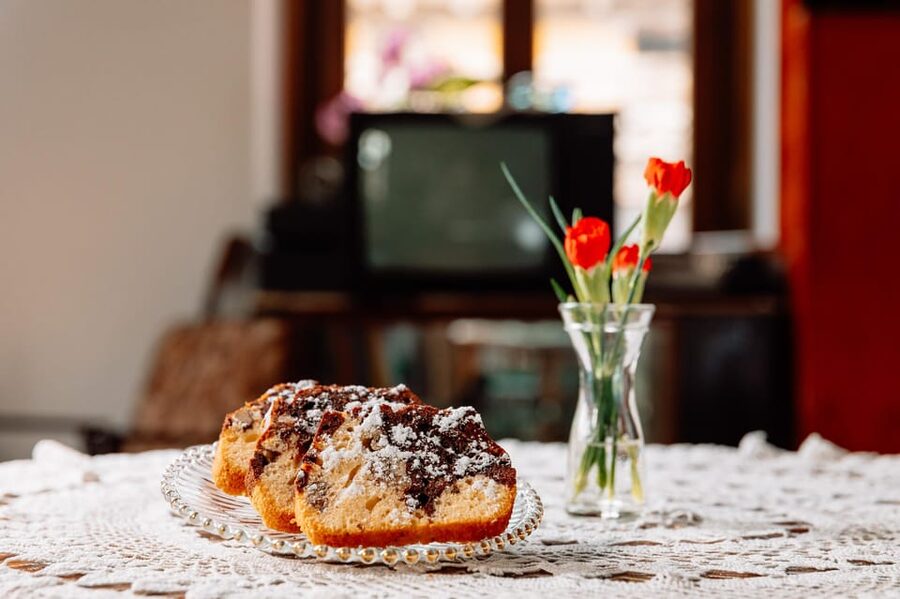
After the guided portion, dinner is served in the museum living room. The setting recreates an ordinary communist-era home, and the food is presented on old plates and cups from that period.
The meal includes traditional cold starters such as meats, cheese, and vegetable spreads. The main course varies according to availability, so you will not be choosing from a fixed menu. Dessert consists of typical homemade sweets rather than restaurant-style pastries.
That distinction is important. This is not a polished fine-dining meal designed around presentation. It is meant to show the sort of food connected with Romanian homes and the communist period. The guide explains where the dishes come from and how they are traditionally prepared, turning dinner into another part of the museum lesson.
The food has received especially strong praise. It is described as plentiful, tasty, and home-cooked, with one dinner prepared by the guide’s husband and mother also receiving special appreciation. You should expect a family-style meal, not a tasting menu with tiny portions.
Dietary needs should be mentioned when you book. Gluten-free options have been provided, but you should not assume every restriction can be handled unless you tell the provider in advance. Since the main dish depends on availability, asking about your dietary needs early is sensible.
Food as a window into Romanian life
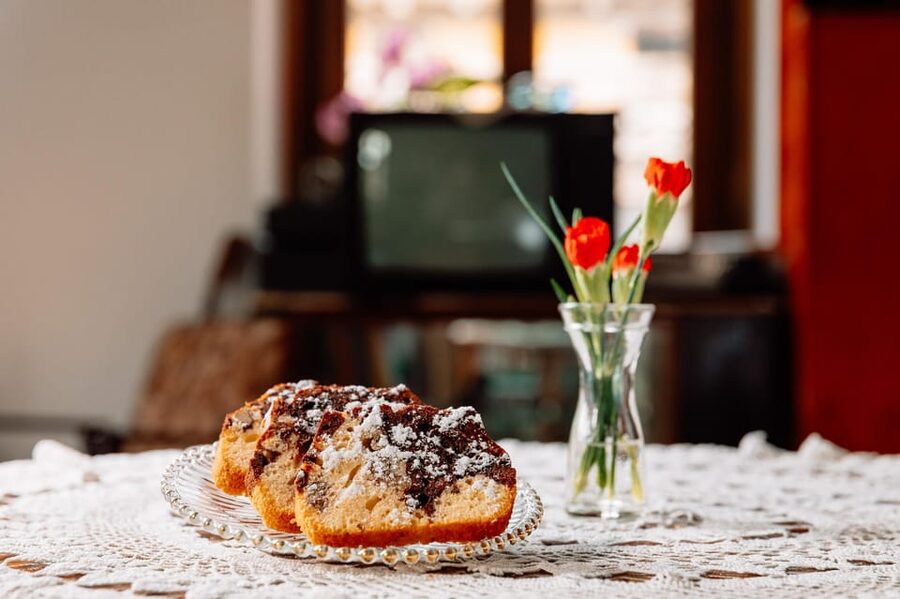
The best part of the dinner is not simply eating Romanian dishes. It is learning how food changed during communism.
Food can tell you about supply, money, family habits, and social pressure. The guide explains the background of the dishes and discusses changes in Romanian gastronomy during the communist period. That gives you a more grounded view of the era than politics alone.
You can ask how a dish was traditionally cooked, why certain foods became common, or how home cooking differed from what people might find in a restaurant today. The meal creates a natural reason to keep talking. You are seated in the living room where the tour has taken place, with the objects around you acting as conversation starters.
The dessert is part of this idea. You are not served only a modern Romanian restaurant favorite. The sweets are intended to feel more like homemade food from the period. For me, this makes the meal a cultural lesson with plates and cutlery, not just a convenient dinner attached to a museum ticket.
Time to handle the exhibits after the tour
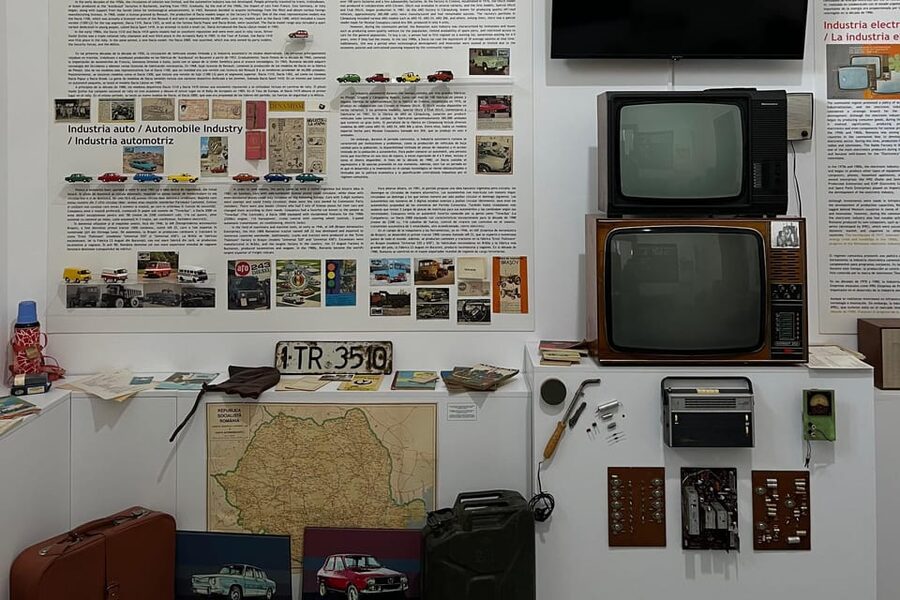
Once the guide has explained the main displays, you have time to explore and interact with the museum objects. This is where the evening becomes more relaxed.
You can try vintage clothing, listen to music on a record player and cassette player, and open secret drawers. Those small actions help you picture leisure and home life during the era. They also give you something to do while continuing the conversation with the guide or the other people in your group.
This portion may be especially appealing if you are traveling with someone who does not usually enjoy museums. There is more to do than read wall text, and the guide can answer questions as you go. It also suits solo visitors, since the dinner provides a natural setting for conversation and meeting other people.
The tradeoff is that the experience is interactive by design, not quiet or highly formal. If you want to move through a museum alone at your own pace, this guided evening may feel more structured. If you like asking questions and touching approved objects, it offers much more than a standard admission ticket.
What the $55 price includes
At $55 per person, the cost is reasonable if you would otherwise pay separately for a museum entry, a guided tour, and a traditional Romanian meal. The price includes the museum ticket, the English-language tour, starters, a changing main dish, homemade sweets, one soft drink, one traditional liquor, and beer or wine.
You are also paying for the after-hours format and the guide’s time around the dinner table. That is the part a normal museum ticket cannot provide. The setting, food explanations, and family anecdotes give the evening a clear purpose beyond sightseeing.
The value depends on your priorities. If you want a cheap dinner, you can eat elsewhere for less. If you want a formal restaurant meal with a guaranteed menu, this is not the right comparison. But if you want one activity that combines Romanian history, food, conversation, and hands-on exhibits, $55 covers a lot in 2.5 hours.
Extra drinks are not included. Keep that in mind if you plan to stay at the bar or order more wine, beer, or spirits.
Who should book this evening
I would recommend this experience to first-time visitors who want help understanding Romania’s communist past. It is also a strong choice for anyone who prefers local food and personal conversation to a standard sightseeing route.
History lovers will appreciate the timeline and political context. Food-focused visitors will enjoy the explanation of traditional dishes and the way gastronomy changed during communism. Solo visitors may like the shared dinner and easy conversation, while families and groups can have fun with the clothing, music, and drawers.
It is less suitable if you need step-free access, since wheelchair users cannot take part. It may also disappoint you if you expect a fixed menu, luxury dining, or a purely academic lecture.
The guides are a major part of the experience, and the names that appear most often include Catalina, Katerina, Katarina, Ana, Ali, and Octavia. Since guide assignments can change, book this for the format and subject rather than a promise of one specific person unless the provider confirms your guide.
Practical details before you go
The experience lasts 2.5 hours, and you should check the available starting times before booking. Enter directly and tell the staff at the bar that you have a reservation.
The tour is offered in English. Mention dietary restrictions in advance, especially because the main course varies. Included drinks are limited to the stated selection, while additional drinks can be purchased separately.
Free cancellation is available up to 24 hours before the start for a full refund. You can also reserve now and pay later, which helps if you are still arranging your Bucharest plans.
Should you book the Museum of Communism dinner?
Book it if you want Romanian history explained through ordinary life, family memories, and food. The combination is unusual, and the after-hours access gives you time to handle the interactive displays instead of simply walking past them.
The strongest reasons are the personal guide-led storytelling, the plentiful home-style dinner, and the chance to sit in a recreated communist living room using period-style plates and cups. At $55, it is good value for a full meal, museum entry, drinks, and 2.5 hours of guided time.
Skip it if you need wheelchair access, want a fixed restaurant menu, or prefer museums without conversation and participation. For most curious visitors to Bucharest, though, this is a thoughtful way to understand how a major political era shaped ordinary Romanian homes.
FAQ
How long does the Museum of Communism dinner tour last?
The experience lasts 2.5 hours.
What language is the tour offered in?
The guided tour is offered in English.
Where does the experience begin?
Enter the museum directly and inform the staff at the café-bar about your reservation.
What food is included?
The meal includes traditional starters such as cold meats, cheese, and vegetable spreads, a main dish that varies with availability, and homemade-style Romanian sweets.
Which drinks are included?
You receive one soft drink, one traditional liquor, and one alcoholic drink, either beer or a glass of wine. Other drinks are available for purchase at the bar.
Can I request dietary accommodations?
Yes. You should mention any dietary restrictions when booking. Gluten-free options have been provided.
Can I interact with the museum exhibits?
Yes. After the guided tour, you can try vintage clothes, listen to music on a turntable and cassette player, and look through secret drawers.
Is the activity suitable for wheelchair users?
No. The experience is not suitable for wheelchair users.
Can I cancel for a refund?
You can cancel up to 24 hours in advance for a full refund. Reserve now and pay later is also available.
More Museums in Bucharest
- Bucharest: Museum of Senses Entry Ticket
★ 4.2 · 364 reviews - Communism in Bucharest – Landmarks, Museum & Communist Appetizers
★ 5.0 · 111 reviews - Bucharest: Entry ticket at the Museum of Communism
★ 4.6 · 57 reviews - Bucharest: Museum of Communism Ticket with Communist Coffee
★ 4.6 · 52 reviews
More Dining Experiences in Bucharest
- Probably the Best Restaurant and Wine Cellar near Bucharest
★ 4.5 · 3 reviews
Just added around Bucharest
- Village Museum Bucharest Guided Tour★ 5.0 · 6 reviews
- Bucharest: Dealu Mare Winery Private Trip with Wine Tasting★ 4.9 · 6 reviews
- Winery touring & private wine tasting – one day private tour★ 5.0 · 3 reviews
- Transylvania Tour: Dracula’s Castle, Peles Palace & Brasov★ 5.0 · 19 reviews
- Bucharest Airport Transfer To Constanta Mamaia★ 5.0 · 3 reviews
- Airport Henri Coanda (Otopeni) to Bucharest – Private Transfer – Driver★ 5.0 · 5 reviews
- Discover Medieval Transylvania Small Group Tour – 7 days★ 5.0 · 4 reviews
- Gems of Transilvania: Brasov,Sighisoara,Sibiu,Viscri and more★ 5.0 · 6 reviews
Communism & Ceausescu Tours, compared.

Communism in Bucharest – Landmarks, Museum & Communist Appetizers
Read our review →

Museum of Communism Ticket with Communist Coffee
Read our review →
Contrasts of Communism – Small Group Walking Tour in Bucharest
Read our review →Browse the lists this tour appears in