
Reviewed · COMMUNISM & CEAUSESCU TOURS
Bucharest Communism: From Lenin to Ceausescu
Bucharest’s communist past is written into its widest boulevard, its vastest building, and the churches and neighborhoods that were swept away to make room for them. This 2.5-hour walking tour follows that story from the Palace of the Parliament to Revolution Square, where Ceausescu’s rule ended in violence.
I like the way the route joins big political events to ordinary life, including food rationing, long shortages, and the reach of the secret police. I also like that guides such as Alex and Horia bring humor and personal explanation to a difficult subject. The main drawback is simple: you do not go inside the paid attractions, and the tour covers a lot of ground on foot.
In This Review
- Key points to know before you book
- Starting beneath Ceausescu’s grand boulevard
- The Palace of the Parliament and the cost of ambition
- Antim Monastery and the older city beneath the plan
- The Patriarchal Cathedral and power in public life
- Unirii Square and the fountains
- Old Town, University Square, and the city beyond monuments
- The Royal Palace and Romanian Athenaeum
- The hard facts of life under Romanian communism
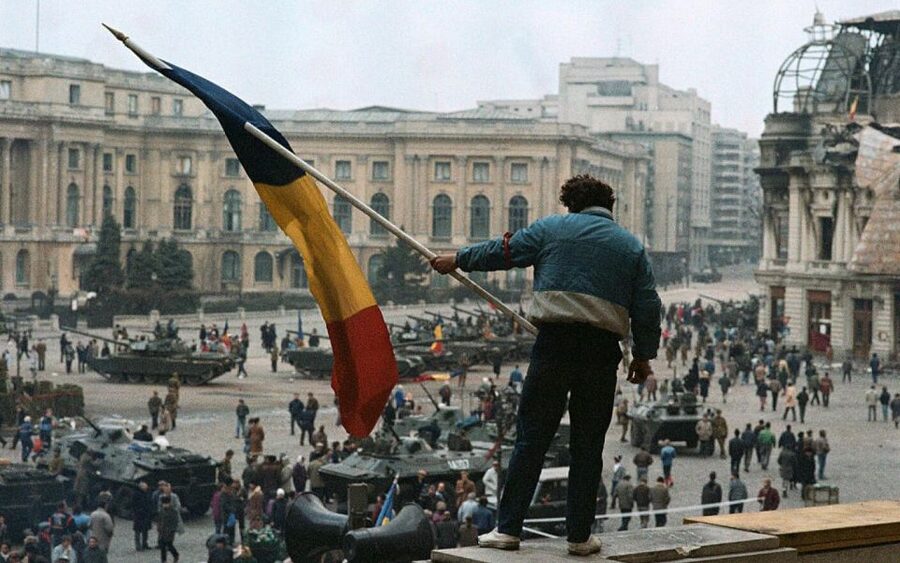
- Revolution Square and the final days of Ceausescu
- How the $23 price works for your day
- Who should book this Bucharest history walk?
- Should you book it?
- FAQ
- How long does the Bucharest Communism tour last?
- What is the price?
- Where does the tour begin?
- Where does the tour finish?
- What languages are available?
- Are entrance tickets included?
- What should I know before arriving?
Key points to know before you book
- A route from power to collapse: Walk from the Palace of the Parliament to Revolution Square, following the physical path of Ceausescu’s rule.
- The price is modest: At $23 per person, you pay for a live guide and a focused history lesson, while entrance tickets, food, and drinks cost extra.
- Daily life gets real attention: Learn about a 2,000-calorie daily target, monthly food allowances, and the role of the secret police.
- The route is more than communist monuments: Antim Monastery, the Patriarchal Cathedral, Old Town, University Square, and the Romanian Athenaeum add useful context.
- Guides make the difference: Alex and Horia are named guides associated with this experience, with English and Romanian offered.
- Plan for a walking lesson: Arrive 10 minutes early at the Coffee shop Constitutiei near Bulevardul Unirii 5, and wear sensible shoes.
Starting beneath Ceausescu’s grand boulevard
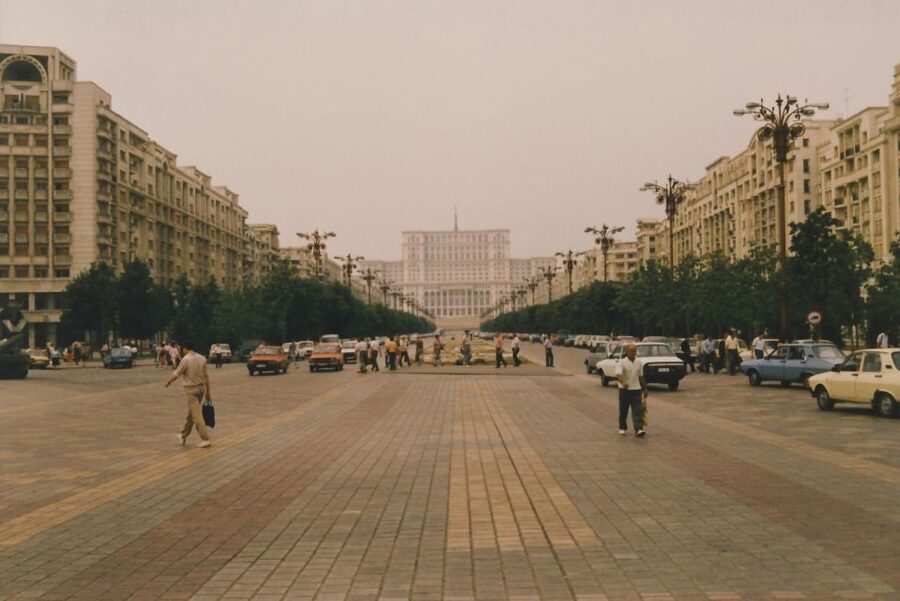
The meeting point is next to The Coffee shop Constitutiei, at Bulevardul Unirii 5. This puts you beside the Socialist Victory Boulevard, a grand avenue created as part of Ceausescu’s last major urban project.
The opening location matters. You are not starting with a general city introduction and slowly working toward communism. You begin in the middle of the political statement itself: a broad axis designed to frame state power and lead the eye toward the Palace of the Parliament.
I find this an effective way to begin because the scale does some of the explaining before the guide says a word. You can see how the city was reshaped to serve an idea of authority. The guide then supplies the human cost and political background behind that grand plan.
The tour’s title reaches from Lenin to Ceausescu, so the discussion is not limited to one dictator. You get the setting for communist ideology, the Bolshevik Revolution, and the way political theory moved into government. One particularly strong part of the explanation begins with Hegel, Marx, and Engels, then places communism beside the feudal systems of eastern Europe.
That broader frame helps you understand why Romania did not simply wake up one morning under Ceausescu. The guide connects ideology, revolution, political control, and local conditions before turning to the dictator himself.
More communism & ceausescu tours in Bucharest:
- The Real tour of Communism
★ 5.0 · 666 reviews - Life under Communism
★ 5.0 · 358 reviews - 3-Hour Guided Tour of Communist Bucharest
★ 4.9 · 303 reviews
The Palace of the Parliament and the cost of ambition
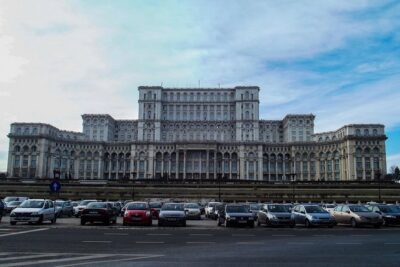
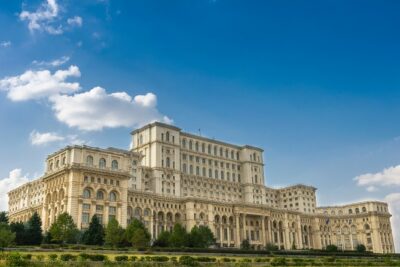
The Palace of the Parliament is the headline sight. It is described as the second largest administrative building in the world, and the route gives you around 20 minutes for guided sightseeing around this enormous symbol of state power.
Do not expect an interior visit as part of the $23 fee. Entrance tickets are not included, so this section is an exterior explanation rather than a full palace tour. That distinction matters if your main aim is to see the halls and rooms inside the building.
The guide focuses on how the palace and the boulevard came to be. Three neighborhoods and about 40,000 households were demolished for the project. Those figures turn the building from a remarkable photo stop into evidence of forced urban change.
I like this approach because it puts architecture in its proper place. The palace is not just large. It represents a government willing to remove homes, streets, churches, and established communities to create a new ceremonial center.
You also learn about Ceausescu’s background and rise to power. His early life was poor, and the path from that background to the highest office in Romania gives the guide a useful way to discuss ambition, political loyalty, and the concentration of authority.
The building can be hard to grasp from a quick photograph. A guide helps you read its position, scale, and purpose. Still, anyone hoping for a long architectural tour should know that this is one portion of a much wider route.
Antim Monastery and the older city beneath the plan
The next stop is Antim Monastery, with about 10 minutes for a guided visit and sightseeing. This is a useful change of pace after the palace.
The monastery represents an older Bucharest, one shaped by religious buildings, local communities, and streets that were not designed as a single political vista. Its place on the route helps you see what the communist rebuilding program threatened or removed.
I appreciate stops like this because they keep the tour from becoming a parade of communist-era monuments. Bucharest did not begin with socialism, and the city’s earlier religious and civic life helps explain what was being displaced.
The visit is brief, so you should not expect a long study of the monastery’s architecture or religious history. Its value here is mainly historical contrast. You see an older layer of the city, then hear how the later regime treated space as something the state could reorder.
The Patriarchal Cathedral and power in public life
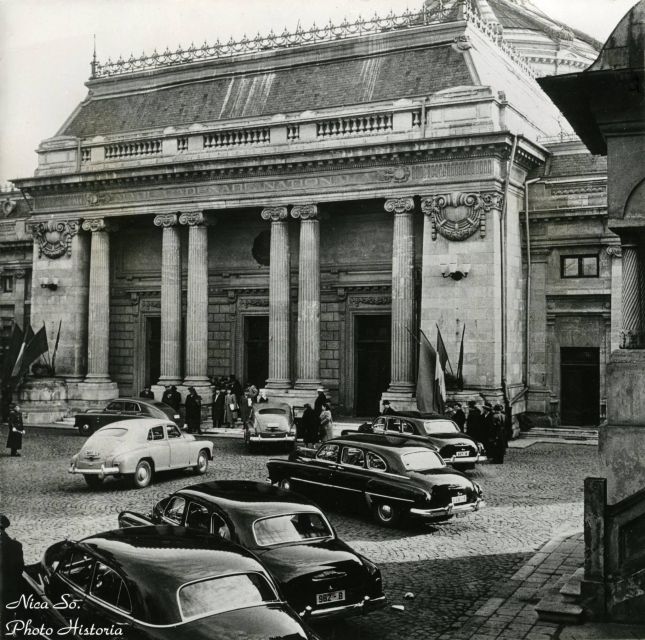
The Patriarchal Cathedral follows, with roughly 20 minutes for a visit, guided sightseeing, and walking. Along with Antim Monastery, it adds a religious dimension to a tour often focused on state control.
This stop gives the guide a chance to explain how Romanian society was shaped before communist rule. That context is important because the regime did not govern an empty stage. It inherited institutions, beliefs, class structures, and established centers of public life.
The cathedral also helps you consider the complicated place of religion under a communist government. The experience data does not promise a separate lecture on every aspect of church policy, so I would treat this as part of the wider story rather than a specialist religious tour.
The route is becoming a real walking circuit by this point. You move between major sights instead of sitting in a bus, which lets you notice the relationship between old buildings, broad roads, and modern Bucharest. The tradeoff is that time at each stop is limited.
Same mountains, a completely different day out:
- Bucharest: Dracula’s Castle, Peles Castle, & Brasov Old Town
★ 4.5 · 17,858 reviews - Bucharest: Dracula Castle, Peles Castle & Brasov Old Town
★ 4.6 · 10,891 reviews - Bucharest: Dracula’s Castle, Peleș Castle & Brașov Day Trip
★ 4.5 · 5,919 reviews - Bucharest: Palace of Parliament Tickets and Guide
★ 4.3 · 3,182 reviews
Unirii Square and the fountains
The Bucharest Fountains and Piața Unirii take only a few minutes each, but they are important visual stops. The fountains belong to the monumental city created during the communist period, while Unirii Square shows the scale of the boulevard system.
A guide can make this section more useful than a simple photo break by explaining how public space served the regime. Large open areas could host official ceremonies, displays of loyalty, and carefully managed images of national unity.
The short timing also tells you how to use the tour. You are not getting a detailed fountain presentation or a long pause in every square. Instead, the guide is building a connected story, with each location offering one piece of the political and urban picture.
Old Town, University Square, and the city beyond monuments
The walk continues through Bucharest’s Old Town for about 15 minutes. This section shifts the mood again. Cafes, historic streets, and lively urban activity make it easier to picture the city as a place where ordinary life continued under an official system.
The tour’s focus remains political history, not restaurant recommendations or a full Old Town orientation. Still, this stop gives you a useful contrast with the planned avenues and state buildings. You see a less formal, more human scale of Bucharest.
At University Square, the guide spends around five minutes on another key urban space. Its importance comes from the way public squares can become political stages. By now, you have seen where the regime displayed power. University Square helps prepare you for the places where public opposition could gather.
You should expect short walking explanations rather than long periods inside buildings. The itinerary includes guided sightseeing and walking, but no entrance tickets. If you want to explore Old Town or the university area in detail, save time for a separate visit.
The Royal Palace and Romanian Athenaeum
The Royal Palace of Bucharest receives about 10 minutes, followed by another 10 minutes at the Romanian Athenaeum. These stops widen the story beyond communism and show the city’s political and cultural life before, during, and after the dictatorship.
The Royal Palace offers a useful reminder that Romania had a monarchy before communist rule. That matters because Ceausescu’s government presented its system as a complete replacement for the past, while the city still carried visible traces of earlier institutions.
The Romanian Athenaeum adds a cultural note. Its presence on the route suggests that the tour is interested not only in government buildings but also in the institutions that gave Bucharest its public identity.
I like this middle section because it prevents a narrow reading of the city. You are not asked to see every old building as decoration around the communist story. Instead, the route shows how different political eras overlap in the same streets.
Again, the time is limited. Ten minutes is enough for an explanation and an exterior look, not a full museum visit or concert hall tour. Entrance fees are not included, so check separately if you want to go inside any site.
The hard facts of life under Romanian communism
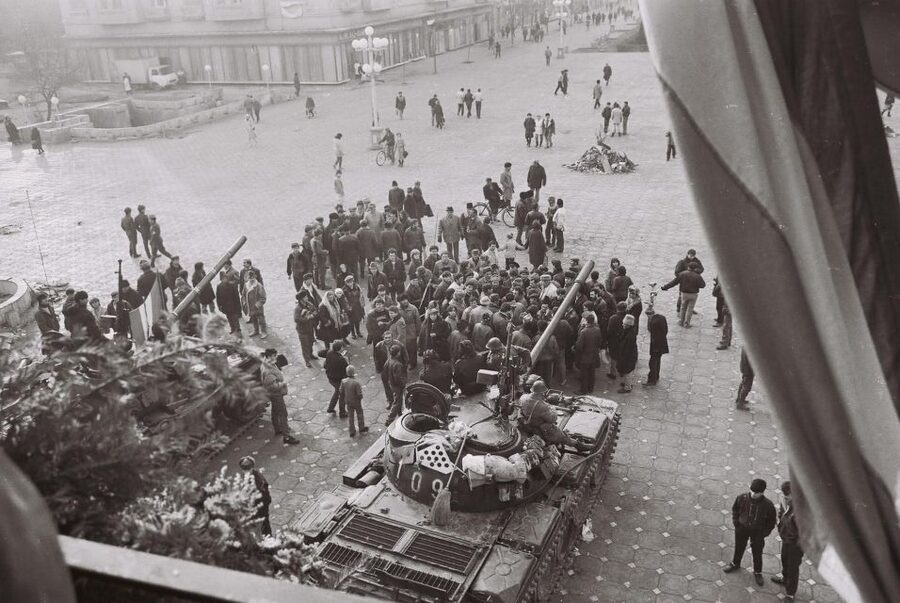
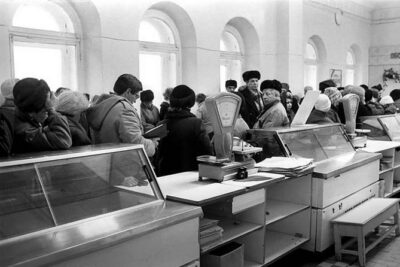
The strongest part of the experience for many visitors will be the section on daily life. The guide explains the pressure of rationing, including a stated target of 2,000 calories per day and monthly allowances of 500 grams of cheese, 10 eggs, and 1.5 kilograms of meat.
These numbers are more useful than vague descriptions of hardship. They give you a concrete sense of how food was controlled and how ordinary shopping became part of political life. A history lesson becomes easier to understand when it reaches the kitchen table.
The guide also covers the secret police and the wider machinery of control. This is where the tour moves beyond buildings and dates. You learn how an authoritarian government shaped speech, fear, access to goods, and daily choices.
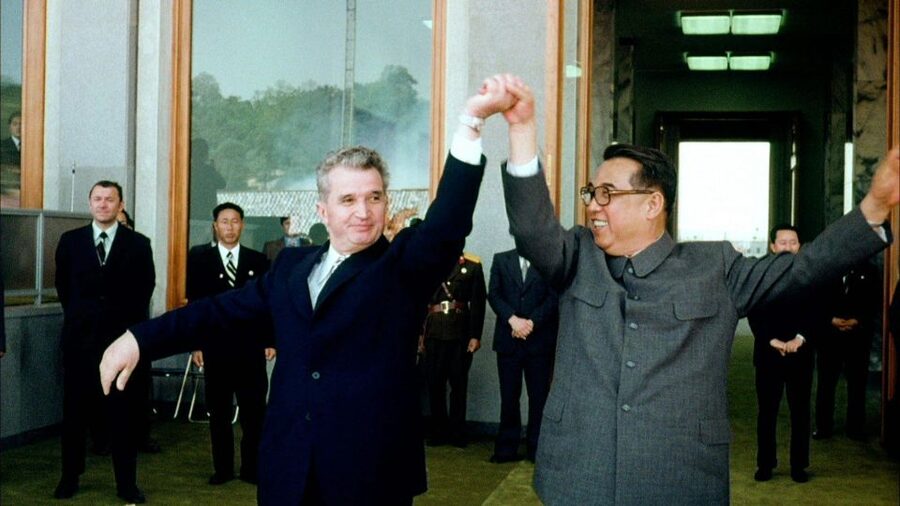
The experience presents Ceausescu’s regime as one of the most oppressive communist governments in the Eastern Bloc. It also draws a comparison with the Kim dynasty in North Korea, particularly in the way personality cult and extreme control surrounded the leader.
You should expect a serious account, but the guides are also described as using humor well. That balance matters. Alex is associated with an engaging, funny presentation that explains difficult history in a digestible way, while Horia is praised for combining a friendly manner with detailed political context and useful book recommendations.
The tour also mentions four classes, six years in prison, and 25 years of dictatorship. These figures form part of the story of Ceausescu’s political life and the wider experience of repression. Your guide can connect them rather than leaving them as isolated facts.
Revolution Square and the final days of Ceausescu
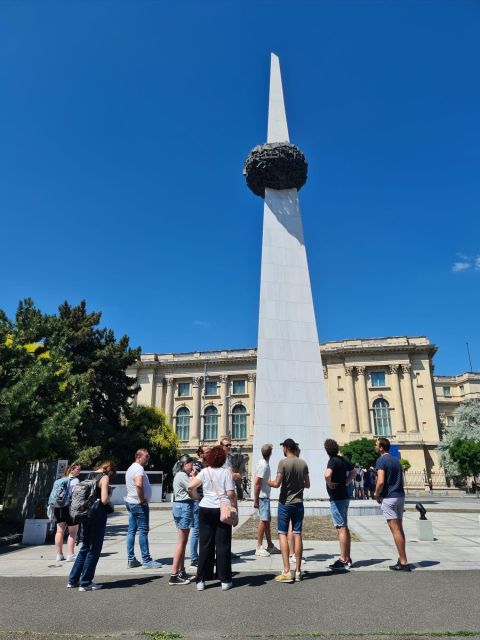
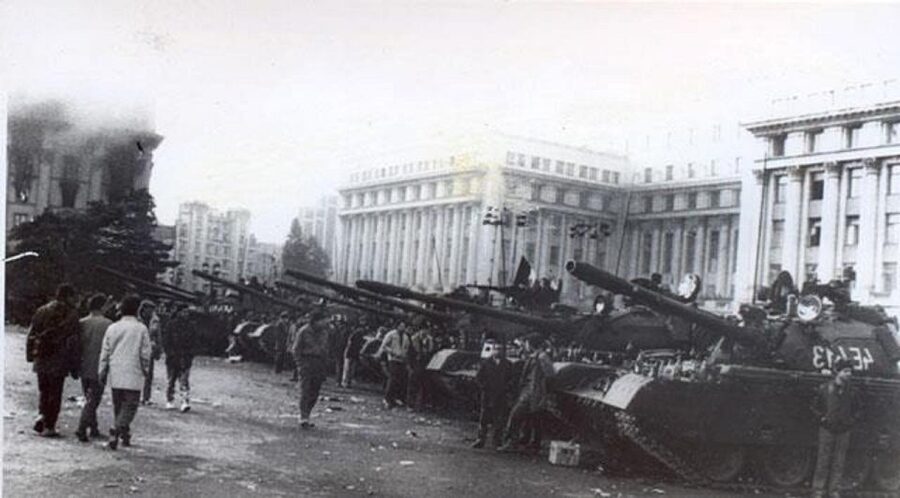
The route ends at Revolution Square, with around 20 minutes for the final guided section. This is the emotional and political payoff of the walk.
Here the guide explains the last days of Ceausescu’s rule, the revolution, the trial, and the execution. The discussion centers on the group of agitators who plotted the end of the regime and on the events that brought the dictatorship to a sudden close.
I find it useful that the tour ends here instead of returning to the palace. The route has moved from the regime’s grand public image to the place where that image broke apart. You finish with the collapse of power, not just its construction.
The revolution section is also where the guide’s storytelling matters most. Several accounts of the experience single out the ending as a favorite part, because it brings together the political background, the city locations, and the personal stakes of 1989.
Do not expect a detached list of dates. The aim is to understand how a dictatorship that had controlled so much could unravel so quickly. The final stop leaves you with questions about protest, fear, leadership, and what happens when public obedience gives way.
How the $23 price works for your day
At $23 per person, this is good value if you want a guided introduction to Bucharest’s communist past. You receive 2.5 hours with a live guide in English or Romanian, covering major political sites and a wide stretch of the central city.
The price does not include food, drinks, or entrance tickets. That keeps the basic cost low, but you should budget separately if you plan to enter the Palace of the Parliament or another paid attraction.
I see the main value in the guide rather than the sightseeing alone. You can walk past the palace, cathedral, fountains, and squares without understanding how they connect. A strong guide turns them into chapters of one story.
The tour has earned a 4.9 rating from 41 reviews, and the repeated praise focuses on clear explanations, humor, interaction, and the ability to answer questions. Alex and Horia are especially well liked by name. Guide assignment can vary, so book for the subject and format rather than expecting one specific person.
Who should book this Bucharest history walk?
I would recommend it to you if you want political history tied to real streets and buildings. It suits first-time Bucharest visitors who need context, as well as people already interested in totalitarian governments, Eastern European history, or the 1989 revolutions.
It also works well if you prefer a live explanation to watching documentaries alone. One participant described learning more in 2.5 hours than from many documentaries, which points to the value of being able to ask questions and follow the guide’s connections.
You should think twice if you want a relaxed sightseeing stroll with long stops, indoor visits, or plenty of free time for photographs. The route is packed, and the walk includes many locations. It is a history tour that happens to move through the city, not a leisurely architecture walk.
Arrive 10 minutes early at the meeting point. Since the experience is on foot and includes outdoor sightseeing, comfortable shoes and weather-ready clothing are sensible choices, even though no special equipment is listed.
Should you book it?
Book this tour if you want to understand why Bucharest looks the way it does and how ordinary people lived under Ceausescu. The route gives you the palace, the demolished neighborhoods, food rationing, state control, and the final scenes at Revolution Square in one compact lesson.
Skip it if you mainly want interiors or a broad introduction to every part of Bucharest. For $23, though, the combination of a live English or Romanian guide, a strong central route, and a clear focus on the dictatorship is hard to fault. I would choose it early in a Bucharest visit, then return to the sights that deserve more time.
FAQ
How long does the Bucharest Communism tour last?
The tour lasts 2.5 hours.
What is the price?
The listed price is $23 per person.
Where does the tour begin?
Meet next to The Coffee shop Constitutiei at Bulevardul Unirii 5.
Where does the tour finish?
The tour finishes at Revolution Square.
What languages are available?
The live guide conducts the tour in English or Romanian.
Are entrance tickets included?
No. Entrance tickets are not included. Food and drinks are also excluded.
What should I know before arriving?
Please arrive 10 minutes before the activity begins. You can cancel up to 24 hours in advance for a full refund, and the reserve now, pay later option lets you book without paying immediately.
Just added around Bucharest
- Bucharest: Dealu Mare Winery Private Trip with Wine Tasting★ 4.9 · 6 reviews
- Winery touring & private wine tasting – one day private tour★ 5.0 · 3 reviews
- Village Museum Bucharest Guided Tour★ 5.0 · 6 reviews
- Transylvania Tour: Dracula’s Castle, Peles Palace & Brasov★ 5.0 · 19 reviews
- Discover Medieval Transylvania Small Group Tour – 7 days★ 5.0 · 4 reviews
- Bucharest Airport Transfer To Constanta Mamaia★ 5.0 · 3 reviews
- Airport Henri Coanda (Otopeni) to Bucharest – Private Transfer – Driver★ 5.0 · 5 reviews
- Gems of Transilvania: Brasov,Sighisoara,Sibiu,Viscri and more★ 5.0 · 6 reviews
Communism & Ceausescu Tours, compared.
Communism in Bucharest – Landmarks, Museum & Communist Appetizers
Read our review →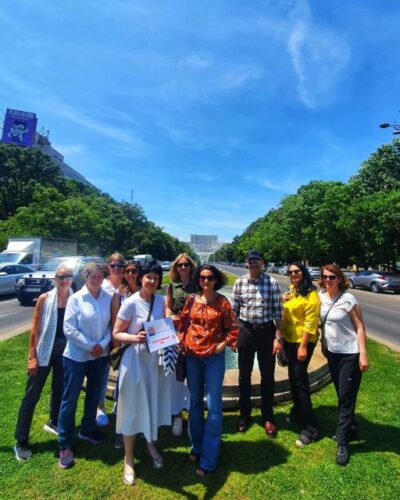
Museum of Communism Ticket with Communist Coffee
Read our review →
Dinner+Tour at Museum of Communism after closing
Read our review →Browse the lists this tour appears in