
Reviewed · COMMUNISM & CEAUSESCU TOURS
Bucharest: Dinner at the Museum of Communism & tour after closing
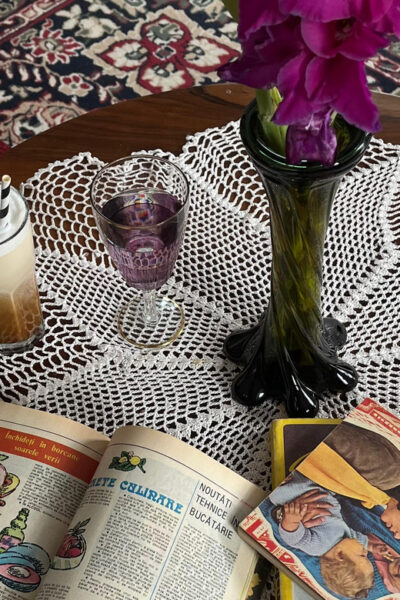
Bucharest’s Museum of Communism is not a glass-case museum. You can touch the exhibits, try on old clothes, drink from period cups, and sit down to eat in a Communist-era living room. I like the personal scale of the experience, with a maximum of 12 people, and I like that guides such as Alexandra, Catalina, Katerina, and Ali use family stories to explain how the era shaped daily life.
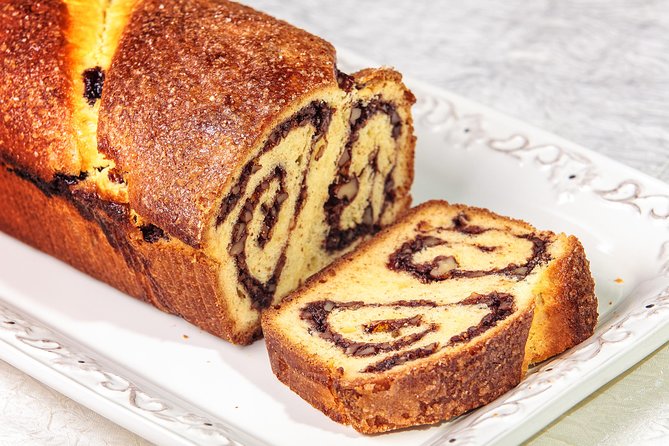
The dinner adds something most history tours lack: time for an honest conversation over food. The Romanian starters, traditional dishes, unusual homemade desserts, wine, and palinca make this feel more like a meal with a local host than a standard museum visit. One consideration is important, though: the meal has not matched every diner’s idea of a full dinner, particularly when the main course was not substantial.
In This Review
- Key points at a glance
- Entering a Communist-era Bucharest home
- The 6:30 pm tour and how the evening unfolds
- Why the guide makes such a difference
- The museum’s most effective lesson: ordinary objects
- Sitting down to Romanian food
- What the dinner adds to the history lesson
- Is $59.03 a fair price?
- Who will enjoy this Bucharest experience?
- Useful planning details before you book
- Should you book the Museum of Communism dinner?
- FAQ
- Where does the Museum of Communism dinner begin?
- What time does the experience start?
- How long does the experience last?
- What food is included?
- What drinks are included?
- Is the tour offered in English?
- How many people can join the tour?
Key points at a glance
- Touch-and-try museum: Handle exhibits, wear old clothing, use period cups, and explore a recreated Communist home.
- Personal historical context: Guides explain the displays through stories about Romanian parents, grandparents, food, and family customs.
- Dinner in the living room: Eat where the museum’s domestic setting becomes part of the experience.
- Romanian food and drinks: Expect homemade-style starters, a traditional main course, unusual desserts, two alcoholic drinks, and one non-alcoholic drink.
- Small evening group: The experience is capped at 12 people and begins at 6:30 pm.
- Strong value for history lovers: At $59.03, the price covers admission, the tour, dinner, and three included drinks.
Entering a Communist-era Bucharest home
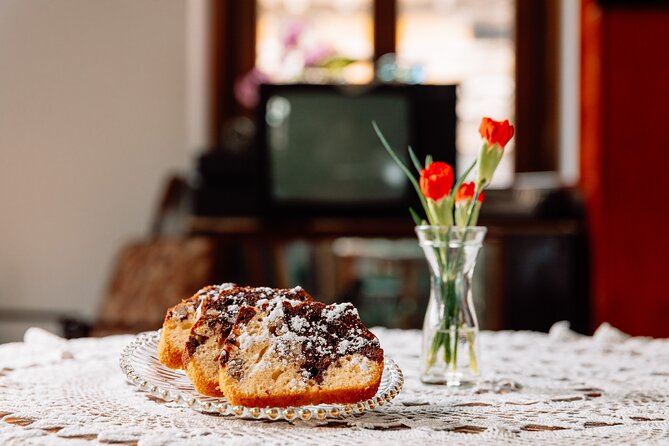
This experience works because it brings Romanian history down to household size. Instead of starting with a grand political lecture, you enter a home-like setting filled with the objects of ordinary life. The museum is arranged to show how people lived during Romania’s Communist period, making the subject easier to understand through things you can see and handle.
The hands-on rule changes the mood. You can touch the exhibits, try on clothing, drink from old cups, and inspect household objects at close range. That physical contact matters. It helps you think about daily routines, not just leaders, slogans, and dates.
I especially like the idea of eating in the museum’s living room. The meal does not feel tacked onto a museum visit. It becomes part of the setting, with food and conversation helping you consider how families gathered, celebrated, and made do during difficult years.
The museum is described as the only interactive museum of its kind in Bucharest. It is not a huge institution, and that is part of its appeal. You get a focused look at domestic life rather than an exhausting survey of every political event in modern Romanian history.
More communism & ceausescu tours in Bucharest:
- The Real tour of Communism
★ 5.0 · 666 reviews - Life under Communism
★ 5.0 · 358 reviews - 3-Hour Guided Tour of Communist Bucharest
★ 4.9 · 303 reviews
The 6:30 pm tour and how the evening unfolds
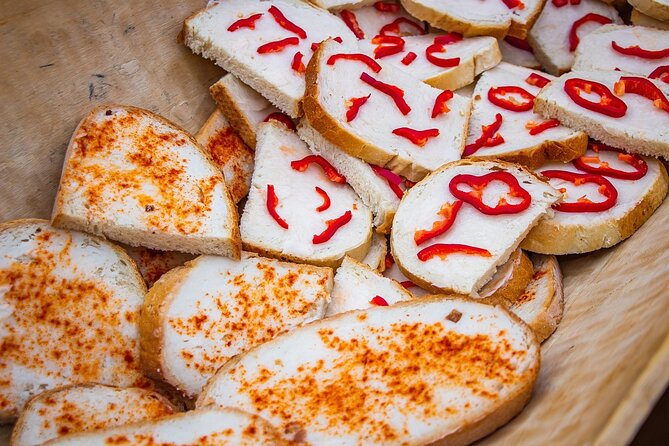
You meet at the Museum of Communism, at Strada Soarelui 1, Bucharest, at 6:30 pm. The activity returns to the same address, so you do not need to arrange a separate end point or wonder where the dinner portion finishes.
The full experience lasts about two and a half hours, although the museum portion is listed at about two hours. A typical evening described by participants included roughly 30 minutes with the guide, another 30 minutes to explore independently, and then dinner. The exact pace can vary with the group and the discussion.
That structure is sensible. A short guided introduction gives you the basic framework, while free time lets you examine the objects that catch your attention. You can look closely at displays without trying to keep pace with a guide’s talk.
The evening takes place after closing, which gives the visit a quieter feel than a regular daytime museum stop. The small group limit of 12 also helps. Some evenings may have only a few people, and one recorded experience had just one booking party. That can make the conversation more personal, though the atmosphere will naturally depend on the number of people booked that night.
Why the guide makes such a difference
The quality of this experience rests heavily on the person leading it. The named guides include Ali, Catalina, Katerina, and Alexandra. Their role is not simply to point at objects. They explain how the items relate to Romanian life and answer questions about the period.
The strongest accounts describe guides using personal examples involving their parents and grandparents. That kind of explanation gives the museum emotional weight without turning the evening into a political speech. You learn how a system affected families over time, and you can ask questions in a relaxed setting.
Katerina, in particular, was praised for explaining the exhibits clearly and for continuing the conversation over dinner. Her subjects ranged from Romanian wine and traditional food to Vlad the Impaler and the Ottoman period. That broader conversation can help place Communist Romania within the country’s longer story.
Do not expect every guide to deliver the same presentation word for word. The experience is built around conversation, and the guide’s style will shape the evening. That is a strength if you enjoy asking questions. If you prefer a tightly scripted museum tour with a fixed list of dates, this may feel more informal than expected.
The museum’s most effective lesson: ordinary objects
Political history often feels remote. A household object does the opposite. It asks you to consider what people used, wore, drank from, and kept in their homes.
The displays can also prompt questions about scarcity, habit, status, and family life. You might find that the most memorable item is not the one with the biggest political meaning, but a simple object that makes the period feel close and familiar.
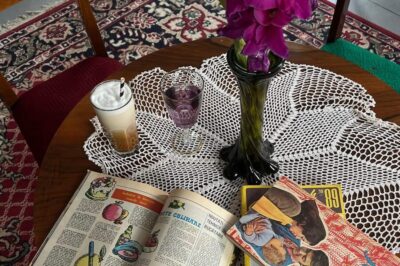
A particularly playful detail is the picture of Ceaușescu hidden in books and magazines. It adds a small puzzle to the visit and gives you something to look for as you browse. This lighter touch does not erase the serious subject. It simply keeps the museum from feeling solemn every minute.
The best way to approach the exhibits is with curiosity. Touch what you are invited to touch, try on the clothing, and allow time for objects to raise questions. The museum is at its strongest when you connect a physical item to the guide’s explanation of life under Communism.
A few more Bucharest trips to weigh up
- Bucharest: Dinner+Tour at Museum of Communism after closing
★ 4.9 · 46 reviews - Bucharest Evening Tour and Traditional Dinner
★ 4.5 · 19 reviews - Bucharest Evening Tour and Traditional Dinner – 3 hours
★ 5.0 · 9 reviews - Bucharest: VIP Dining, Limo ride & Clubbing
★ 4.7 · 3 reviews
Sitting down to Romanian food
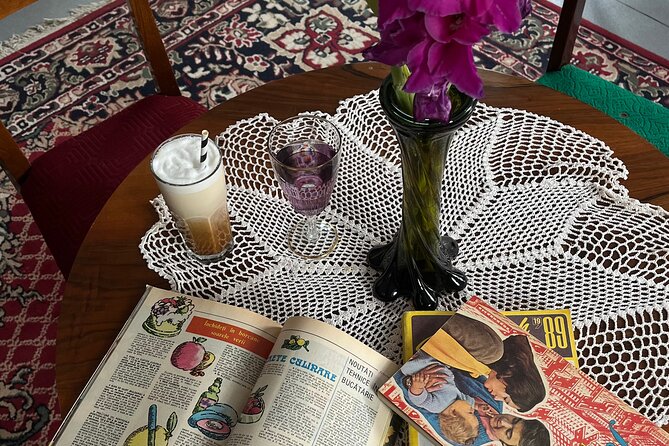
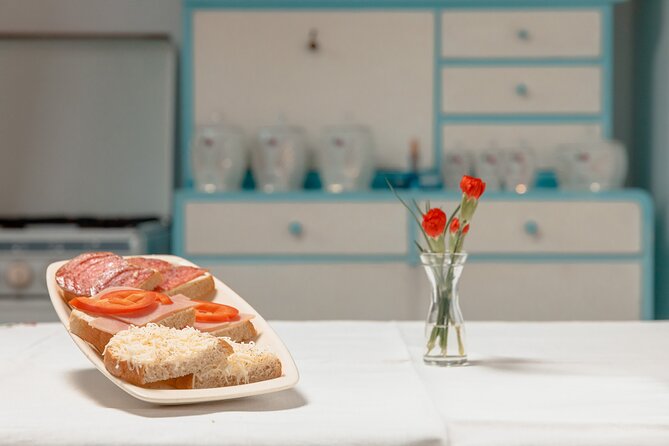
After the museum tour, you move to the living room for the dinner. The menu is built around Romanian food, with starters, a typical main course, and homemade-style desserts that may not appear on ordinary restaurant menus.
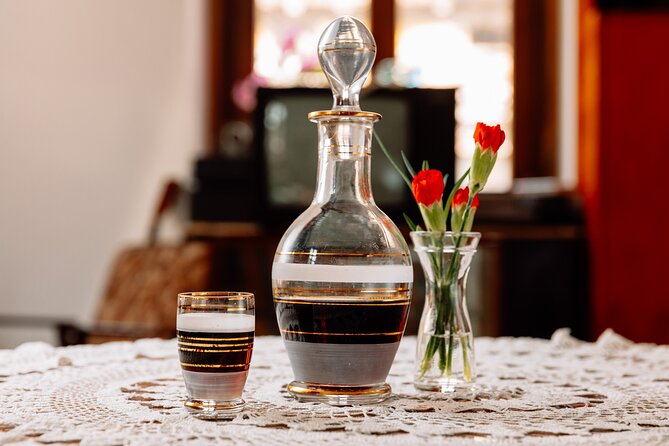
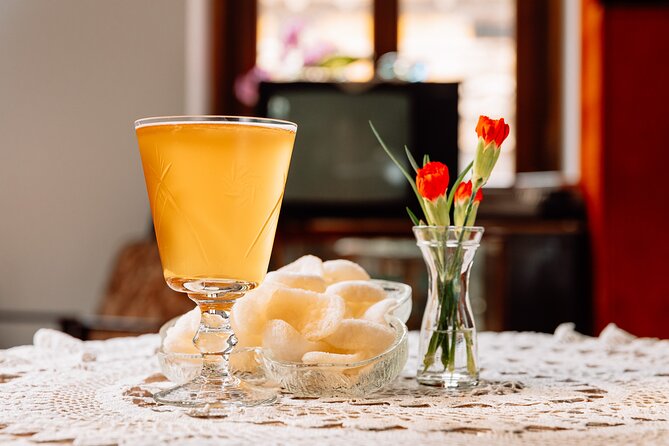
The included drinks are two alcoholic beverages and one non-alcoholic beverage. Experiences have included Romanian red wine and palinca, the traditional fruit brandy. Additional drinks are available only at your own expense if you want them.
The food is not presented as fine dining. Its value is in context and conversation. The guide explains what you are eating and may discuss customs such as Christmas meals. That turns each course into part of the cultural lesson.
Descriptions of the dinner have ranged from a three-course meal with traditional starters, a main dish, and desserts to one account that found no substantial main course. I would set your expectations at a generous Romanian tasting meal rather than a restaurant-style feast. If you need a large dinner or have strict dietary needs, ask about the menu before booking.
The desserts are one of the more distinctive parts of the experience. They are described as Romanian sweets that are difficult to find in restaurants. That gives the meal a home-style quality, although the exact dishes are not specified in advance.
What the dinner adds to the history lesson
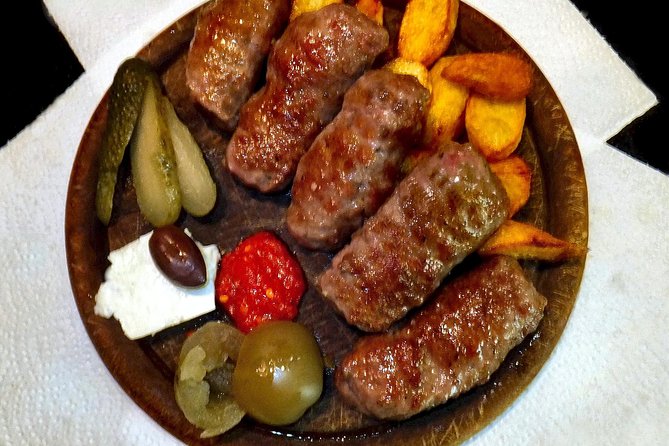
The meal works best when you take part in the conversation. Guides join the table rather than disappearing after the museum tour. You can ask about food, family traditions, Romanian history, and the way the Communist era is remembered today.
I like this format because it avoids splitting the evening into a museum activity followed by an unrelated meal. The same person who explains the household objects can tell you why a food is served, how a holiday meal works, or what a drink means in Romanian culture.
The table also gives you a chance to compare impressions with the other people in the group. With a maximum of 12 participants, the setting should remain manageable rather than turning into a large dinner lecture.
Special occasions can receive personal attention. One birthday booking included a small gift for the birthday celebrant. That is not something you should assume will happen every time, but it shows that the hosts may be attentive to details shared during booking.
Is $59.03 a fair price?
At $59.03 per person, this is not the cheapest way to see a museum in Bucharest. It is also not simply a museum ticket. The price includes entry, a guided visit, independent exploration time, a Romanian meal, two alcoholic drinks, and one non-alcoholic drink.
I consider that reasonable value if you want both history and food in one evening. A standard museum visit gives you the displays. This experience adds interpretation, a small group, a seated meal, and a direct chance to ask questions.
The value depends on how much you eat and how much you enjoy conversation. Someone looking only for a filling dinner may find the price harder to justify, especially if the main course is modest. Someone who wants a personal introduction to Romania’s recent past will likely get more from the evening than from paying separately for a meal and a brief museum visit.
The included drinks also matter. Wine and palinca help you sample local customs without adding to the advertised price. Other drinks are not included, so keep that in mind if you plan to order more.
Who will enjoy this Bucharest experience?
I would recommend this for you if you enjoy history told through everyday life. It suits people who want to understand Romania beyond the main tourist sights and who like learning through food, family stories, and conversation.
It is also a strong choice for couples, small groups, and curious solo visitors. The relaxed dinner gives solo visitors a natural way to talk with others, while couples can treat it as an evening activity rather than another daytime museum stop.
History-minded families may enjoy the objects and clothing, but the subject matter is serious. Parents should decide if their children are ready for a discussion of Communist life and political control.
You should think twice if you need a guaranteed large main course, a rigidly timed tour, or a fully detailed menu before booking. The food is part of the cultural experience, but the exact dishes are not listed. The dinner has pleased many people, yet one account found it disappointing as a full evening meal.
Useful planning details before you book
The museum is near public transportation, and most people can participate. The meeting and finishing point is the Museum of Communism at Strada Soarelui 1, Bucharest 030167, Romania.
The activity is offered in English. Confirmation arrives when you book, and the group limit is 12 people. Since it is an evening experience with a small capacity, it is commonly reserved well ahead, with bookings averaging 37 days in advance.
You can cancel for a full refund up to 24 hours before the 6:30 pm start time. Changes or cancellations inside that 24-hour window are not accepted for a refund. The activity also requires good weather and a minimum number of participants. If the operator cancels for either reason, you are offered another date or experience, or a full refund.
Should you book the Museum of Communism dinner?
Book it if you want a personal, hands-on look at Romanian life under Communism and like the idea of discussing history over a homemade-style meal. The strongest part is the combination of objects, guide stories, and dinner in the living room. That combination gives the evening a human scale.
I would not book it solely for a guaranteed hearty dinner. The food is traditional and often described as plentiful, but one account found the main course lacking. Think of this as a cultural evening with dinner included, not a dedicated food tour.
For most people interested in Bucharest’s recent past, the $59.03 cost is fair. You get a small group, an English-speaking guide, museum access after closing, Romanian dishes, and a conversation that can connect the objects to real family life. That is a useful and memorable way to spend two and a half hours in the city.
FAQ
Where does the Museum of Communism dinner begin?
It begins at the Museum of Communism in Bucharest, at Strada Soarelui 1, București 030167, Romania.
What time does the experience start?
The start time is 6:30 pm.
How long does the experience last?
The activity lasts approximately two hours and 30 minutes. The museum portion is listed as about two hours, with dinner included during the evening.
What food is included?
You receive Romanian starters, a typical Romanian main course, and Romanian desserts that may be difficult to find in restaurants.
What drinks are included?
The price includes two alcoholic drinks and one non-alcoholic drink. Other drinks are not included.
Is the tour offered in English?
Yes. The experience is offered in English.
How many people can join the tour?
The activity has a maximum of 12 participants.
More Museums in Bucharest
- Bucharest: Museum of Senses Entry Ticket
★ 4.2 · 364 reviews - Communism in Bucharest – Landmarks, Museum & Communist Appetizers
★ 5.0 · 111 reviews - Bucharest: Entry ticket at the Museum of Communism
★ 4.6 · 57 reviews - Bucharest: Museum of Communism Ticket with Communist Coffee
★ 4.6 · 52 reviews
More Dining Experiences in Bucharest
- Probably the Best Restaurant and Wine Cellar near Bucharest
★ 4.5 · 3 reviews
Just added around Bucharest
- Winery touring & private wine tasting – one day private tour★ 5.0 · 3 reviews
- Village Museum Bucharest Guided Tour★ 5.0 · 6 reviews
- Bucharest: Dealu Mare Winery Private Trip with Wine Tasting★ 4.9 · 6 reviews
- Transylvania Tour: Dracula’s Castle, Peles Palace & Brasov★ 5.0 · 19 reviews
- Discover Medieval Transylvania Small Group Tour – 7 days★ 5.0 · 4 reviews
- Bucharest Airport Transfer To Constanta Mamaia★ 5.0 · 3 reviews
- Airport Henri Coanda (Otopeni) to Bucharest – Private Transfer – Driver★ 5.0 · 5 reviews
- Gems of Transilvania: Brasov,Sighisoara,Sibiu,Viscri and more★ 5.0 · 6 reviews
Communism & Ceausescu Tours, compared.

Communism in Bucharest – Landmarks, Museum & Communist Appetizers
Read our review →

Museum of Communism Ticket with Communist Coffee
Read our review →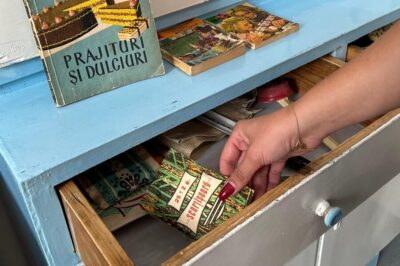
Dinner+Tour at Museum of Communism after closing
Read our review →Browse the lists this tour appears in