
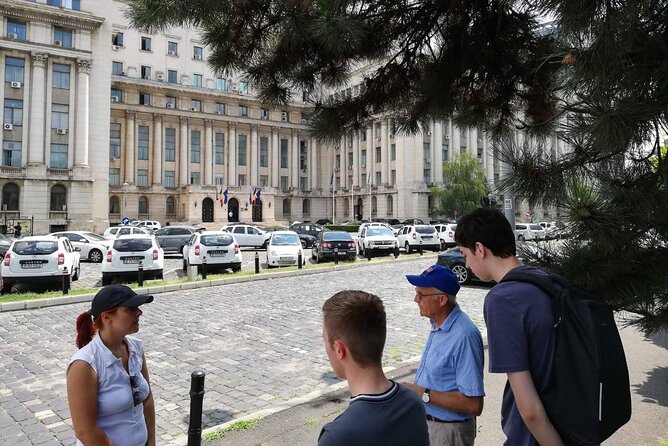
Reviewed · COMMUNISM & CEAUSESCU TOURS
Life in Communism
Bucharest’s communist past is easiest to grasp on foot, where grand avenues, altered buildings, and public squares show how power changed the city. This three-hour walk links about 15 landmarks to the people and policies that shaped modern Romania, from nationalization and secret police surveillance to mass demolitions.
I like the small group limit of 15, which gives you a better chance to ask questions and hear the guide clearly. I also like the personal angle: Daniela, Andreea, Augustin, and John have each brought firsthand stories or carefully researched explanations to the walk, making the subject feel human rather than purely political.
The main drawback is the physical side. You will be on city streets for about three hours, so this suits you best if you can manage a moderate walking pace. There is a short break, but drinks are not included, and you should ideally carry cash.
In This Review
- Key points to know before you book
- Why communist Bucharest is best understood on foot
- Starting at the Patriarchal Cathedral
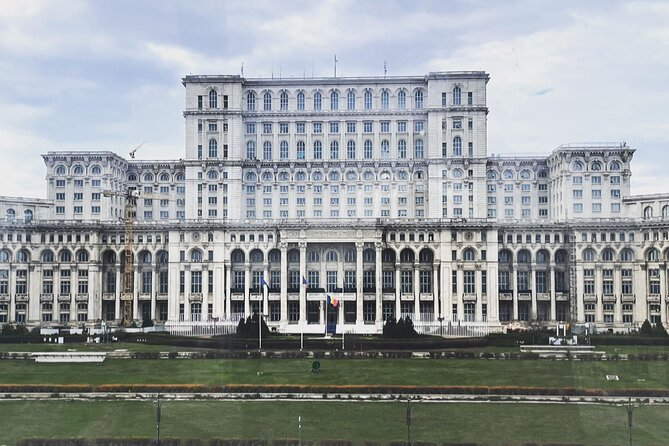
- The Palace of Parliament and the scale of power
- Calea Victoriei and the city beyond one monument
- Piața Revoluției and the human story of change
- From nationalization to secret police
- Communist-era snacks and the mid-tour break
- Is $31.24 a fair price?
- Who will get the most from this walk?
- Practical details for a smoother three hours
- Should you book Life in Communism?
- FAQ
- How long does the Life in Communism tour last?
- Where does the tour begin?
- Where does the tour end?
- How many stops are included?
- Is the tour offered in English?
- What is included in the price?
- Do I need to pay for drinks during the break?
- What happens if I need to cancel?
Key points to know before you book
- About 15 communist-era stops: The route uses buildings, squares, and streets to explain specific moments in Romania’s communist timeline.
- Starts at the Patriarchal Cathedral: Meet at Aleea Dealul Mitropoliei 25, then finish back at the same point.
- Three hours on foot: Wear comfortable shoes and plan for a steady walk through central Bucharest.
- Strong guide-led storytelling: Guides including Daniela, Andreea, Augustin, and John have been praised for clear explanations and personal detail.
- Small English-speaking group: The maximum is 15 people, with mobile tickets and group discounts available.
- Communist-style snacks included: A short refreshment stop is part of the experience, but drinks are self-paid and alcoholic beverages are not included.
Why communist Bucharest is best understood on foot
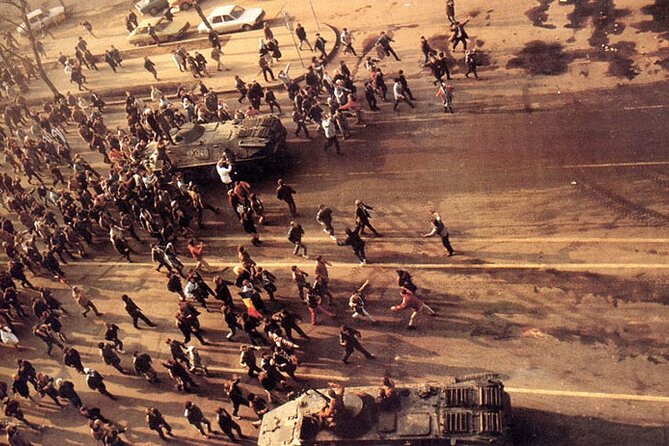
Romania’s communist period did not simply add a few government buildings to Bucharest. It altered streets, neighborhoods, family life, architecture, and the shape of the capital itself.
This tour gives you a useful framework before you explore the city alone. Instead of seeing the Palace of Parliament as just a giant photo stop, you can place it within a story about political power, demolition, national planning, and the human cost of remaking Bucharest.
The walk also covers the wider effects of the regime. You will hear about nationalization, when private property was taken into state control, and the role of the secret police. These subjects help explain why some buildings, streets, and public spaces look as they do today.
I find this approach more useful than a tour focused only on dates. The guide connects each stop to a particular change during the communist period, so you can follow how policy moved from official plans into ordinary life.
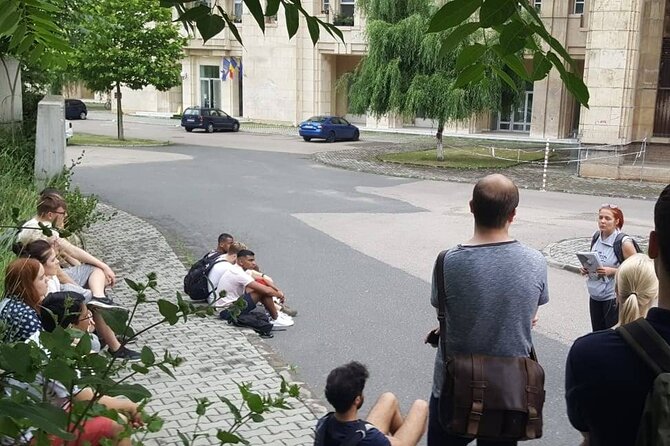
The experience is offered in English and is capped at 15 people. That matters here. Communist history can become a lecture if the group is large, but a small group makes it easier to pause, ask about a detail, or hear a personal story from the guide.
More communism & ceausescu tours in Bucharest:
- The Real tour of Communism
★ 5.0 · 666 reviews - Life under Communism
★ 5.0 · 358 reviews - 3-Hour Guided Tour of Communist Bucharest
★ 4.9 · 303 reviews
Starting at the Patriarchal Cathedral
The walk begins at the Patriarchal Cathedral on Aleea Dealul Mitropoliei 25. This gives the tour a clear meeting point and places you near an important part of central Bucharest from the start.
You should arrive ready to walk rather than expecting a seated introduction. The tour returns to this same meeting point at the end, which makes the finish simple if you have another plan nearby.
The starting point is also useful for orientation. If Bucharest is new to you, an early walking tour can help you understand the central streets before you set off on your own. You will get a sense of how the main historic and political areas relate to one another.
Because the activity takes place outdoors, conditions may affect your comfort. Wear shoes suited to pavement and bring enough water for the walk. The stated fitness level is moderate, not strenuous, but three hours on city streets can feel long if you are not used to walking.
Service animals are allowed, and the meeting point is near public transportation. The tour is offered with a mobile ticket, so you do not need to manage a printed voucher.
The Palace of Parliament and the scale of power
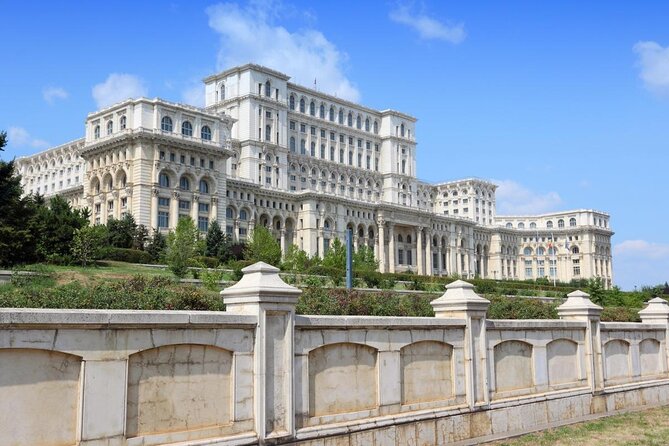
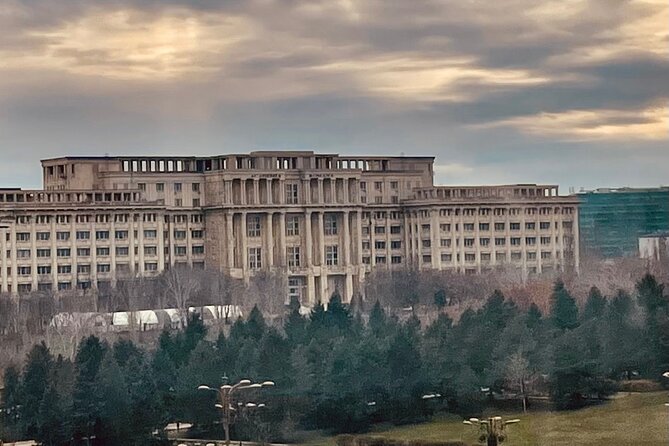
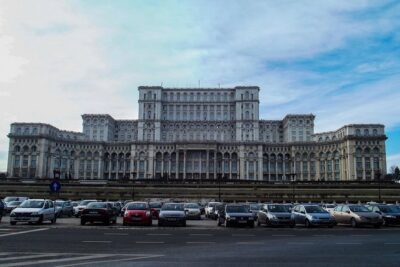
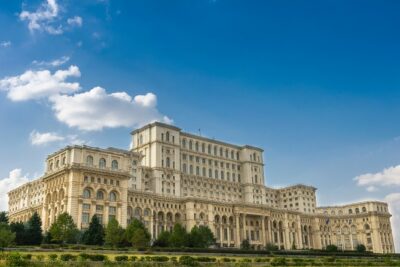
The Palace of Parliament is one of the clearest visual reminders of Romania’s communist era. It gives the tour a powerful starting subject because its sheer scale raises the basic question behind the experience: how did the regime reshape Bucharest, and what did that process mean for the people who lived there?
At this stop, expect the guide to place the building within the wider story of communist urban change. The tour is not limited to architecture. Its stated themes include demolitions and the political decisions that changed the city, so the palace functions as part of a larger explanation rather than an isolated monument.
The scale can be impressive, but the important point is not simply that the building is large. It represents the way a government can use construction, cleared land, and monumental design to project authority. Your guide helps connect what you see to the regime’s broader plans for the capital.
This stop may be especially valuable if you are seeing the palace for the first time. Without context, it is easy to photograph the exterior and move on. With context, you can think about the altered city around it and the human stories connected with the changes.
The provided experience is a walking tour of communist landmarks, not a promise of a full interior visit to the Palace of Parliament. You should therefore book it for the historical explanation and city walk, not on the assumption that admission inside the building is part of the three-hour route.
Calea Victoriei and the city beyond one monument
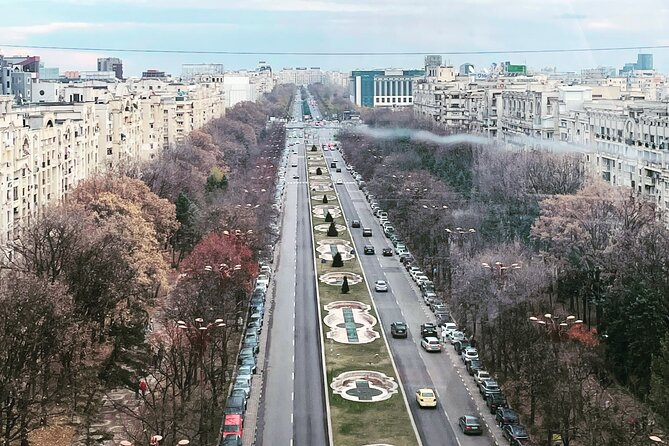
Calea Victoriei lets the tour move from one giant symbol to a major city street. That change is important because communism affected more than government architecture. It changed how the city looked and how people experienced public space.
Here, the guide can show how the communist period fits into Bucharest’s wider urban fabric. The street becomes a setting for discussing the regime’s major changes, including nationalization, state control, and the reshaping of the city.
You should expect explanation rather than a long list of unrelated sights. Each of the roughly 15 objectives marks a specific moment or change in the communist timeline. That structure helps you remember the walk, especially if you are not already familiar with Romanian history.
Calea Victoriei is also a practical part of the route because it helps connect the city’s major areas. A walking tour here can give you useful bearings for later independent sightseeing. You may recognize the route when you return to explore at your own pace.
The value of this stop depends heavily on the guide’s storytelling. The strongest feedback about this experience has focused on clear explanations at each stop, and that is exactly what you want on a street such as this. A guide who explains why a place mattered is far more useful than one who simply names the buildings.
Same mountains, a completely different day out:
- Bucharest: Dracula’s Castle, Peles Castle, & Brasov Old Town
★ 4.5 · 17,858 reviews - Bucharest: Dracula Castle, Peles Castle & Brasov Old Town
★ 4.6 · 10,891 reviews - Bucharest: Dracula’s Castle, Peleș Castle & Brașov Day Trip
★ 4.5 · 5,919 reviews - Bucharest: Palace of Parliament Tickets and Guide
★ 4.3 · 3,182 reviews
Piața Revoluției and the human story of change
Piața Revoluției is another key stop on the route. Its importance lies in the way public spaces can carry political memory. The square allows the guide to move from policy and architecture toward the experience of people living through a changing regime.
This is where the tour’s human side can make a difference. Guides have been praised for adding personal experiences and stories, not just reciting facts. John, for example, has shared memories from his own experience, while Andreea has been described as bringing a personal perspective to the subject.
You should not expect every departure to have the same guide or the same anecdotes. Daniela, Augustin, John, Andreea, and Andrea are among the names associated with past departures, but guide assignment can vary. The common thread is an English-language explanation of communist life and its effect on Bucharest.
Piața Revoluției also helps explain why this is more than an architecture walk. The tour considers the regime’s effect on people and on Romania’s present. That makes the square a good place to ask questions about how public memory, political change, and daily life fit together.
A nuanced explanation matters here. Communist history is not a simple story with one detail explaining everything. Augustin, in particular, has been praised for presenting a careful account of the complex period. If you want a quick set of dramatic facts, this may feel slower. If you want help sorting through difficult events, it is a strength.
From nationalization to secret police
The tour’s wider subjects give it much of its value. Nationalization helps explain what happened to private property and businesses. The secret police theme points to the fear and control that shaped life under the regime. Demolitions show how political plans could reach directly into neighborhoods and homes.
You will not simply hear these terms in isolation. The route uses physical places to give them meaning. Seeing the city while discussing these changes can make the history easier to follow than reading a general account before your visit.
I like that the tour includes both public and personal dimensions. The Palace of Parliament represents state power at a monumental scale. The stories about ordinary life bring the subject back to people, families, and choices made under pressure.
The guide’s role is central. Past departures have been praised for detailed explanations, easy-to-follow English, and a clear voice. Andrea, for instance, has been described as especially easy to understand, which matters when the subject includes unfamiliar political terms and a complicated timeline.
You should feel free to ask questions during the walk. The maximum group size of 15 creates a better setting for conversation than a large city tour. It also means the pace may include pauses for discussion, not just constant movement from one sight to the next.
Communist-era snacks and the mid-tour break

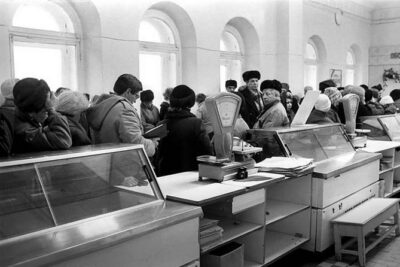
A small food detail adds character to the experience: communist-type snacks are included. The information provided does not specify the exact items, so you should treat this as a themed tasting rather than a meal.
The break comes around the middle of the tour. It gives you a chance to warm up or pause, which can be welcome in colder weather. One departure specifically included a break to warm up, so dress for the season rather than assuming the walk will keep you indoors.
Drinks are not included. You pay for your own refreshments during the stop, and carrying cash is recommended. Alcoholic beverages are also excluded, so plan on buying a nonalcoholic drink or simply using the pause to rest.
This is a small part of the experience, but it fits the tour’s focus. Food can make a historical subject feel closer to daily life, especially when the guide explains what people ate or experienced during the period. Do not book this as a food tour, though. The main value is the historical walk.
Is $31.24 a fair price?
At $31.24 per person, the tour is priced as a reasonably accessible three-hour introduction to Bucharest’s communist history. You are paying for an English-speaking guide, a small group, about 15 stops, themed snacks, and a route that ties the city itself to the story.
The value is strongest if you are new to Bucharest or unfamiliar with Romania’s recent past. A good guide can save you hours of trying to piece together the meaning of separate buildings and squares. After the tour, you can return to places that caught your interest with a better sense of what you are looking at.
The price is less compelling if you want a full museum visit, an interior tour of the Palace of Parliament, or a private experience. The provided details describe a group walking tour, and the group can reach 15 people. You also pay for your own drinks during the break.
Group discounts may improve the cost for people booking together. The activity is often booked about 22 days ahead, so planning early is sensible if your dates are fixed. Free cancellation is available when you cancel at least 24 hours before the start time. Cancellations or changes made within 24 hours are not refundable or accepted.
Who will get the most from this walk?
I would choose this tour if you want a clear introduction to Romania’s communist period without spending a full day in lectures or museums. It suits you particularly well if you like to connect history with actual streets and buildings.
It is also a good choice for first-time visitors who want to get their bearings. The route covers central locations and ends where it begins, giving you a useful starting point for further exploration.
History-minded families and older children may find the subject worthwhile, though the three-hour walking format requires attention and moderate fitness. The tour is also a good fit for anyone interested in how political systems affect architecture, public space, property, and daily routines.
You may want to skip it if you dislike walking, want entertainment without serious historical discussion, or need a fully private pace. The route is built around explanation, and the subject includes difficult material about surveillance, forced change, and the destruction of parts of the city.
Guide quality is clearly important. Names associated with especially well-received departures include Daniela, Andreea, Augustin, and John. You cannot necessarily request a particular guide from the supplied details, but you can understand the type of presentation to expect: clear English, careful research, and, in some cases, personal memories.
Practical details for a smoother three hours
Meet at the Patriarchal Cathedral, Aleea Dealul Mitropoliei 25, Bucharest. The tour returns to this point, and public transportation is nearby.
Bring comfortable shoes, a phone with your mobile ticket, and cash for drinks. The tour is conducted in English, lasts about three hours, and allows a maximum of 15 people.
The included snack is not a substitute for lunch. Eat beforehand if you need a full meal, especially since the break is short and the main focus remains walking and interpretation.
The experience is confirmed at booking. Service animals are allowed. Since this is an outdoor walking activity, your comfort will depend on your footwear, weather-appropriate clothing, and ability to maintain a moderate pace.
Should you book Life in Communism?
Book it if you want Bucharest’s communist past explained through the city itself. The combination of the Palace of Parliament, Calea Victoriei, Piața Revoluției, and roughly a dozen other objectives gives you more than a single famous building. It shows how a regime changed the capital and affected the people living in it.
The strongest reason to choose it is the guide-led storytelling. Daniela, Andreea, Augustin, and John have brought clear explanations, personal detail, and different ways of presenting a difficult period. The small group and three-hour length keep the experience focused.
Skip it if you want an interior palace visit, a private tour, or a food-focused outing. For most first-time visitors interested in Romania’s recent history, though, $31.24 is a fair price for a compact, thoughtful introduction to Bucharest.
FAQ
How long does the Life in Communism tour last?
The walking tour lasts approximately three hours.
Where does the tour begin?
It begins at the Patriarchal Cathedral, Aleea Dealul Mitropoliei 25, București, Romania.
Where does the tour end?
The activity ends back at the meeting point at the Patriarchal Cathedral.
How many stops are included?
The route visits around 15 objectives connected with Romania’s communist period. The named stops include the Palace of Parliament, Calea Victoriei, and Piața Revoluției.
Is the tour offered in English?
Yes. The tour is offered in English.
What is included in the price?
Communist-type snacks are included. The tour price is listed as $31.24 per person.
Do I need to pay for drinks during the break?
Yes. Drinks are not included, and you support yourself during the break. Carrying cash is recommended. Alcoholic beverages are not included.
What happens if I need to cancel?
You can receive a full refund if you cancel at least 24 hours before the experience begins. Cancellations or changes made less than 24 hours before the start time are not accepted or refunded.
Just added around Bucharest
- Village Museum Bucharest Guided Tour★ 5.0 · 6 reviews
- Bucharest: Dealu Mare Winery Private Trip with Wine Tasting★ 4.9 · 6 reviews
- Winery touring & private wine tasting – one day private tour★ 5.0 · 3 reviews
- Transylvania Tour: Dracula’s Castle, Peles Palace & Brasov★ 5.0 · 19 reviews
- Discover Medieval Transylvania Small Group Tour – 7 days★ 5.0 · 4 reviews
- Bucharest Airport Transfer To Constanta Mamaia★ 5.0 · 3 reviews
- Airport Henri Coanda (Otopeni) to Bucharest – Private Transfer – Driver★ 5.0 · 5 reviews
- Gems of Transilvania: Brasov,Sighisoara,Sibiu,Viscri and more★ 5.0 · 6 reviews
Communism & Ceausescu Tours, compared.
Communism in Bucharest – Landmarks, Museum & Communist Appetizers
Read our review →
Museum of Communism Ticket with Communist Coffee
Read our review →
Dinner+Tour at Museum of Communism after closing
Read our review →Browse the lists this tour appears in